INTERIOR DESIGN: How to Make Your Home Look Expensive On A Budget
When you flip through high-end interior design magazines, it is easy to assume that sophisticated living requires an unlimited budget. We often look at exclusive, architect-designed spaces and feel overwhelmed by their complexity and apparent cost. A stylish and luxurious interior does not require spending a fortune on designer furniture or gut renovations. High-end design is far less about how much money you spend and far more about deliberate choices in scale, lighting, texture, and architectural proportion.
A curated home combines history, comfort, and careful editing. Mixing antique or flea-market finds with modern silhouettes creates depth and character that catalogue showrooms simply cannot replicate. Classic furniture passed down through generations or discovered at weekend vintage sales signals good taste and personal effort, elevating even the most austere contemporary apartment. These budget-conscious design principles are equally valuable whether you plan to stay in your home for decades or prepare a property for sale to secure the highest cash offer possible. In this guide, we will walk you through the most effective, design-tested strategies to make your living spaces look remarkably luxurious on a realistic budget.
Quick Luxury Design Guide
- Select an area rug large enough to hold at least the front legs of all seating pieces, maintaining 10 to 18 inches of exposed flooring around the perimeter.
- Mount curtain hardware close to the ceiling line and extend rods beyond window casings to give the architectural illusion of taller walls and wider windows.
- Replace cool bulbs with warm white LEDs rated between 2700K and 3000K, layering lighting across ambient fixtures, task lamps, and accent uplights.
- Swap generic builder-grade door handles, cabinet pulls, and stamped wall plates with heavy solid metals like unlacquered brass or matte black levers.
- Invest in single oversized art pieces and display a restrained trio of large accessories on surfaces rather than scattering small decorative knickknacks.
How to Make Your Home Look Expensive on a Budget
When you flip through high-end interior design magazines, it is easy to assume that sophisticated living requires an unlimited budget. We often look at exclusive, architect-designed spaces and feel overwhelmed by their complexity and apparent cost. A stylish and luxurious interior does not require spending a fortune on designer furniture or gut renovations. High-end design is far less about how much money you spend and far more about deliberate choices in scale, lighting, texture, and architectural proportion.
A curated home combines history, comfort, and careful editing. Mixing antique or flea-market finds with modern silhouettes creates depth and character that catalogue showrooms simply cannot replicate. Classic furniture passed down through generations or discovered at weekend vintage sales signals good taste and personal effort, elevating even the most austere contemporary apartment. These budget-conscious design principles are equally valuable whether you plan to stay in your home for decades or prepare a property for sale to secure the highest cash offer possible. In this guide, we will walk you through the most effective, design-tested strategies to make your living spaces look remarkably luxurious on a realistic budget.
Master the Fundamentals of Scale and Rug Sizing
Anchor your seating arrangement with an expansive rug that captures at least the front furniture legs, leaving 10 to 18 inches of bare floor along perimeter baseboards.
One of the most telling signs of amateur decorating is improper scale, particularly when it comes to floor coverings. Homeowners often purchase undersized rugs in an attempt to save money, creating a floating “postage stamp” effect that makes a room look visually cramped and disjointed. In design, choosing a properly sized area rug anchors your furniture arrangement and immediately gives the room a grander, custom appearance.
To achieve a high-end look without custom carpeting costs, follow standard proportion guidelines for your living spaces:
- The All-Legs-On Rule: In large living rooms, select an 9×12 foot or 10×14 foot rug so that all legs of your sofa, accent chairs, and coffee table rest comfortably on the textile.
- The Front-Legs Rule: In standard-sized rooms, make sure at least the front two legs of every primary seating piece sit securely on the rug, which ties the conversation area together.
- The Perimeter Border: Always leave approximately 10 to 18 inches of exposed floorboards between the rug edge and the baseboards to frame the room naturally.
- Layering Natural Fibers: If an oversized wool rug exceeds your spending limit, purchase a large, budget-friendly jute or sisal rug as a base, then layer a smaller vintage patterned rug or faux-hide on top.
This layering technique provides rich visual depth, covers expansive floor areas cost-effectively, and protects your primary flooring from daily wear and tear.
Upgrade Window Treatments by Hanging Curtains High and Wide
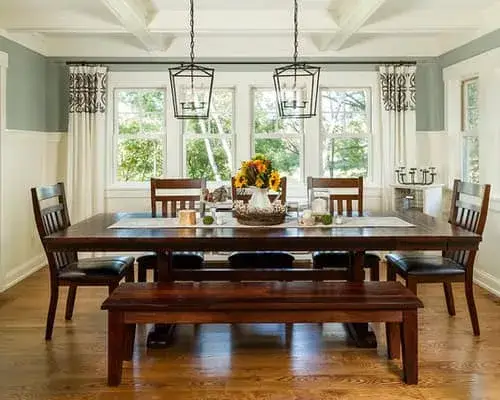
Hang drapery rods 2 to 4 inches below the ceiling line and extend them 8 to 15 inches past the trim to visually magnify window size and ceiling height.
Standard retail drapery hung right at the window trim is an immediate giveaway of a builder-grade setup. Tailored window treatments frame natural views, soften room acoustics, and visually expand the architectural volume of any space. Hanging your curtain rods close to the ceiling line draws the eye upward and creates the illusion of towering ceiling height.
Instead of mounting drapery hardware directly against the window casing, mount your curtain rod roughly 2 to 4 inches below the ceiling crown moulding, or at least 8 to 12 inches above the window frame. Extend the rod 8 to 15 inches past the window trim on either side. When you open the drapes, the panels will frame the glass rather than blocking valuable natural daylight, tricking the eye into believing the window is significantly wider and taller than it actually is.
Fabric weight matters just as much as hardware positioning. Steer clear of sheer, shiny polyester materials that wrinkle easily and look flimsy. Instead, choose substantial fabrics such as linen blends, cotton velvet, or heavy twill. Ensure the panels touch the floor with a clean, light kiss or a slight half-inch break. If standard store-bought panels run slightly short, consider sewing a contrasting band of dark velvet or linen onto the bottom hem to add bespoke designer detail while hitting the exact floor line.
Curate Large-Scale Art and Intentional Framing
Covering blank walls with clusters of small, generic retail prints often creates visual noise rather than elegance. High-end interiors consistently lean toward singular, commanding focal points that set a confident aesthetic tone throughout the room.
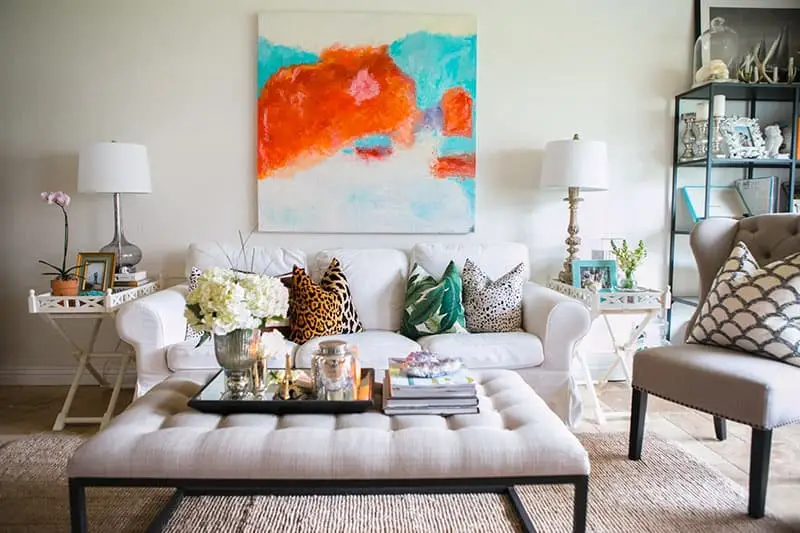
A single oversized piece of statement art sparks conversation and saturates the room with an undeniably luxurious presence. You do not need to spend thousands of dollars at established private galleries to acquire meaningful pieces. Student degree exhibitions organized by art universities are exceptional venues to purchase original paintings and prints at modest prices while directly supporting emerging talent. Over time, as those emerging artists gain industry recognition, your selected piece may appreciate considerably in value.
For DIY enthusiasts, creating your own modern canvas art is an accessible weekend project. Purchase a large gallery-wrapped canvas from an art supply store, grab joint compound or plaster for sculptural relief, and finish with a warm, monochromatic paint wash. If you prefer photography, print your personal high-resolution architectural or landscape captures in black and white. Pair them with inexpensive frames that feature extra-wide white mats. The contrast between a modest print and an exaggerated, professional mat board creates the gallery-calibrated aesthetic that interior designers use in luxury residential projects. This deliberate approach transforms an ordinary living room layout into a sophisticated sanctuary.
Establish a Layered Lighting Scheme and Warm Color Temperature
Replace harsh cool bulbs with warm 2700K to 3000K LEDs, and balance ambient, task, and accent fixtures across varied elevations to create inviting boutique warmth.
Relying on a single builder-grade flush-mount ceiling fixture is the quickest way to make a room feel flat, sterile, and uninviting. Luxurious spaces never depend on harsh overhead illumination alone. A professional lighting scheme relies on three distinct layers: ambient, task, and accent lighting scattered at varied heights throughout the room.
The simplest, most impactful upgrade you can execute this afternoon is replacing your light bulbs. Check the Kelvin rating on your packaging and swap cold, bluish 4000K or 5000K bulbs for warm white LEDs rated between 2700K and 3000K. Warm light softens architectural angles, flatters skin tones, and creates the cozy, intimate glow characteristic of boutique hotels.
Next, assemble your lighting layers across the room:
- Ambient Lighting: Replace dated glass dome lights with sculptural pendant fixtures, flush-mount drums with linen shades, or discreet architectural track lighting.
- Task Lighting: Position directional pharmacy lamps near reading armchairs, slender swing-arm lamps beside desks, and focused under-cabinet strips along kitchen prep counters.
- Accent Lighting: Place rechargeable picture lights above framed art, tuck small uplights behind potted plants to cast subtle corner shadows, and introduce dimmable table lamps on sideboards.
Adding plug-in inline dimmer switches to existing corded lamps allows you to recalibrate the mood of your living spaces instantly as afternoon natural light transitions into evening entertaining.
Swap Builder-Grade Hardware and Architectural Details
Mass-market builders and rental property managers routinely install the most economical hardware packages available, including hollow stamped-metal knobs, brass-plated door latches, and cheap plastic wall plates. Because hardware is something you and your guests physically touch every single day, upgrading these tactile touchpoints delivers an enormous psychological return on a modest financial outlay.
Replacing generic hardware with heavy, solid-feeling metals instantly elevates the perceived build quality of your entire home. You do not need to replace your entire kitchen cabinetry or interior doors to gain this advantage. A single Saturday spent with a screwdriver can completely modernize your space.
| Element | Builder-Grade Baseline | Elevated Design Alternative | Expected Visual Impact |
|---|---|---|---|
| Cabinet Pulls | Standard brushed nickel wire pulls | Solid unlacquered brass, reeded metal, or matte bronze handles | Gives kitchen and bath cabinetry a tailored, furniture-grade finish |
| Interior Door Knobs | Lightweight polished brass or hollow round knobs | Substantial matte black or brushed nickel knurled levers | Transforms every threshold with solid weight and modern architectural lines |
| Switch Plates | Thin stamped white or beige plastic | Screwless architectural covers or cast-brass switch plates | Eliminates visible screws and produces a flush, high-end wall finish |
| Baseboards and Trim | Narrow 2.5-inch plain pine or vinyl strips | Added picture frame moulding or taller 5-to-7-inch primed MDF base | Introduces classic historic proportion and tailored structural elegance |
Maintain consistent metal finishes within visual zones to preserve continuity, but do not hesitate to mix two complementary finishes, such as aged brass lighting paired with matte black door levers, for a collected look.
Embrace Dramatic Paint Colors and Statement Wallcoverings
Pair your dramatic wall colors with custom accent pieces by exploring our favorite painted furniture projects.
Paint remains the single most transformative, cost-effective weapon in an interior designer’s toolkit. While all-white walls have been popular for years, a room painted in a deep, moody hue conveys uncompromising luxury, intimacy, and architectural drama. Applying rich, saturated paint colors to your walls creates immediate depth, wraps the room in tailored warmth, and disguises minor drywall imperfections.
Homeowners often worry that dark paint will make their rooms feel confined. In practice, deep tones such as charcoal, rich forest green, deep navy, and espresso cause room corners to visually recede, making boundary lines blur. To expand this effect without feeling heavy, balance deep walls with reflective warm brass hardware, crisp light-toned textiles, and brightly painted furniture. Color drenching, painting the baseboards, walls, interior doors, and crown mouldings in the exact same finish, produces an expansive, contemporary envelope that looks bespoke.
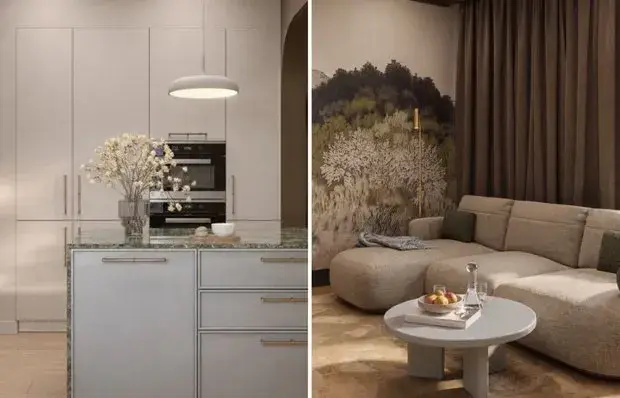
If you prefer patterned surfaces, statement wallpaper delivers unmatched character. An accent wall featuring botanical, scenic mural, or subtle grasscloth textures introduces tactile refinement. When working with striking wallpaper, let the pattern lead: avoid overcrowding the surface with small hung frames or busy wall sconces. Complement the wallcovering with a single statement armchair upholstered in a coordinating velvet or textured linen. Sourcing a vintage armchair from an estate sale and having a local upholsterer wrap it in quality fabric yields a one-of-a-kind design centerpiece at a fraction of high-end showroom prices. If your project extends to curb appeal, remember that exterior styling touches work on similar principles; you can make your house look more expensive outside through cohesive door colors, updated house numbers, and architectural lighting fixtures.
Layer Tactile Textiles and Plush Throws
A sterile, one-dimensional room never feels truly luxurious. Upscale homes feel inviting because they weave together contrasting textures that invite touch. When every surface in a room has the same flat cotton or microfiber feel, the environment falls flat regardless of how much the furniture cost.
Incorporating varied textiles, such as faux fur throws, slubby linen cushions, and heavy wool rugs, gives any living area or bedroom immediate sensory richness. In a cozy master bedroom retreat, keep your foundational duvet simple and crisp in white or washed oatmeal linen, then layer a weighty, fur-textured blanket across the foot of the bed. In living areas, folding a plush throw over the arm of a streamlined sofa softens modern edges and offers a comforting retreat during chilly evenings.
You never need to buy real animal pelts to achieve this lush look. High-quality artificial fur blankets come in varied hair lengths and rich, multi-tonal colorways that are animal-friendly, durable, and easily cleaned. Deep charcoal, warm taupe, and soft ivory tones blend seamlessly into an elevated setting. Combine these throws with down-filled or high-resilience feather-alternative pillow inserts. Replacing lightweight polyester pillow stuffing with feather inserts instantly allows cushions to take that classic designer “karate chop” crease, creating an orderly yet relaxed look typical of a timeless traditional living room.
Edit, Declutter, and Style with Fewer, Larger Accents
One of the clearest distinctions between amateur decor and professional interior design lies in what is left out. Clutter is the enemy of sophistication. Filling every tabletop, bookcase shelf, and window ledge with small knickknacks fragments visual focus and makes rooms feel messy and cheap.
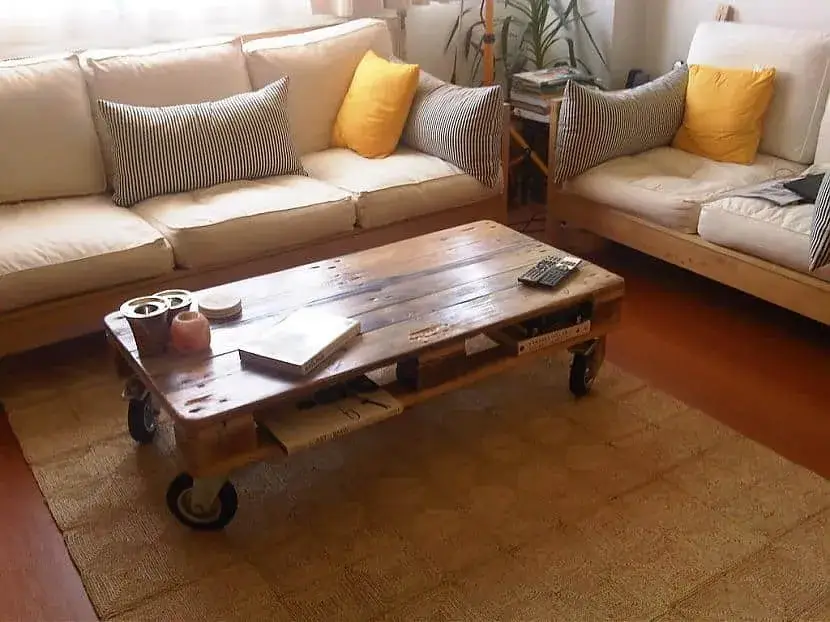
Adopting a “fewer, larger” styling philosophy instantly shifts your home from feeling cluttered to looking intentionally curated. Instead of arranging five small trinkets on your coffee table, curate a focused trio of substantial items:
- A stack of two or three large-format art, architecture, or travel coffee table books.
- A heavy stone, ceramic, or turned-wood pedestal bowl to hold decorative matches or everyday remotes.
- A tall sculptural ceramic vase filled with fresh, oversized leafy branches clipped directly from your garden rather than artificial, bright plastic bouquets.
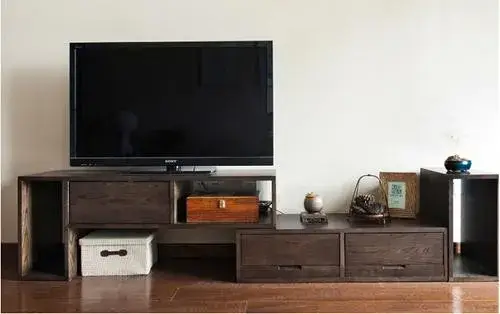
Apply this same restrained discipline to open shelving and media consoles. Leave negative space around your decorative accents to let each object breathe. When an item has breathing room around it, the eye perceives it as valuable and deliberate, amplifying its decorative impact across the entire space.
Conclusion
Carry your high-end design updates beyond the front door with our practical guide to elevating home exteriors on a budget.
Achieving a luxurious home aesthetic is not about spending thousands of dollars on brand-name furniture; it is about applying thoughtful interior design principles with consistency and restraint. By correcting rug scale, hanging drapery high and wide, curating oversized artwork, layering warm lighting, and upgrading builder-grade hardware, you transform ordinary rooms into serene, refined environments.
Take your time implementing these upgrades room by room. Thoughtful homes are assembled deliberately through collected vintage pieces, tactile materials, and balanced proportions. Above all, balance style with livability, ensuring that every room remains comfortable, warm, and deeply functional for your everyday life.