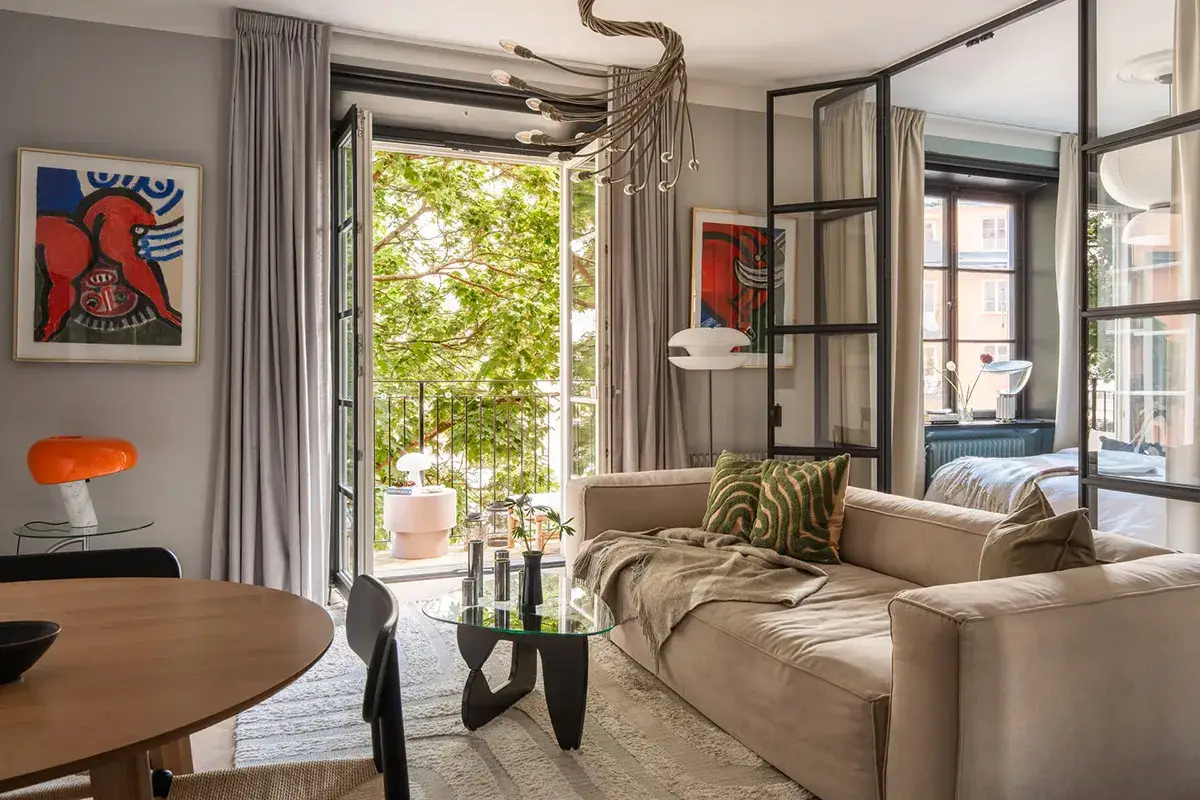
8 Steps to Achieve a Classic Spanish Cocina
Few architectural styles capture warmth and hospitality quite like a classic Spanish cocina. When you own a holiday home abroad or want to bring the sun-drenched spirit of Andalusia into your everyday space, stepping into the kitchen should feel grounded, welcoming, and rooted in tradition. Yet all too often, modern renovations strip away character in favor of slick, flat-panel cabinets and sterile polished stone, leaving the room feeling disconnected from the home’s historic vernacular.
A true Spanish Revival kitchen relies on foundational architectural details, honest natural materials, and layered craftsmanship rather than superficial decorative touches. In this guide, we explore how to restore soul to your kitchen through classic Mediterranean design principles. You will learn how to choose authentic terracotta flooring, shape architectural plaster alcoves, incorporate rustic timber ceilings, integrate hand-painted ceramic tiles, and blend modern cooking appliances into old-world cabinetry without sacrificing convenience.
Essential Design Takeaways
- Start from the floor up using authentic terracotta or Saltillo pavers sealed to resist grease, or choose durable porcelain alternatives for radiant subfloors.
- Soften rigid wall lines by sculpting curved doorways, shallow spice alcoves, and a bell-shaped plaster range hood over your cooktop.
- Install exposed timber vigas or lightweight high-density faux beams spaced across the ceiling to draw the eye upward and add historic scale.
- Mix rich natural woods like alder or oak with painted finishes and open shelving instead of uniform dark perimeter cabinets.
- Accent backsplashes and island risers with hand-painted ceramic tiles featuring traditional cobalt, ochre, and sage motifs.
- Conceal modern dishwashers and refrigerators behind integrated panels, and opt for a matte black or bronze range with at least a 36-inch focal presence.
Designing a Classic Spanish Cocina: Practical Ideas for a Timeless Kitchen
Foundational Materials: Earthy Floors and Textured Walls
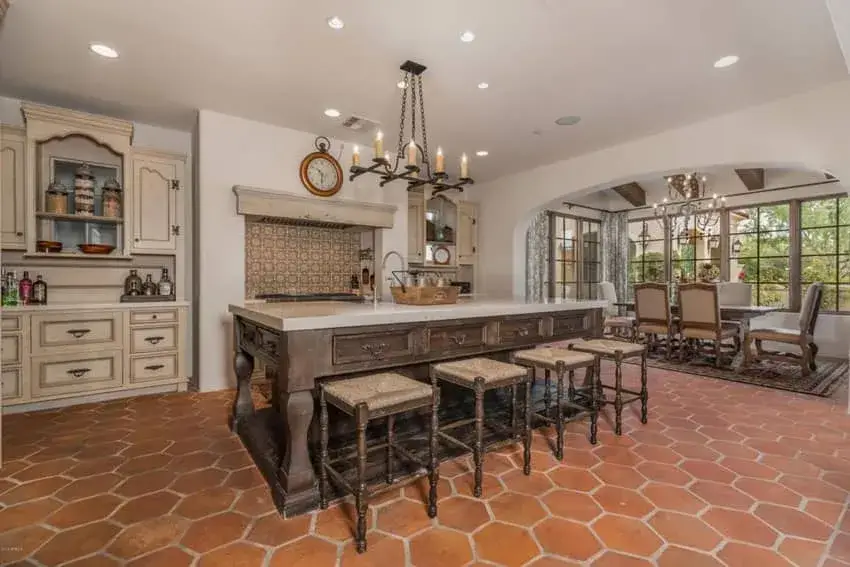
Select porous Saltillo or terracotta flooring sealed against kitchen spills, and pair it with breathable lime wash or plaster walls to anchor the room in warm, tactile earthiness.
The essence of a traditional Spanish kitchen begins with the tactile envelope of the room itself. Rather than relying on crisp drywall and polished stone, historic Mediterranean kitchens celebrate the raw, mineral quality of earth, clay, and lime. The combination of tactile flooring and breathable masonry sets a calm, organic background that makes every piece of timber cabinetry and iron hardware stand out.
For flooring, clay tiles remain the undisputed hallmark of Mediterranean architecture. Traditional Saltillo and Spanish terracotta tiles offer unmatched warmth underfoot, shifting from rich ochre to deep reddish-brown. Because unglazed terracotta is porous, it requires a quality penetrating sealer to protect against cooking oils and moisture. If your subfloor cannot support the thickness and weight of reclaimed terracotta, high-definition porcelain reproductions provide a low-maintenance alternative that still captures the soft, irregular edges of handmade pavers.
| Material Option | Aesthetic Authenticity | Porosity & Maintenance | Best Application |
|---|---|---|---|
| Handmade Terracotta / Saltillo | Exceptional variation, soft edges, deep earthy patina | High porosity; requires periodic sealing against grease and water | Historic properties, dry climates, and authentic period restorations |
| Glazed Ceramic Pavers | Traditional Mediterranean gloss or satin finish with historic glaze tones | Low to moderate porosity; easy surface wipe-down | High-traffic cook prep zones and smaller cottage kitchens |
| Porcelain Terracotta Alternatives | Uniform thickness, consistent modern prints, engineered durability | Impervious; zero sealing needed, stain resistant | Busy family kitchens, wet zones, and installations over radiant subfloors |
To complement the floors, treat your vertical surfaces with breathable finishes. Smooth lime wash, Roman plaster, or traditional white stucco walls soften harsh shadows and create an authentic, hand-troweled texture. Off-white, warm cream, and pale bone tones bounce natural daylight across the room, preventing heavy architectural timber elements from overpowering the space.
Architectural Curves, Alcoves, and Custom Plaster Range Hoods
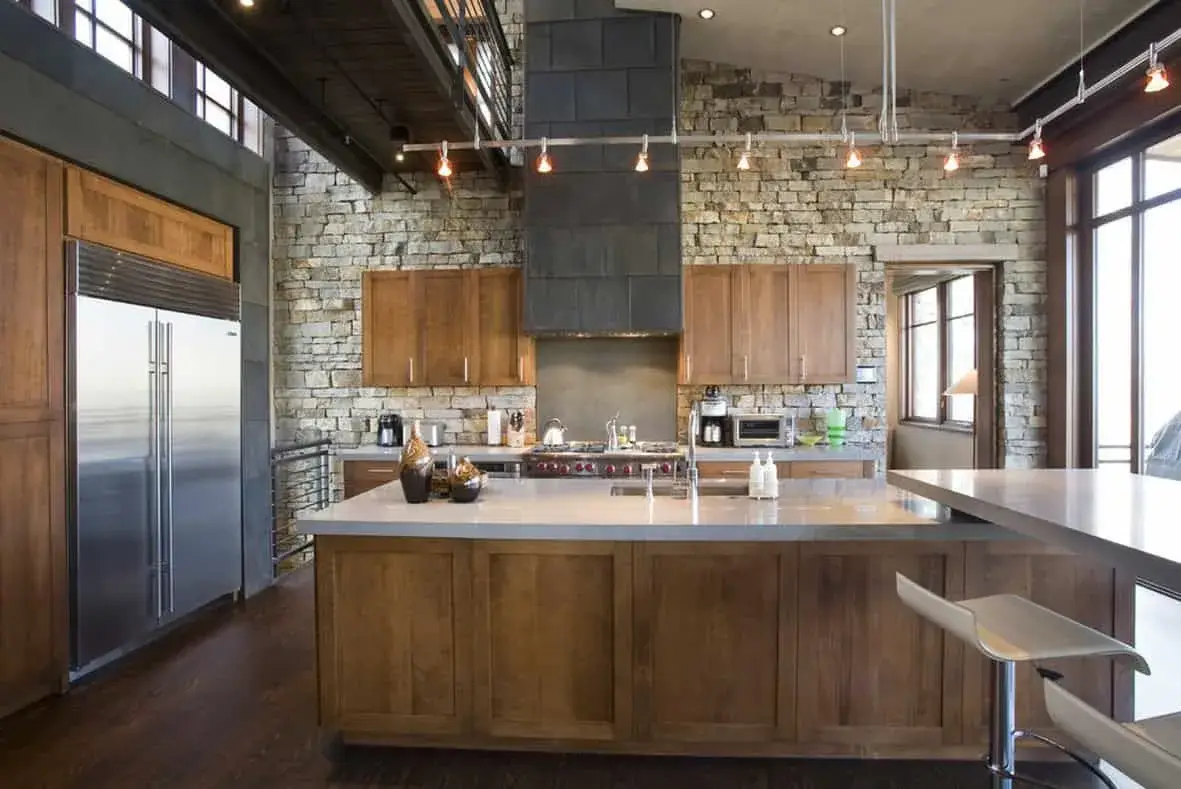
Spanish Revival architecture rejects the rigid boxiness of modern developer-grade rooms. Instead, the layout celebrates structural masonry through curved transitions, deep reveals, and functional wall niches. These curves soften sightlines, ease movement between rooms, and lend your home the quiet permanence of historic stone construction.
One of the most defining centerpieces in a traditional Spanish kitchen is the arched cooking alcove, historically known as a masonry hearth. Framing your cooktop within a recessed niche or crowning it with a sweeping, bell-shaped plaster range hood anchors the work zone as a visual focal point. You can finish the hood in soft white plaster with a bullnose plaster rim, or edge the mantel with a reclaimed timber beam to echo the ceiling framing overhead.
Beyond the hearth, look for opportunities to carve storage alcoves directly into interior partition walls. Shallow niches framed with soft radius corners create natural homes for olive oil cruets, ceramic spice jars, and hand-thrown pottery. If you are planning structural alterations or building out structural arches, consulting a specialist team like Promas Building for kitchen renovations in Spain helps ensure your masonry openings respect local wall loads and historic building techniques.
Ceiling Architecture: Exposed Vigas and Rustic Timber Beams
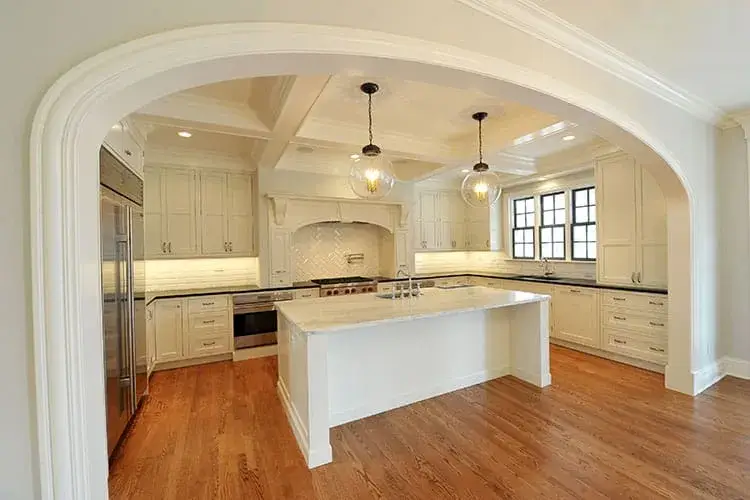
Looking upward in an authentic Mediterranean cooking space should reveal honest structural craftsmanship. Heavy timber ceiling beams, known in Spanish architecture as vigas, impart an immediate sense of shelter, history, and scale. They draw the eye upward, establish rhythm across the room, and counterbalance the light masonry walls below.
If your home features original timber framing hidden beneath layers of modern plasterboard or drop ceilings, unbox and restore it. Strip away any glossy synthetic paints, sand back stubborn surface residues, and feed the dry wood with a natural beeswax polish or light matte wax. Preserving original check marks, saw kerfs, and subtle bowings celebrates the life of the building.
When working within a newer build where overhead joists cannot bear heavy timber, you can still introduce this period grandeur without structural modifications. High-density imitation beams accurately replicate aged oak and cedar textures while remaining light enough to install directly onto standard ceiling framing. Pair your structural or decorative beams with rough-sawn pine planks or warm plaster infill between each span to complete the historic ceiling profile.
Rustic Spanish Kitchen Cabinets and Storage Traditions
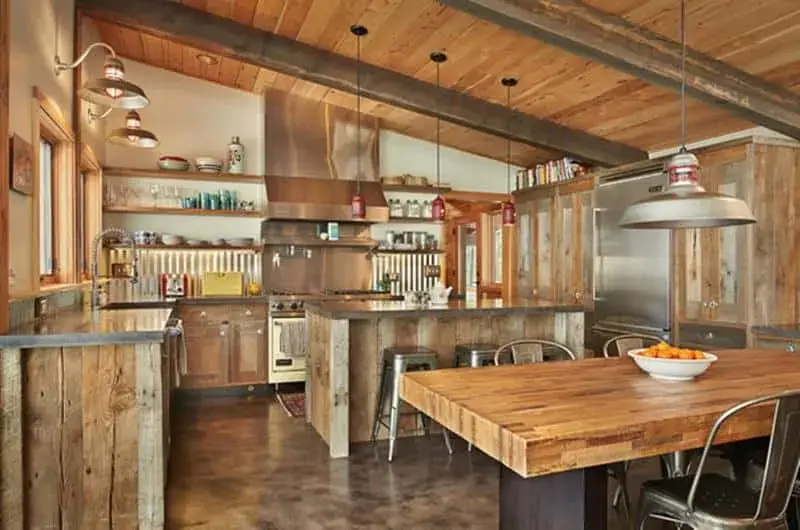
Combine warm wood base cabinets with built-in masonry alacenas and open shelving to keep your cabinetry feeling like collected furniture rather than rigid modern millwork.
Cabinetry in a traditional Spanish cocina should look like heirloom furniture rather than continuous modular casework. Instead of flat modern doors, Spanish cabinetry incorporates solid woods like knotty alder, walnut, or quarter-sawn oak, finished with hand-wiped stains that reveal natural grain patterns, distress marks, and subtle variations in color.
Cabinet profiles often feature raised center panels, recessed beaded frames, or turned corner pilasters. To keep the kitchen feeling bright and dynamic rather than heavy, avoid wrapping the entire perimeter in dark millwork. You can pair dark-stained base cabinets with warm cream, antiqued white, or sage-green perimeter units. Soft hand-painted finishes with rub-through edges gently age the casework, reinforcing the historic story of the house.
Storage traditions in classic Spanish homes also rely heavily on open and recessed concepts:
- The Built-In Alacena: A historic recessed cupboard built directly into masonry walls, frequently enclosed with slatted timber doors, decorative spindle grilles, or chicken-wire mesh inserts that allow dry goods to breathe.
- Thick Open Shelving: Reclaimed oak or chestnut planks supported by forged iron brackets provide practical storage for everyday earthenware, stackable bowls, and copper cookware.
- Freestanding Furniture: Incorporating a butcher-block prep island on turned timber legs or a vintage baker’s rack breaks up rigid kitchen runs and adds lived-in charm.
Hand-Painted Spanish Tile Backsplashes and Surfaces
While natural timber and plaster provide the quiet canvas, vibrant hand-painted ceramics give the Spanish kitchen its rhythmic energy. Influenced by centuries of Moorish tile-making and Mediterranean trade, traditional decorative tiles introduce intricate geometric motifs, scrolling foliage, and rich pigments into everyday work zones.
Incorporating ornately patterned tiles across backsplashes, island risers, and window sills brings distinct artisan character to your culinary layout. Historic styles like Talavera and Majolica feature cobalt blues, warm terracottas, sunflower yellows, and forest greens. When planning tile placement, consider how pattern scale impacts the room:
- Framed Range Backsplashes: Create an architectural focal point by framing a field of patterned tiles inside a decorative bullnose border directly behind your cooktop.
- Subtle Checkerboards and Borders: Pair field tiles in muted cream or terracotta with a single running border of hand-painted pattern along the counter rim.
- Stair and Island Risers: If your kitchen includes an elevated breakfast nook, dining steps, or an eating bar, clad the vertical risers in alternating geometric tiles to introduce playful color without cluttering prep counters.
Hand-Forged Wrought Iron Hardware and Metal Accents
The transition from a sterile modern kitchen to a timeless Spanish cocina often hinges on metallic details. Polished chrome and brushed nickel feel out of place against hand-troweled plaster and distressed wood. Spanish Revival design relies instead on hand-forged wrought iron, blackened steel, and living metals that develop a soft, natural patina over time.
Begin by swapping out standard cabinet pulls and hinges. Choose heavy iron drop pulls, twisted strap hinges, clavos (decorative iron studs), and sliding barrel bolts on pantry doors. If your kitchen dimensions are compact and heavy black iron feels too dominant, opt for refined matte black steel fixtures with slender, hand-hammered silhouettes.
Carry the ironwork into your lighting and utility fixtures. A wrought iron candelabra chandelier or an iron cage lantern suspended over the island provides warm, ambient illumination. For plumbing, pair your hardware with a hand-hammered apron-front copper sink or oil-rubbed bronze faucets. The reddish undertones of unlacquered copper harmonise naturally with clay tile floors and warm timber cabinetry.
Integrating Contemporary Appliances into Rustic Architecture
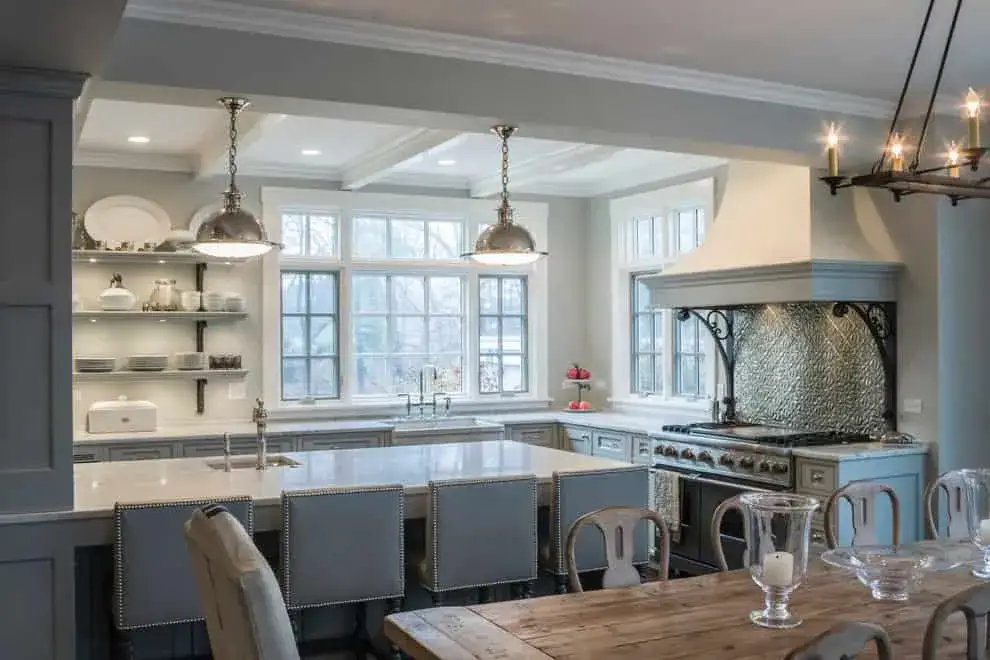
Conceal large modern appliances behind custom cabinet panels and house your ventilation insert within a sculpted plaster hood to maintain historic charm.
Creating an authentic Spanish aesthetic does not mean sacrificing modern culinary technology. The goal of a successful revival design is to conceal or soften intrusive high-tech surfaces so that the visual narrative remains focused on historic craftsmanship.
Integrating panel-ready refrigerators and dishwashers behind custom cabinet facades keeps large expanses of stainless steel from disrupting the kitchen’s warm, rustic palette. For cooking appliances, a commercial-style dual-fuel range finished in matte black, antique bronze, or deep porcelain enamel feels far more cohesive inside a masonry niche than standard brushed stainless steel. You can also tuck small countertop appliances, such as microwaves, espresso makers, and food processors, inside a dedicated pantry or behind a bi-fold wooden appliance garage.
Modern ventilation inserts fit cleanly inside custom plaster or timber-mantel hoods. Make sure to specify an appropriately sized duct and blower motor based on your range output, lining the hood cavity with non-combustible materials to meet local building codes while keeping modern mechanical components entirely out of sight.
Traditional Cookware, Display, and Authentic Styling
Once your foundational materials, cabinetry, and structural arches are complete, the final layer of styling should feel effortless, practical, and rooted in Mediterranean culinary daily life. In a genuine Spanish home, decorative objects serve functional roles rather than sitting idly as superficial stage props.
Cookware should be sturdy, timeless, and visible. Display heavy terracotta cazuelas, unglazed earthenware baking dishes, and carbon steel or cast iron paella pans on open shelving or hanging iron pot racks. Glazed ceramic pitchers, olive oil cruets, and wooden prep boards made from olive wood introduce sculptural beauty to the work surfaces while remaining ready for meal prep.
Complete the space by welcoming the natural landscape indoors:
- Living Botanicals: Plant culinary herbs like rosemary, thyme, and bay laurel in weathered terracotta pots along wide window sills.
- Fresh Fruit and Produce: Keep shallow woven wire baskets or hand-painted ceramic bowls filled with lemons, garlic bulbs, and vine tomatoes on the island.
- Woven Textures: Introduce natural jute floor runners in low-spill zones, linen tea towels draped over iron rails, and woven esparto grass baskets for holding firewood or linens.
Bringing the Spirit of the Spanish Cocina Home
Transforming a generic modern kitchen into an evocative Spanish Revival haven is an exercise in restraint and tactile authenticity. By focusing on foundational elements, such as genuine clay floor tiles, textured plaster surfaces, exposed wooden vigas, and soft masonry arches, you establish an architectural envelope that only improves with age.
Whether you are updating a coastal villa in Spain or infusing Mediterranean warmth into a suburban home, prioritize honest materials and functional craftsmanship over fleeting decor trends. Layer hand-forged iron hardware, artisan ceramic tiles, and natural cookware against warm cabinetry, and your kitchen will effortlessly become the inviting, soulful heart of the home you have always envisioned.
Original concept by Dakota Murphey.