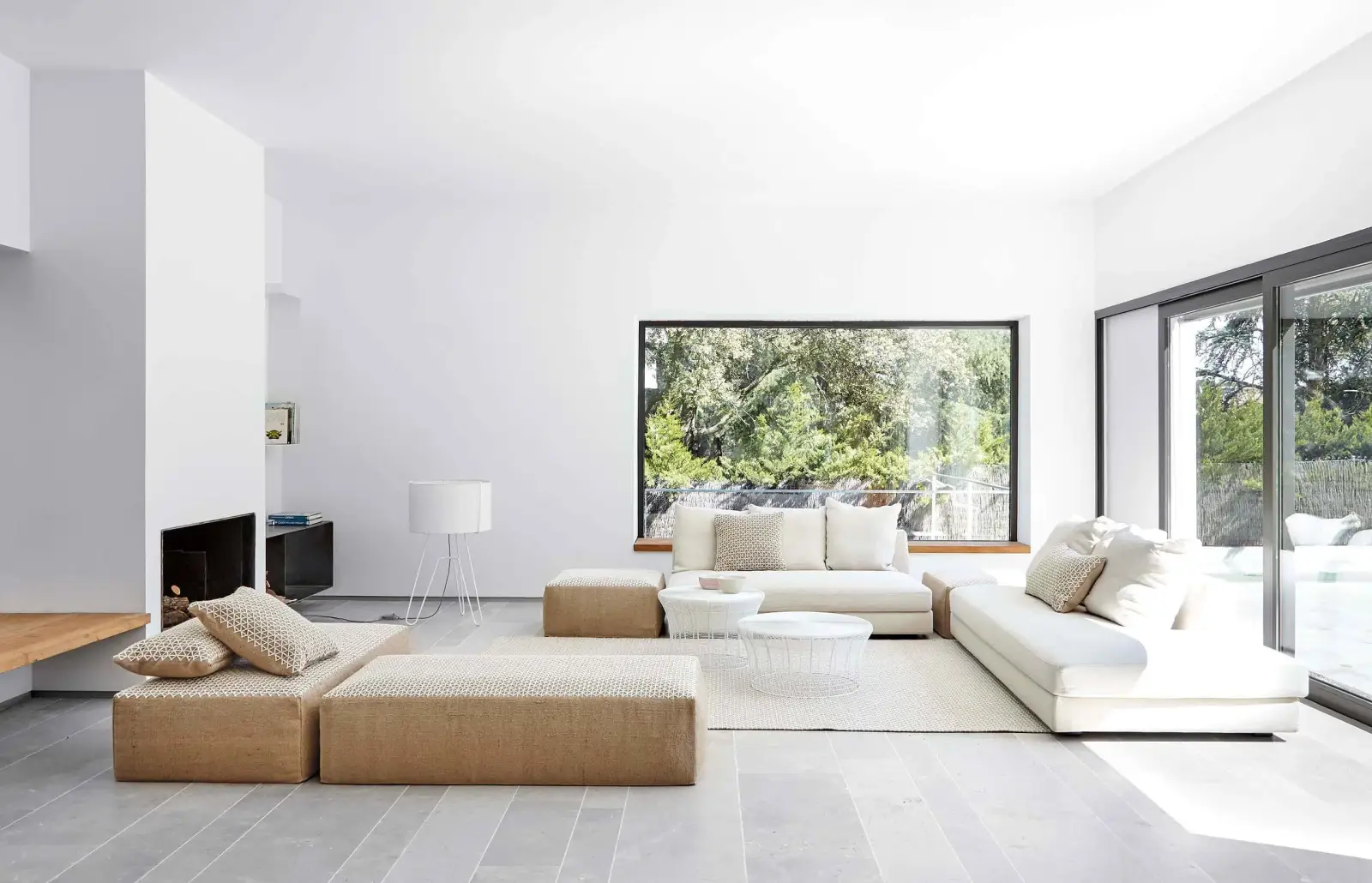
Innovative Ideas That Will Make Your Interiors Look Super Cool!
A well-designed room does more than capture compliments from visiting guests; it shapes how you feel, unwind, and move through your daily life. When personal spaces feel balanced, quiet, and intentional, they foster focus and provide genuine comfort. Whether you are refreshing a compact city apartment, remodeling a busy family home, or carving out a dedicated workspace, thoughtful design transforms ordinary square footage into an environment that inspires you every day.
In this guide, we explore practical interior design ideas that balance aesthetic refinement with real-world functionality. You will learn how to plan spatial layouts that breathe, establish cohesive color palettes, layer architectural lighting, tame room acoustics, and maximize hard-working storage zones like under-stair nooks. By combining foundational design principles with functional upgrades, you can curate a space that reflects your lifestyle while standing up to daily use.
Essential Design Takeaways
- Maintain 14 to 18 inches between your sofa and coffee table to preserve natural legroom and fluid circulation.
- Structure your room palette with 60 percent dominant wall color, 30 percent secondary upholstery, and 10 percent targeted accents.
- Layer ambient, task, and accent fixtures using warm 2700K to 3000K LED bulbs to establish welcoming depth.
- Control echo in open-concept layouts by integrating acoustic plaster finishes, fabric slipcovers, and properly scaled area rugs.
- Reclaim underutilized structural voids beneath staircases by installing custom pull-out drawers or a streamlined pocket workspace.
Modern Interior Design Ideas: A Practical Guide to Elevating Your Space
Mastering Proportion and Spatial Layout
Keep main walkways at 30 to 36 inches wide and pull seating slightly off walls to improve traffic flow and visual depth.
Before you purchase furniture or pick up a paintbrush, you must understand how your room moves and breathes. A successful layout prioritizes spatial flow, sightlines, and natural human clearance over cramming decorative pieces into corners. When we design a living area or bedroom, our primary objective is to create clear pathways that allow comfortable movement without awkward detours around heavy furniture.
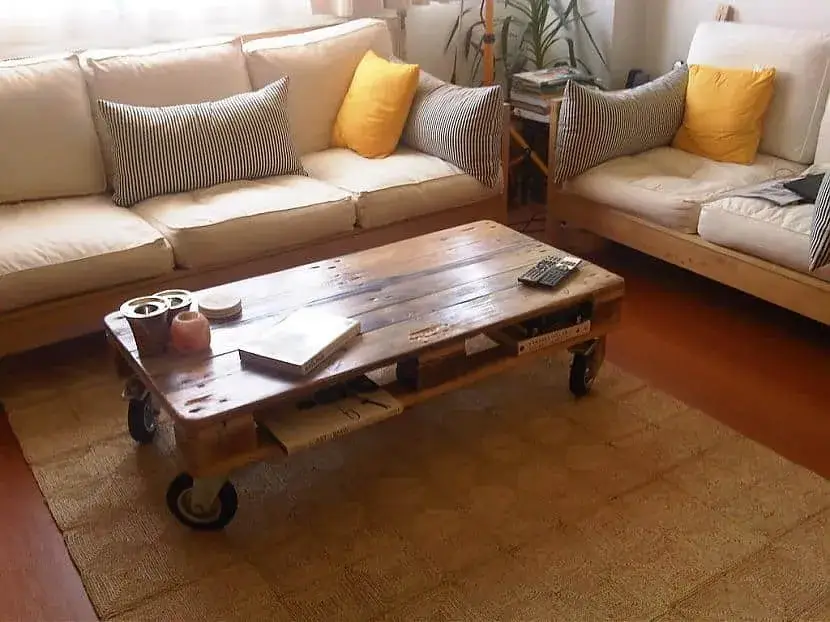
Effective furniture placement depends on standard architectural clearances. In living room design, always maintain at least 14 to 18 inches between your sofa and the coffee table. This distance keeps refreshments within arm’s reach while leaving enough room for your legs. Major walking corridors throughout a room should provide 30 to 36 inches of unobstructed width. In smaller rooms, pulling furniture a few inches away from the perimeter walls rather than pushing everything flush against the baseboards creates an optical illusion of greater depth and breathability.
| Functional Zone | Standard Clearance | Primary Design Benefit |
|---|---|---|
| Sofa to Coffee Table | 14 to 18 inches | Easy reach for drinks without blocking knee room |
| Main Walkway Corridors | 30 to 36 inches | Fluid circulation and barrier-free movement |
| Dining Chairs to Wall | 36 to 42 inches | Comfortable push-back clearance during meal service |
| Work Desk Knee Clearance | 24 to 28 inches | Ergonomic seating posture and leg flexibility |
Establishing Balance with the 60-30-10 Color Formula
Anchor your space with 60 percent neutral base tones, balance with 30 percent upholstery or cabinetry, and finish with 10 percent flexible decor accents.
Color sets the emotional temperature of any interior, yet committing to a cohesive scheme often intimidates even seasoned decorators. Applying the classic 60-30-10 rule gives you a foolproof structural formula for balancing color without visual chaos. This standard interior styling principle breaks your palette into three distinct proportions, creating visual rhythm across walls, upholstery, and accessories.
The dominant 60 percent forms the foundational canvas of your space, typically applied to walls, large area rugs, and dominant architectural elements. Soft neutrals, warm off-whites, greige, or muted plaster tones work exceptionally well here because they bounce natural light throughout the room. The secondary 30 percent provides contrast and depth, appearing on upholstery, window treatments, feature accent walls, or cabinetry. Finally, the remaining 10 percent represents your accent color, introduced through curated artwork, throw pillows, ceramic pieces, and small decor items. This targeted accent can be swapped out easily when seasonal mood shifts or new interior design trends catch your eye.
Crafting Depth Through Layered Lighting
Combine ambient, task, and accent lighting at varied heights while maintaining a consistent warm color temperature between 2700K and 3000K.
Even the most meticulously decorated room falls flat under the harsh glare of a single central ceiling fixture. A professional lighting scheme relies on three distinct layers: ambient, task, and accent illumination. When you integrate multiple light sources at varied heights, you gain the power to alter the room’s mood from bright task-focused daylight to intimate evening repose at the flick of a switch.
Ambient lighting serves as your baseline illumination, usually delivered through recessed ceiling downlights, flush-mounts, or pendant chandeliers. Task lighting directs focused light onto specific activities, such as reading lamps by the lounge chair, under-cabinet strips above kitchen counters, or adjustable task lights on your home desk. Finally, accent lighting highlights architectural features, textured wall panels, or framed art through picture lights, wall sconces, or uplights tucked behind plants. We recommend using LED bulbs with a warm color temperature between 2700K and 3000K across all fixtures to ensure a cohesive, inviting glow rather than an institutional blue-white tint.
Architectural Finishes and Acoustic Comfort
Visual appeal is only one half of an interior; the acoustic profile of a room dictates whether it feels restful or overwhelmingly noisy. In open-concept floor plans, modern apartments, and spaces dominated by hard stone or hardwood floors, sound waves bounce aggressively off flat surfaces. This creates unwanted echo and audio fatigue during dinner conversations or remote work calls.
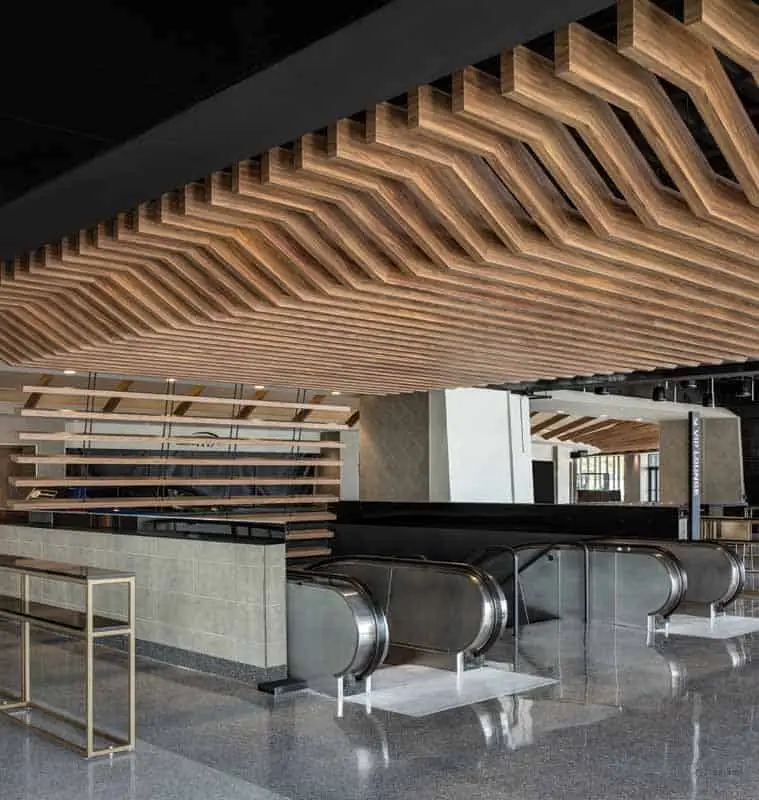
Upgrading your ceiling and wall surfaces with dedicated acoustic plaster systems solves noise issues while elevating visual elegance. Fade Ceilings, a brand within the Saint-Gobain Ecophon family, specializes in seamless acoustic plaster systems designed for interior ceilings and walls rather than conventional roofing materials. By absorbing airborne sound reflections, acoustic plaster keeps busy open-plan living areas, basements, home galleries, and commercial bars peaceful. Furthermore, quality acoustic installations offer sound absorption alongside improved thermal insulation and fire resistance. If you are handling quick surface renovations or minor ceiling defects, modular acoustic ceiling tiles provide a fast, flexible, and repair-friendly alternative that covers cosmetic blemishes without extensive structural work.
Tactile Material Mixing and Organic Textures
A monochromatic or neutral interior can easily look cold and sterile if it lacks varied surface textures. Layering diverse tactile materials creates warmth, sophistication, and visual interest without relying on loud patterns. When your eyes scan a room, changes in texture engage your senses and give furniture arrangements an inviting, lived-in character.
To achieve this balance, combine contrasting materials within every zone:
- Natural timber: Introduce white oak, walnut, or reclaimed wood through coffee tables, open shelving, or architectural battens to inject grounding organic warmth.
- Raw and polished stone: Incorporate honed limestone, travertine, or marble accessories to lend weight, cool tactile contrast, and timeless durability.
- Woven textiles: Layer bouclé, washed linen, velvet, and chunky wool knits across cushions, drapery, and seating to soften hard perimeter surfaces.
- Matte and patinated metals: Balance warm wood and soft fabrics with blackened steel, brushed brass, or oil-rubbed bronze lighting fixtures and cabinet pulls.
Functional Flooring Solutions and Surface Protection
Hardwood, polished marble, and ceramic floor tiles bring undeniable sophistication, but they are vulnerable to foot traffic, micro-scratches, and everyday stains. Cleaning heavy-traffic floors can quickly turn into a frustrating chore if you lack preventative defenses. High-performance mats and properly scaled area rugs protect your underlying flooring while providing essential vibration damping and underfoot comfort.
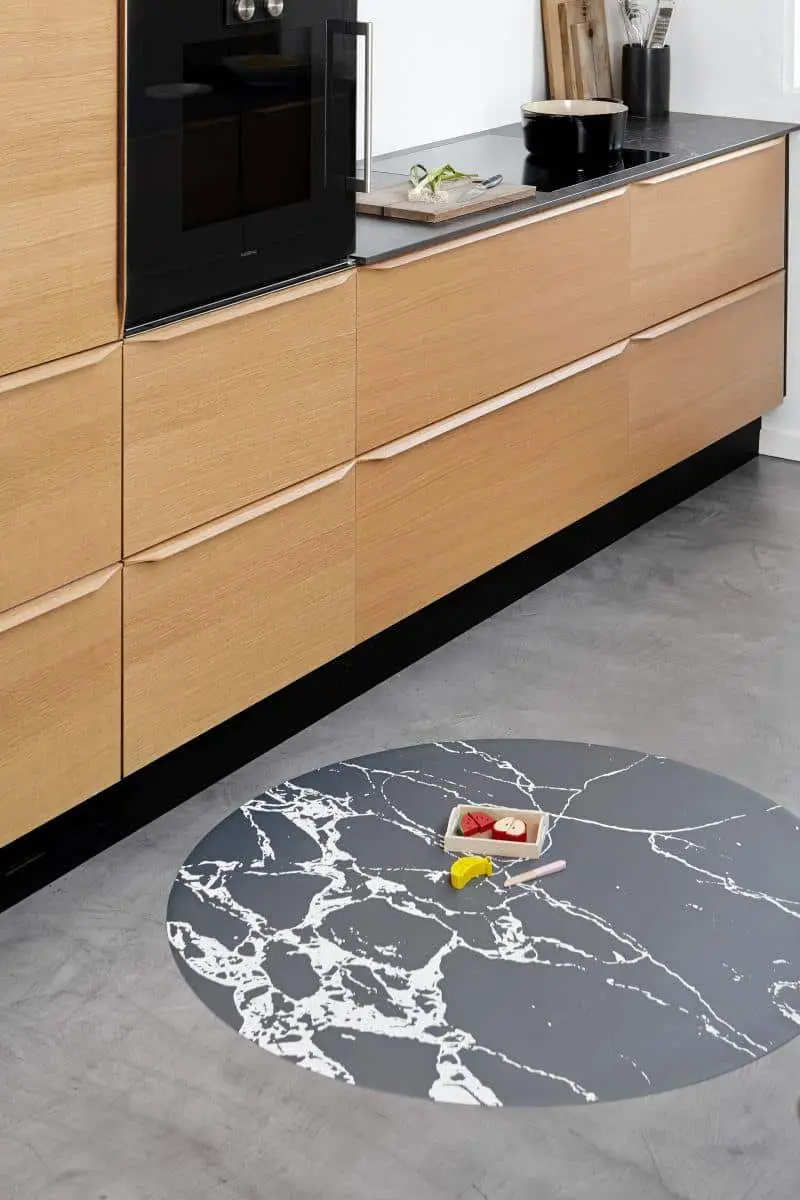
Modern stain-resistant and water-resistant protective mats prevent spills from penetrating porous stone or dislodging sealant on parquet. In home offices, placement of anti-shock, anti-fatigue floor mats under rolling desk chairs safeguards against abrasive wheel wear while softening floor vibrations. When styling larger rugs in the living room, always select a rug large enough for at least the front legs of your sofa and accent chairs to rest securely on top. A rug that floats in isolation between furniture pieces looks disconnected and visually shrinks the room.
Livable Luxury: The Value of Tailored Slipcovers
Homes are meant to be lived in, yet active households with children, pets, and entertaining schedules can quickly wear down fine upholstery. High-quality, custom-tailored slipcovers protect your furniture investments while giving you the freedom to refresh your decor effortlessly. Rather than replacing an entire seating set when styles change or stains occur, you can launder or swap slipcovers in minutes.
Slipcovers also serve as a unifying visual bridge. If you have inherited an antique armchair or acquired mismatched furniture pieces over time, dressing them in coordinated linen or cotton slipcovers creates an intentional, harmonious aesthetic. Choose machine-washable fabrics with stain-resistant coatings for high-use family rooms, and keep a backup set in a different tone to easily transition your room between light summer textures and cozy winter weights.
Small Space Interior Design: Multi-Purpose Staircases and Nooks
Modern floor plans often require every square foot to deliver double duty, particularly in townhomes and city apartments. Underutilized architectural dead zones, such as the triangular void beneath a staircase, can be transformed into hardworking custom storage or a compact home office. Neglecting these spaces wastes valuable volume that could otherwise keep clutter out of sight.
Consider these practical conversions for under-stair spaces:
- Integrated pull-out joinery: Commission an interior carpenter to build deep, push-to-open pull-out drawers for shoes, seasonal coats, luggage, or cleaning supplies.
- A dedicated pocket office: Fit a floating timber desk, ergonomic task lighting, and open floating bookshelves to establish an efficient work-from-home workstation.
- A cozy reading alcove: Install a custom built-in upholstered bench with hidden lift-up storage underneath, backed by a soft wall sconce.
- A climate-conscious beverage bar: Integrate a wine chiller, stemware shelving, and a small preparation counter for streamlined entertaining.
Embracing Biophilic Principles and Indoor Greenery
Biophilic design connects indoor spaces with the calming rhythms of the natural world. Bringing living plants into your home is not merely decorative; natural foliage purifies indoor air, softens harsh architectural lines, and introduces dynamic color that synthetic accents cannot replicate. Strategic placement of indoor plants bridges the boundary between built architecture and the outdoors.
Avoid scattering small, identical potted plants indiscriminately across every surface, which often creates visual clutter. Instead, select two or three substantial specimen plants, such as a fiddle-leaf fig, an olive tree, or a dramatic monstera, and house them in sculptural ceramic or terracotta planters. Group smaller plants in clusters of three, varying heights and leaf textures to build depth. Always verify your plant species’ specific natural light and humidity needs to ensure they thrive long term.
Curating Vignettes and Meaningful Focal Points
A common pitfall in home decor is filling every empty shelf, console, and tabletop with mass-produced tchotchkes. Curating intentional vignettes around clear architectural focal points makes your interior feel collected and personal rather than crowded. A focal point can be an existing structural element, such as a fireplace mantel or floor-to-ceiling window, or an intentional anchor like a large piece of art or an expansive bookcase.
When styling coffee tables, credenzas, or console tops, rely on the interior design “rule of threes.” Arrange objects of differing heights and textures, such as a tall brass candlestick, a low ceramic bowl, and a stack of substantial hardcover design books topped with a stone sculpture. Leave generous negative space around each grouping. This visual pause allows the eye to rest and highlights the individual beauty of each chosen object.
Conclusion: Designing a Cohesive, Inspiring Home
Creating an exceptional interior does not require gut renovations or an overwhelming budget. By mastering spatial flow, balancing colors with the 60-30-10 rule, layering warm lighting, and dampening ambient noise with acoustic wall and ceiling solutions, you create an environment that feels both sophisticated and deeply restorative. Great interior design is an evolving reflection of how you live, combining durable everyday materials with mindful, intentional styling. Take time to implement changes gradually, prioritize comfort and functionality alongside visual harmony, and enjoy the process of turning your house into a truly inspiring home.