Designing Interactive Sessions in Separate Rooms: Best Practices and Strategies
Breakout sessions have become an essential part of various events and meetings, including virtual meetings and conferences, as well as seminars. These focused sessions allow participants to collaborate, discuss ideas, and tackle specific topics in small groups, promoting a higher level of engagement and interaction. To ensure the success of breakout sessions, careful planning and organization of these spaces are crucial. In this article, we will explore best practices and strategies for creating engaging breakout sessions that align with the overall event goals and foster active participation.
1. Understanding the Purpose of Breakout Sessions
Defining Breakout Sessions
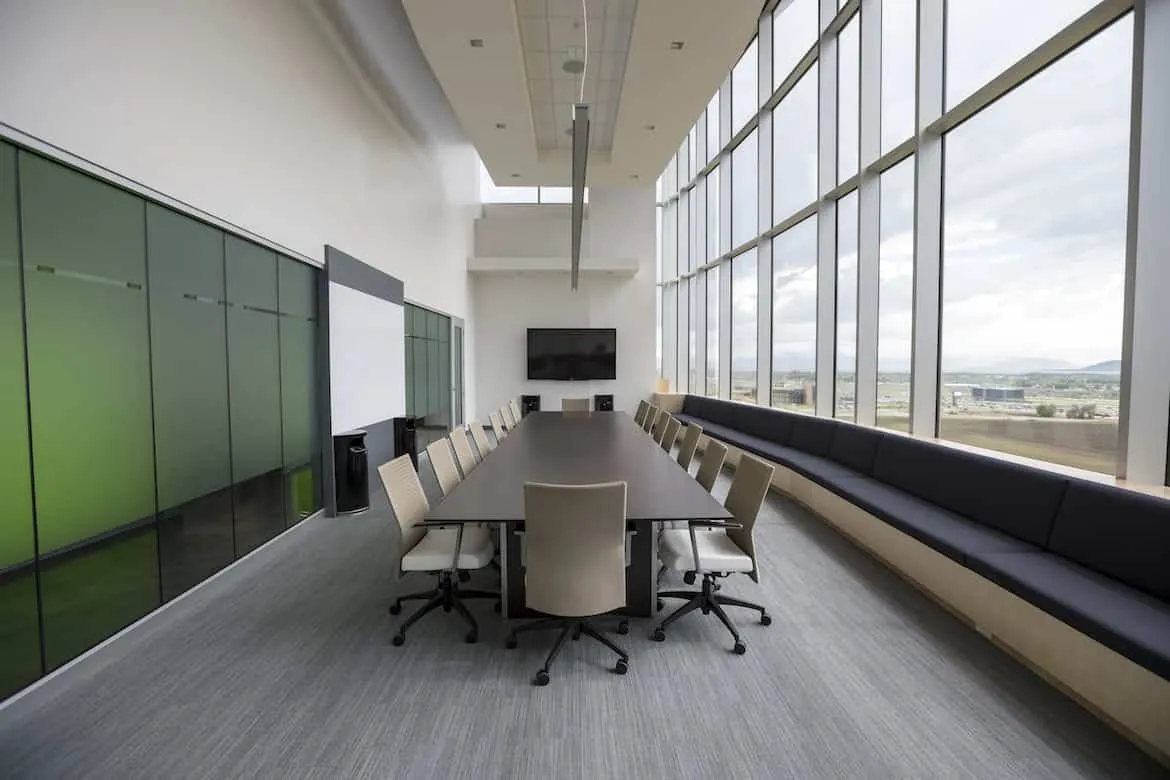
Breakout sessions involve dividing a large group into smaller subgroups to facilitate more personalized discussions and task-solving. These sessions are particularly valuable when participants can meaningfully engage in conversations while working in small groups.
Importance Across Different Contexts
Breakout sessions are used in virtual meetings, conferences, and seminars, allowing participants to interact more effectively, share ideas, and collaborate despite physical distance.
Setting Goals and Objectives
Alignment with Event Goals
Breakout sessions should be designed with clear objectives that support the overall goals of the event or session. Whether it's idea generation, team-building exercises, or problem-solving activities, each session should align with the main event program.
Creating Engaging Activities in Breakout Rooms
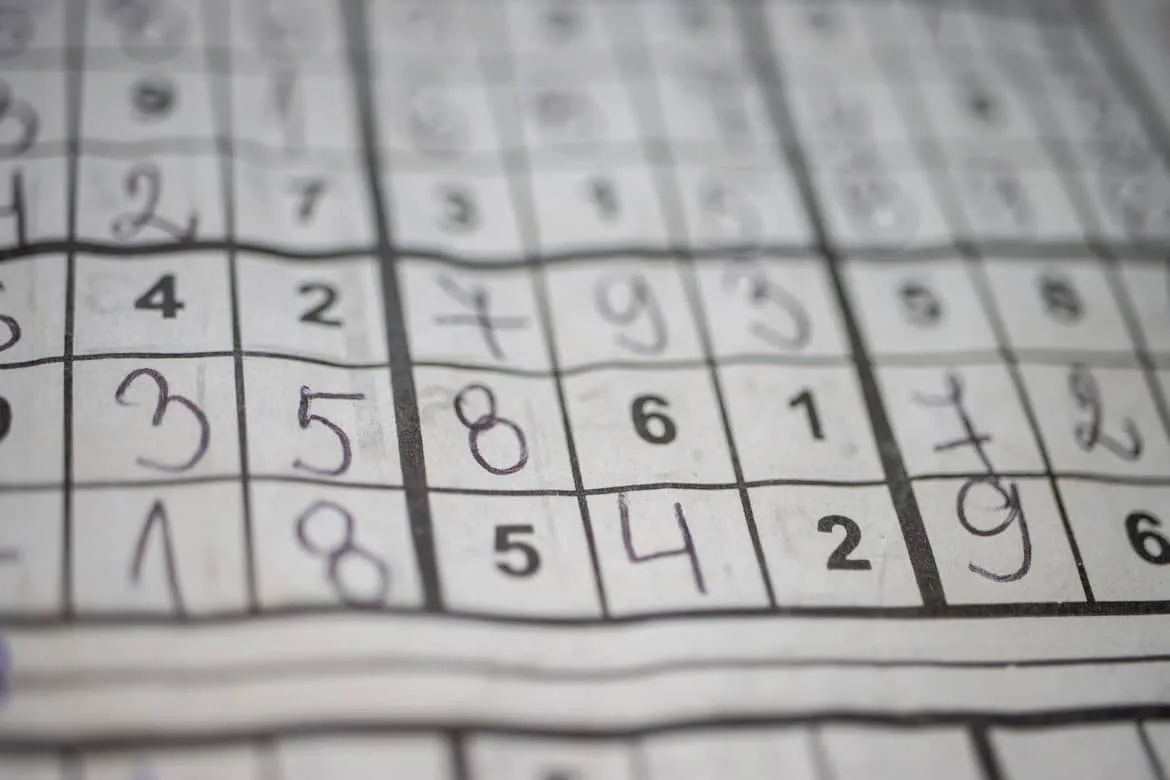
One effective way to create engaging activities in breakout rooms is by developing creative and interactive tasks such as crosswords, Sudoku, and board games that capture participants' attention and sustain their motivation throughout the session. These activities should be carefully selected to encourage collaboration, problem-solving, communication, and critical thinking among participants, fostering a sense of teamwork and active involvement. Moderators can prepare answers or find solutions to crosswords on NY Crossword Today, which is convenient for participants to dive into an engaging challenge. Additionally, incorporating icebreakers can play a crucial role in creating a positive and comfortable atmosphere within breakout rooms, helping participants relax, open up, and connect with each other more easily. Thoughtfully designed activities help moderators ensure that participants make the most of their breakout sessions and achieve meaningful educational outcomes.
3. Leveraging Technology and Tools
Seamless Technological Integration
Ensure breakout rooms are equipped with reliable communication and collaboration tools. Video conferencing, real-time document sharing, and virtual whiteboards enhance the overall experience, making it easier for participants.
The Importance of Interior Design in Breakout Rooms:
Space Planning
Effective space planning is essential for creating breakout rooms that comfortably accommodate the planned number of participants. When allocating space, consider group size, number of groups, and required equipment.
Color Psychology and Ambiance
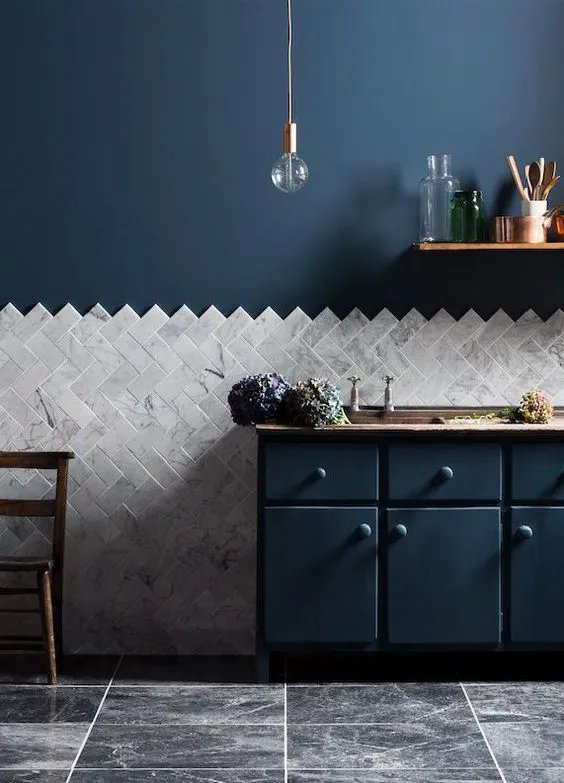
Colors have a deep impact on mood and behavior. Choose a color scheme that supports creativity, communication, and focus. According to 99designs, warm colors like red, orange, and yellow are generally associated with feelings of joy, optimism, energy, and passion. Yellow sunlight can lift the mood, while red roses may evoke romantic feelings.
Furniture and Seating Arrangements
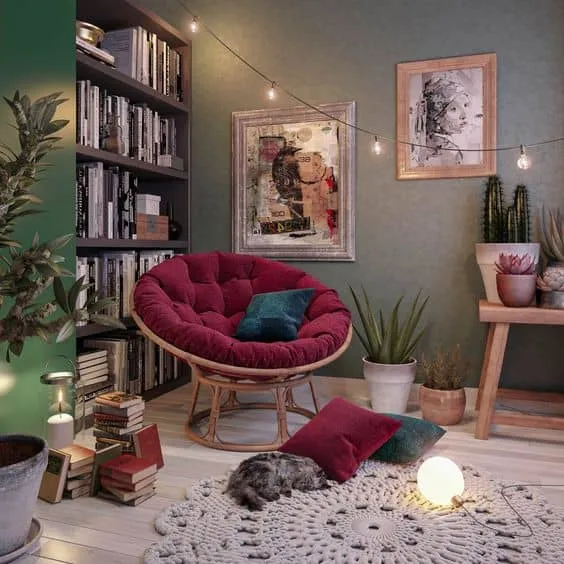
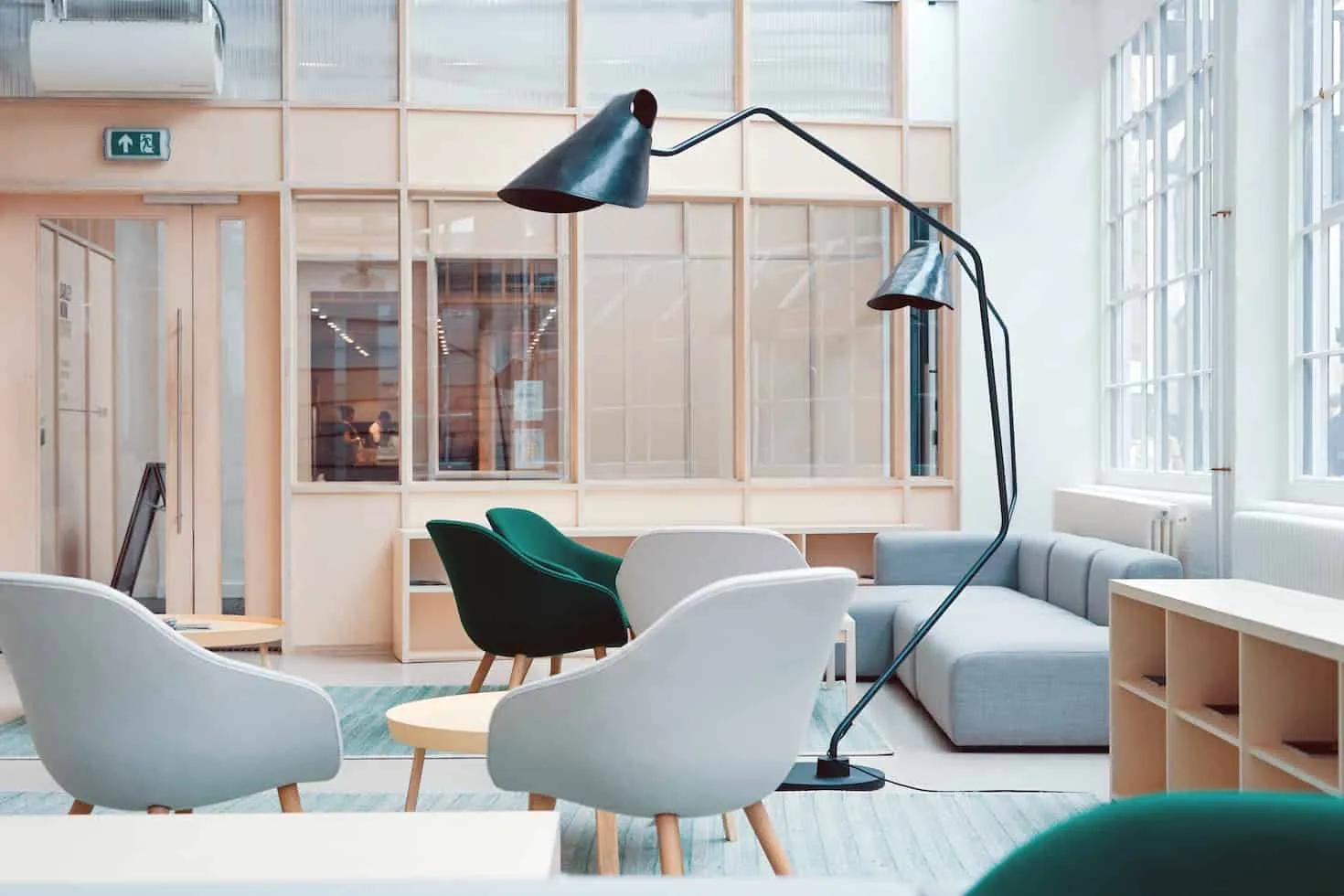
Choose versatile furniture that allows for flexible seating arrangements depending on the type of discussion. Modular and adaptable furniture enables participants to reconfigure space as needed, promoting dynamic interaction.
Lighting and Atmosphere
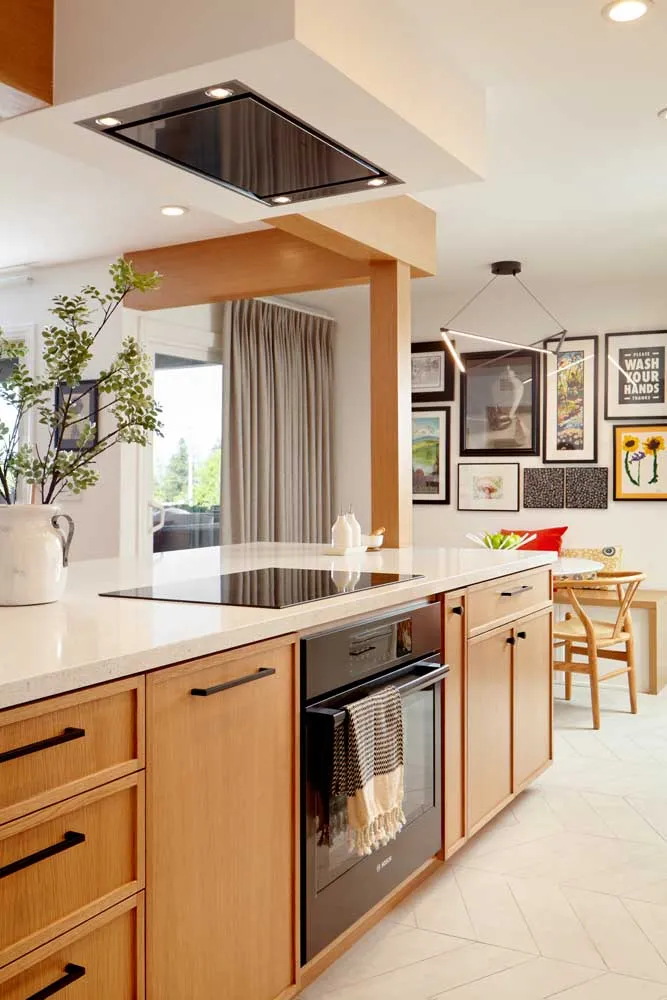
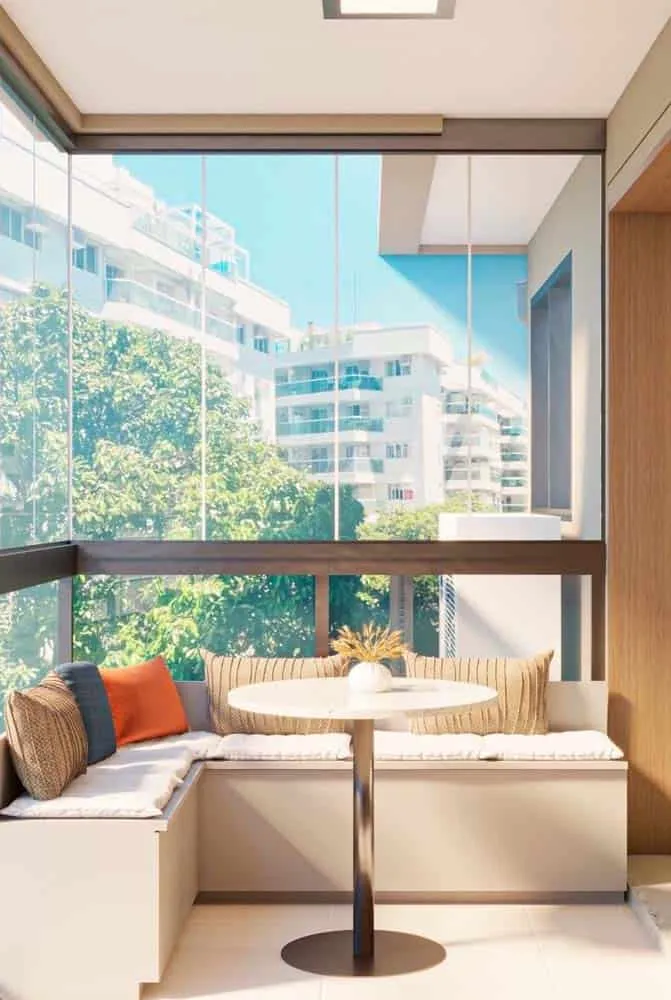
Arch Daily emphasizes the fundamental role of light in architecture, which provides visibility. It is important that spaces are adequately illuminated with both natural and artificial light to allow people to perform daily tasks safely and efficiently. Proper lighting plays a key role in creating the right atmosphere for breakout rooms. Natural light can invigorate space, while adjustable artificial lighting helps create the appropriate ambiance for various activities.
Acoustics and Sound Absorption
To ensure confidentiality and minimize distractions, consider soundproofing breakout rooms or using acoustic panels. Good acoustics improve communication and allow participants to focus on discussions without interference.
4. Inclusive and Accessible Design
Accessibility Features
Design breakout rooms with accessibility in mind to meet the needs of participants with diverse requirements. Ensure accessible entrances for wheelchair users, adjustable furniture, and clear pathways for easy movement.
Inclusive Design
Create inclusivity by designing breakout rooms that accommodate different learning styles and communication preferences. Provide visual cues, consider seating options, and encourage digital collaboration for those who find it more accessible.
5. Aesthetics and Branding
Reflecting Brand Identity
Incorporate elements of your organization's branding into breakout rooms. This helps participants feel connected to the event identity and reinforces the overall theme.
Aesthetics and Ambiance
Choose décor and aesthetic elements that align with the event's purpose. Consider including inspiring art or motivational quotes consistent with the discussions.
6. Multi-functional and Flexible Spaces
Verticality in Design
Design breakout rooms to serve multiple functions. Flexible design allows space to adapt to various types of activities, ensuring maximum utilization throughout the event.
Green Design and Sustainable Development:
Eco-friendly Solutions
Implement sustainable practices in breakout room design. Use energy-efficient lighting, recycle materials, and integrate eco-friendly elements to reduce environmental impact.
Technology Integration:
Seamless Technological Experience
Stay updated on the latest technology trends to ensure a smooth and uninterrupted tech experience. This includes reliable internet connectivity, up-to-date software, and user-friendly interfaces for all participants.
Conclusion
Designing engaging breakout sessions requires careful planning and consideration of participant needs and event objectives. By integrating interior design principles, leveraging technology, and ensuring inclusivity and sustainability, breakout rooms can become dynamic spaces that facilitate productive discussions and meaningful interactions. Implementing these best practices and strategies leads to successful breakout sessions and enhances the overall event experience.