Children's Bed: Metal or Wooden, Single or Double-Deck?
Considering these constraints, as well as the variety of materials and forms of children's furniture, parents face a difficult choice. Before making a decision, it is important to understand what types of children's beds are available.
Metal Children's Bed
When hearing the word "metal," one might imagine an unattractive piece of furniture, cold and unwelcoming. However, modern metal children's beds are far from this impression. Depending on the design, two main types can be distinguished:
- Cast iron bed with curved elements;
- Metal bed in a modern style.
The first type is highly decorative and blends perfectly into classic and ethnic interior styles. Such a bed suits any child's room, but is especially well-suited for a girl's bedroom in Provence, shabby chic, Scandinavian, or other romantic and vintage styles. Decorative cast iron beds are usually made in white, black, bronze, or gold tones, though any other color combination is also possible.
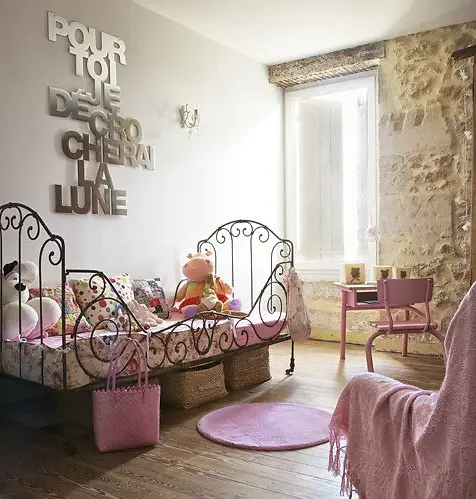
Photo 1 — Cast iron bed in a Provence-style child's bedroom
Modern metal children's beds can also be made in colors characteristic of metal or painted in any rainbow shade. Minimalist designs of such beds serve as an excellent aid for any child's room decoration direction. While the first type can be considered more feminine, the second is better suited for boys, though it's all quite relative.
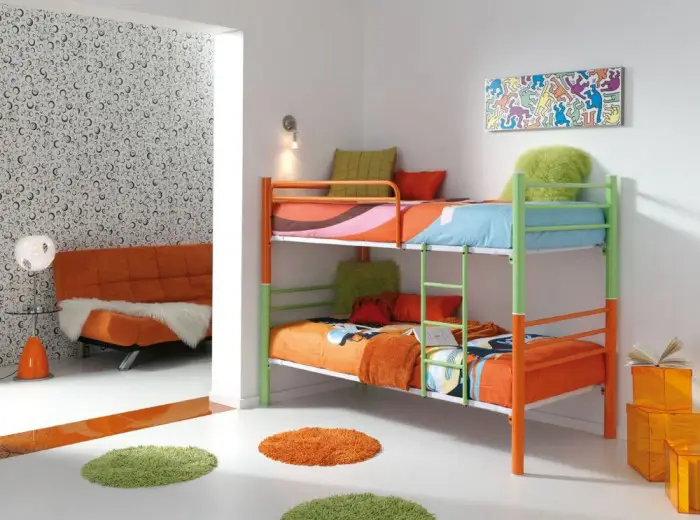
Photo 2 — Colorful metal children's bed "Domovenok" from domestic production
Children's beds made of natural wood are an ideal choice for both children and adults.
Many variants of children's beds and headboards are made partially from wood and partially from particle board, while some are fully made of plywood. Some models are so well-crafted to imitate wood that it's hard to distinguish what they're actually made of. These beds have their advantages, but for children, it's better to use as natural materials as possible. A wooden bed is especially important for children aged 0 to 3 years. Depending on the material and appearance, several types of wooden beds can be identified:
- made from processed or unprocessed wood;
- in classical, vintage, modern, or other design styles.
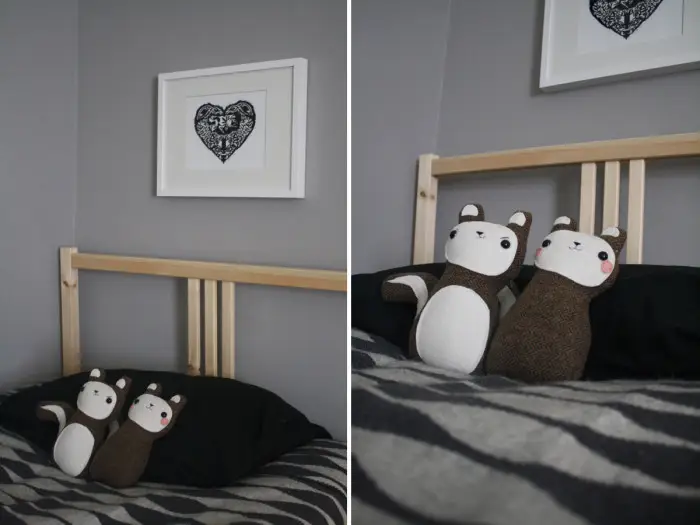
Photo 3 — Minimalist pine children's bed Fjällräven from IKEA
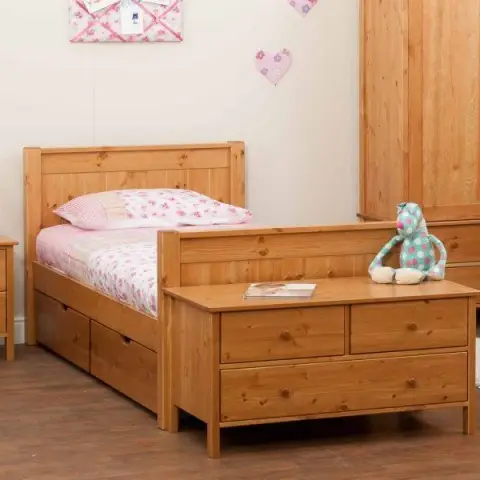
Photo 4 — Classical wooden children's bed
Double-Deck Children's Bed
In terms of design, among many options for children's beds, the double-deck bed stands out as a quality solution. It is an excellent option for small children's rooms, even if not intended for multiple children. This type of furniture includes:
- standard double-deck beds;
- double-deck beds that transform into two separate beds;
- double-deck beds with an additional sleeping space;
- double-deck beds in the form of lofts.
A bed-transformer is useful because it can later turn into two separate beds for teenagers.
Photo 5. Double-deck children's bed-transformer "Scotland," manufactured in Ukraine
A double-deck bed can include a pull-out third bed. If not included by default but there is a need and space for the lower bed, an additional pull-out sleeping area can be purchased separately. This option, for example, exists in IKEA's catalog collections.
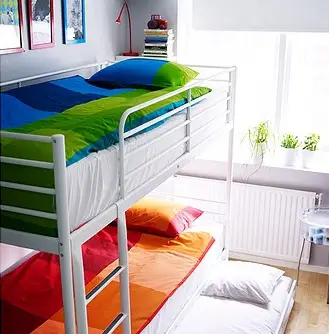
Photo 6 — Double-deck bed with a separate pull-out part from IKEA's range
Loft beds are one of the most compact types of furniture that can accommodate an additional bed or several key zones in the space where only one bed would normally fit.
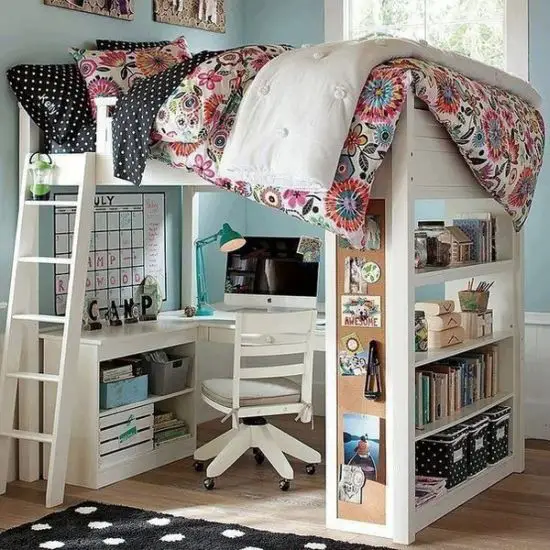
Photo 7 — Teenage loft bed combining sleeping and working zones
Integrated Children's Beds
Another functional solution for small children's rooms is integrated children's beds. These can be built into any structure or furniture. This can include a bed for which space is provided in a solid child's wall, or a folding wardrobed bed, a chest-of-drawers bed, a sofa bed, a table bed, and so on. Additionally, one of the practical design tricks is beds hidden in platforms or niches.

Photo 8 — Built-in bed in a child's furniture wall near the window
When choosing a children's bed, it is preferable to opt for natural materials, select the highest quality frame and mattress, and maintain a balance between functionality and aesthetics.