Bed Sizes: Standards and Options
To determine this, you first need to know what bed sizes exist.

Photo 1 — Cast iron single bed Genziana (Italy), size 124x104x200 cm, price 585 euros
Why is size the first thing to choose? There are at least three answers to this question:
- First, the bed must fit into the designated space. If the bedroom is spacious, this does not matter much, but if it is small, every centimeter becomes important;
- Second, it would be sad to buy a bed and only after delivery realize that the head and feet bump into the sides, and elbows hang off the edges during sleep. A guess-based choice here will not work;
- Third, it would be even sadder to buy a mattress that does not fit the frame size.
To avoid embarrassing misunderstandings that can lead to additional costs, you need to determine what space the bed can occupy, take into account the height of the person who will sleep on it (plus 20-30 cm of extra room), and consider your sleeping habits. For those who are used to frequently changing their sleep position, sleeping on their side, etc., a larger bed is needed.
To determine the minimum width of the bed, add 20-30 cm to the width of your most frequently occupied sleep position. The next step is to understand the sizes of bed frames and mattresses.
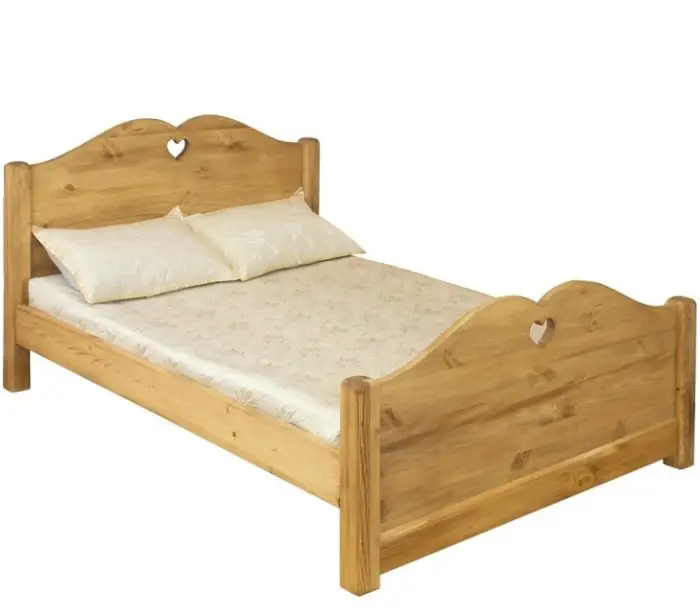
Photo 2 — Queen Size bed LCOEUR 140 LIT COEUR 140 from the manufacturer Magic Pine, sleeping space size 140 x 200 cm, price 9840 rubles
Standard Bed Sizes. Bedroom Bed
Before discussing standard bed sizes, a few important points should be mentioned.
- There are two different measurement systems used by bed manufacturers – the imperial and the metric. European countries use the metric system, while the United States, Great Britain, Australia, and some other countries use the imperial system.
- There are several standard types of bed sizes used in most countries, such as single, double, king, and super king beds. However, even in countries that use one measurement system, these standards can differ.
- When referring to standard bed sizes, it is understood that these refer to mattress sizes (!). It should be noted that the size of the frame itself will usually be slightly larger than the sleeping area (typically about 10 cm more). Non-standard models, such as platform beds, can have significantly larger base sizes. Therefore, when planning how much space the bed will occupy, its design should be taken into account.

Photo 3 — Platform bed Anabel 5 made in Ukraine, sleeping space 160x200 cm, dimensions 170x210 cm, price 15905 rubles
European Mattress Sizes for Beds
As mentioned earlier, European manufacturers measure the sleeping area in meters and centimeters. Each furniture company may have its own range of bed sizes. European sizes usually have a step of 10 cm, sometimes 5 or less.
The standard European bed length is 200 cm, although sizes of 210 cm and more are also found.
The typical width of a single bed is 90-100 cm (obviously, variations in either direction are possible), and the standard sizes for double beds are 140-200 cm.
Queen-size beds do not have an official standard: essentially, they are double beds with the minimum width (140-160 cm).
Most European factories produce beds in lengths of 180, 190, and 200 cm. The standard range of bed widths available in their arsenal includes: 80 and 90 cm (single), 120 and 140 cm (queen), and 160, 180, and 200 cm (double).
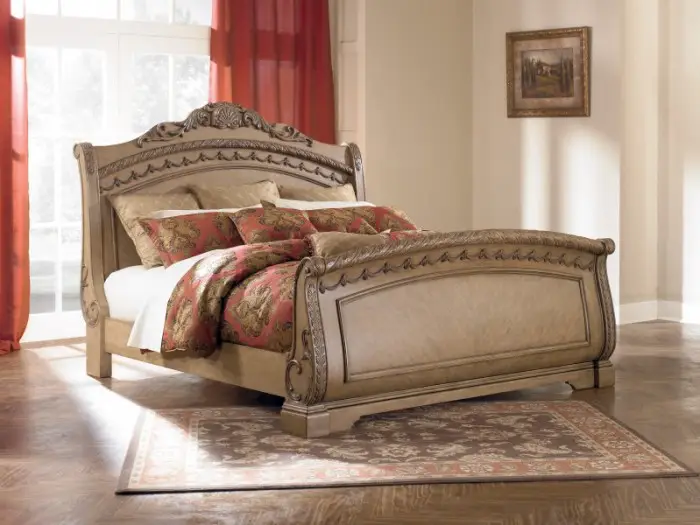
Photo 4 — Double bed SouthCoast from the American manufacturer Ashley, QueenSize 152.4x203.2 cm, price 105400 rubles
Imperial Bed Sizes
Manufacturers who use inches and feet for measuring sleeping areas also produce mattresses and beds of similar European sizes. The problem is that when converting these units into centimeters, fractional numbers result. That is, mattresses and frames produced by companies that use the imperial system and those using the metric system do not match.
Moreover, standard names also differ. For example, what is considered a regular double bed in the United States is the minimum size of a double bed in Europe, i.e. a “Queen” in common terms. The standard size of a double bed in Europe is considered the King size in the United States. A single bed that is only 3 cm longer than the European standard is called “Extra Long” in America.
Tip: It is preferable to buy the bed and mattress from the same manufacturer or at least from the same country of origin. If you choose furniture made in the United States, do not rely only on the standard name: for example, as mentioned above, a Double (Full) bed of English standards, also called a regular double bed, has a width less than 140 cm and a length of approximately 190 cm when converted to familiar units.

Photo 5 — Double bed LitHasenaCoast-LineIvio made in Switzerland, available in non-standard dimensions 200 x 200 cm, price from 66350 rubles
Non-Standard Bed Sizes
Larger beds are mostly not produced by furniture factories in standard production runs, except for limited editions. Given that the standard bed length is 200 centimeters and a comfortable sleep requires the bed to be several tens of centimeters longer than the person's height, people with a height over two meters will need to order a bed. However, it is not always necessary, as many models with lengths up to 230 centimeters are found in European and American catalogs.
Non-standard sizes are not necessarily extremely large length or width. They also include beds of various shapes, different from rectangular. It should not be forgotten that a bed with custom dimensions requires a custom-sized mattress.
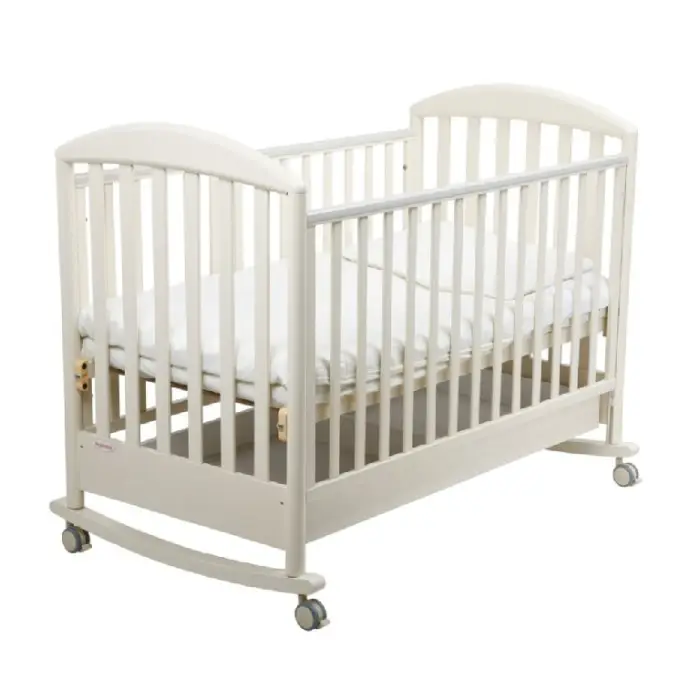
Photo 6 — Baby crib Papaloni Giovanni (Russia) made of beech wood, size 120 x 60 cm, price 8700 rubles
Standard Bed Sizes. Children's Bed
- A baby bed for a child aged 0 to 3 years usually has dimensions of 120x60 cm.
- The standard size for a child’s bed aged 3 to 7 years is 140x70 cm.
- For a child aged 7 and older, you can buy a full-size teenager bed with dimensions of 190x90 cm or slightly less.
The step in the length and width of children's bed sizes can vary. However, when choosing a bed for your child, parents should always plan for sufficient extra space. Children grow quickly, so many fathers and mothers prefer to buy beds with a little extra room, including convertible models that combine a baby crib and teenager bed.
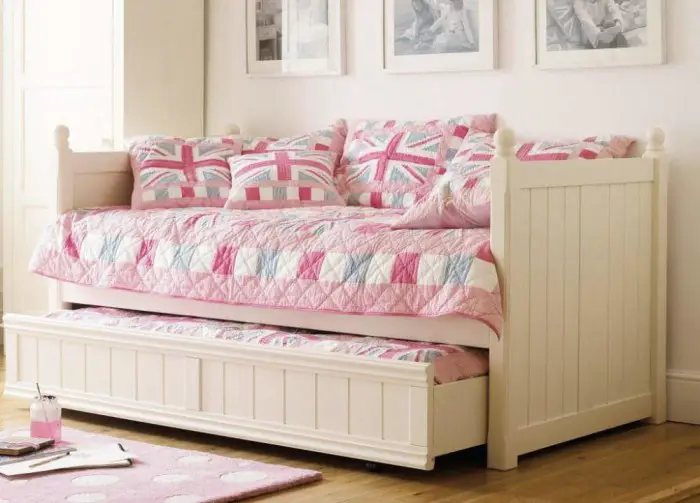
Photo 7 — Teenager bed-tahta Bambi made by Ukrainian manufacturer Chaswood, size 90x190 cm, price 14850 rubles
There are many factors that affect the choice of bed size. Photos, prices, sizes, and descriptions of beds can be found in furniture store catalogs. In detailed catalogs, you may find several photos of the same model, prices in multiple currencies, indication of sizes not only for the sleeping area but also for the entire bed and its height and headboard height.
Sometimes the size is indicated in two units of measurement: centimeters and inches. If the size is only indicated in inches, it’s worth converting it to centimeters for better understanding of what the sizes of the beds in question are. Photos, prices, and sizes used in this article will help visualize what lies behind the numbers.