Moisture-Resistant Gypsum Board: Types, Characteristics, and Applications
General Information
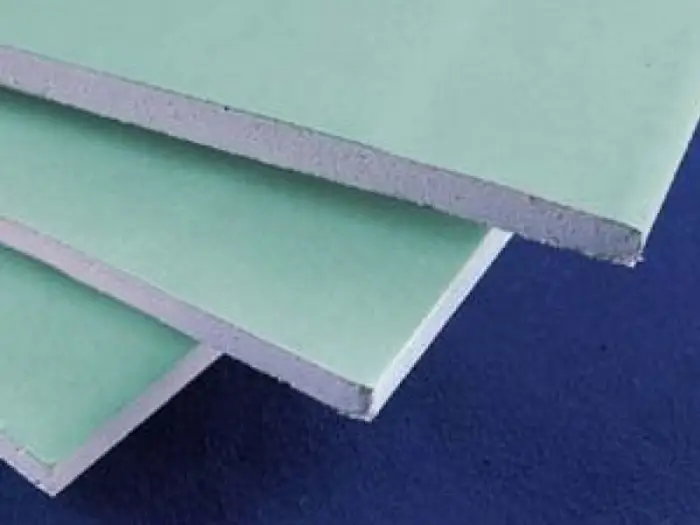
Photo 1 — Moisture-resistant gypsum board is a material with green-colored cardboard facing (marking - GKLV)
According to GOST 6266-97, the GKLV sheet belongs to one of four types of gypsum board.
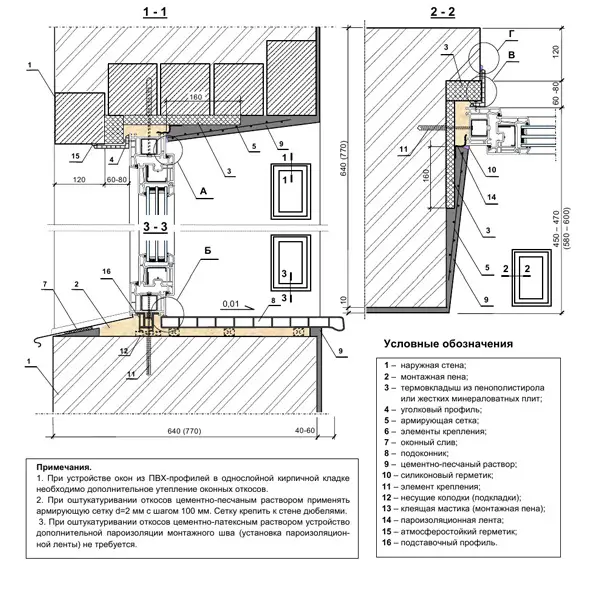
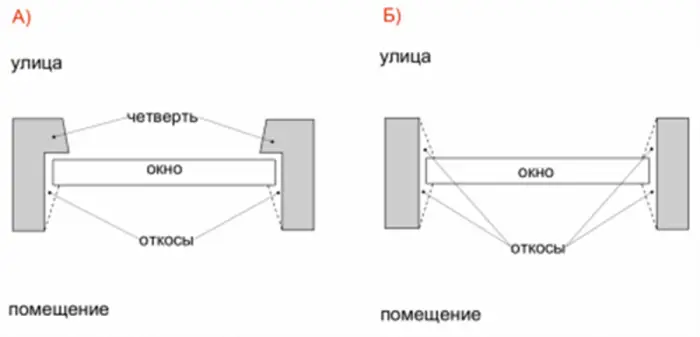
Moisture-resistant gypsum board must contain hydrophobic and fungicidal additives, which give this material the necessary properties for work in humid environments. GKLV can be used for wall cladding (wall GKLV), as well as ceiling cladding (moisture-resistant ceiling gypsum board) in kitchens, bathrooms, and toilets. It can also be used as a base for floors (a special type - flooring sheets) and for window frame cladding. The material color, according to internationally accepted marking standards, is green.
IMPORTANT! The water-repellent properties of gypsum board, in addition to hydrophobic and fungicidal additives, also depend on the special impregnated cardboard. However, when leveling surfaces in rooms with consistently high humidity levels or steam, GKLV should be additionally coated with paint or covered with tiles. Moisture-resistant gypsum board for a bathroom, for example, will not last long without these measures.
When choosing gypsum board, several criteria should be considered
- firstly, the type and location of work;
- secondly, accordingly to the first point, select the thickness and length of GKLV, consider the weight of the fastening structure and gypsum board sheets, type of sheet edge (important for finishing work with gypsum board - skim coating of joints, determines which side to mount the sheet to the frame and so forth);
- it is also important to consider customer reviews - buy products from trade brands recommended by most consumers;
- and finally, take into account the cost of the material if your budget is limited.
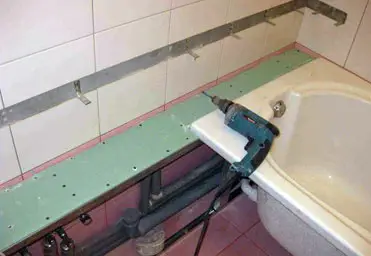
Photo 2 — Installation of GKLV in a bathroom
Moisture-Resistant Gypsum Board: Dimensions
Moisture-resistant gypsum board is predominantly 9 to 12.5 mm thick. For ceiling work in rooms with normal humidity levels (for example, on a kitchen), 9-millimeter sheets can be used to reduce the overall weight of the structure. However, in construction practice, it is common to use 12 mm (12.5 mm) sheets. This thickness will allow you to build a truly strong structure, reliably protected from moisture.
Considering that the standard sheet of gypsum board must have a rectangular shape, here are the most common market sizes of GKLV:
- sheet length - from 2,000 to 4,000 mm;
- sheet width - from 600 to 1,200 mm;
- sheet thickness - from 9.0 to 12.5 mm.
IMPORTANT! Using sheets thinner than 9 mm for wall leveling or constructing suspended ceilings, partitions from moisture-resistant gypsum board is not economical. For example, thin arched gypsum board with a thickness of 6 mm does not have the necessary water resistance.
Regarding length, it is better to choose a gypsum board sheet so that it covers the entire height of the wall (if partial or shaped cladding is not planned by design).
The sheet width should be 1,200 mm. A small-format sheet of gypsum board can also be found in sales, but its purchase is justified only in exceptional cases - a sheet of the required format can be obtained from any full-size GKLV, which reduces monetary costs (the standard sheet of gypsum board can be cut or broken to the desired length/width).
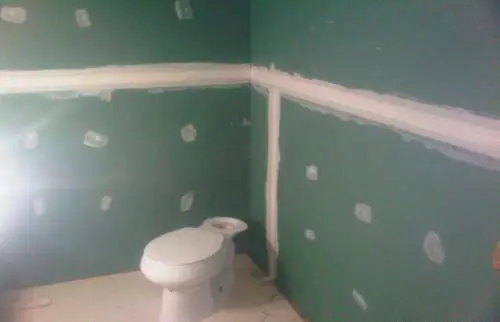
Photo 3 — Installation of GKLV in a toilet
Moisture-Resistant Gypsum Board KNAUF
Let's get acquainted with GKLV in more detail using the example of KNAUF manufacturer's products.
KNAUF sheet (moisture-resistant) is a construction and finishing material for wall cladding, building internal partitions, suspended ceilings, and can also be used when manufacturing decorative and sound-absorbing structures in rooms with elevated humidity levels.
GKLV of this brand is produced with popular edge types such as PLUK (semi-circular thin) - the most technologically advanced edges among all varieties.
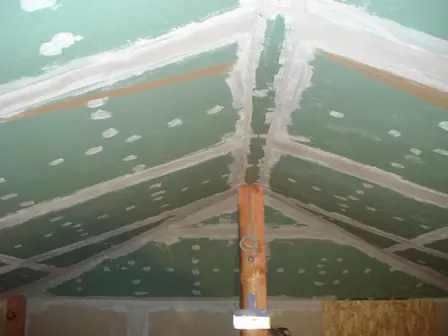
Photo 4 — Installation of GKLV. Cladding of attic space
Application of GKLV
Installation of this type of gypsum board is possible as a material for constructing lightweight internal partitions, suspended ceilings, wall cladding, and also when passive fire protection installation is required for various structures in rooms with high humidity.
IMPORTANT! Installation of exhaust ventilation or air conditioning matching the parameters of the room is mandatory! Additionally, the face side of the sheet should be treated with an additional protective material - waterproofing, water-resistant primers, paint, or ceramic tiles.
If you're choosing between moisture-resistant and regular gypsum board (for example, for a kitchen), note that the price difference between GKL and GKLV is not so significant, and with frequent use of the room, it's better to choose moisture-resistant sheets (the price difference is generally no more than $2.5).
IMPORTANT! There are several methods to make gypsum board moisture-resistant. For example, passing the cardboard sheets with a needle roller without strong pressure, and then coating the sheets with special water-repelling primer. However, the time and cost spent on preparing the sheets and priming them, as well as purchasing the primer, exceed the cost of buying GKLV.
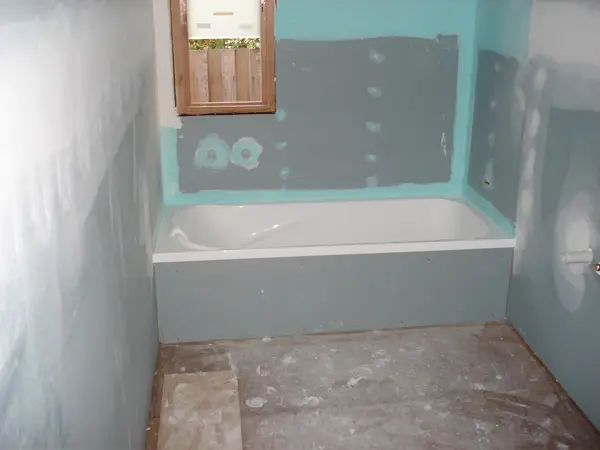
Photo 5 — GKLV for external wall insulation in a bathroom
Technical Characteristics
- Cardboard color - green.
- Marking color - blue.
- Edge type - PLUK (semi-circular thin edge).
- Main dimensions, mm - 2,500/1,200/12.5.
- Weight of GKLV KNAUF (2,500/1,200/12.5 mm, 3 m²) - 29 kg.
Fire Safety Certificate
GKLV KNAUF is classified into groups:
- G 1 (flammability group according to GOST 30244);
- B 2 (flame spread according to GOST 30402);
- D 1 (smoke generation capability according to GOST 12.1.044);
- T 1 (toxicity according to GOST 12.1.044).
Nominal Geometric Dimensions of GKLV KNAUF
- length - from 2,000 to 4,000 mm (with a step of 50);
- width - from 600 to 1,200 mm;
- for a length of 2,000 mm, sheets are produced with thicknesses of 6.5; 8; 9.5 mm;
- for a length up to 4,000 mm, sheets are produced with thicknesses of 12.5; 14; 16 mm;
- with a step of 50, sheets are produced with thicknesses of 18; 20; 24 mm.
Cost of Moisture-Resistant Gypsum Board: Price per Sheet in Leroy Merlin
You can buy moisture-resistant KNAUF gypsum board in Moscow starting at 349 rubles/3 m² (2,500/1,200/12.5 mm), in Kiev - starting at 74 hryvnia/3 m² (2,500/1,200/12.5 mm).
Cost of Gypsum Board Sheets from Other Brands
- Lafarge (1,200/2,500/9.5 mm) - $8.3/sheet;
- Rigips (1,200/2,500/12.5 mm) - $9.1/sheet;
- VOIMA (1,200/2,500/12.5 mm) - $9.6/sheet.