Parquet Board Laying: Capabilities and Requirements of Modern Technologies
Technology of laying parquet board: preparation
Photo 2 — Laying parquet board by yourself
Laying parquet board by yourself or with professionals demands high requirements for the base: such brands as Kahrs or Tarkett, for example, believe that floor surface irregularities should not exceed 2 mm per meter or 3 mm per two meters.
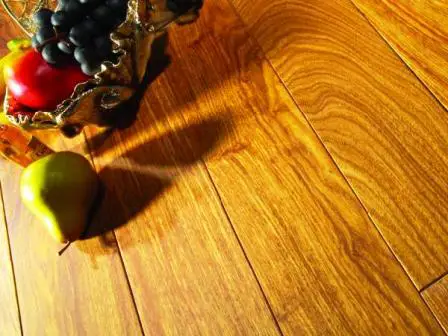
Photo 1 — Parquet board has long gained more popularity than traditional parquet
Technology of laying parquet board: preparation
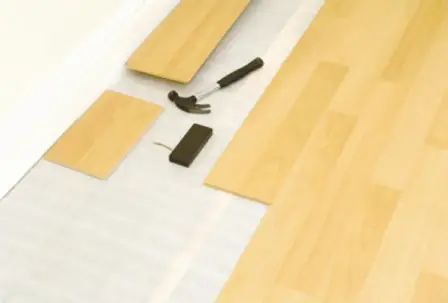
Photo 2 — Laying parquet board by yourself
Laying parquet board by yourself or with professionals demands high requirements for the base: such brands as Kahrs or Tarkett, for example, believe that floor surface irregularities should not exceed 2 mm per meter or 3 mm per two meters. Other manufacturers may have less strict requirements.
In different cases, laying the underlayment under the boards has its own specifics and depends on preliminary work for base preparation. So, if proper laying is performed:
- on joists: this method is usually applied in wooden rooms where at least hydro- and thermal insulation is used;
- on linoleum: the linoleum performs several functions at once, but if the floor surface is sufficiently flat and the linoleum must be glued tightly;
- on screed: that is, on concrete or dry fill floor; in this case, a polyethylene waterproofing layer is needed and sound insulation from cork or polyethylene foam may be required;
- on wooden floor: the floor must be repaired beforehand, and the direction of parquet boards should be perpendicular to the boards of the underlying floor;
- on plywood: OSB (>1.9 cm) or moisture-resistant plywood (>1.2 cm); regardless of the chosen material, it is necessary to leave thermal gaps, and the sheet shape should be more "square" — the sheets are cut along the short edge;
- on a warm floor: in this case, the boards are laid with adhesive that must never be water-based; additionally, it is not recommended to lay parquet boards over an electric warm floor system as the heating process occurs too quickly.
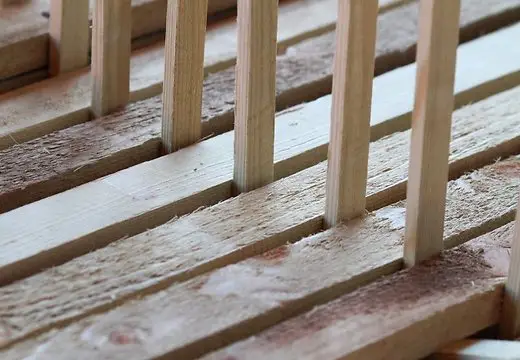
Photo 3 — Process of laying parquet board
Laying parquet board: visualization technology
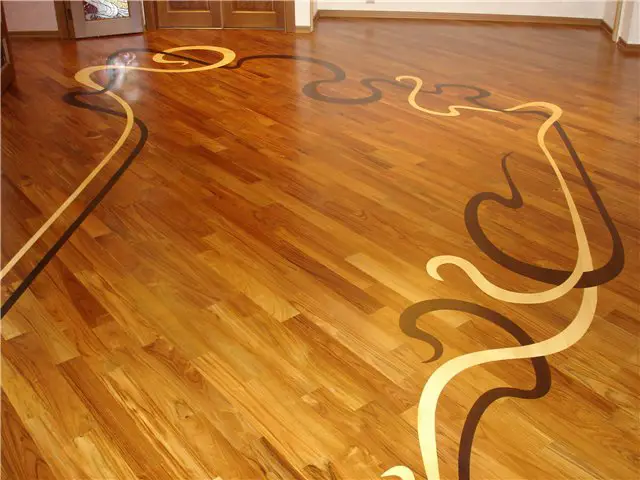
Photo 4 — Example of visualization of parquet board laying
Any professional laying depends on the conditions of the room, which also affects how the boards are laid.
The general rule is that boards must be laid along the direction of light falling into the room – windows, doors, maximum-minimum lighting, etc. This order makes floor joints less noticeable. However, first, such a method is not always acceptable (e.g., due to the direction of old floor boards), and second, it does not meet the customer's preferences (e.g., the customer is an advanced designer).
Based on these additional requirements, different laying rules and effects created by them are distinguished:
- diagonal laying — laying boards diagonally can draw attention to a particular area or feature of the room;
- deck laying — used when boards of different widths are applied;
- cross-laying — used when it is necessary to visually expand a narrow room or narrow part of the room.
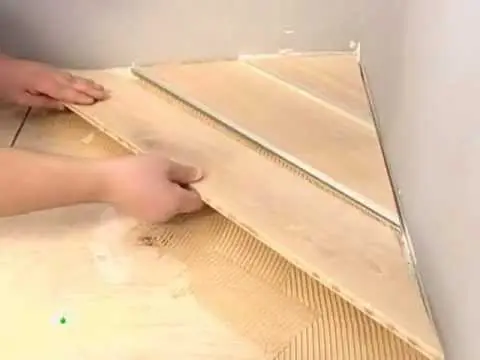
Photo 5 — Process of diagonal laying parquet board
An additional requirement for creating a masterpiece is the same temperature in the room and boards: without opening the packaging, boards must be kept in the room for about two days; only then will the pattern, direction, and other details remain preserved after laying for a long time. In general, during work, the indoor temperature should be around 20°C, and the relative humidity of the air should not exceed 60-70%.
Laying parquet board: instructions from small tricks
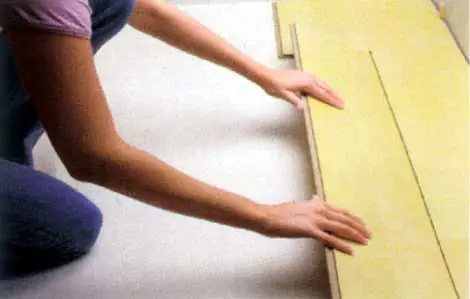
Photo 6 — Process of deck laying parquet board
Regardless of which laying scheme was chosen, it is necessary to follow a whole set of guidelines:
- unpacking boards must be done right before use, as the hygroscopic structure of multi-layer boards should not accumulate a large amount of moisture before they take their final form;
- start laying boards from the deeper wall, as this reduces the number of misalignments significantly;
- if there are serious wall irregularities where the laying ends, it is necessary to cut boards shorter, i.e. make them narrower, located at the wall where the laying started;
- the offset between boards of adjacent rows should be 50 cm or more to increase the strength of connections between neighboring boards;
- when laying on a concrete base of any composition, polyethylene film must be used as a waterproofing material; the film should be laid in an overlap of 20 cm, and the joints must be glued with adhesive tape;
- to speed up the laying process, each subsequent row of boards is assembled next to it; the joints of unfastened boards can be temporarily secured with scraps;
- the general direction of laying should proceed from left to right – considering the specifics of board fastening; such a direction is very favorable for floating laying;
- deformation or thermal gaps must always be left along the room walls; their size can vary from half a centimeter to one and a half centimeters, which should ensure compensation for size changes of boards due to temperature and humidity fluctuations inside the room. The same rule should apply to any underlayment, for example, when plywood was laid under the parquet floor;
- adhesive application can be single- or double-sided; the first option is used in residential spaces, while the second is used in public areas where a large number of visitors are expected;
- the installation of door frames must take into account the general requirements for gaps left between boards; it should be remembered that you can cut the bottom part of the door frame, not just the parquet boards laid near the doors;
- the final installation of baseboards must also consider requirements regarding thermal size fluctuations of boards – they should not be tightly fastened to the parquet boards;
- it should be remembered that each parquet board manufacturer provides technology for replacing one or more boards, and it is important to know this throughout the floor's service life;
- usually, all multi-layer boards come with a coating already applied, but for greater preservation, an additional layer can be applied, which must be made of fully compatible lacquer.
Methods of laying parquet board
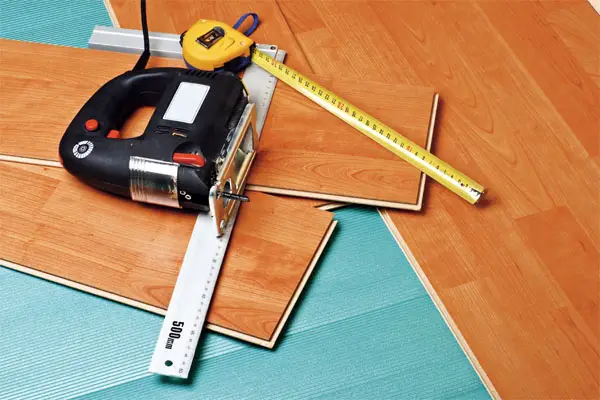
Photo 7 — Typical set for laying parquet board
A typical set for laying depends on the specifics of the performed work, but it must include the following tools:
Despite the variety of offers, only two laying methods are distinguished, each with its own merits and drawbacks:
"Floating" methodAdvantages:
Disadvantages:
Adhesive
Advantages:
Disadvantages:
In addition, it should be noted that each manufacturer may stipulate additional requirements for laying and using their parquet board.
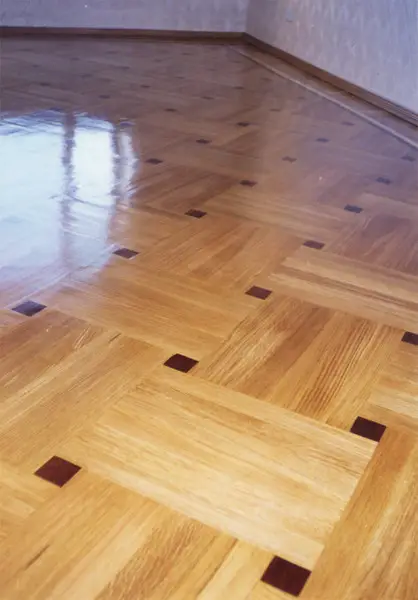
Photo 8 — Final result of laying parquet board
$ Laying parquet board: price
Any master laying parquet board will confirm that the laying method, direction of parquet on the floor, and a number of additional works (e.g., installing baseboards) all affect the cost of laying parquet board. Based on this, before choosing a specialist or company providing these services, it is advisable to find out how much each type of work costs individually to have a full picture of the composition of future activities.
Average rates for laying:
- in Kyiv, they amount to 40-80 UAH per sq. m,
- in Moscow – 300-1500 rubles per sq. m.
You can try to identify something that can be done by yourself, but it is advisable to plan the possibility of having it done professionally.
Probably, anyone interested in this type of floor covering will want to see how laying parquet board by oneself looks.
But, since everything is known through comparison, laying parquet board by people who do this constantly will show the difference in work methods and quality of work at every stage of laying.