Types of Floor Coverings. Technology and Methods of Laying Solid Wood Plank
Technology of laying solid plank
The technology of laying solid plank parquet is largely, even in details, similar to laying parquet, with only one difference that the speed of coverage under equal conditions is much higher than that of individual parquet. In addition, larger dimensions of solid plank increase its service life, but humidity limitations for the room and subfloor are the same. Photo 2 — Option of laying solid plank on joists
There are simple recommendations for laying solid (another name for solid parquet plank), the first of which states that it is necessary to check the subfloor for moisture when laying on concrete.
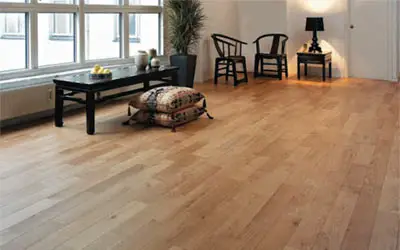
Photo 1 — Laying solid parquet plank looks most impressive
Technology of laying solid plank
The technology of laying solid plank parquet is largely, even in details, similar to laying parquet, with only one difference that the speed of coverage under equal conditions is much higher than that of individual parquet. In addition, larger dimensions of solid plank increase its service life, but humidity limitations for the room and subfloor are the same.
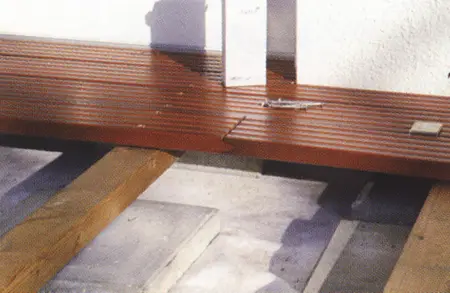
Photo 2 — Option of laying solid plank on joists
There are simple recommendations for laying solid (another name for solid parquet plank), the first of which states that it is necessary to check the subfloor for moisture when laying on concrete. For this purpose, it is necessary to cover a small area of the concrete subfloor with a piece of polyethylene or rubber mat for about one square meter for a day.
After the specified time, check that area and if it has darkened due to moisture, then the subfloor requires additional drying — laying parquet plank, solid or engineered plank is impossible, as any wood-based covering will be spoiled by moisture in a short time.
For the same reason, laying solid parquet on any combination of materials and technologies on a warm floor is not possible: rapid temperature fluctuations will not allow the wood to respond normally to changes, and its structure will begin to deteriorate soon.
The technological process of laying floor from solid plank includes the following steps and requirements:
Sanding the floor surface if necessary, provided that all finishing work is already completed.
The temperature and humidity in the room should be close to normal, that is, to the values that will be in the future. The plank itself should be stored in the room for about 2 days to equalize its temperature with the air temperature in the room.
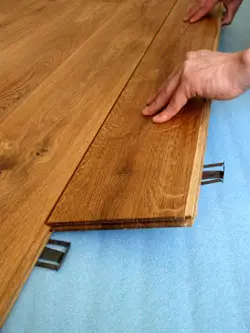
Photo 3 — Each subsequent row is laid behind the already laid row
Laying is usually done on plywood, the sheets of which are cut into equal 4 parts and laid on the screed. Gaps between plywood sheets should be less than 5 mm, and the gap between the wall and plywood should be larger (5-15 mm).
In case of laying on joists, it is recommended to use insulation placed under the plywood on the screed.
If direction and pattern are chosen, the first row is laid and adjusted without gluing but with the necessary technological gap between the wall, door frames, etc. This is necessary to achieve an accurate contour and to smear the base under the first row with glue.
On the glued area, we lay the selected planks and additionally secure each plank with screws at intervals of 30-40 cm.
Each subsequent row or several rows are laid at a certain distance from each other and sequentially placed behind the already laid row.
It is not a secret that every craftsman has their own secrets and professional laying has its own 'handwriting', but the general scheme of laying will hardly differ significantly from generally accepted practices. In addition, there are also rules from manufacturers that must not be ignored.
Methods of laying solid plank
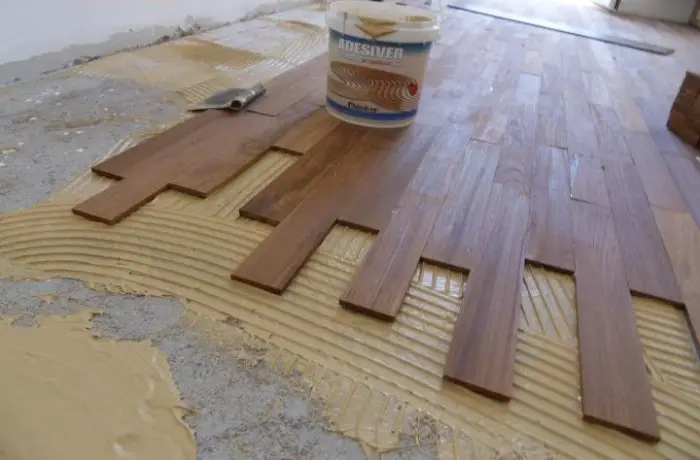
Photo 4 — Glue method of laying solid plank
Different names can be found for the various methods of laying solid on plywood or joists, but in the overwhelming majority of cases it refers to either diagonal laying or straight deck pattern. In the first case, the plank is laid at an arbitrary angle to the walls of the room, which is good when it's necessary to highlight some element of interior design, while in the second case, the direction of the planks matches the direction of light entering the room.
In the latter case, it is possible to achieve a visual effect such that the floor will resemble a mirror surface — joints will be naturally hidden.
Often, solely at the client's wish, solid parquet can be laid in a pattern, but in this case, economy of this method should be forgotten, plus the room must be large enough for the pattern to be visible.
There are also different methods of laying based on the type of plank attachment:
- floating method: in this case, the plank is not glued to the base but uses grooves and slots on the sides of the plank; although in this case, screw fastening is highly recommended;
- glue method: that is, in addition to the plank being laid like regular parquet and clamped with screws, it also "settles" on glue; at present, self-adhesive underlayment can be used, which also serves as a waterproofing material.
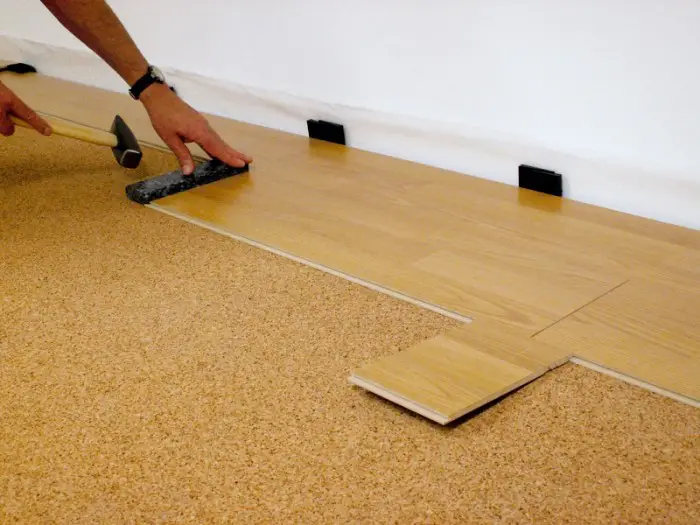
Photo 5 — Floating method of laying solid plank
Each of the listed methods has its drawbacks: glued plank usually does not have area limitations, whereas floating planks always have limitations in terms of area and load, for example, they are not used in public buildings with a large number of visitors.
Laying floor plank
It is hard for an untrained eye to notice the difference between solid wood parquet and regular floor plank: neither in video nor by hand is it possible to "feel" a large number of differences. However, the laying technology, as in the case with solid wood, is the same – either on joists or on plywood. All methods of laying floor plank are economical, as well as the materials from which planks are made – they are cheaper than the wood species used in parquet production. That is why prices are noticeably lower than those for parquet.
Laying tongue-and-groove plank
One can also encounter the term tongue-and-groove plank, which may refer to either a regular floor plank, but it can also mean standard plywood or nearly exotic wood-polymer composite. Any video showing the general laying technology can suggest how to work with this material.
Laying decking plank
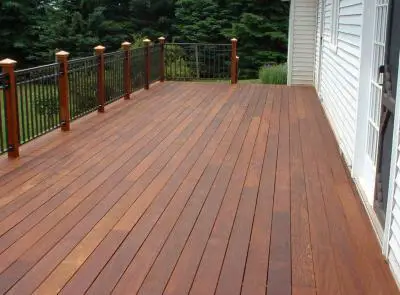
Photo 6 — Example of laying decking plank
Its other name – decking – also speaks for itself: the plank is used outside living spaces and often in humid places. Therefore, its price is higher, and the laying technology (terrace, gazebo, children's playground, balcony, dock, etc.) is more complex due to the use of wood-polymer composite and special structures.
Installing individual parquet
The classic of floor covering combines traditional laying methods and modern achievements. The laying technology is already quite universal (see above), and it is also easy to do the laying by yourself – there are many video materials that detail how to do it.
$ How much can it cost
Prices for laying one square meter of solid plank have maximum values in capitals:
On the periphery, the price may be significantly lower, but in any place, details and specifics of any floor covering introduce adjustments to the cost and work composition. Therefore, it is always necessary to clarify the entire list of required works, the list of necessary materials and only then negotiate a price that will be without "surprises".