Gypsum Board Spackle - An Essential Step in GKL Work
One of the most important questions in finishing work with gypsum board is what spackle to use, which spackle is better and how to apply it. However, there is one important step between installing gypsum board and spackling - priming. The answer to the question "is it necessary to prime" is clear - yes. Thus, the choice of primer comes before choosing spackle.
What to Spackle
One of the most important questions in finishing work with gypsum board is what spackle to use, which spackle is better and how to apply it. However, there is one important step between installing gypsum board and spackling - priming.
The answer to the question "is it necessary to prime" is clear - yes. Thus, the choice of primer comes before choosing spackle. But primer should be chosen depending on the material applied over it. Therefore, it is advisable to choose spackle in combination with primer (as recommended by manufacturers of these materials).
The next question arises: if it is necessary to ensure the strength of spackle, can one use facade mix for spackling? Specialists unanimously do not recommend such a "move" due to harmful emissions from such spackles, which may affect the health of residents.
Regarding the choice: dry mix or ready-made mixture, for DIY spackling, a ready-made mixture is considered more convenient, although the most popular are dry mixes.
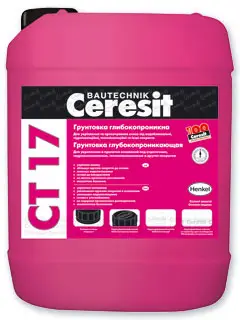
Photo 1 — Universal Ceresit ST 17 Primer
The most popular spackles and primers are from Knauf and Ceresit. Among Knauf products designed specifically for gypsum board, there is universal primer Tiffengrund (its consumption is up to 100 ml/m²), which does not require dilution.
Knauf Putzgrund is also suitable for such work, its purpose is to use on gypsum board and other surfaces under decorative plastering. Universal primer from Ceresit - ST 17.
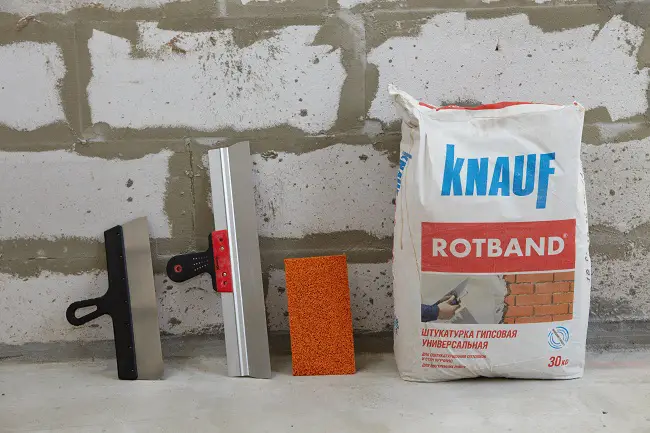
Knauf spackles can meet any needs for gypsum board finishing.
Knauf Fugenfüller is used during work on leveling and filling joints between gypsum board, concrete walls or ceilings.
Knauf UniFlot is intended for spackling all surfaces of Knauf boards, filling joints, large scratches and mounting points. In some cases, this spackle can be applied without reinforcing mesh or tape, but it is correspondingly more expensive.
Knauf Multi Finish is used for leveling uneven bases and spackling gypsum board surfaces for painting, wallpapering or applying decorative plaster.
The technology of work - how to apply primer and spackle - is indicated in instructions. Each product has its own characteristics, for example, primer may or may not be diluted, different mixes have different drying times, and application methods also have nuances. Therefore, preparation for spackling GKL should begin with studying the instructions.
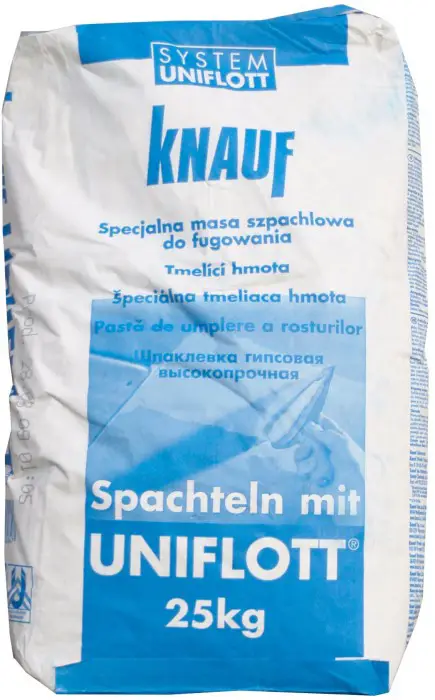
Photo 2 — Universal Gypsum Spackle UniFlot Knauf
Ceiling Spackling and Wall Spackling from Gypsum Board
Ceiling spackling and wall spackling from gypsum board follow the same sequence and method. First, joints, seams and corners are spackled, then recesses of mounting points are filled.
How to properly spackle joints and corners should be considered in more detail.
Spackling Gypsum Board Joints
Firstly, what to spackle: spackling of gypsum board joints is definitely not done with finishing mix. Spackles of the Fugenfüller and UniFlot types can be used for filling joints. The covering layer can be applied with the same universal spackle or finishing mix.
Secondly, the surface must be properly prepared: on cut edges of gypsum board sheets there should be bevels - chamfers to increase the spackle coverage area. The center of the profile should be located under each joint (this needs to be taken into account during frame and GKL installation), screw heads should be sufficiently recessed into the gypsum board, etc.
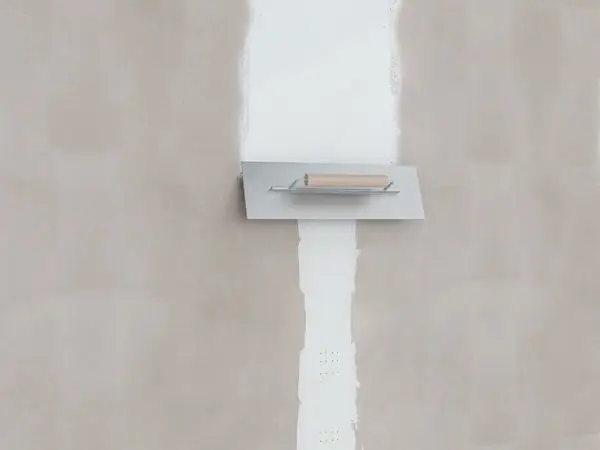
Photo 3 — Spackling Gypsum Board Joints - Applying the Leveling Layer
Thirdly, how to spackle: there are different options. Spackling of joints between gypsum board panels is done differently by various craftsmen in three main variations:
- armoring mesh or tape is glued to the joint, and then several layers of spackle are applied on top (applicable, holds, but the joint is not filled, less reliable compared to other variants);
- the joint is filled with spackle, leveled with the surface of the panels, mesh is pressed into fresh spackle, excess spackle is removed with a trowel, after drying, another layer is applied, on which paper tape is glued, and then finishing layers are applied (applicable, quite reliable, but very multi-layered);
- the joint is filled with spackle, leveled with the surface of the panels, mesh or paper tape is glued on top of the spackle, and then a covering and leveling layer is applied (medium variant - most popular).
After drying, spackle should be sanded - smooth out any unevenness on the wall as much as possible using mesh or sandpaper.
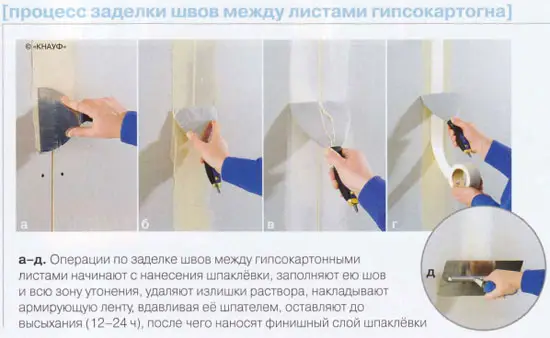
Photo 4 — Process of Filling Joints Between Gypsum Board Sheets
How to Spackle Gypsum Board Corners
How to spackle gypsum board corners is similar to spackling joints, but has its own specifics.
In short, internal corners are spackled on pre-glued paper tape, and external corners can be properly spackled by first placing reinforcing mesh on the spackle, then attaching perforated corner profiles on top of the spackle.
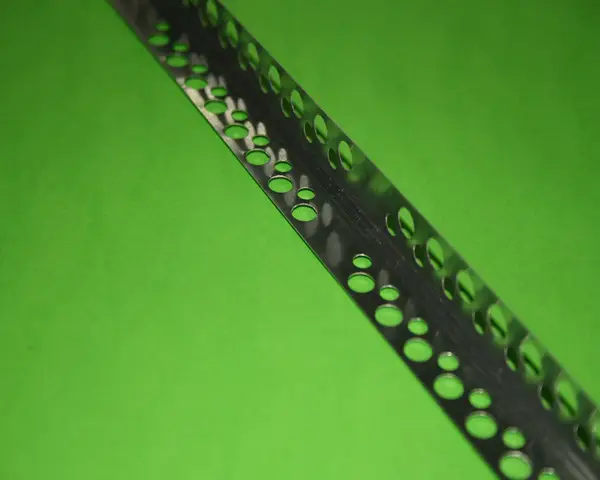
Photo 5 — Perforated Aluminum Corner Profile
Another important question is how to spackle gypsum board for painting and other types of finishing - is it necessary to fully spackle the entire surface after filling joints? Not necessarily.
It all depends on the type and density of the material to be applied later. If there is confidence that the spackle on joints will not show through due to decoration, it can be left unspackled.
Full surface spackling is necessary if even after sanding, the filled joints protrude and need to be leveled with GKL sheets. It is also necessary to treat the entire GKL surface with spackle for wallpapering. This is due to the undesirable prospect of wanting to do a future renovation, leaving the gypsum board without cardboard, peeling it off old wallpapers.
Cost of Work and Materials
- Gypsum Board Spackling, Price in Moscow - About 300 Rubles/m²;
- Gypsum Board Spackling, Price in Kyiv - From 50 Hryvnia/m²;
- Knauf Fugenfüller (25 kg) Gypsum Spackle for Gypsum Board, Price in Moscow - 395 Rubles;
- Knauf Fugenfüller (25 kg) Gypsum Spackle for Gypsum Board, Price in Kyiv - 85 Hryvnia.