Vinyl Wallpapers: Advantages and Disadvantages
Tweet
Blog Post
Vinyl wallpapers are a two-layer wall covering, the top layer of which consists of polyvinyl chloride, commonly known as PVC. PVC, in turn, can be applied in different ways, so in the market there are smooth, foamed or embossed vinyl wallpapers.
Vinyl Wallpapers: Advantages and Disadvantages
- Tweet
- Blog Post
Vinyl wallpapers are a two-layer wall covering, the top layer of which consists of polyvinyl chloride, commonly known as PVC.
PVC, in turn, can be applied in different ways, so in the market there are smooth, foamed or embossed vinyl wallpapers. The bottom layer can be paper or felt.
Contents:
- Vinyl Wallpapers for Walls: Variety of Assortment
- Types of Vinyl Wallpapers
- Foamed Vinyl Wallpapers (Photo)
- Hot Embossed Vinyl Wallpapers (Flat Vinyl)
- Dense Vinyl
- Useful Qualities of Vinyl Wallpapers
- Ribbed Vinyl Wallpapers: Beauty of the Pattern
- Disadvantages of Vinyl Wallpapers
- Vinyl Wallpapers: For Kids' Room, Living Room, Kitchen and Other Rooms
- Vinyl Wallpapers for the Kitchen
- Vinyl Wallpapers in the Bathroom: Myth or Reality?
- Vinyl Wallpapers: Price Considerations
Vinyl Wallpapers for Walls: Variety of Assortment
The palette of compact vinyl wallpapers (another name for vinyl wallcoverings) can be diverse, and structurally this type of wallpaper is divided into only three types: foamed, flat, and dense wallpapers. Let's start in order.
Types of Vinyl Wallpapers
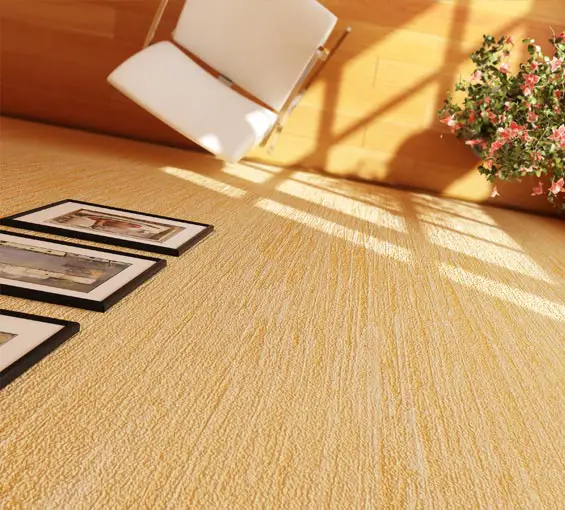
Foamed Vinyl Wallpapers (Photo)This type of vinyl wallpaper has a distinct relief. Thanks to its special manufacturing technology, such wallpapers can imitate almost any surface: from ceramic tiles to plaster and stone surfaces. Foamed vinyl is manufactured by embossing the pattern onto polyvinyl chloride.
Foamed wallpapers are characterized by high density and texture, which makes them more convenient for covering poorly plastered or rough surfaces.
These vinyl wallpapers are dense and designed for rooms with higher humidity levels. Some varieties of such wallpapers can rival in durability and practicality with the most popular wall finishing material for kitchens – ceramic tiles. Kitchen vinyl wallpapers are made so they can withstand not only light splashes but also serious wetting.
One of the advantages of foamed wallpapers is that they can be decorated not only with embossing but also with various additional decorative elements such as glitter, sand particles, or fine crumbs.
There is also a special type of foamed wallpapers – paintable wallpapers.
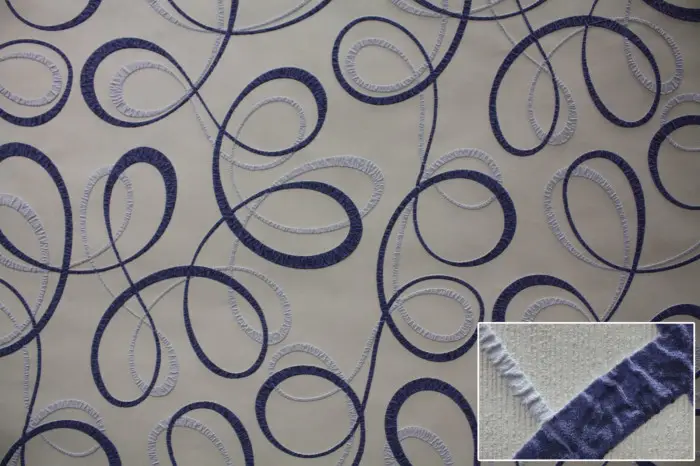
Photo 1 — Foamed Vinyl (P+S Wallpapers)
There is also another type – structured profile wallpapers: this finishing material is manufactured by separating the base and applying between two sheets of foam paste. Profile wallpapers come in white or colored coarse-fibered varieties. Usually, due to the backing, they are resistant to dirt and mechanical damage.
Hot Embossed Vinyl Wallpapers (Flat Vinyl)Currently, flat vinyl is the most expensive among all types of vinyl wallpapers. The manufacturing process involves screen printing, which results in a super-thin wallpaper sheet.
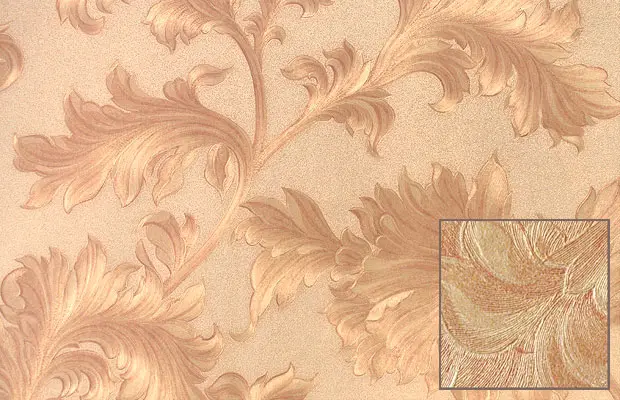
Photo 2 — Screen Printing (Elysium Wallpapers)
During the production of this type of wallpaper, the vinyl coating is applied to paper or fabric base, which gives us another classification of this finishing material.
Dense VinylHard vinyl, accordingly, is the strongest material with a glossy surface. Until recently, such wallpapers were produced mainly for kitchens and bathrooms. The design was appropriate. However, now manufacturers are not only focusing on these rooms but also blending in more saturated colors to make the often monotonous patterns more vivid.
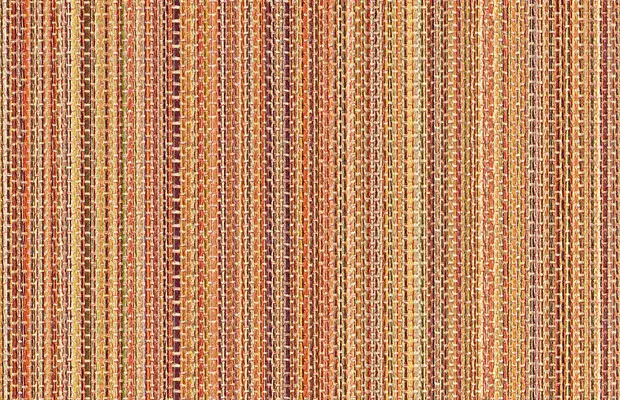
Photo 3 — Heavy Vinyl (Elysium Wallpapers)
Wallpapers made of hard vinyl are heavier in weight, so special glue for heavy vinyl is used when applying them to walls.
Vinyl wallpapers are divided into those with paper or felt backing.
There is no fundamental difference between them. However, the advantage lies with felt-based ones as this material is more durable and easier to apply.
Due to the use of felt, the possibilities for manufacturing vinyl wallpapers have significantly expanded: the pattern on such wall coverings appears more three-dimensional.
According to specialists, vinyl wallpapers on felt backing are better suited for initial wall covering in new constructions. The main reason is that, due to possible house settling, vinyl wallpapers on felt won't peel off, wrinkle, or deform.
Do not think, however, that vinyl wallpapers on paper backing are inferior to felt-based ones. Vinyl wallpapers can be used for any purpose: for corridors, bedrooms, living rooms or kitchens and bathrooms – they will look great everywhere.
The choice of vinyl wallpapers is also expanded by adding various inclusions: linen, silk, cotton threads, textile elements, felt or velour.
Useful Qualities of Vinyl Wallpapers
As mentioned earlier, vinyl wallpapers, regardless of their type, have a two-component structure: the base or lower layer made of natural materials and the upper protective and decorative layer made of polyvinyl chloride.
The synthetic material on the wallpaper surface serves to protect the wall coating from moisture, UV rays, and in some cases, mechanical impacts. In combination, we have a guaranteed longer service life and increased durability of the material.
Additionally, vinyl coatings are environmentally clean (of course, if it's branded products). Responsible manufacturers do not add toxins to their products for cost savings. Also, vinyl wallpapers, according to the manufacturing process, are impregnated with compositions that prevent mold or mildew growth: both on the surface and at the wall-to-wallpaper joint.
On the PVC layer, embossing or relief patterns are usually applied, which successfully masks wall imperfections. Due to elasticity, even rough plaster can be concealed.
Vinyl wallpapers can also hide uneven angles in the room.
Another big advantage of vinyl wallpapers is that they can be applied to almost any surface (to plaster, concrete, paper, gypsum board, wood, and particleboard).
The market also offers special heavy vinyl that can withstand even brushing with chemical cleaning agents for household dirt.
Ribbed Vinyl Wallpapers: Beauty of the Pattern
The design of vinyl wallpapers is colorful, so every consumer will find something suitable for their taste or needs in the catalogs.
Modern technologies allow applying any pattern and color to the surface of the PVC layer: bright and vibrant or warm pastel tones, any decorative patterns, ornaments, graphics. In addition to color solutions, the vinyl wallpaper coating is multi-varied in shape: there are structured and ribbed wallpapers.
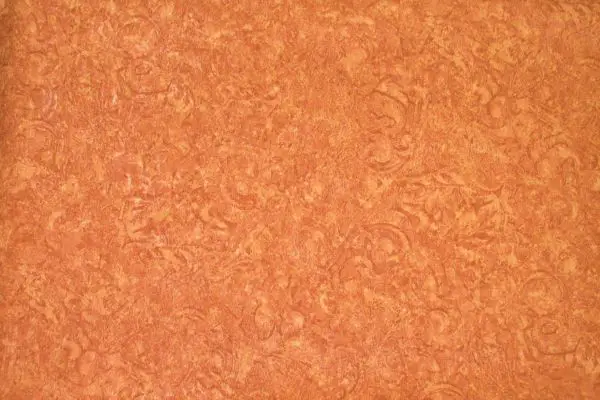
Photo 4 — Wide Wallpapers (Art, Hot Embossed, 1.06m x 10m)
Elite vinyl wallpapers can also be produced with matte or shimmering elements. Often these are wide (meter-wide and more) sheets that can be applied not vertically, as we're all used to, but horizontally along the perimeter of the entire room, at least with one seam.
If a standard roll of wallpaper is only 53 cm wide and 10 meters long, elite models can have a width of up to 1.06 m and lengths up to 25 meters or even 100 meters.
Vinyl wallpapers made by screen printing are the most colorful: they are painted in a special way and then embossed. The surface of such wallpapers usually has a sheen, like silk, and the texture is light. This method also does not exclude the possibility of imitating natural materials on the surface of the sheet: for example, leather.
Disadvantages of Vinyl Wallpapers
The main advantage of vinyl wallpapers is the water resistance of the material covered with a PVC layer. However, it's also necessary to mention the other side of the medal: water resistance means air tightness in vinyl wallpapers.
The solution to the problem is in the production of vinyl with micro-pores, which allow the wall surface and wallpapers to 'breathe' and exchange moisture. The micro-pores still do not let water through, but they allow the wall condensation to pass.
The second major disadvantage of vinyl wallpapers is the difficulty in applying them to walls. If applied incorrectly, vinyl wallpapers can stretch and after the glue dries, they may shrink in width, forming noticeable and annoying gaps between sheets.
This can be avoided by strictly following the instructions for applying vinyl wallpapers and using special tools for installation: special glue and a rubber roller.
The third disadvantage of the coating is poor tolerance to sharp temperature and humidity fluctuations in the room. If the room is rarely ventilated, overheated in the heating season, or overly humidified, the wallpapers may deform.
Expert advice: install air conditioners or humidifiers in rooms with vinyl wall coverings.
Vinyl Wallpapers: For Kids' Room, Living Room, Kitchen and Other Rooms
In interior design, vinyl wallpapers look great. As we've already said, the choice of material is broad and diverse. Children's vinyl wallpapers particularly delight: first, the quality material is not harmful; second, the colors are chosen to positively affect a child's psyche; third, often they feature educational patterns.
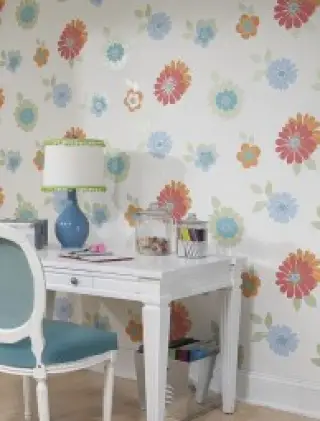
Photo 5 — Wallpapers for Children's Room
By the way, the last type of wallpaper is paintable wallpapers, i.e., such ones that can safely allow a child to draw with paints, markers or pencils, color the pictures designed by the designer, and then easily erase all the child's artwork, giving the child a fresh canvas for creative activity.
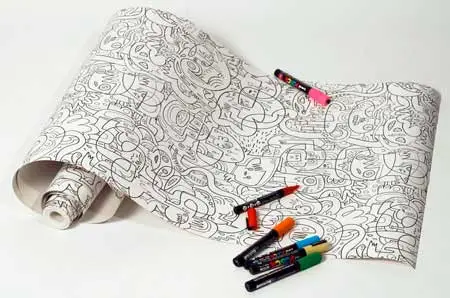
Photo 6 — Paintable Wallpapers
By the way, such wallpapers will also appeal to adult people who have a passion for customizing interior design.
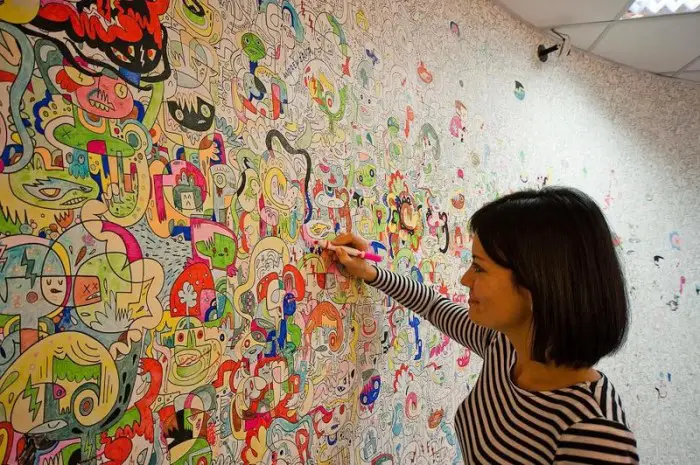
Photo 7 — Paintable Vinyl Wallpapers for 'Big' and 'Little' Artists
The choice of vinyl wallpapers for a room, in principle, is not limited. It's important to remember the principles of room perception:
- Light-colored wallpapers are preferable in dark rooms with less natural light – this will artificially make the room brighter;
- Dark-colored wallpapers can be applied in well-lit or even overly lit rooms to absorb excess light (though such rooms may heat up faster and cool down more slowly);
- A room with low ceilings can visually be made higher by using vertical stripes of wallpaper, and a narrow room can appear wider by applying horizontal stripes;
- Small patterns or light-colored monochrome wallpapers can visually expand the room, while large-pattern or dark monochrome wallpapers can visually narrow any room.
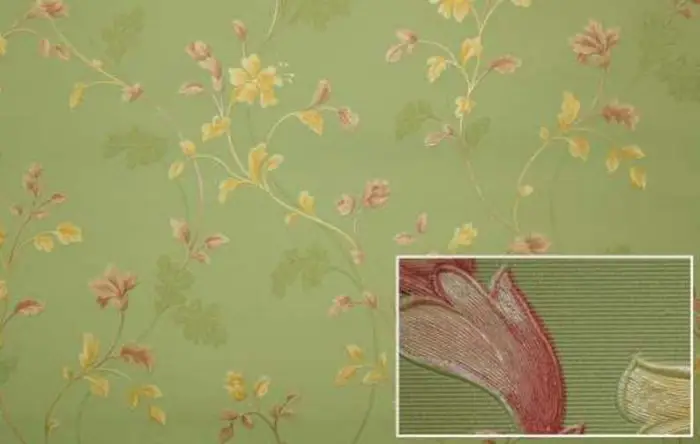
Photo 8 — Wallpapers for a Room (AS Creation, Hot Embossed Vinyl on Felt Base)
The choice of wallpapers for a bedroom can also be regulated by color psychology:
- Vibrant, harsh colors affect most people's psyche in a stimulating and irritating way, so it is undesirable to wallpaper a room where you should relax and rest in red or bright orange (even if, temperament-wise, these colors seem appropriate to you);
- It is also undesirable to wallpaper a room with cold saturated colors, as color psychology considers these colors provocateurs of depression, excessive drowsiness and sometimes even a reduced immune system (!);
- Black and white colors, without any additives, as dominant colors are also not recommended due to the strong "polarity" of color;
- The ideal option is neutral colors and pastel tones (light green, pale yellow, etc.).
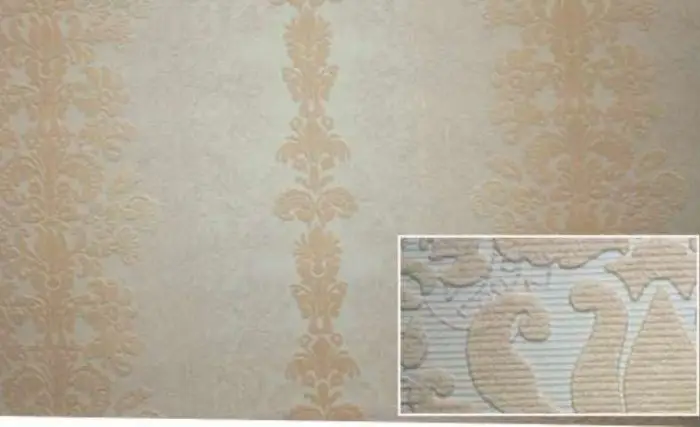
Photo 9 — Wallpapers for Bedroom (Rasch, Foamed Vinyl)
When choosing vinyl wallpapers for the entrance hall, it's important to remember that walls of this room are often touched: for example, when holding on while putting on shoes or leaning against the wall while waiting for a partner to get dressed. Therefore, the wall coating should be wear-resistant.
For the living room, you can choose more decorative wallpapers since this room is mostly a place for receiving guests, family evenings, and dining.
Vinyl Wallpapers for the Kitchen
This room is given a separate subheading because the choice of vinyl wallpapers for it should meet specific characteristics that are not typical for vinyl wallpapers in other rooms of the apartment.
Water resistance. Without considering this property, there is no discussion about the application of vinyl wallpapers on kitchen walls! When buying rolls, pay attention not only to the wallpaper pattern but also to the symbols on the roll label (see the photo below).
Any of them can be suitable for the kitchen, but not for every area.
For example, wallpapers for the cooking zone (splash guard, near the sink or stove) ideally should have a third degree of water resistance. These wallpapers not only do not fear moisture but can also be cleaned with a sponge and cleaning agent. These are truly washable wallpapers that can even be used to cover bathroom walls!
For the dining area, a second level will be sufficient.
The rest of the room can be covered with wallpapers having the first class of water resistance.

Figure 1 — Symbols on Wallpapers
It is also important to pay attention to the durability of the coating and light sensitivity.
Therefore, before buying vinyl wallpapers for the kitchen, consider whether it might be better to cover the walls with a combination of different types of wallpapers?
Where to find the right vinyl wallpapers? A catalog for the kitchen is available from every reputable manufacturer.
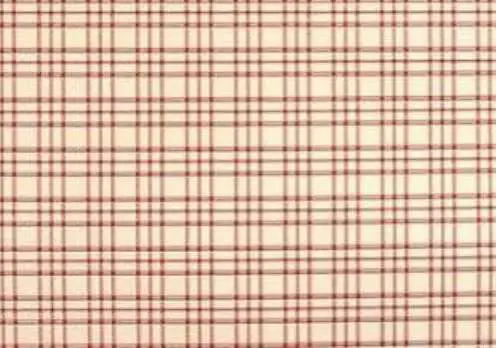
Photo 10 — Wallpapers for the Kitchen (Rasch, Vinyl on Paper Base)
The price of such wallpapers can vary from $10 to $35 depending on the degree of water resistance of the material.
Vinyl Wallpapers in the Bathroom: Myth or Reality?
Some manufacturers claim that their wallpapers can be safely purchased for the bathroom room.
Indeed, vinyl wallpapers for the bathroom can be bought in almost every store: there are very dense vinyl wallpapers that withstand high humidity and water splashes. The problem is not in choosing the wallpapers but in choosing the adhesive for such a coating. Because it is precisely the glue that can give a weak point in case of temperature and humidity fluctuations.
Manufacturers claim that regular glue for heavy vinyl wallpapers will be sufficient, but in practice, it is rarely possible to achieve the desired result without additives or special treatment on the wall in the bathroom.
According to recommendations of home craftsmen, adding PVA or Senalim helps.
Vinyl Wallpapers: Price Considerations
Wallpapering with vinyl wallpapers is cheap, convenient and reliable.
Judge for yourself: washable wallpapers cost from $7 per roll (Vinyl Wallpapers Ramzes MNK2-0507 Lanita from company Vinil), structured vinyl wallpapers on felt backing for painting will cost around $25 (Versailles 301-60 from company Lanita), although you can buy cheaper vinyl wallpapers for painting – vinyl wallpapers on paper base for $8 (Vinyl Wallpapers Sprint PNK3-0413 Lanita from company Vinil) or even cheaper – for $5 (Vinyl Wallpapers Vyaz PNK2-0383 Lanita from company Vinil).
Summarizing: how much do vinyl wallpapers cost?
- Kiev – from 29.90 UAH/roll;
- Moscow – from 169 RUB/roll.