Tools for Plastering Work: Overview
Regular plaster is used for leveling walls prior to applying thinner layers of decorative finishes (plastering with such plaster is done directly after wall construction) and protecting external building walls from environmental influences.
Types of Plaster
- Regular plaster is used for leveling walls prior to applying thinner layers of decorative finishes (plastering with such plaster is done directly after wall construction) and protecting external building walls from environmental influences.
- Specialty plasters – plasters with sound-absorbing, heat-saving, radiation-protective and similar properties, used for protection from emissions and as insulation.
- Decorative plaster differs from regular plaster – it is not primary internal wall finishing, but rather a final finish. Applied in thin layers to walls and ceilings as decoration at the end of interior finishing (e.g., liquid wallpaper).
Tools for decorative plaster differ from those used for regular plastering. Different types of tools are used for different kinds of plaster.
Plastering Tools
When selecting tools for plastering, finishing or removing plaster, special attention should be given to plastering machines. Various types of these machines exist depending on their purpose.
- Automatic plastering machines are mainly used for plastering large areas. These are powerful units connected to an electrical supply and used for applying plaster to walls by spraying. They are used for mixing the mixture, transporting it, and applying it to walls.
- Such plastering stations consist of a feeding hopper for receiving bulk mixtures, a mixing chamber connected to water supply, where water is dosed in, a pump that receives the mixture, and a hose through which the mixture is delivered to the mortar gun, which actually sprays the mixture onto the wall. The spray size can be adjusted by increasing or decreasing the airflow from the air nozzle.
- These machines allow for quick and convenient application of plaster, ensuring better productivity and a more even initial finish layer. Some of these stations can be used not only for plastering but also for spackling, wall painting, and even floor pouring. Plastering stations of various power levels, sizes, and with different additional features are produced by companies such as Putzmeister, IMER, Kaleta, PFT, Wag, and many others.
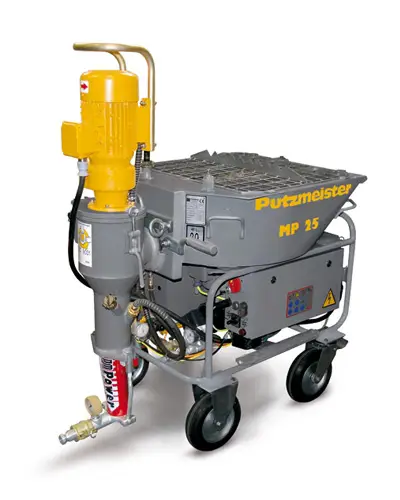
Photo 1 — PUTZMEISTER MP 25 Plastering Machine
Overview of the German plastering machine PFT G4, video:
- Plastering and troweling machines and sanding machines are designed to level uneven surfaces of plastered or otherwise coated walls. These units are not only used for troweling fresh plaster but also for troweling cement screed, spackled surfaces, mosaic, etc.
- These machines can be pneumatic or electric, single- or double-disc, with water supply for troweling or vacuum hose for dust collection during sanding. Typically, troweling machines come with a set of replaceable discs made from various abrasive materials. Examples of such troweling machines for plastering are Eibenstock EPG 400 and Rokamat 700.
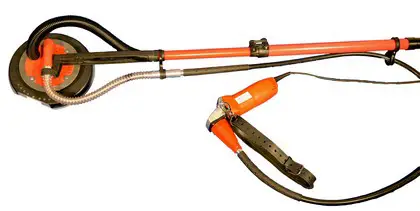
Photo 2 — ROKAMAT Sanding Machine
- A plaster gun is a hand-operated machine for applying plaster in the form of a 'coat', mainly used as a finishing step for external building finishes, and less commonly in interior finishing. The 'coat' can be applied with a sprayer, like regular plaster, or by traditional methods: with a broom, brush, or through a mesh.
- The plaster gun is an average between fully automated and manual methods of applying the 'coat', and it enjoys popularity among plasterers. The device is a small metal container with one side partially open and a handle on the side. A small amount of mixture is poured into the opening, from where the plaster is applied to the wall. By rotating the handle, a metal 'brush' inside the housing moves, spraying the mixture onto the wall through a wide opening.
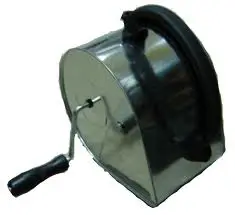
Photo 3 — Standard Plaster Gun
Hand Tools for Plastering
For marking, a level and plumb line (choklaine) are useful. If plastering is done manually, containers for mixing the mixture (buckets) and applying it to walls – buckets, trowels – are needed. To smooth and level the plaster, a straightedge is required; for troweling, a metal or wooden half-spatula or a rasp may be helpful, and for moistening drying plaster, a brush might come in handy.
It's not hard to buy tools for decorative plastering. When choosing tools for decorative plastering, one can purchase painter's tape to keep adjacent surfaces clean, a roller, brush, sponge, or something else for applying decorative plaster (depending on its type and desired texture). Spatulas and a container for plastering are also useful. The above-mentioned tools are the most commonly used, although each builder has their favorite set of finishing tools that may include other accessories.
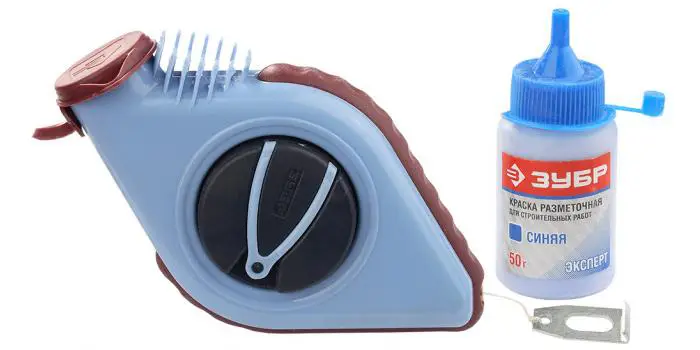
Photo 4 — ZUBR 4-06375 String for Marking (Choklaine)
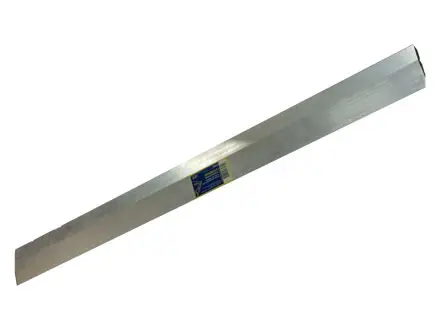
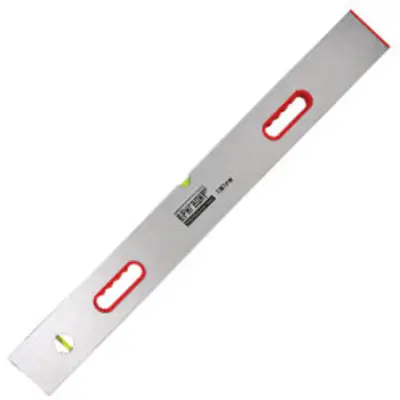
Photo 5 — Construction Ruler

Photo 6 — Profi Half-Spatula
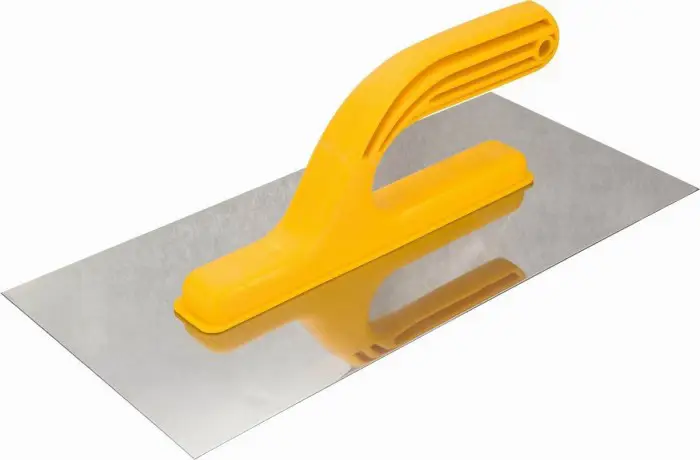
Photo 7 — Plastering Rasps
Plastering Wall Technology
Depending on the type of plaster, wall plastering technology also varies. The basic process for regular plastering is as follows:
- Wall preparation (cleaning and moistening, for some surfaces – tensioning armoset or mesh);
- Mixing the mixture (usually cement:sand 1:3);
- Installing guide rails or stakes (measuring wall curvature, marking and installing metal stakes every meter on the mixture);
- Applying plaster (spraying or spreading technique);
- Leveling with a straightedge, half-spatula;
- Troweling with a rasp.
The technology for decorative plastering is even simpler: prepare the wall by cleaning and priming it, mix the decorative plaster, apply it with a sprayer, roller, sponge, spatula or another tool (depending on the type of plaster and desired texture), and optionally paint or coat it with varnish if needed.
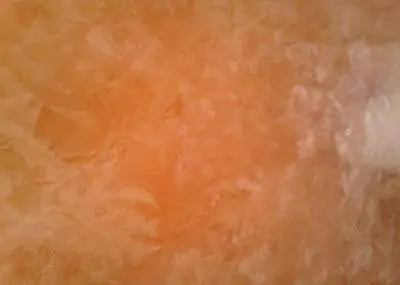
Photo 8 — RAFFAELLO DECOR STUCCO (Oikos) Decorative Plaster