Structural Plaster with Your Own Hands. Application Technology
Features of structural plaster
Decorative plaster (structural) has several qualities that will help you choose this wall covering:
- Decorative plaster is easy to apply.
- Walls after structural plaster are easily cleaned with soap, water, or laundry powder.
- Decorative plaster for walls looks stylish and unusual in its finished form.
- The coating effectively conceals surface imperfections: bulges, microcracks, old paint.
- Decorative plasters are very durable.
- High plasticity of the plaster allows you to create any desired texture on the surface.
- Decorative plaster allows walls to breathe due to its micro-porous surface.
- If you have a lively four-legged pet (e.g., a cat), you don’t need to worry about the coating’s integrity. These 'wallpapers' won’t be damaged by cat claws.
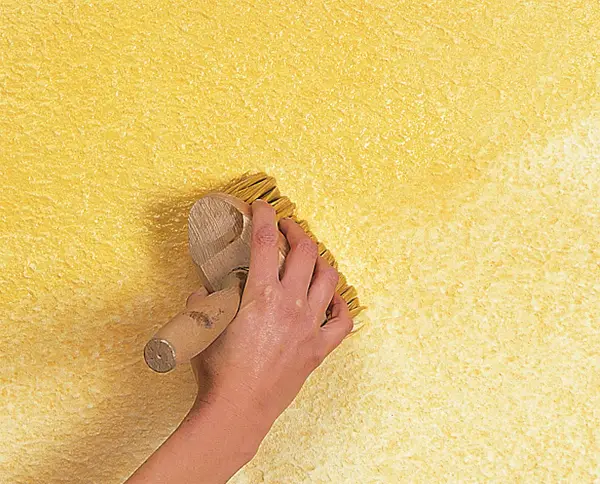
Photo 1 — How structural plaster looks
Structural plaster (see photo below) is inherently non-uniform plaster mass containing various additives (fragments of mica or quartz, small pebbles, wood fibers, etc.) and is manufactured on a mineral base (potassium silicate or synthetic latex).
For interior finishing, water-based plaster without odor is typically used (so you don’t have to evacuate your beloved grandmother from the apartment), while solvent-based plaster is used for facades.
Another advantage of decorative plaster is that it doesn’t need to be mixed—it’s sold ready-to-use in cans or buckets from 5 to 25 kg. Additionally, the plaster is highly plastic and very manageable.
Structural plaster is commonly used for finishing kitchens, bathrooms, ceilings, sanitary rooms, hallways, fences, and facades.
Decorative plaster can be easily applied to a wide variety of surfaces: metal, wood, concrete, brick, gypsum board, cement, and more.

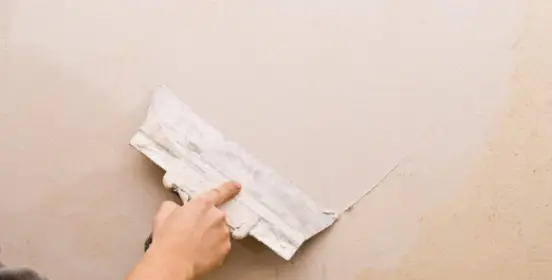
Photo 2 — Applying structural plaster
The initial color of the plaster is white. It can later be dyed to any desired shade. You can color structural plaster in two ways:
- You can add pigment to the mass yourself and mix it. However, be careful with pigment dosage.
- The second method is simpler. When purchasing, ask the store to pre-color the mass to your chosen shade. This way, you can be confident in the final result.
Structural plaster (Ceresit, Microdrewa, Elf, Caparol) comes in two types:
- Coarse-grained
- Fine-grained
Fine-grained plaster appears smoother on walls, so it’s often used indoors. Coarse-grained plaster has a rougher texture and is more commonly used for facade finishing.
Application Technology for Decorative Plaster
We’ll explain how to make this process as simple and fast as possible.
- First step: Prepare the surface before applying plaster. The wall must be clean and dry, free of old paint or wallpaper residue. Remove any visible unevenness—the rest will be handled by the plaster itself.
- Second step: Prime the surface. Primer strengthens the wall, protects it from swelling and moisture, fills microcracks, and ensures better adhesion of the plaster.
- Third step: Application. The method of application depends on your desired final result. You can use a trowel or a textured roller—this will determine the final pattern on the wall.
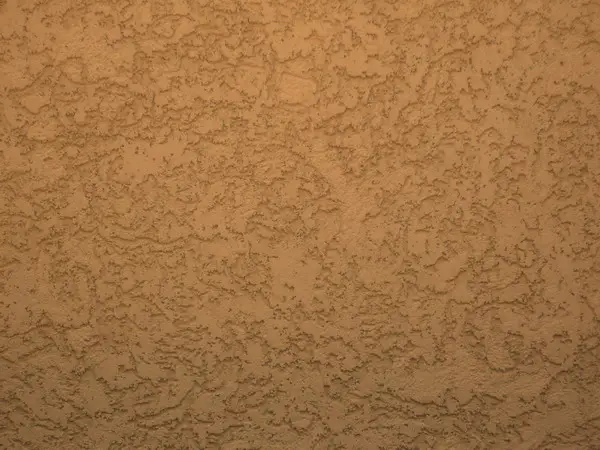
Photo 3 — Structural plaster «Woodworm»
Don’t forget to cover windows, door frames, and floors—otherwise, removing the plaster later will be very difficult. Also, plan your application method in advance, as removing and reapplying plaster on walls is challenging, much like with doors. When working on corners, apply plaster to both sides, then finish with a corner trowel.
Due to its advantages, decorative plaster typically receives positive feedback.
Structural Plaster. Price
- Kyiv, Ceresit structural plaster, 25 kg, from 120 UAH.
- Kyiv, «Elf» structural plaster, 15 kg, from 175 UAH.
Structural Plaster. Video
Clay Plaster
Clay plaster (Topleem, Claytec) is gradually gaining popularity—people are returning to natural roots. Clay plaster is more environmentally friendly than other materials. In a home with clay walls, temperatures remain moderate, and air stays neither too humid nor too dry. Clay is also an excellent natural barrier against mold and mildew in walls.
Note that clay plaster is also recommended for fireplaces, as it helps retain heat longer. You can buy pre-made clay plaster, or make it yourself.
Clay-sand plaster should be mixed in a 1:2 ratio, cement-clay-sand in 1:2:1 (clay:sand:cement), lime-clay-sand in the same proportion, replacing cement with lime. One-tenth of asbestos is added to all these mixtures.
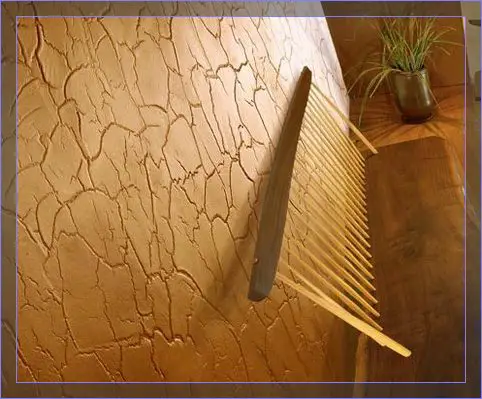
Photo 4 — Clay plaster
Clay Plaster. Price
Kyiv, Claytec «Mineral» clay plaster, 30 kg bag, 390 UAH, wholesale