How To Make The Most Of A Small Bedroom – A Decorator’s Guide
A cramped bedroom can easily feel chaotic, especially when furniture overwhelms your floor space and storage options run dry. With thoughtful spatial planning, multifunctional furniture, and deliberate visual tricks, you can transform even the tightest bedroom into an organized, calming retreat. We often assume that limited square footage restricts our lifestyle, but a smaller footprint actually invites smarter design choices that prioritize daily comfort and uncluttered living.
In this guide, we walk you through practical strategies to unlock the full potential of your room. You will learn how to map out functional clearances, select scale-appropriate furniture, build vertical storage, and layer lighting without sacrificing an inch of precious floor space. Whether you rent an urban studio or own a home with modest guest bedrooms, these actionable steps will help you create a room that feels spacious, stylish, and deeply restful.
Small Bedroom Essentials
- Keep walkways comfortable by maintaining at least 24 to 30 inches of clearance around the bed and main entry paths.
- Place your bed against the longest solid wall, or push it into a corner in micro rooms to reclaim open floor area.
- Invest in dual-purpose furniture like gas-lift hydraulic beds and wall-mounted floating nightstands to hide storage without cluttering the floor.
- Take advantage of vertical height with floating shelving, tall wardrobes, and wall-mounted sconces that free up flat surfaces.
- Make your room look visually larger by hanging drapery near the ceiling and angling an oversized mirror opposite a window.
- Support restful sleep by choosing warm lighting between 2700K and 3000K alongside an optimal sleep temperature near 65 degrees Fahrenheit.
How to Make the Most of a Small Bedroom: Layout, Storage, and Styling Guide
A cramped bedroom can easily feel chaotic, especially when furniture overwhelms your floor space and storage options run dry. With thoughtful spatial planning, multifunctional furniture, and deliberate visual tricks, you can transform even the tightest bedroom into an organized, calming retreat. We often assume that limited square footage restricts our lifestyle, but a smaller footprint actually invites smarter design choices that prioritize daily comfort and uncluttered living.
In this guide, we walk you through practical strategies to unlock the full potential of your room. You will learn how to map out functional clearances, select scale-appropriate furniture, build vertical storage, and layer lighting without sacrificing an inch of precious floor space. Whether you rent an urban studio or own a home with modest guest bedrooms, these actionable steps will help you create a room that feels spacious, stylish, and deeply restful.
Plan Your Small Bedroom Layout with Proper Clearances
Maintain at least 24 to 30 inches of walking clearance around walkways and beds to keep your daily routines effortless and prevent a crowded room.
A functional bedroom layout always starts with clear pathways and comfortable ergonomic clearances. Before purchasing new furniture or rearranging heavy pieces, you need to map out how your body moves through the room during daily routines. When you crowd doorways, block natural light from windows, or leave too little room to pull out a dresser drawer, the space immediately feels suffocating.
To avoid bottlenecks, we recommend adhering to standard interior design clearance dimensions whenever your floor plan permits. These guidelines ensure that doors swing open freely and that you never have to turn sideways just to climb into bed.
| Function Area | Recommended Clearance | Minimum Practical Clearance | Design Purpose |
|---|---|---|---|
| Primary Walkways | 36 inches | 24 to 30 inches | Ensures comfortable passage from the bedroom entry to the bed and closet doors. |
| Bed-to-Wall Clearance | 30 inches | 22 to 24 inches | Allows room to make the bed and walk comfortably on either side. |
| Dresser and Closet Drawers | 36 inches | 28 to 30 inches | Accommodates the full extension of drawer glides plus standing room for the user. |
| Door Swing Arc | Full door width plus 2 inches | Full door width | Prevents doors from banging into nightstands, bed frames, or laundry hampers. |
When measuring your room, make sure to take three-dimensional obstacles into account. Baseboard heaters, low window sills, electrical wall plates, and the swing direction of closet doors all dictate where furniture can logically settle. Taking fifteen minutes with a tape measure now prevents expensive layout errors later.
Smart Bed Placement Strategies for Compact Rooms
The bed is naturally the focal point of the bedroom, but its footprint can swallow the majority of your usable square footage. Choosing the correct bed size and placing it strategically dictates whether your bedroom feels cramped or serene. While a king-size bed measures a generous 76 by 80 inches, cramming one into an eight-by-ten-foot room leaves almost no clearance for side tables or walkways.
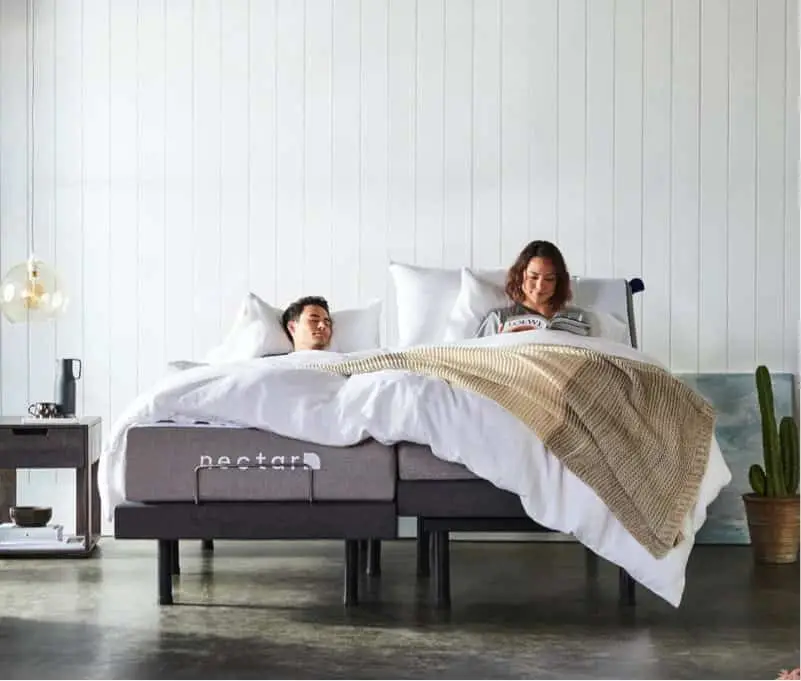
If you have the square footage to accommodate a king or queen bed while maintaining at least two feet of walking clearance on both sides, center the bed along your longest solid wall. This classic arrangement creates symmetrical visual balance and lets two sleepers get in and out without disturbing one another. However, in narrow or micro-sized rooms, do not be afraid to break symmetry. Pushing the bed into a corner or setting it lengthwise along an alcove wall frees up valuable floor space for a wardrobe, a work desk, or a comfortable reading corner.
Alongside bed placement, your choice of mattress directly influences your daily wellbeing. A supportive, pressure-relieving mattress tailored to your sleep style transforms a small room into a restorative haven. Look for low-profile bed frames or platform bases that support your mattress without requiring a massive box spring, which keeps the visual height of your sleeping area clean and airy.
Maximize Space with Space-Saving Bedroom Furniture
Choose multifunctional furniture such as gas-lift storage beds and floating nightstands to maximize hidden storage while keeping the floor visible.
Furnishing a small room requires intentional curation where every piece works double duty. Selecting space-saving bedroom furniture with built-in utility keeps surfaces clear and eliminates visual clutter across your living space. Rather than collecting standalone cabinets and side tables, invest in pieces that conceal storage or fold away when not in use.
Here are several high-impact furniture upgrades designed specifically for compact bedroom layouts:
- Gas-lift hydraulic storage beds: These frames allow you to lift the entire mattress with minimal effort, revealing an expansive, dust-free storage cavity beneath the platform.
- Under-bed storage drawers: Built-in rolling drawers or modular storage bins maximize dead space underneath a raised platform bed, perfect for off-season linens, extra blankets, and shoes.
- Floating nightstands: Wall-mounted bedside ledges or drawer units keep the floor underneath visible, giving the eye an unbroken sightline that instantly makes the floor plan feel larger.
- Wall-mounted drop-leaf desks: If you work from home, a fold-down floating desk provides a sturdy workstation during working hours and tucks flat against the wall when evening arrives.
- Slim-profile nesting tables: Use lightweight nesting side tables that tuck inside each other when you need open floor space and pull apart when you need extra surfaces.
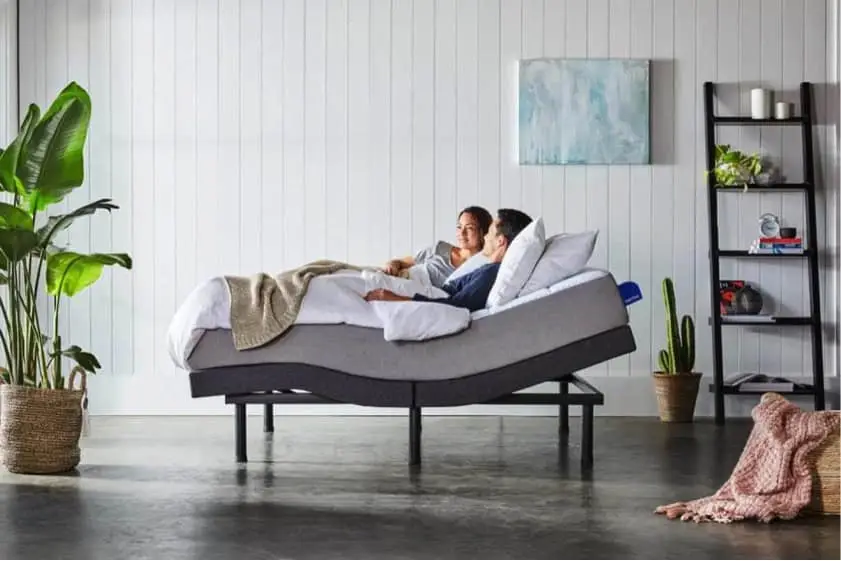
We often see bedrooms crowded with bulky armchairs, large entertainment consoles, and oversized executive chairs. In a tight space, swap heavy furniture for pieces with slender metal legs, light-toned wood frames, or transparent acrylic materials. Keeping furniture visually lightweight allows light to flow underneath and around every object.
Small Bedroom Storage Solutions: Think Vertically
When horizontal square footage is scarce, your vertical wall plane becomes your greatest asset. Utilizing the full height of your walls draws the eye upward and provides abundant storage without stealing floor area. Standard waist-height dressers spread your storage footprint outwards, whereas tall, slender storage units preserve valuable circulation space.
Consider mounting floating shelves above the bed, over the doorway, or inside recessed wall niches. These floating surfaces provide a home for books, personal keepsakes, and storage baskets without the heavy silhouette of a standard bookcase. Just make sure shelves above the headboard are securely anchored into wall studs using appropriate hardware, especially in active seismic zones or plaster-walled older buildings.
For wardrobe storage, look into floor-to-ceiling modular closet systems with sliding doors. Sliding panels eliminate the door swing arc, allowing you to position furniture closer to the closet. Inside the wardrobe, install double hanging rods, pull-out trouser racks, and stackable clear bins to make every vertical inch count.
Lighting Ideas for Small Bedrooms That Clear the Floor
Lighting plays a critical role in shaping how spacious and welcoming a small room feels. Relying on bulky table lamps and wide-base floor lamps clutters precious flat surfaces, while wall-hung and ceiling fixtures keep planes clear. By moving your light sources off the floor and nightstands, you reclaim usable square footage for nighttime essentials.
We recommend creating a layered lighting scheme using a combination of these space-conscious fixtures:
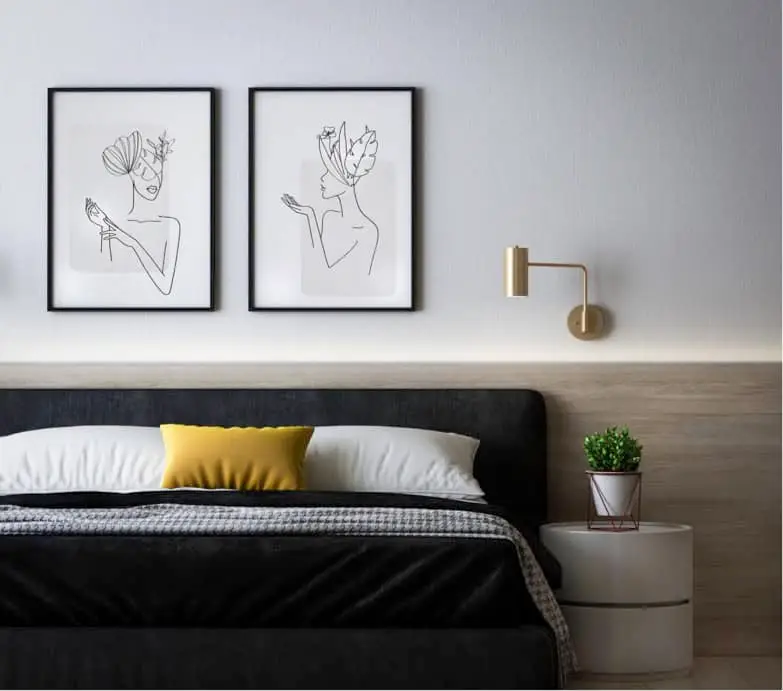
- Wall-mounted swing-arm sconces: Installing hardwired or plug-in sconces directly beside the bed provides dedicated reading light while leaving your bedside tabletop completely free.
- Pendant drop lights: Hanging slender mini-pendants from the ceiling on either side of the headboard adds architectural drama, highlights vertical room height, and illuminates your nightstand.
- Recessed ceiling spotlights or flush mounts: Low-profile ceiling fixtures provide ambient illumination across the entire perimeter without lowering your perceived ceiling line.
- Concealed LED strip lighting: Placing warm LED strips underneath floating nightstands or behind the headboard casts a soft, indirect glow that creates depth and warmth.
Choose warm white light bulbs, ideally between 2700K and 3000K, to maintain a relaxing atmosphere that supports healthy circadian rhythms. Pair your primary fixtures with dimmer switches so you can shift easily from bright task illumination during the day to a calm, cozy ambiance before sleep.
Optical Illusions: How to Make a Small Bedroom Look Bigger
Hang curtains right below the ceiling line and position a large mirror opposite a window to bounce light and visually stretch your room dimensions.
Interior design is as much about human perception as it is about physical dimensions. Using proven optical styling techniques can trick the brain into experiencing a compact bedroom as significantly wider and taller than it actually is. With strategic mirror placement, tailored window treatments, and cohesive color palettes, you can expand visual boundaries effortlessly.
A large, bold mirror is one of the most effective tools in your design toolkit. When you hang or lean an oversized mirror directly opposite or adjacent to a window, it captures incoming daylight and bounces it deep into shadowed corners. The reflection creates a simulated doorway or second window, giving the room an immediate sense of openness that a solid painted wall cannot match.
Your window treatments can also fundamentally reshape the scale of the room. Always mount curtain rods close to the ceiling line, roughly two to four inches below the crown molding or ceiling, rather than directly above the window frame. Let your curtain panels extend all the way down to skim the floor, and extend the rod several inches past the window casing on both sides. This simple technique elongates your walls and makes windows appear significantly larger.
For your color scheme, lean toward soft, low-contrast palettes. Crisp whites, warm off-whites, pale grays, and muted earth tones reflect light evenly and blur the harsh corners where walls meet ceilings. If you love rich color, you do not have to abandon it: consider a monochrome palette where walls, trim, and baseboards are painted the same shade, which erases visual interruption and creates a seamless cocoon.
Create a Restful Atmosphere with Greenery and Climate Control
A well-designed bedroom should not only look spacious but also feel restorative and inviting. Introducing living houseplants and maintaining optimal thermal comfort turns a modest room into a peaceful personal sanctuary. Small decorative touches should be deliberate so they contribute to your relaxation rather than creating visual clutter.
Houseplants inject organic texture, subtle color, and a vibrant connection to nature. In a compact bedroom where shelf and floor space are at a premium, select hardy, low-maintenance varieties that thrive in modest light levels and fit comfortably on narrow surfaces. Snake plants (Sansevieria), ZZ plants (Zamioculcas zamiifolia), Devil’s Ivy (Pothos), and Aloe Vera make wonderful bedside companions. Pothos looks stunning cascading from a hanging planter or high floating shelf, keeping your flat surfaces entirely clear.
Along with natural greenery, regulating your bedroom climate plays an essential role in restful sleep. Studies show that the ideal room temperature for restorative sleep rests around 65 degrees Fahrenheit (roughly 18 degrees Celsius). Keep air circulating by opening windows during cool evenings, using an oscillating tower fan with a slender base, or setting your air conditioner to maintain a consistent cool climate. Good air flow and balanced temperatures prevent a tight room from feeling stuffy, ensuring you wake up refreshed every morning.
Conclusion: Bringing Harmony to Your Compact Retreat
Living with a small bedroom does not mean you have to compromise on style, comfort, or utility. By establishing clear circulation pathways, selecting multifunctional space-saving furniture, and capitalizing on vertical wall space, you can eliminate daily friction and make every square inch count. Thoughtful lighting, strategic mirrors, and intentional styling will expand your room visually while keeping the atmosphere calm and organized.
We encourage you to tackle one corner at a time. Start by auditing your current layout, clearing unnecessary clutter, and mounting wall lighting or floating shelves where they free up valuable floor space. With these simple, deliberate changes, your compact bedroom will quickly become the functional, rejuvenating haven you look forward to returning to every night.