Michael Sico on the Different Aspects of Property Management
Owning residential real estate represents one of the most reliable avenues for wealth generation, yet managing physical rental assets requires extensive administrative labor, regulatory vigilance, and hands-on structural stewardship. Beyond routine repairs, operating a residential property demands meticulous lease administration, rigorous background screening, statutory banking compliance, contractor oversight, and detailed adherence to municipal codes. For investors managing individual single-family residences or multi-unit apartment complexes, the operational burden can quickly outstrip personal bandwidth. This guide outlines the critical operational pillars of property management, from preventative maintenance schedules and fair housing mandates to trust accounting and the strategic decision between self-management and third-party oversight.
Key Operational Takeaways
- Effective property management balances day-to-day tenant relations, preventative physical maintenance, and strict regulatory compliance.
- Tenant screening requires objective standards, routinely mandating that applicant gross monthly income equals at least three times the monthly rent.
- Fiduciary compliance mandates holding tenant security deposits in segregated trust accounts and returning balances within 14 to 30 days.
- Preventative maintenance schedules structured by season reduce major building envelope failures and emergency repair costs.
- Federal Fair Housing Act compliance and the Implied Warranty of Habitability govern all residential leasing and formal eviction procedures.
- Professional third-party management firms charge between 6% and 10% of monthly gross rent to handle operations completely hands-off.
Essential Property Management: Core Responsibilities, Legal Frameworks, and Operational Strategy
The Core Pillars of Property Management Responsibilities
Property management serves as the operational bridge between a real estate investor’s financial goals and the physical, legal, and social realities of housing. At its foundation, the discipline preserves building integrity while securing predictable cash flow. Industry practitioners, including New Jersey real estate agent and private investor Michael Sico of Orrico Realty, note that property management duties span development, acquisitions, dispositions, and day-to-day administrative oversight across diverse asset classes. A comprehensive management strategy divides these duties into four interconnected functional pillars.
- Operational Administration: Executing enforceable lease agreements, coordinating move-in and move-out inspections, resolving resident grievances, and enforcing community guidelines.
- Financial Oversight: Collecting rents, managing security deposit escrows, disbursing vendor payments, and balancing operational budgets against capital expenditure reserves.
- Physical Asset Stewardship: Executing cyclical preventative maintenance, managing emergency building repairs, conducting safety inspections, and vetting qualified trade contractors.
- Risk Mitigation and Legal Compliance: Ensuring full adherence to the Fair Housing Act, municipal habitability standards, environmental lead regulations, and statutory eviction timelines.
Types of Property Management Across Real Estate Asset Classes
Management practices differ markedly depending on the structural typology, leasing cycles, and regulatory environment of the underlying real estate asset. While the core objective of preserving capital value remains constant, operational workflows must adapt to the unique architectural, mechanical, and commercial demands of each sector.
| Management Category | Primary Asset Types | Core Operational Focus | Typical Lease Structures |
|---|---|---|---|
| Single-Family Residential | Detached houses, individual townhomes, condominiums | Individual tenant retention, localized curb appeal, tenant-managed utility coordination | One- to two-year gross leases with standard security deposits |
| Multi-Family Residential | Duplexes, walk-up flats, mid-rise and high-rise apartment buildings | Common-area maintenance, central mechanical systems, community rules, turnover efficiency | Twelve-month standard residential agreements with staggered renewal schedules |
| Commercial Management | Retail strips, professional office buildings, medical centers | Triple-net expense audits, structural building envelopes, ADA accessibility, zoning compliance | Three- to ten-year leases with detailed common area maintenance cost sharing |
| Specialized and Industrial | Warehouses, light industrial complexes, short-term rentals | Loading dock systems, environmental discharge controls, transient hospitality turnover | Varies widely, from nightly guest terms to multi-decade industrial ground leases |
Tenant Acquisition and the Tenant Screening Process
Standardized tenant screening protocols protect rental assets from default while ensuring full compliance with federal anti-discrimination laws.
Maintaining stable property cash flow depends on minimizing vacancy intervals while placing qualified, reliable occupants. Professional vacancy management starts with competitive market pricing and high-quality physical presentation. Staging a vacant unit, curating balanced architectural photography that emphasizes natural light and floor plan scale, and circulating listings across multi-channel rental syndicates help attract a broad pool of prospective applicants. However, effective marketing must immediately transition into a standardized, objective tenant screening process to protect the property from default and property damage.
Evaluating applicant suitability requires systematic verification of employment history, gross income ratios (typically requiring monthly income equal to three times monthly rent), consumer credit scores, and past tenancy records. While historical practices often relied on informal impressions, modern legal standards require strict adherence to standardized criteria. Personal bias or subjective judgments create severe liability under federal and state anti-discrimination statutes. Every applicant must be evaluated against identical, documented benchmarks:
- Verified proof of income through recent pay stubs, bank statements, or certified tax returns.
- Comprehensive credit evaluations analyzing payment consistency, outstanding collections, and debt-to-income balance.
- Public record checks verifying nationwide eviction registry filings and civil judgments.
- Documented references from independent prior landlords regarding cleanliness, noise compliance, and prompt payment habits.
Financial Management: Rent Collection, Trust Accounting, and Escrow
Security deposits must remain in separate, interest-bearing trust accounts, as commingling funds triggers severe statutory penalties.
The primary fiscal role of property management centers on protecting gross scheduled income and maintaining strict financial transparency. Digital payment portals have largely supplanted manual check collections, streamlining deposits, automating late payment warnings, and providing an immutable digital audit trail. When managing rental income, understanding statutory grace periods and rent default protocols is essential for avoiding administrative delays.

Some states require landlords to provide a grace period before giving a pay rent or quit notice, and most notices provide three to five days for the tenant to pay the rent owed. Should an occupant fail to cure arrears within the statutory timeframe, property managers must immediately initiate formalized legal steps rather than exercising arbitrary leniency. Applying inconsistent standards among delinquent tenants can weaken subsequent court proceedings or invite claims of discriminatory treatment under Fair Housing legislation.
Beyond rent intake, managers oversee complex fiduciary accounts. State regulations universally require security deposits to be maintained in designated trust accounts, segregated entirely from operational funds. In many jurisdictions, landlords must hold security deposits in interest-bearing accounts, notify tenants in writing of the banking institution’s location, and return unspent funds alongside itemized deduction receipts within 14 to 30 days of lease termination. Commingling tenant deposits with general operating capital exposes property owners to severe statutory penalties, including mandatory forfeiture of the deposit and treble damages.
Standard reporting obligations to property owners include:
- Monthly cash-basis or accrual-basis profit and loss (P&L) statements detailing rental revenues and operational expenditures.
- Rent roll reports tracking unit occupancy, scheduled lease expirations, and active payment statuses.
- Detailed accounts payable registers reflecting paid invoices, material receipts, and utility disbursements.
- Annual income summaries and Form 1099 disbursements prepared to support the property owner’s real estate tax filings.
Rental Property Maintenance and Building Preservation
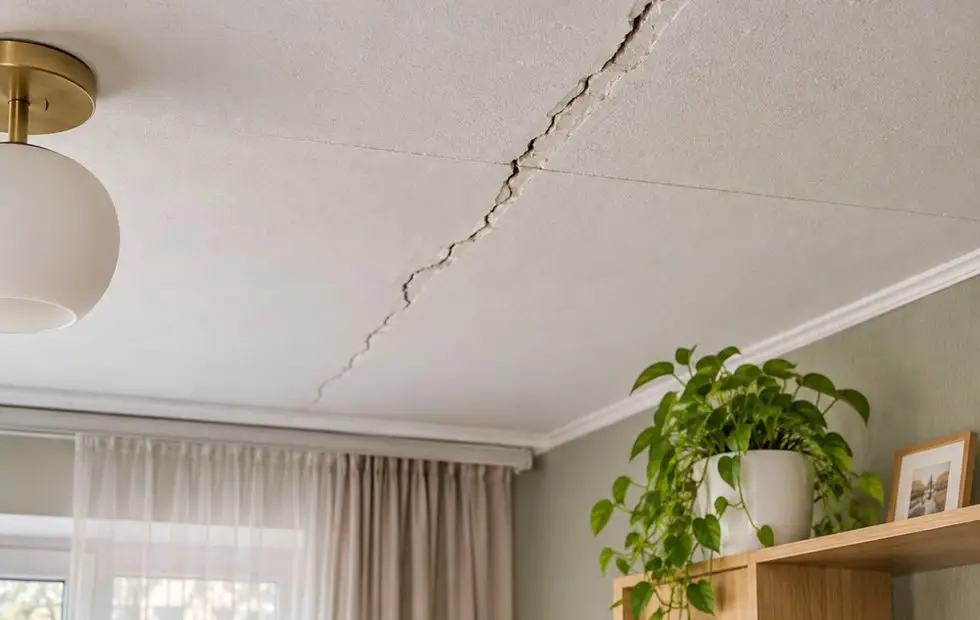
Physical property management requires balancing immediate resident comfort against the long-term structural integrity of the real estate asset. Deferring maintenance inevitably compounds costs, as minor building envelope leaks, foundation settling, or malfunctioning drainage systems quickly evolve into catastrophic structural failures. A structured preventative maintenance schedule prevents expensive capital replacements while supporting consistent tenant retention.
Effective maintenance divides operations into planned seasonal audits and vetted emergency response procedures. Seasonal protocols ensure mechanical systems, weatherproofing, and fire protection equipment remain fully functional throughout changing weather conditions:
- Spring and Summer: Servicing central air conditioning compressors, inspecting flat roof membranes, testing exterior drainage runoffs, clearing foundation gutters, and conducting pest control barriers.
- Autumn and Winter: Servicing boilers and furnace heat exchangers, winterizing exterior irrigation lines, inspecting roof flashing, replenishing de-icing supplies, and clearing snow accumulation.
- Annual Habitability Audits: Testing smoke detectors and carbon monoxide sensors, inspecting fire suppression risers, testing emergency egress lighting, and assessing structural handrails.
Handling physical repairs also necessitates professional contractor vetting protocols. A property manager must curate a network of licensed, insured, and bonded trade specialists, including electricians, master plumbers, and structural carpenters. Engaging unverified contractors exposes building owners to severe premises liability risks, mechanic’s liens, and building code violations. Standard protocol demands collecting updated certificates of general liability insurance naming the property owner as an additional insured before any work commences on site.
Legal Compliance, Habitability Codes, and Lease Administration
Real estate operations are strictly governed by statutory frameworks spanning federal, state, and municipal jurisdictions. Property managers must navigate the Implied Warranty of Habitability, a universal common-law doctrine mandating that residential rental units remain structurally safe, sanitary, and fit for human occupation at all times. This includes maintaining reliable heating, hot and cold running water, functional plumbing, intact electrical systems, and pest-free living areas.
Equally critical is strict compliance with the federal Fair Housing Act and corresponding local human rights statutes. These laws strictly prohibit discrimination based on race, color, national origin, religion, sex, familial status, or disability. Managers must understand reasonable accommodation mandates, such as permitting certified service animals despite building pet restrictions or allowing physical modifications for mobility-impaired residents. Violations can trigger debilitating federal investigations, civil rights penalties, and significant reputational damage.
In cases involving severe lease breaches, such as ongoing property destruction, illicit behavior, or chronic non-payment, managers must execute lawful eviction proceedings. Self-help evictions, such as changing door locks, cutting off utilities, or removing tenant belongings, are illegal across all United States jurisdictions. Enforcing a lease termination requires serving proper statutory notices, filing civil complaints in local housing courts, securing judicial possession judgments, and coordinating execution exclusively through authorized law enforcement officers.
Evaluating Self-Management Versus Professional Management
Third-party property management fees typically average 6% to 10% of gross revenue, providing regulatory expertise in exchange for operational cost.
Real estate owners must routinely assess whether to oversee their portfolios independently or delegate responsibilities to a professional third-party management company. Self-management saves management service fees, which typically range between 6% and 10% of monthly gross rental revenue, but requires substantial time, emotional detachment, and continuous legal education. Delegating operations to a qualified property management firm transforms passive investment capital into a truly detached, hands-off asset.
| Operational Factor | Self-Management Approach | Professional Third-Party Management |
|---|---|---|
| Geographic Proximity | Feasible only if the owner resides within a short driving radius for emergencies. | Enables hands-off remote investing across out-of-state or national rental markets. |
| Time Commitment | High: Demands 24/7 availability for repairs, tenant conflicts, and vacancies. | Minimal: Direct involvement is limited to reviewing monthly performance reports. |
| Contractor Network | Relies on retail pricing and limited personal connections with tradespeople. | Leverages established commercial vendor relationships and bulk material discounts. |
| Regulatory Expertise | Owner assumes full personal responsibility for tracking changing housing laws. | Licensed managers maintain continuous compliance with local and federal codes. |
Conclusion: Preserving Asset Longevity and Maximizing Returns
Successful property management is fundamentally a discipline of risk management and asset preservation. Whether handled directly by an owner or entrusted to professional management firms, overseeing residential rental housing requires equal competence in legal compliance, physical building mechanics, tenant relations, and disciplined financial accounting. By prioritizing preventative maintenance, strictly adhering to fair housing guidelines, and enforcing clear lease structures, rental property owners can protect their structural investments, maintain high occupancy rates, and secure predictable cash flows for decades to come.