Four Outdoor Investments That Are Worth the Money
Every homeowner faces a familiar dilemma when planning exterior renovations: which projects genuinely build long-term property equity, and which ones simply drain your savings? Upgrading your exterior space can dramatically improve your everyday quality of life while delivering measurable returns when it comes time to sell. However, not all backyard additions perform equally on the open market. While some improvements reliably recoup a substantial portion of their installation costs, others become high-maintenance liabilities that deter prospective buyers.
Making smart outdoor investments requires understanding how appraisers, prospective buyers, and building materials interact in the real world. In this guide, you will learn which curb appeal projects deliver the highest cost-to-value ratios, how to evaluate backyard living additions like patios and decks, where outbuildings and energy upgrades fit into modern home valuations, and which high-cost features carry serious risks of overcapitalization.
Key Takeaways
- Prioritize street-facing curb appeal upgrades like garage and entry doors, which consistently recoup between 80% and 100% of their cost.
- Choose ground-level paver patios over elevated wood decks to avoid regular staining costs while regaining 65% to 75% of your investment.
- Add detached storage sheds or finished studios to increase functional utility without paying the high price of contiguous home additions.
- Purchase solar energy systems outright rather than leasing them to keep property transactions smooth and retain full home equity benefits.
- Avoid overcapitalizing on luxury features like custom swimming pools that rarely return more than 35% to 50% of installation expenses.
Outdoor Investments That Actually Add Value to Your Home
Understanding Outdoor Renovation ROI: Lifestyle vs. Resale Equity
Calculating the true return on investment for exterior improvements requires looking beyond simple upfront construction estimates. The financial return on any exterior renovation depends heavily on whether the project enhances essential curb appeal or creates specialized backyard living space. Front-facing upgrades, such as upgraded entry systems or foundational landscaping, directly establish your home’s initial appraisal baseline and curb appeal. In contrast, extensive backyard features appeal primarily to personal leisure and lifestyle habits.
Benchmark data from leading real estate research, including the National Association of Realtors (NAR) Remodeling Impact Report and annual Cost vs. Value studies, consistently reveal that functional, low-maintenance outdoor improvements yield the highest financial recovery rates. A well-designed hardscape patio or an upgraded garage door often recoups 60 to 90 percent of its initial cost at resale. Conversely, highly customized, maintenance-heavy luxury projects rarely return more than 40 to 50 percent of their installed price tag.
Before launching a substantial renovation, balancing your projected years in the property against your financial expectations is essential. If you intend to stay in your home for a decade or more, personal enjoyment may justify a lower-return installation. If you plan to sell within three to five years, your capital is best directed toward high-yield projects that appeal to the broadest possible pool of future buyers.
| Outdoor Improvement | Typical Cost Range | Average Cost Recouped | Primary Value Driver |
|---|---|---|---|
| Stone or Paver Patio | $4,000 to $15,000 | 65% to 75% | Low-maintenance outdoor dining and entertaining |
| Wood or Composite Deck | $8,000 to $22,000 | 60% to 70% | Seamless indoor-outdoor grade transition |
| Prefab / Built Storage Shed | $3,000 to $12,000 | 50% to 60% | Functional storage and garage decluttering |
| Rooftop Solar Array | $15,000 to $28,000 (pre-credit) | Varies / Lower operating costs | Energy independence and tax credit offset |
| In-Ground Swimming Pool | $50,000 to $100,000+ | 35% to 50% | Niche luxury and lifestyle appeal |
| Curb Appeal Upgrades | $1,500 to $5,000 | 80% to 100%+ | First impressions, perceived maintenance quality |
High-Return Groundwork: Patios, Decks, and Outdoor Living Spaces
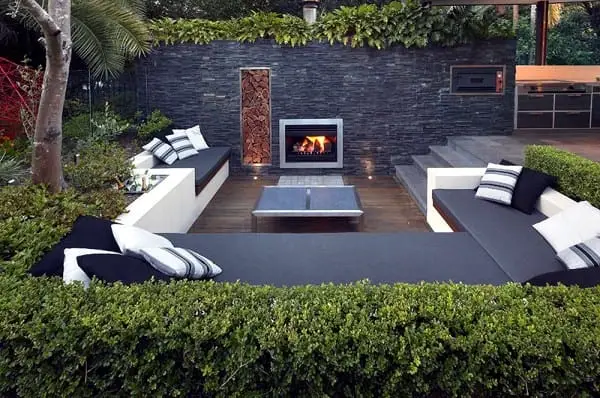
Patios made from stone or pavers typically recoup 65% to 75% of their cost and require far less seasonal maintenance than natural wood decks.
Creating functional square footage outdoors is one of the most cost-effective ways to expand your home’s usable footprint without the steep structural costs of an interior room addition. An outdoor living area acts as a natural extension of the interior floor plan, offering an attractive transition between the main house and the surrounding garden. Today’s buyers prioritize move-in-ready living spaces that accommodate dining, casual lounging, and effortless family gatherings.
Patios vs. Decks: Cost, Maintenance, and Resale Value
When selecting between an elevated deck and a ground-level patio, the decision usually comes down to site topography, material durability, and long-term upkeep. Patios constructed from natural stone, interlocking concrete pavers, or stamped concrete sit directly on grade, eliminating the structural framing requirements and rot vulnerabilities associated with wood. Because pavers require only periodic joint sanding and sealing, they deliver exceptional durability and steady cost recovery over decades of use.
Decks remain the optimal solution for sloped lots or two-story walkouts where a flush ground-level surface is impossible. While natural pressure-treated lumber offers a lower upfront installation price, it demands regular staining, power-washing, and board replacement to prevent structural decay. Modern composite decking materials cost significantly more initially, but they eliminate seasonal refinishing and resist moisture damage, making them increasingly popular with time-conscious home buyers who value low maintenance.
Designing for Seamless Indoor-Outdoor Flow
The financial return of an outdoor living space depends heavily on its architectural cohesion with the rest of the residence. A patio or deck should not look like an afterthought tacked onto the exterior siding; it should reflect the interior proportions, color palette, and circulation paths of the adjoining rooms. Installing wide sliding or French doors creates an uninterrupted sightline that draws natural light deep into the home while inviting occupants outside.
Thoughtful zoning further elevates the functionality of your outdoor living area. Dividing a larger terrace into distinct zones for cooking, dining, and soft seating prevents the space from feeling cluttered. Incorporating low-voltage ambient landscape lighting, integrated perimeter seating, and subtle overhead shade structures, such as a pergola or retractable awning, extends the usability of the area well into the evening hours and through varying seasons.
Functional Outbuildings: Sheds, Studios, and Summer Houses
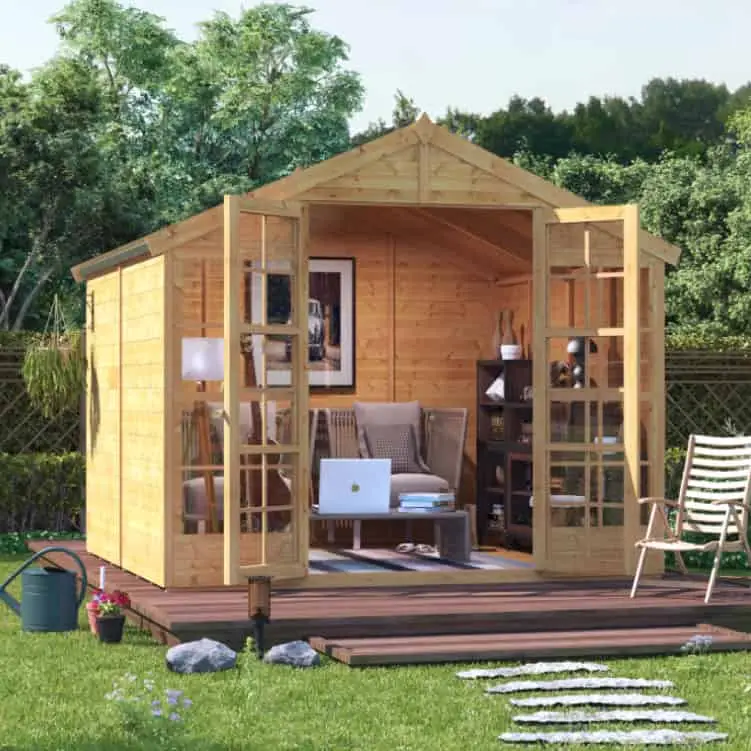
Detached garden structures have evolved far beyond basic tool sheds packed with lawn mowers and rusted gardening shears. Well-constructed outbuildings provide essential functional storage while offering flexible lifestyle utility that appeals strongly to modern households. Whether designed as a quiet retreat, an artisan workshop, or a dedicated home office, an attractive outbuilding maximizes the utility of your yard.
Storage Solutions vs. Finished Workstudios
A standard timber or composite garden shed solves a critical organizational challenge: removing bulky equipment, sporting gear, and seasonal decorations from the main garage or basement. When a property features dedicated exterior storage, the garage can return to its intended purpose of parking vehicles. Prospective buyers immediately notice this practical advantage during open houses, as organized utility space conveys an orderly, well-maintained home.
Finished summer houses and detached garden studios represent a higher tier of outdoor investment. With remote and hybrid work routines firmly established in modern professional life, a detached, climate-controlled office provides an invaluable boundary between work responsibilities and domestic life. Ensuring the structure has a proper concrete or gravel sub-base, durable tongue-and-groove cladding, double-glazed windows, and code-compliant electrical service converts an ordinary outbuilding into an appealing, high-utility lifestyle amenity.
Zoning, Permits, and Appraised Value
Before ordering a prefabricated outbuilding or breaking ground on custom framing, check your local municipal zoning codes and setback requirements. Most jurisdictions enforce strict limits on the maximum square footage, wall height, and proximity to property lines for non-permitted accessory structures. If you intend to run dedicated electricity, plumbing, or heating to create a habitable home office, securing the appropriate building permits is mandatory.
Keep in mind that licensed appraisers calculate square footage based on gross living area (GLA), which requires finished interior space to be contiguous with the main dwelling and fully conditioned. While a detached studio may not always count directly toward your home’s official heated square footage, it provides undeniable market appeal that justifies a higher asking price. Retaining all engineering permits and construction documentation ensures a smooth appraisal and transaction process when you decide to sell.
Energy and Efficiency: Rooftop and Ground-Mounted Solar Panels
Modern exterior investments increasingly focus on operational efficiency and sustainable technology alongside traditional aesthetic updates. Installing residential solar panels allows homeowners to generate clean electricity on site, lowering reliance on local utility grids and offsetting volatile energy prices. As building codes and buyer expectations lean toward energy conservation, sustainable exterior systems have shifted from an experimental novelty into a mainstream selling point.
Financial Offsets and the Clean Energy Credit
The upfront capital required for a photovoltaic solar installation has historically presented a hurdle for homeowners, but financial incentives significantly ease that burden. Under the federal Residential Clean Energy Credit, qualifying homeowners can claim a substantial percentage of their total system installation costs on their federal tax returns. In addition to federal credits, many state governments and regional utility providers offer localized net-metering tariffs, property tax exemptions, and equipment rebates that compress your payback timeline.
Once operational, an appropriately sized solar array generates clean electricity that substantially reduces your monthly power bills. Over an operating lifespan of twenty-five to thirty years, the cumulative utility savings routinely surpass the initial post-credit installation cost. This ongoing utility reduction offers immediate financial relief to the current occupant while providing compelling documentation of low overhead costs to future purchasers.
Owned Systems vs. Leased Equipment
The way you finance an exterior solar system dramatically influences its impact on your property’s resale value. Industry research confirms that owned solar systems, whether purchased upfront with cash or financed through a specialized home improvement loan that is paid off prior to closing, reliably enhance property equity. Buyers appreciate acquiring an energy-producing asset that immediately reduces their monthly living expenses without adding new financial obligations.
Conversely, third-party solar leases and Power Purchase Agreements (PPAs) frequently create friction during real estate transactions. When a system is leased, the buyer must either qualify for and assume the seller’s long-term contract or request that the seller buy out the remaining balance before closing. To protect your investment equity, prioritize direct ownership whenever installing solar panels on your roof or grounds.
Low-Return Outdoor Upgrades and Overcapitalization Risks
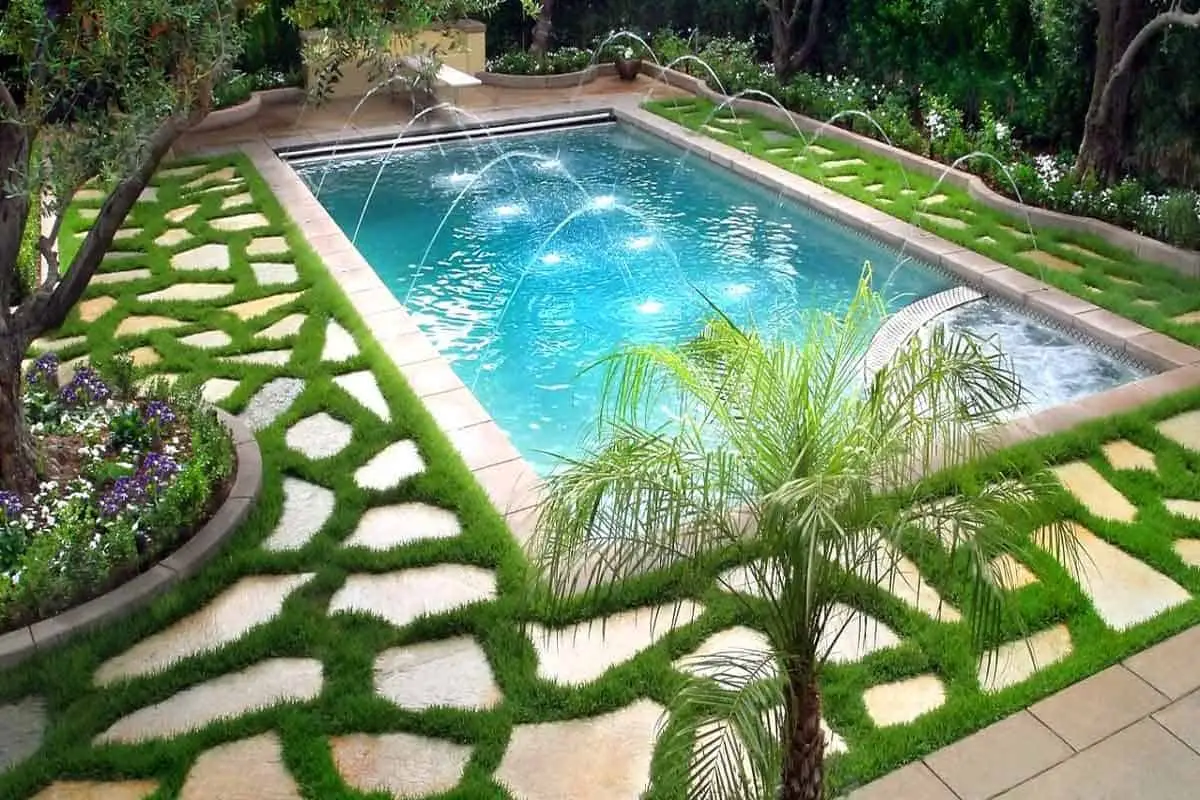
In-ground pools and custom outdoor kitchens rarely recoup more than 35% to 50% of their cost due to high installation prices and ongoing upkeep.
Not every exterior project delivers a positive financial return, and over-improving a property relative to neighborhood standards is a common homeowner misstep. Investing heavily in highly customized, expensive outdoor amenities often results in overcapitalization, where your total construction expenditure far outpaces what the surrounding market will bear. Discerning which projects act as financial anchors helps you allocate your renovation capital prudently.
The Swimming Pool Reality Check
A private in-ground swimming pool remains the ultimate symbol of backyard leisure, conjuring images of warm summer afternoons, aquatic exercise, and memorable social gatherings. However, strictly from a cost-to-value perspective, an in-ground pool is one of the lowest-performing exterior investments a homeowner can undertake. Building a custom pool frequently costs between $50,000 and well over $100,000, yet industry data indicates it rarely recoups more than 35 to 50 percent of that initial investment at resale.
Beyond the steep initial capital expenditure, pools introduce continuous operational expenses and legal liabilities that deter a significant segment of the buying public:
- Routine Maintenance and Utilities: Pumps, filtration systems, seasonal opening and closing services, and chemical balancing require substantial monthly expenditures.
- Safety and Regulatory Mandates: Households with young children or pets often view open water as a major hazard, necessitating dedicated safety barriers, perimeter fencing, and lockable safety covers.
- Insurance and Depreciation: Homeowners insurance premiums typically climb once a pool is installed, while gunite surfaces, vinyl liners, and mechanical heaters degrade over time, demanding expensive mid-life repairs.
A swimming pool makes genuine sense primarily if you reside in a warm year-round climate where neighborhood comps expect one, and if your family intends to utilize the amenity extensively for years to come. In cooler, seasonal climates, it often narrows your prospective buyer pool significantly.
Overbuilt Outdoor Kitchens and Specialized Hardscaping
Elaborate outdoor kitchens featuring built-in gas ranges, stainless steel refrigeration units, wine chillers, and custom masonry bars represent another common overcapitalization risk. While an exterior prep counter and quality barbecue grill add immense lifestyle enjoyment, exposed plumbing and complex electrical circuits suffer aggressive wear and tear from seasonal weather extremes.
When winter freezing temperatures arrive, exterior water lines must be meticulously drained and winterized to prevent burst pipes. Furthermore, buyers often view intricate masonry installations as rigid features that limit how they can utilize the yard. Keeping outdoor cooking setups modular, practical, and proportionate to the home ensures you enjoy the convenience without saddling your property with difficult-to-maintain equipment.
Curb Appeal Investments with the Highest Resale Return
Front entry and garage door replacements consistently deliver the highest returns, often recouping 80% to 100% of their costs at resale.
While homeowners often dedicate the bulk of their renovation budget to secluded backyard projects, the front facade of your property frequently delivers the highest financial return per dollar spent. First impressions dictate buyer sentiment, and visible curb appeal upgrades set an immediate psychological benchmark for how well the home has been cared for over the years. Enhancing your home’s exterior envelope yields outsized equity gains with minimal project disruption.
Front Entry and Garage Door Replacements
Year after year, national cost-to-value surveys rank garage door replacements and front entry door upgrades at the absolute top of residential remodeling returns. An outdated, dented, or fading garage door detracts from the entire street-facing facade, particularly on homes where the garage occupies a prominent portion of the front elevation. Replacing an aging unit with an insulated, carriage-style, or contemporary architectural door often recoups nearly 90 to 100 percent of its installed cost at resale.
Similarly, upgrading a weathered front door creates an instant focal point. A heavy fiberglass or steel entry door with modern hardware improves thermal performance, heightens home security, and elevates the perceived craftsmanship of the entire house. Adding a fresh coat of high-contrast exterior paint to an existing solid wood door delivers comparable aesthetic impact at an even lower investment threshold.
Foundation Landscaping, Walkways, and Architectural Lighting
Mature, well-tended landscaping serves as the foundational frame for your home’s architecture. Overgrown, neglected evergreen shrubs and dead tree limbs obscure windows, trap dampness against the exterior siding, and project an impression of deferred maintenance. Investing in strategic pruning, healthy foundational plantings, fresh organic mulch, and clean stone edging instantly refreshes the visual presentation of the lot.
Pairing thoughtful plant selections with a well-maintained walkway and low-voltage exterior lighting completes the transformation. A lit pathway constructed from solid bluestone or modular pavers safely guides guests to the entryway while highlighting architectural texture after sundown. These low-cost, high-impact exterior touches elevate appraisal perceptions while ensuring your home stands out vividly in digital listing photographs.
Practical Checklist Before Breaking Ground on Exterior Upgrades
Before committing capital to any major outdoor project, running your proposed plan through a rigorous evaluation checklist prevents costly planning mistakes. Balancing material durability, neighborhood context, and municipal building codes ensures that every dollar invested works toward increasing your property’s overall worth.
- Evaluate Neighborhood Comparables: Survey nearby properties to understand local market expectations. If no other home on your street has a custom pool or an extensive outdoor pavilion, installing one risks pricing your home out of the local buyer market.
- Prioritize Low-Maintenance Materials: Select exterior building products designed to resist local weather conditions, such as fiber-cement siding, stone pavers, and UV-resistant composite boards, to minimize lifetime ownership expenses.
- Confirm Permitting and HOA Regulations: Review municipal zoning ordinances, drainage easements, and homeowner association guidelines before purchasing supplies or hiring contractors. Unpermitted structures create severe obstacles during future title transfers.
- Leverage Available Tax Incentives: Research federal, state, and utility-level incentive programs for clean energy, stormwater mitigation, and energy-efficient exterior envelope improvements before starting work.
- Design for Multifunctional Flexibility: Build spaces that can adapt easily to changing household needs over time, ensuring your exterior space remains functional whether you are hosting large summer gatherings or seeking quiet solitude.
Maximizing the Long-Term Equity of Your Outdoor Living Space
Investing in your home’s exterior is ultimately about striking a harmonious balance between everyday comfort and long-term financial wisdom. Thoughtful outdoor investments allow you to savor your property to the fullest while simultaneously building durable equity that pays dividends when it comes time to move on.
Focus your primary capital on universally valued improvements: functional paver patios, clean hardscapes, organized storage, high-return curb appeal elements, and sustainable energy efficiency. By steering clear of over-customized, high-maintenance additions that appeal only to a narrow audience, you protect your hard-earned savings and ensure that every enhancement adds genuine, lasting value to your home.