Modern Home Design with Plants
A well-placed houseplant does something for a contemporary interior that no piece of furniture or artwork can replicate. Living greenery introduces organic texture, sculptural silhouettes, and natural movement into clean, geometric spaces. Yet, bringing plants into a modern interior requires more than simply buying a few pots at the nursery and scattering them across windowsills. Without a deliberate plan, greenery quickly turns into visual clutter that disrupts the calm atmosphere of contemporary architecture.
In this guide, we explore how to treat indoor plants as essential design elements. You will discover how to select architectural statement species, pair them with modern vessels and pedestal stands, style them across different rooms, and maintain them so they thrive for years to come. Whether you are furnishing a high-ceiling loft or a compact minimalist apartment, these strategies will help you integrate foliage seamlessly into your home.
Key Styling Takeaways
- Select architectural species like Fiddle Leaf Fig, Bird of Paradise, or Snake Plant whose structured silhouettes complement modern geometric interiors.
- Protect negative space by choosing one substantial floor specimen instead of clustering numerous small pots together.
- Arrange tabletop greenery in asymmetrical clusters of 3 to create natural visual balance across credenzas and shelves.
- Pair foliage with matte ceramic, cast concrete, or steel planters to echo clean contemporary architectural finishes.
- Test soil moisture 2 inches below the surface before watering to prevent root rot and protect your floor surfaces.
How to Style Indoor Plants in a Modern Home: An Architectural Guide
The Power of Architectural Indoor Plants in Contemporary Design
Treat indoor plants as living sculptures with bold, upright geometry to balance modern lines rather than treating them as cluttered tabletop decorations.
Modern architecture often leans on crisp lines, neutral palettes, and smooth surfaces like polished concrete, glass, and steel. Using architectural indoor plants allows you to introduce organic contrast while honoring the structured discipline of modern design. Rather than thinking of plants as mere decorative accessories, we treat them as living sculptures that define zones, draw the eye upward, and soften stark transitional corners.
When selecting plants for a modern setting, form and leaf geometry take center stage. Broad, upright, or geometrically defined leaves reinforce modern aesthetics far better than chaotic, bushy foliage. By choosing species with distinct architectural forms, you make an intentional design statement that anchors the entire room.
Top Statement Plants for Modern Interiors
Certain species naturally complement contemporary spaces through their structural growth patterns and bold profiles:
- Fiddle Leaf Fig (Ficus lyrata): Renowned for its violin-shaped, leathery leaves, this tree provides a dramatic focal point in rooms with high ceilings and generous indirect sunlight.
- Bird of Paradise (Strelitzia nicolai): Featuring massive, paddle-like frills, it creates an instant tropical focal point that pairs effortlessly with mid-century and minimalist architecture.
- Snake Plant (Sansevieria trifasciata): With rigid, sword-like leaves that grow strictly vertical, this plant embodies clean geometry and thrives in almost any light condition.
- Rubber Tree (Ficus elastica): Its glossy, deep green or burgundy foliage offers deep color depth and a strong upright habit suited for corners.
- Monstera Deliciosa: The distinctive perforated foliage adds graphic interest and mid-century modern appeal to bright living spaces.
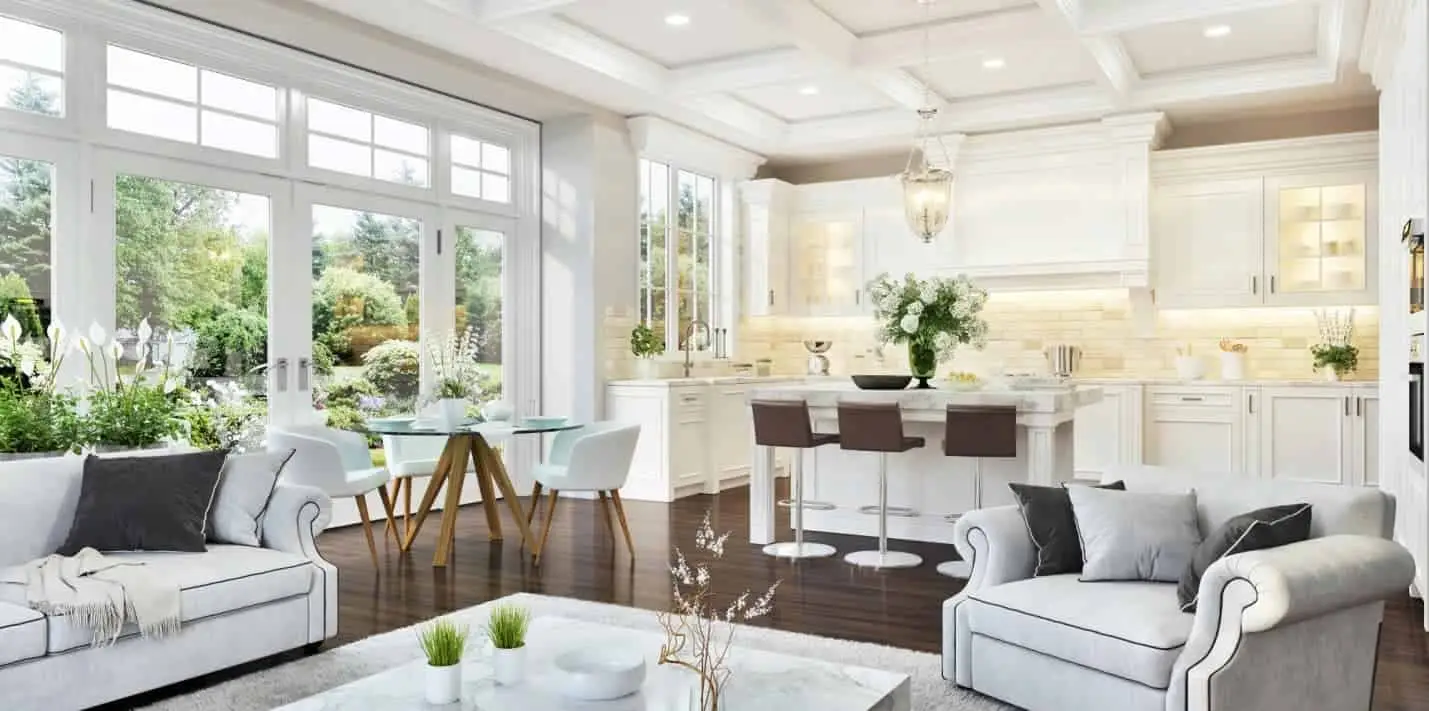
| Plant Species | Visual Form | Light Requirements | Design Role |
|---|---|---|---|
| Fiddle Leaf Fig | Canopy tree with large, violin-shaped foliage | Bright, indirect sunlight | Primary vertical anchor in living rooms |
| Bird of Paradise | Spreading, upright paddle leaves | Bright light with some direct sun | Statement focal point in open layouts |
| Snake Plant | Vertical, sword-like architectural blades | Low to bright indirect light | Narrow corner accent and room divider |
| Rubber Tree | Sturdy trunk with thick, broad glossy leaves | Medium to bright indirect light | Deep color anchor against light walls |
| Monstera Deliciosa | Vining, expansive leaves with natural perforations | Medium to bright indirect light | Organic counterbalance to rigid shelving |
Minimalist Plant Styling: Principles for Avoiding Visual Clutter
Prioritize scale over sheer quantity, and always protect negative space around every specimen so individual plant profiles stand out clearly.
Minimalist interior design relies on intentional restraint and the thoughtful use of negative space. The secret to successful modern houseplant decor lies in editing your collection so that every individual plant has space to breathe. Overcrowding surfaces with dozens of mismatched pots instantly diminishes the refined aesthetic you want to achieve.
To keep your greenery feeling intentional and polished, we recommend applying several core styling principles throughout your home:
- Respect negative space: Leave ample blank wall and empty floor around every specimen. The open area frames the plant, elevating it from standard houseplant to featured sculpture.
- Scale over quantity: One substantial floor tree creates far more visual impact in a modern room than five small tabletop pots clustered together.
- The rule of odd numbers: When grouping smaller plants on a console or credenza, arrange them in clusters of three with varying heights to create balanced visual rhythm.
- Unified color palettes: Keep planter finishes consistent across a room, using monochrome tones or tonal natural materials so the foliage remains the primary focus.
Choosing Modern Indoor Planters and Stands
A plant is only as stylish as the vessel holding it, making container selection just as important as the plant itself. In a contemporary home, modern indoor planters and stands act as architectural pedestals that elevate greenery into cohesive home furnishings. Traditional ornate pots or busy floral containers can clash with sleek interior lines, whereas restrained materials enhance them.
When selecting containers, prioritize materials that resonate with modern architectural finishes. Matte ceramics in chalk white, charcoal, or soft sand offer quiet elegance. Cast concrete containers, whether smooth or subtly fluted, provide an industrial anchor that balances delicate foliage. For warmth, pair these mineral finishes with elevated planter stands crafted from oiled oak, walnut, or powder-coated matte black steel.
Always consider functional drainage when choosing your vessels. Many designer pots lack drainage holes, which can quickly lead to root rot. We advise keeping your plants in their lightweight plastic nursery pots and placing them inside decorative cachepots fitted with plastic drip trays. This simple approach protects your hardwood floors and millwork while making regular watering routines painless.
Room-by-Room Guide to Modern Houseplant Decor
Every room in a home serves a distinct function and offers a unique microclimate based on light, airflow, and humidity. Tailoring your plant selections to the specific spatial qualities of each room produces an effortless interior flow. Let us walk through how to style greenery across the major living zones of your house.
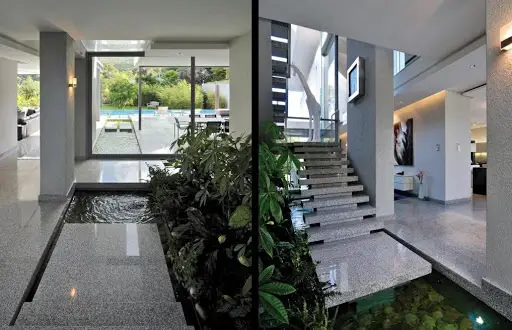
The Living Room: Architectural Statement Anchors
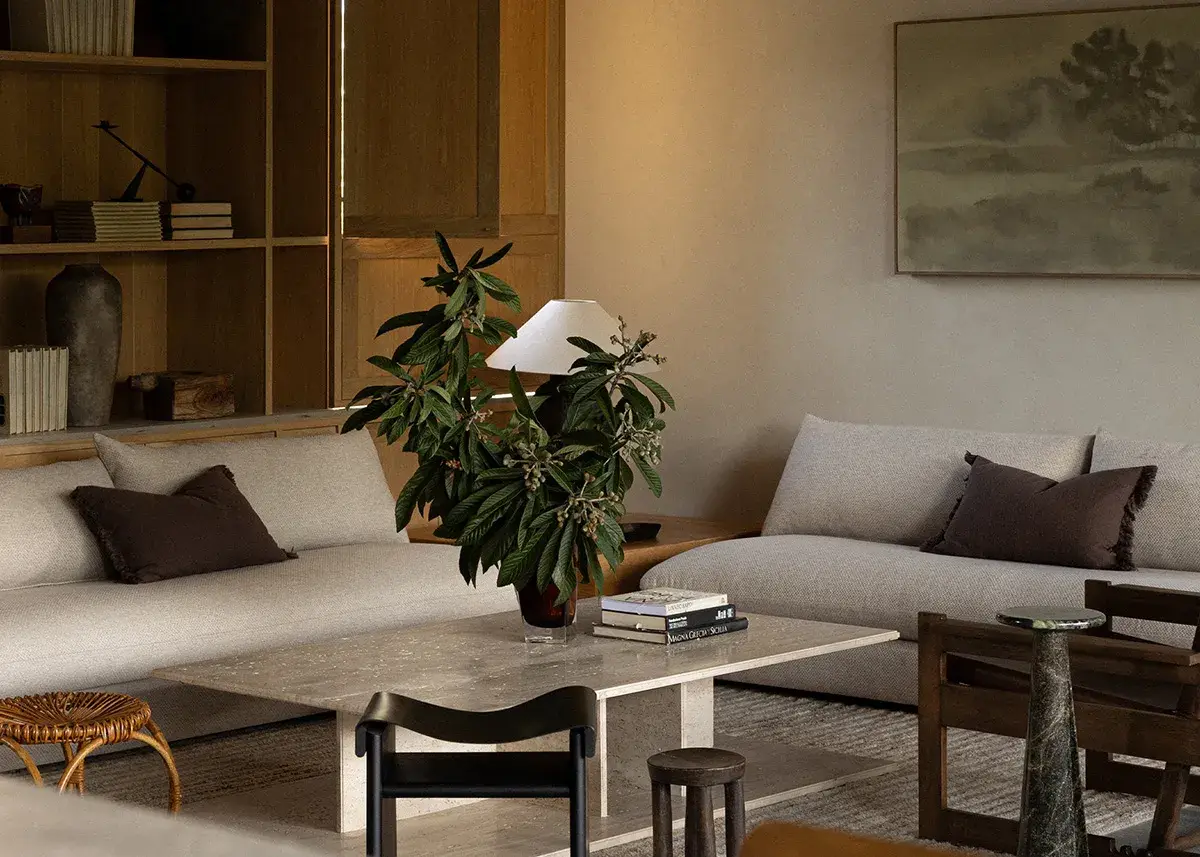
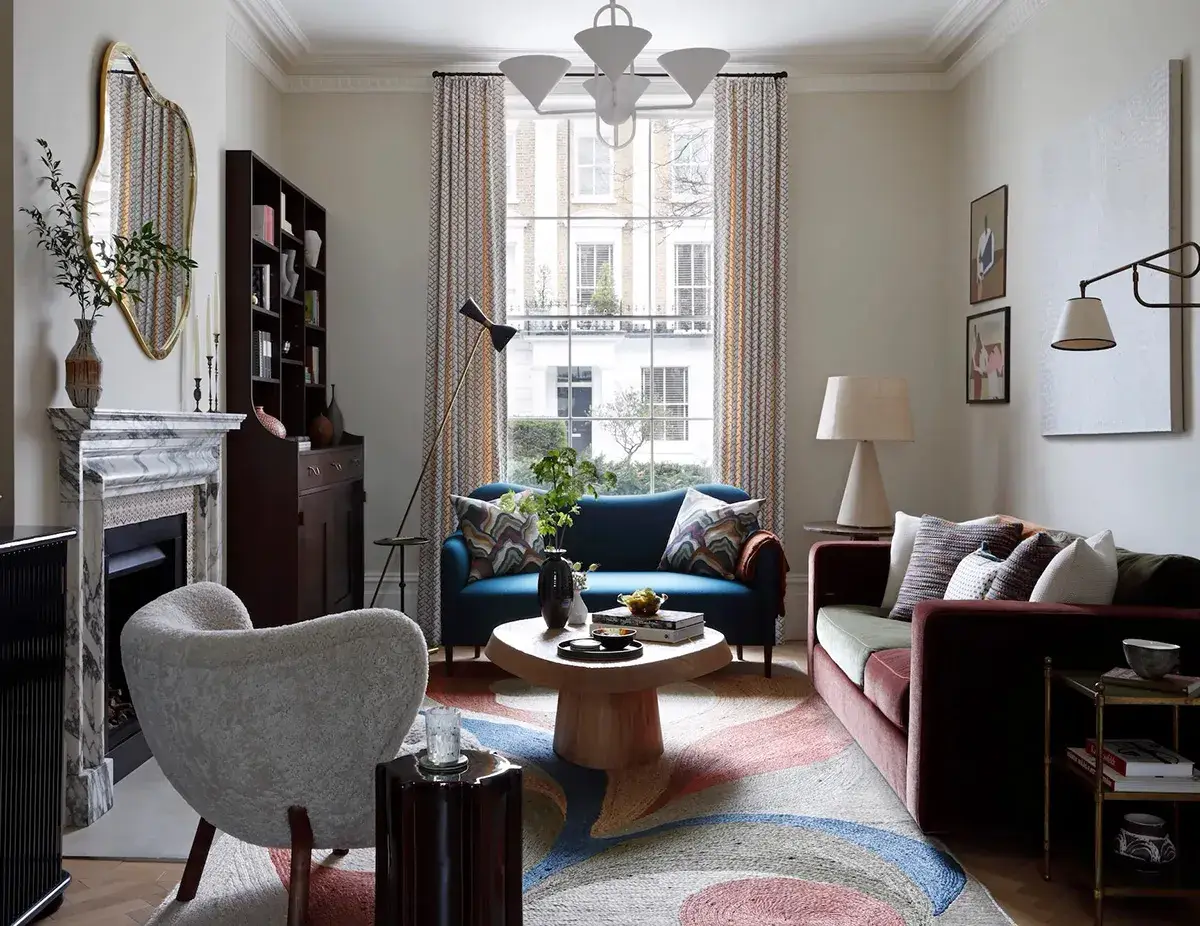
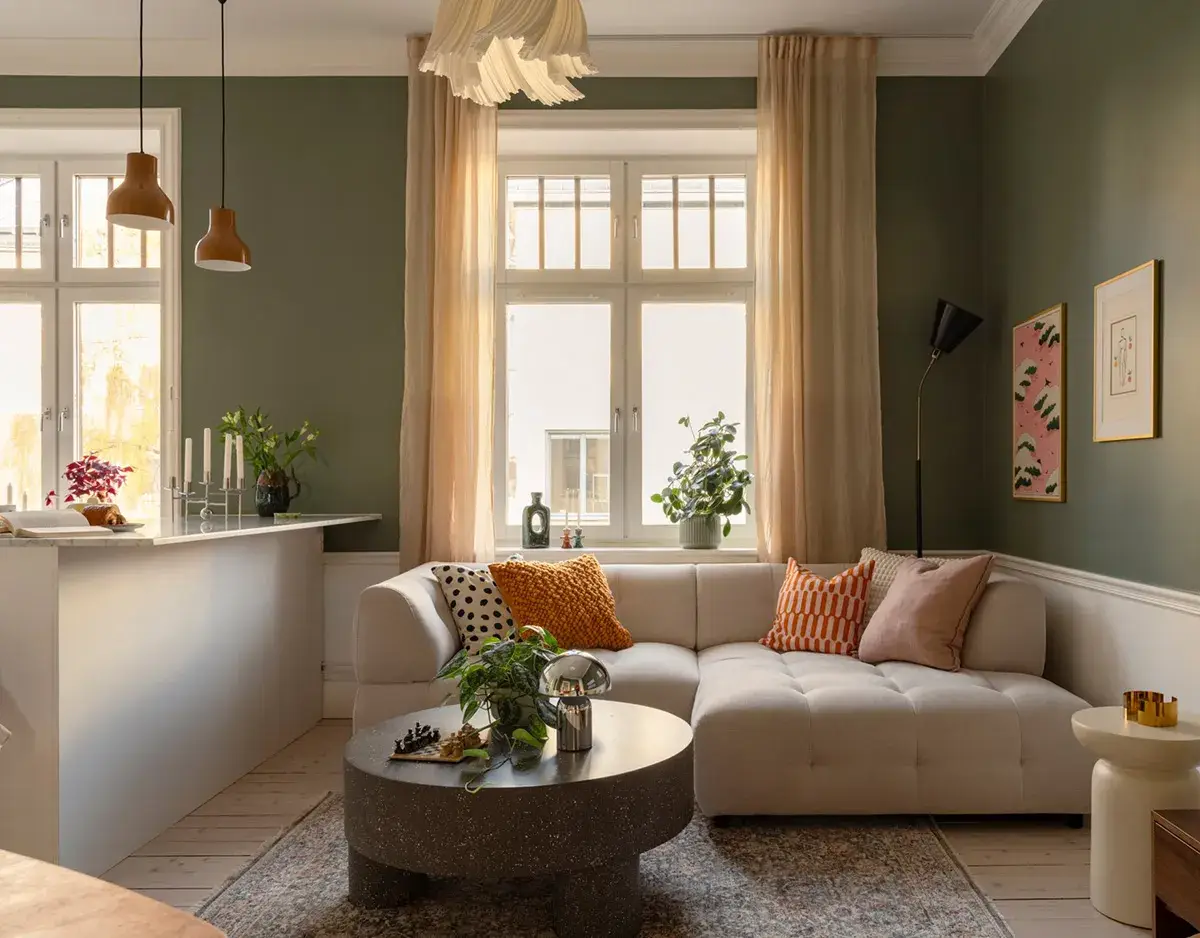
The living room is typically your largest entertaining zone and benefits most from substantial vertical greenery. We love positioning a tall specimen, such as a mature Fiddle Leaf Fig or Bird of Paradise, next to a sofa or alongside expansive glazing. This placement creates a natural bridge between your indoor living space and the landscape outside.
If your seating area feels disconnected, place an elevated planter stand near an accent chair to create a cozy, layered reading corner. Maintain clear pathways by choosing plants whose spread does not impede foot traffic or block line of sight across conversation areas.
The Bedroom: Restful, Low-Key Accents
Bedrooms demand calming atmospheres free of visual noise and demanding maintenance schedules. Instead of crowding your nightstands, select a single upright Snake Plant in a slender ceramic cylinder, or place a peace lily on a low dresser. These varieties tolerate variable light, filter indoor air, and lend quiet tranquility that encourages restful sleep.
The Kitchen and Dining Room: Clean, Sculptural Details
Kitchen and dining environments call for compact plants that resist grease and temperature shifts without interfering with meal preparation. A row of potted culinary herbs on a sunny sill combines utility with visual charm. On a dining table or kitchen island, skip sprawling arrangements in favor of a low, wide bowl planted with structural succulents or a sculptural Chinese Money Plant (Pilea peperomioides).
The Bathroom: Creating a Modern Spa Sanctuary
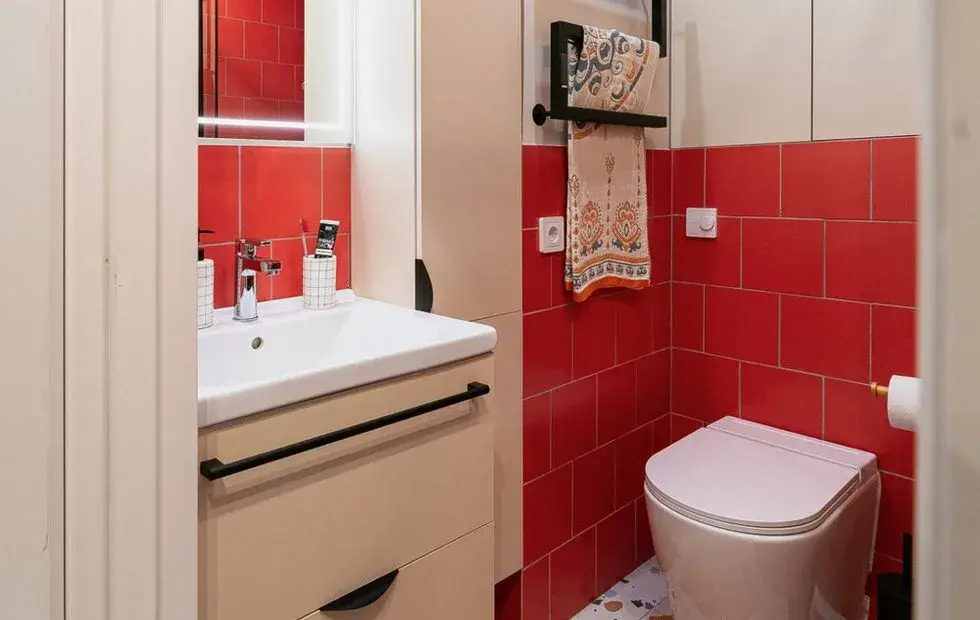
Bathrooms frequently offer higher humidity and lower light, replicating tropical understory environments. You can transform a plain bathroom into a spa retreat by adding moisture-loving plants like Boston Ferns, Calatheas, or trailing Philodendrons. Hang them from minimalist ceiling hooks or set a trailing pothos atop a floating vanity to soften hard porcelain tile surfaces.
Low-Maintenance Houseplants for Busy Modern Living
Achieving a modern plant-filled interior should not require spending your weekends troubleshooting finicky foliage. Selecting resilient, low-maintenance houseplants allows you to enjoy lush contemporary styling without the constant anxiety of plant decline. For beginners or busy professionals, robust varieties deliver remarkable durability alongside striking forms.
Here are several foolproof options that thrive with minimal intervention:
- ZZ Plant (Zamioculcas zamiifolia): With its upright stalks and glossy, deep emerald leaves, the ZZ plant resembles polished jade. It tolerates deep shade, thrives on neglect, and only asks for water every few weeks.
- Cast Iron Plant (Aspidistra elatior): True to its name, this classic interior plant handles low light, drafty hallways, and erratic watering without dropping foliage.
- Pothos (Epipremnum aureum): Adaptable to nearly any light setting, its cascading vines bring softness to modern open shelving, floating credenzas, and wall ledges.
- Compact Succulents and Cacti: For sun-drenched surfaces, varieties such as Aloe, Haworthia, and Echeveria deliver neat geometry and require almost zero watering during cooler months.
Baseline Care: Keeping Your Greenery Thriving Indoors
Check the top 2 inches of soil before watering to prevent root rot, and place plants where they receive ample bright, indirect daylight.
Even the most stylish design composition falls flat if the plants within it are wilting, yellowing, or dropping foliage. Establishing a simple baseline care routine protects your design investment and keeps your home looking vibrant. While each species has specific preferences, mastering four foundational elements ensures lasting success for your indoor garden.
First, evaluate natural light accurately. Most indoor plants prefer bright, indirect sunlight, which means positioning them near windows where they receive abundant illumination without the scorched heat of direct midday sun. If you have south-facing glass, sheer linen curtains diffuse harsh rays into soft ambient light that foliage loves.
Second, avoid the temptation to overwater. Overwatering is the single most common cause of houseplant failure. Always insert your finger two inches into the potting mix before watering: if the soil feels damp, wait a few days. During winter months, plant growth naturally slows down, meaning watering frequency should drop accordingly.
Third, recognize that indoor spaces differ dramatically from outdoor gardens. Some garden plants will wilt when you move them indoors because residential air lacks natural humidity and active air circulation. Choose cultivated indoor species bred specifically for domestic interiors rather than transplanting delicate outdoor beds directly into your living room.
Final Thoughts: Living Design for Modern Interiors
Incorporating indoor plants into your home is one of the most rewarding ways to elevate contemporary interior architecture. By focusing on strong architectural silhouettes, restrained planter palettes, and generous negative space, you create rooms that feel calm, sophisticated, and deeply connected to nature. Start with a single statement plant in your main living space, master its care, and thoughtfully expand your collection room by room.