8 Excellent Ideas to Transform your Garden this Summer
You do not need acres of rolling land or an exorbitant renovation budget to cultivate a backyard that feels like an intentional extension of your home. A successful garden transformation balances architectural structure with comfortable living areas, durable materials, and thoughtful planting. Whether you are working with a compact courtyard, an unruly suburban plot, or an outdated patio, small design shifts can fundamentally change how you use your outdoor environment throughout the warmer months.
In this guide, we explore eight practical ways to transform your garden for summer entertaining and daily relaxation. You will learn how to establish distinct functional zones, revive worn hardscaping, integrate ambient lighting, and weave in architectural water and fire features that elevate your garden layout without requiring a complex structural overhaul.
Quick Garden Guide
- Divide your outdoor space into dedicated zones for dining, lounging, and play to maximize usability.
- Allow at least 1 metre of perimeter clearance around alfresco dining tables so chairs slide back easily.
- Power-wash weathered stone and apply a fresh stain to existing decking to renew hardscaping on a modest budget.
- Combine solar path markers, architectural uplights, and overhead festoons to extend patio use into the evening.
- Install self-contained water features or compact fire cauldrons to establish an architectural focal point.
- Spread a 5-centimetre layer of organic bark mulch across all garden beds to retain soil moisture during heatwaves.
Transform Your Garden: Practical Ideas for a Complete Outdoor Makeover
Establish Functional Garden Zoning
Divide your outdoor area into dedicated functional zones using distinct surface textures and low borders to make modest plots feel organized and spacious.
Modern landscape architecture treats the garden as an outdoor floor plan where every square metre serves a clear purpose. Functional zoning divides your yard into dedicated areas for dining, lounging, active play, and quiet contemplation. By establishing clear boundaries between activities, even modest spaces feel significantly larger and far more organized.
To define these distinct zones without building rigid walls, we recommend using contrasting ground materials, low-level hedging, raised planter boxes, or outdoor rugs. For example, a timber dining deck can transition smoothly onto a fine gravel lounge area flanked by aromatic herbs. This technique prevents outdoor furniture and accessories from drifting into a cluttered arrangement across your open lawn.
| Garden Zone | Primary Function | Recommended Materials | Key Design Considerations |
|---|---|---|---|
| Alfresco Dining | Entertaining and shared family meals | Composite decking, smooth porcelain pavers, mortared stone | Locate close to the kitchen; allow 1 metre clearance around tables for pulling out chairs. |
| Casual Lounge | Relaxing, reading, and evening socialising | Stabilised pea gravel, outdoor rugs over pavers, timber platform | Position in afternoon sun or around a central focal point like a fire table. |
| Play and Recreation | Children’s games, sports, and pet activities | Cushioned artificial turf, natural lawn, bark mulch | Ensure clear sightlines from seating areas and select resilient surfaces. |
| Vegetable and Herb Garden | Culinary planting and seed cultivation | Timber raised beds, terracotta planters, modular metal troughs | Requires minimum 6 hours of direct sunlight daily and easy access to a garden hose or water butt. |
When zoning small urban plots, keep sightlines open so the eye travels across the full depth of the space. You can visually divide areas using slatted timber screens or tall ornamental grasses rather than solid partitions that cast heavy shade.
Revitalise Your Decking and Patio Foundation
Before buying new furniture or plants, address the horizontal plane that anchors your outdoor living space. A thorough patio and decking makeover provides the clean architectural canvas necessary for all other decorative elements to shine. Weathered timber, mossy flagstones, and stained concrete prematurely age an otherwise healthy landscape.
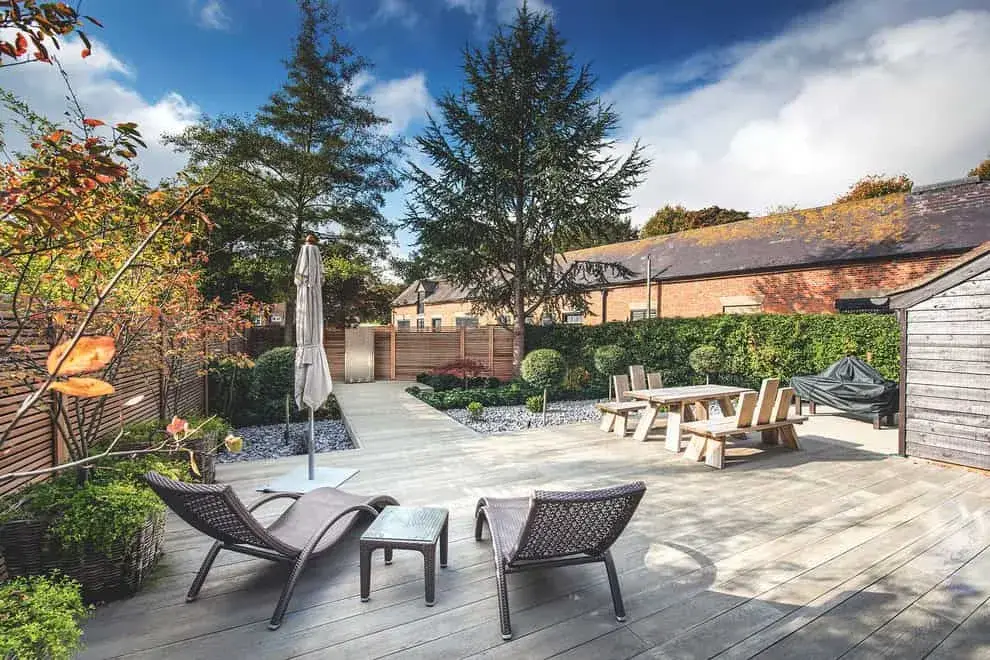
Garden decking has long been utilised by homeowners to expand their living space, bridging the gap between inside and out. When designed with generous proportions, decking forms an inviting natural stage where hosts and guests congregate for social gatherings while taking in views of the surrounding garden. You can also build detached platform decking on the far side of your plot, creating a secluded, sun-drenched sanctuary away from the main house.
If your budget does not allow for a complete deck rebuild, you can achieve a dramatic transformation using cost-effective surface treatments:
- Power-wash accumulated grime and moss from flagstones and pavers to restore their natural mineral tone.
- Sand back weathered timber boards and apply a modern exterior wood stain in charcoal, warm teak, or soft driftwood grey.
- Rake away broken pathways and lay down a weed membrane topped with warm gravel or slate chippings for clean edges.
- Refresh perimeter timber fencing with a uniform dark paint, which makes vibrant green foliage pop forward visually.
Furnish for Everyday Outdoor Living
Modern garden furniture reflects the sophisticated silhouettes, rich textures, and deep cushions once reserved exclusively for indoor sitting rooms. Investing in high-performance outdoor seating immediately turns an underutilised patio into a second family room. Choosing modular, low-slung lounge furniture keeps sightlines low and invites guests to unwind for hours.
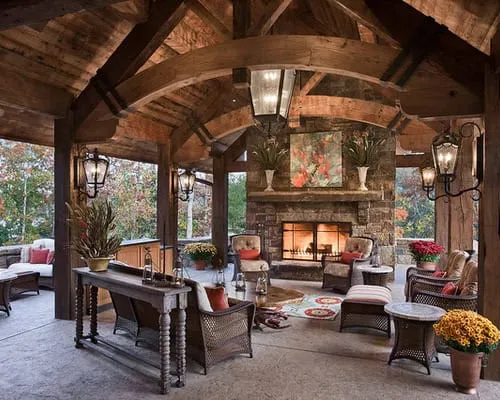
When selecting outdoor pieces, balance aesthetic appeal with weather resilience. We favour powder-coated aluminium frames, sustainably sourced teak, and UV-stabilised solution-dyed acrylic fabrics like Sunbrella that repel summer rain showers without fading. Add warmth and tactile interest by layering woven all-weather rugs, linen-blend throw pillows, and lightweight outdoor throws for brisk evenings.
For flexible entertaining, consider modular corner sets that you can pull apart when hosting larger groups, or slim bench seating paired with an extendable dining table to preserve foot traffic in narrower spaces.
Harness Ambient and Solar Garden Lighting
Layer subtle illumination across three levels with low path markers, specimen uplights, and overhead pendants to create warmth after dusk without glare.
A garden without strategic lighting disappears the moment dusk arrives, cutting your outdoor enjoyment short. Thoughtful garden lighting creates dramatic depth, highlights architectural foliage, and guides foot traffic safely along pathways. The key to a refined lighting scheme is avoiding harsh floodlights in favour of subtle, layered illumination.

To achieve a modern feel to your garden, solar lights are a brilliant, yet inexpensive, feature that looks amazing during the evening. Place the lights along the garden path, or wherever you see fit, and allow them to charge during the day in order to experience their full benefit when the sun goes down. These lights provide a warm, romantic setting for dining and relaxing on balmy summer nights.
For a complete illumination plan, we suggest combining three primary lighting levels:
- Path and Step Markers: Low-voltage or solar spike fixtures tucked into gravel borders or integrated flush into deck risers.
- Feature Uplights: Narrow-beam spotlights angled upward against mature tree trunks, textured stone walls, or sculptural specimen shrubs.
- Overhead Ambiance: Dimmable warm festoon lighting or understated woven pendants suspended beneath pergolas, parasols, or sturdy tree branches.
Build Engaging Family and Play Spaces
Designing a garden that delights young children without compromising your aesthetic vision is entirely possible with clever planning. Any garden that is home to a family with young children should incorporate a play area where the little ones can safely explore. Integrating natural play structures into the borders ensures the yard remains balanced and visually appealing.
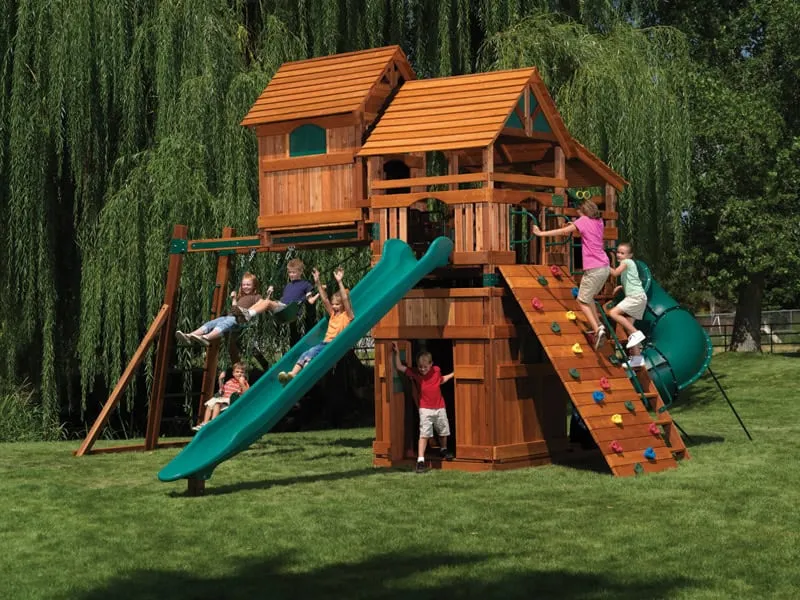
Rather than using garish plastic play sets, we advise choosing timber climbing frames, sunken trampolines, or cedar playhouses stained to match your boundary fencing. Incorporate interactive sensory elements like a neat sandpit with a hinged wooden lid, stepping-stone pathways cut from timber rounds, or a dedicated mud kitchen tucked behind evergreen screening.
Lawn maintenance can quickly become a struggle when exposed to intense summer games and pet activity. If you have grown tired of mowing the lawn every weekend, synthetic turf offers a durable solution. High-density artificial grass provides a cushioned all-weather surface that is suitable for rough play, ensuring that children can run outside immediately after a rain shower without trailing mud through the house.
Introduce Tranquil Water Features and Ponds
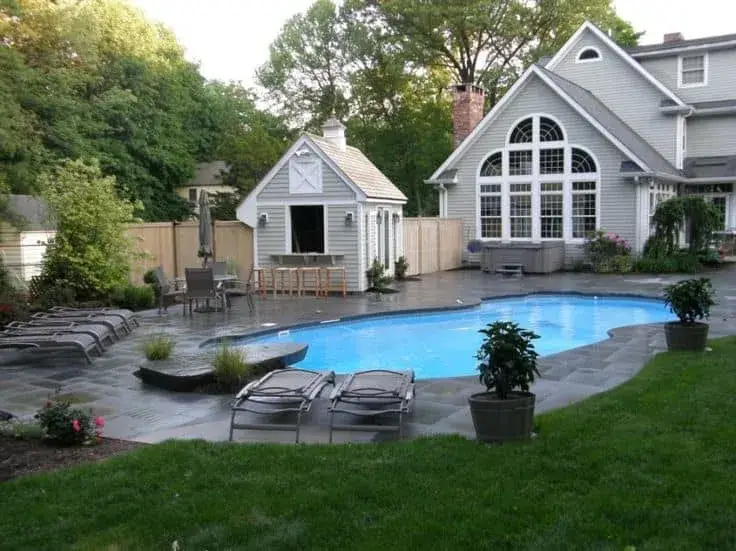
Water introduces acoustic movement and reflective light to an outdoor space, masking surrounding street noise with gentle, soothing sound. The tranquillity of sitting beside calm water is something every homeowner deserves to experience in their personal sanctuary. Incorporating water in this way reflects one of our favourite Middle-Eastern influences, drawing directly from traditional courtyard paradise gardens that prioritise reflection, shade, and sensory respite.
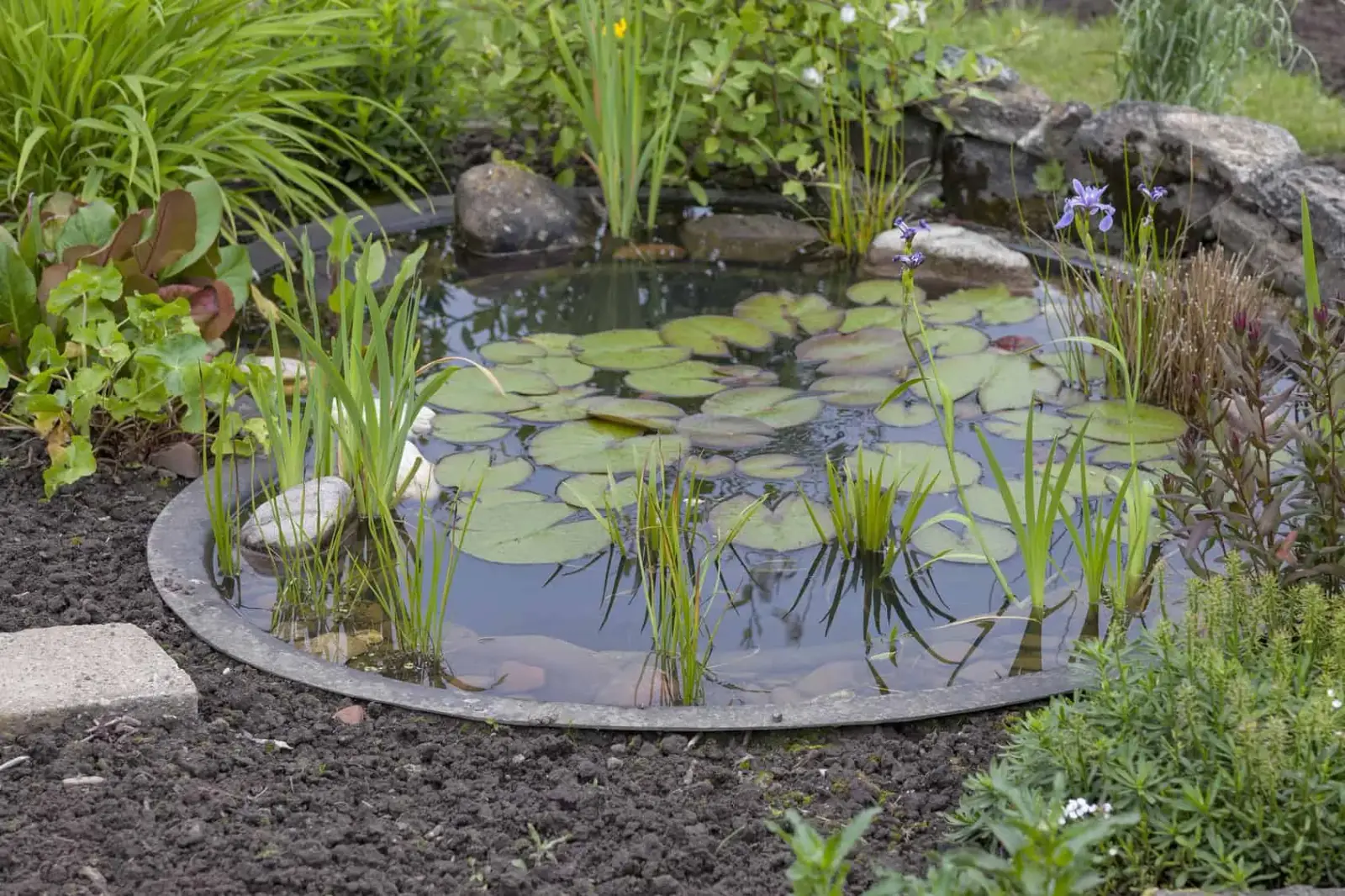
For those that dream of a peaceful garden where they can unwind after a busy week, a dedicated fish pond creates an immediate connection to nature. Stocking a pond with aquatic plants like water lilies and oxygenating reeds naturally balances the water ecosystem while supporting local biodiversity, from dragonflies to songbirds.
If you lack the square footage or maintenance bandwidth for an excavated pond, self-contained water features provide identical sensory benefits. Adding a modern fountain can instantly elevate your outdoor aesthetic, with styles designed to suit every footprint and budget.

Compact bubbling urns, Corten steel water bowls, and vertical sheer-descent wall spouts can be installed on small patios or against boundary walls. Self-contained fountain kits circulate water using hidden internal reservoirs, eliminating the need for complex external plumbing.
Gather Around a Fire Pit Focal Point
An outdoor fire feature serves as an architectural anchor, naturally drawing people together long after twilight fades. For gardens large enough to accommodate them safely, a fire pit makes for the ultimate social centrepiece. It delivers visual drama by day and functional warmth when temperatures drop, significantly extending the usable season of your backyard.
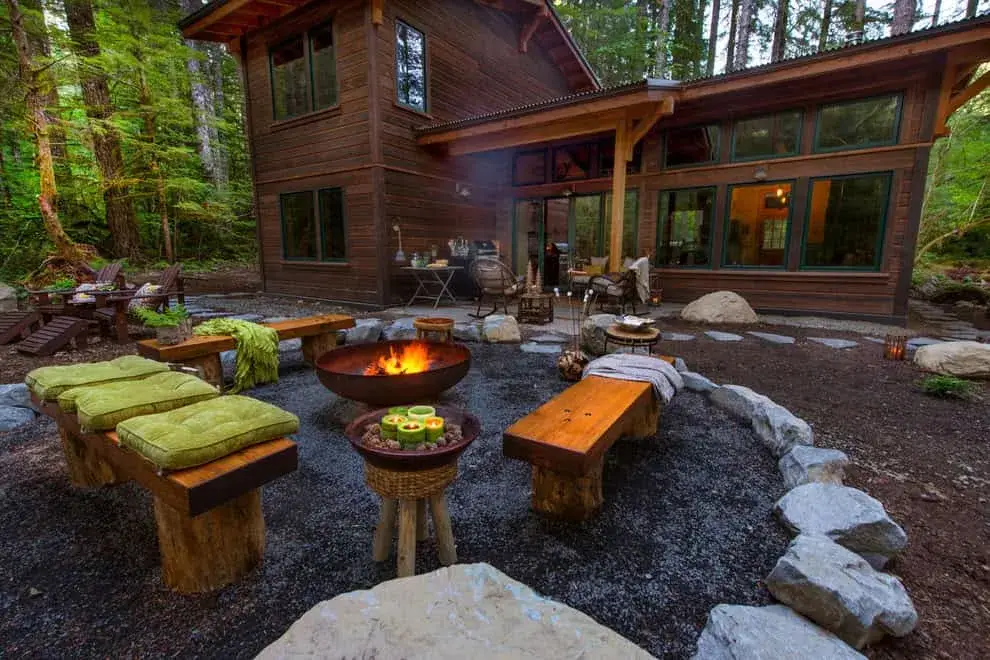
When selecting a fire pit, choose a style and fuel type that complements your lifestyle and local building considerations:
- Raw Steel and Cast Iron Cauldrons: Provide authentic wood-burning crackle and rustic patinas that weather beautifully over time.
- Linear Gas and Bioethanol Tables: Offer clean, instant warmth without drifting smoke, ideal for smaller courtyards or built-up urban terraces.
- Built-In Masonry Pits: Constructed from brick, stone, or rendered concrete block for a permanent, high-end architectural finish.
Always position wood-burning units on non-combustible surfaces such as stone flags, crushed gravel, or concrete pads. Ensure ample clearance from low-hanging tree branches, perimeter fences, and wooden pergolas, and check local smoke control regulations before lighting open fires.
Maximize Compact Spaces with Vertical Gardening and Resilient Planting
Maximize planting footprint by training climbers up boundary fences and applying a 5-centimetre mulch layer to protect soil moisture during hot summer dry spells.
When ground space is limited, shifting your greenery to vertical surfaces unlocks surprising planting volume. Vertical gardening techniques like living walls, wall-mounted planters, and trellises turn blank boundary walls into lush tapestries of foliage. This approach is especially valuable in courtyard gardens and narrow side returns where wide garden beds would encroach on walking paths.
To ensure your planting scheme thrives across dry summer spells without excessive irrigation, we recommend building your layout around drought-tolerant, architectural perennials. Mixing reliable evergreen shrubs with seasonal bloomers ensures visual structure throughout every season:
- Structural Evergreens: Pittosporum, dwarf conifers, and clipped boxwood alternatives like Ilex crenata provide neat form and year-round green.
- Drought-Tolerant Perennials: Lavender, Russian sage (Salvia yangii), sedums, and ornamental grasses like Stipa tenuissima withstand summer heat waves while adding soft movement.
- Vertical Climbers: Star jasmine (Trachelospermum jasminoides) and clematis cover bare timber screens with fragrant blooms while using minimal ground soil.
For raised beds and container planting, mix a slow-release organic fertiliser and moisture-retaining compost into the topsoil. Applying a five-centimetre layer of decorative bark mulch across all garden beds conserves soil moisture, regulates root temperatures, and suppresses unwanted weeds.
Conclusion: Bringing Your Garden Vision to Life
Transforming your garden into a rewarding sanctuary does not require clearing the site or spending fortunes on contractors. By establishing clear functional zones, reviving foundational hardscaping, adding ambient illumination, and choosing durable furnishings, you can create an inviting retreat tailored to your family’s routine. Whether you choose to install a gentle water feature, anchor a lounge area around a warm fire cauldron, or install clean gravel pathways, focusing on intentional design choices will reward you with a beautiful, functional outdoor room throughout summer and beyond.