Top Interior Design Trends For 2017
Every decade experiences a moment when residential design makes an unmistakable pivot, and 2017 stood as that definitive turning point for modern living spaces. For years prior, interiors were dominated by clinical cool greys, sterile chrome hardware, and flat-pack minimalism that often felt more like an austere showroom than a welcoming sanctuary. In 2017, the design world staged a vibrant rebellion by embracing warmth, tactile richness, and unapologetic character.
Whether you are a design student charting modern aesthetic movements, a decorator seeking retro revival inspiration, or a homeowner curious about how residential trends evolve, understanding this pivotal year provides invaluable context. In this retrospective guide, we explore the landmark interior design trends of 2017, from the emergence of Pantone’s Greenery and opulent jewel tones to the Danish concept of hygge, tactile organic surfaces, and the resurgence of artisanal craftsmanship.
2017 Design Summary
- Pantone crowned Greenery (PANTONE 15-0343) as the 2017 Color of the Year, igniting a widespread shift toward biophilic home decor and indoor foliage.
- Opulent jewel tones like emerald green, sapphire blue, and rich ruby replaced stark grey palettes, anchored by plush velvet sofas and deep drapery.
- Danish hygge established comfort as an essential design principle, relying on layered textiles and warm lighting between 2200K and 2700K.
- Homeowners embraced antique chic by mixing vintage heirlooms and handcrafted ceramics with sleek modern architectural envelopes.
- Cool chrome fixtures yielded to warm wood finishes and brushed satin brass hardware across kitchens, bathrooms, and living spaces.
- Raw white finishes emphasized chalky lime washes and matte Venetian plaster over cold, high-gloss lacquers.
Interior Design Trends 2017: The Milestone Styles That Redefined Modern Living
The Greenery Movement: Bringing Nature Indoors
Pantone’s Greenery catalyzed a shift toward biophilic living, turning statement botanicals, indoor trees, and leafy wall coverings into architectural staples.
The year 2017 witnessed a dramatic return to botanical vitality, catalyzed when the Pantone Color Institute selected Greenery (PANTONE 15-0343) as its Color of the Year. This tangy yellow-green shade was intentionally chosen to symbolize renewal, vitality, and personal reconnection with nature after years of digital overload and cool-toned neutrality. The surge in botanical motifs transformed interior architecture from sterile minimalism into living, breathable sanctuaries.
Rather than confining green to modest potted plants on a windowsill, decorators and architects began treating foliage as an essential structural element within the home. Large-scale botanical wallpapers featuring banana leaves, lush palms, and intricate ferns quickly dominated accent walls in entryways, powder rooms, and master bedrooms. Indoor trees, most notably the fiddle-leaf fig and towering monstera deliciosa, became coveted focal points in open-plan living rooms, establishing an organic balance against clean architectural lines.
This botanical wave also paved the way for biophilic design principles that continue to influence how we construct living environments today. Designers recognized that bringing authentic living elements indoors improves ambient air quality, softens harsh acoustics, and creates an immediate sense of psychological calm. Homeowners invested in dedicated plant ledges, integrated indoor planters, and hanging macramé displays, turning urban apartments into personal verdant conservatories.
Opulent Jewel Colours and Velvet Upholstery
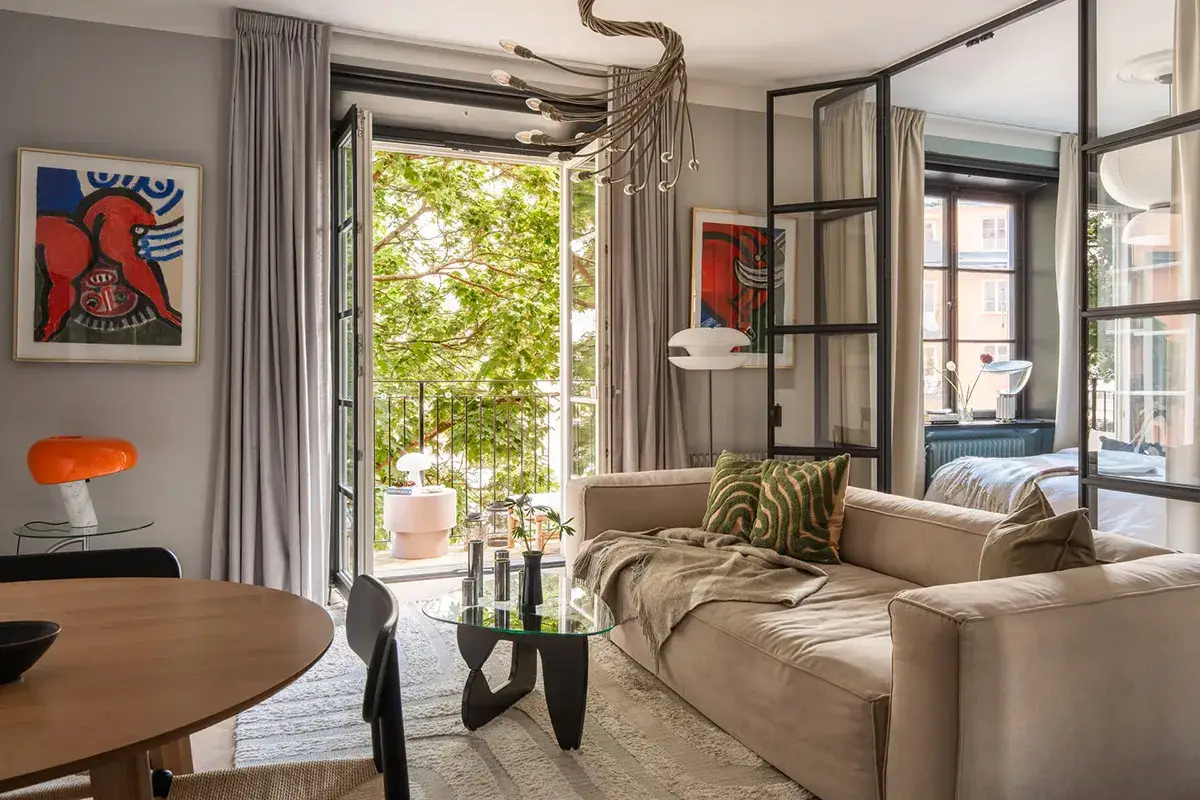
Designers stepped decisively away from monochromatic grey schemes in 2017 to welcome striking, saturated jewel colours that transformed living spaces into plush, expressive retreats. Deep emerald greens, rich sapphire blues, midnight teals, and passionate ruby reds quickly took center stage in high-end showhouses and everyday retail collections alike. Striking jewel tones symbolized a renewed appetite for luxury, opulence, and emotional depth within the home.
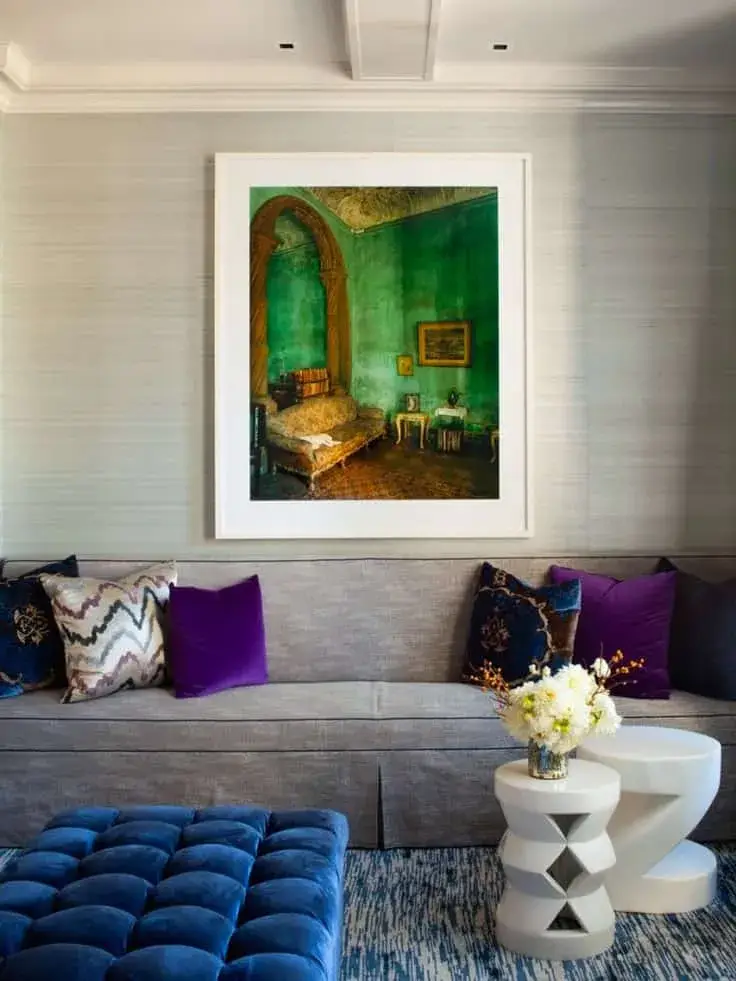
This color renaissance was closely tied to the massive resurgence of velvet upholstery. Velvet offered the exact tactile depth necessary to showcase jewel pigments at their best, capturing light across its pile and lending an instant sense of warmth to seating arrangements. A tufted emerald sofa or a pair of midnight-blue armchairs became the quintessential anchor pieces for living rooms, effortlessly commanding attention against both crisp white walls and moody backdrops.
For those hesitant to commit to large-scale saturated upholstery, jewel tones entered the home through targeted accent layers that balanced existing neutral schemes:
- Lush velvet throw cushions in amethyst, ochre, and sapphire scattered across neutral linen sofas.
- Floor-to-ceiling drapery in heavy velvet to insulate windows and introduce dramatic vertical scale.
- Richly hued ceramic lamps, art glass vases, and patterned wool accent rugs.
- Moody powder rooms drenched entirely in deep navy or forest green to create an intimate jewel-box effect.
The transition between the prevailing early-decade aesthetics and the 2017 color philosophy highlighted a fundamental shift in homeowner priorities:
| Design Element | Early 2010s Standard | 2017 Trend Shift |
|---|---|---|
| Primary Base Palette | Cool greys, stark cool whites, and slate | Warm neutrals, moody dark tones, and earthy off-whites |
| Accent Palette | Bright neons, metallics, or monochrome black | Rich jewel tones: emerald, sapphire, ruby, and amethyst |
| Upholstery Texture | Flat-weave polyester and smooth leather | Plush velvet, heavy linen, and brushed chenille |
| Atmospheric Goal | Sleek, minimalist, and visually spotless | Opulent, cocooning, and richly layered |
The Rise of Danish Hygge and Layered Comfort
Hygge replaced stark minimalism with multi-sensory coziness, emphasizing warm ambient lighting (2200K to 2700K), tactile wool throws, and layered rugs.
As fast-paced modern routines intensified, the home emerged as a dedicated haven for decompression, paving the way for the global phenomenon of Danish hygge. Hygge, roughly translating to a quality of cozy contentment and warm well-being, became the defining lifestyle and design philosophy of 2017. The hygge design trend fundamentally challenged the cold, pristine aesthetic of previous years by placing emotional comfort at the center of interior styling.
In practice, creating a hygge-inspired interior meant curating multi-sensory warmth. Designers moved away from high-gloss lacquers and rigid, angular seating in favor of deep, pillowy sofas and layered textiles. Natural elements were critical to this look: chunky cable-knit merino wool blankets, unbleached linen throws, sheepskin pelts draped over reading chairs, and woven jute area rugs layered underneath softer floor coverings to build depth underfoot.
Lighting played an equally crucial role in cultivating hygge. Instead of relying on stark, central ceiling fixtures that washed rooms in clinical white light, decorators prioritized multi-point ambient illumination:
- Clusters of unscented beeswax or soy candles displayed on trays and mantelpieces to produce a gentle, flickering glow.
- Low-wattage floor lamps with fabric shades positioned near reading nooks to cast targeted, warm light pools.
- Architectural wall sconces installed at eye level with warm-temperature bulbs (around 2200K to 2700K) to eliminate harsh shadows.
- Focal hearths and wood-burning stoves styled with neatly stacked birch logs to reinforce rustic, grounded warmth.
Antique Chic and Artisanal Desire
The year 2017 saw homeowners growing tired of identical, flat-pack furniture configurations and mass-manufactured uniformity, sparking a deep affection for antique chic and bespoke furnishings. Designers drew substantial inspiration from classic European heritage and vintage craftsmanship, blending storied heirlooms into modern environments. Incorporating richer, darker woods and vintage pieces introduced irreplaceable warmth, history, and character into contemporary homes.
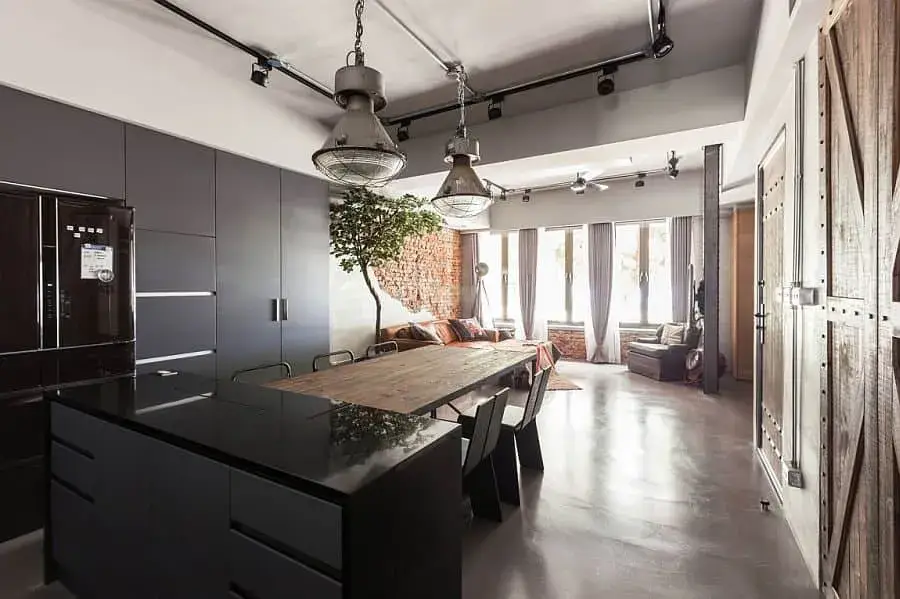
This trend encouraged decorators to juxtapose sleek contemporary architectural envelopes with weathered historical artifacts. A modern stainless-steel and marble kitchen looked far more dynamic when paired with an antique oak dining table or a reclaimed butcher-block island. In living rooms, ornate gilt-framed mirrors were hung above minimalist linear consoles, creating an intentional tension between eras that made spaces feel assembled over a lifetime rather than purchased from a single showroom catalogue.
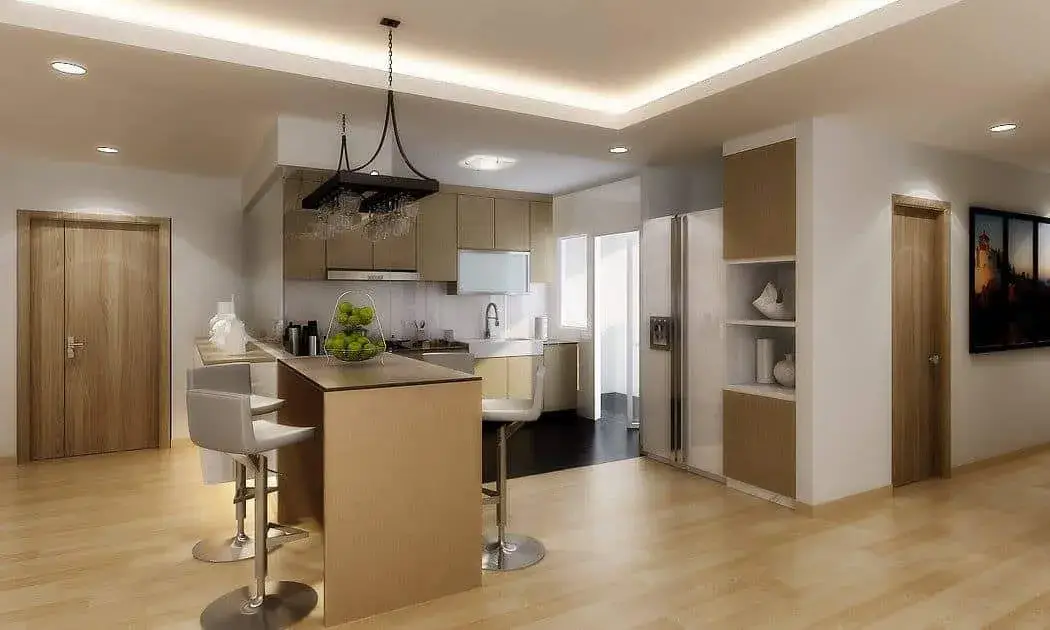
Hand in hand with antique chic came a deep desire for artisanal goods. Discerning buyers began actively seeking out independent ceramicists, local woodturners, and bespoke cabinetmakers. Stripping back vintage dressers found in antique shops and refinishing them with modern matte paints or custom brass hardware became a hallmark DIY endeavor. By investing in pieces that showcased the maker’s hand, homeowners ensured their spaces remained genuinely unique and built to last.
Mixed Fabrics, Vibrant Patterns, and Visual Layering
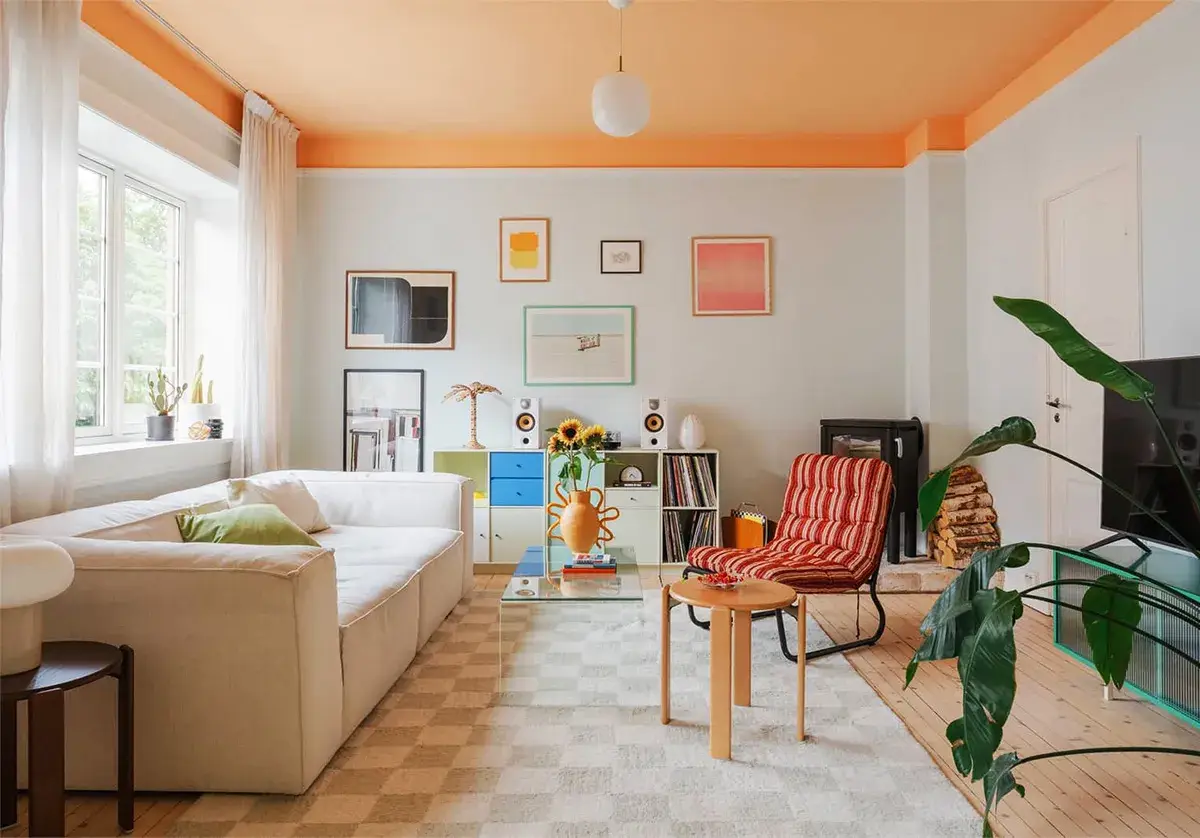
Pattern minimalism took a decisive backseat in 2017, making way for an exuberant celebration of mixed textiles, tactile layering, and bold visual storytelling. Where homeowners previously hesitated to pair more than two fabrics in a single room, designers encouraged an intentional blend of textures and motifs to create dynamic visual depth. Mixing contrasting fabrics allowed interiors to cultivate personality and dimensional energy without feeling chaotic.
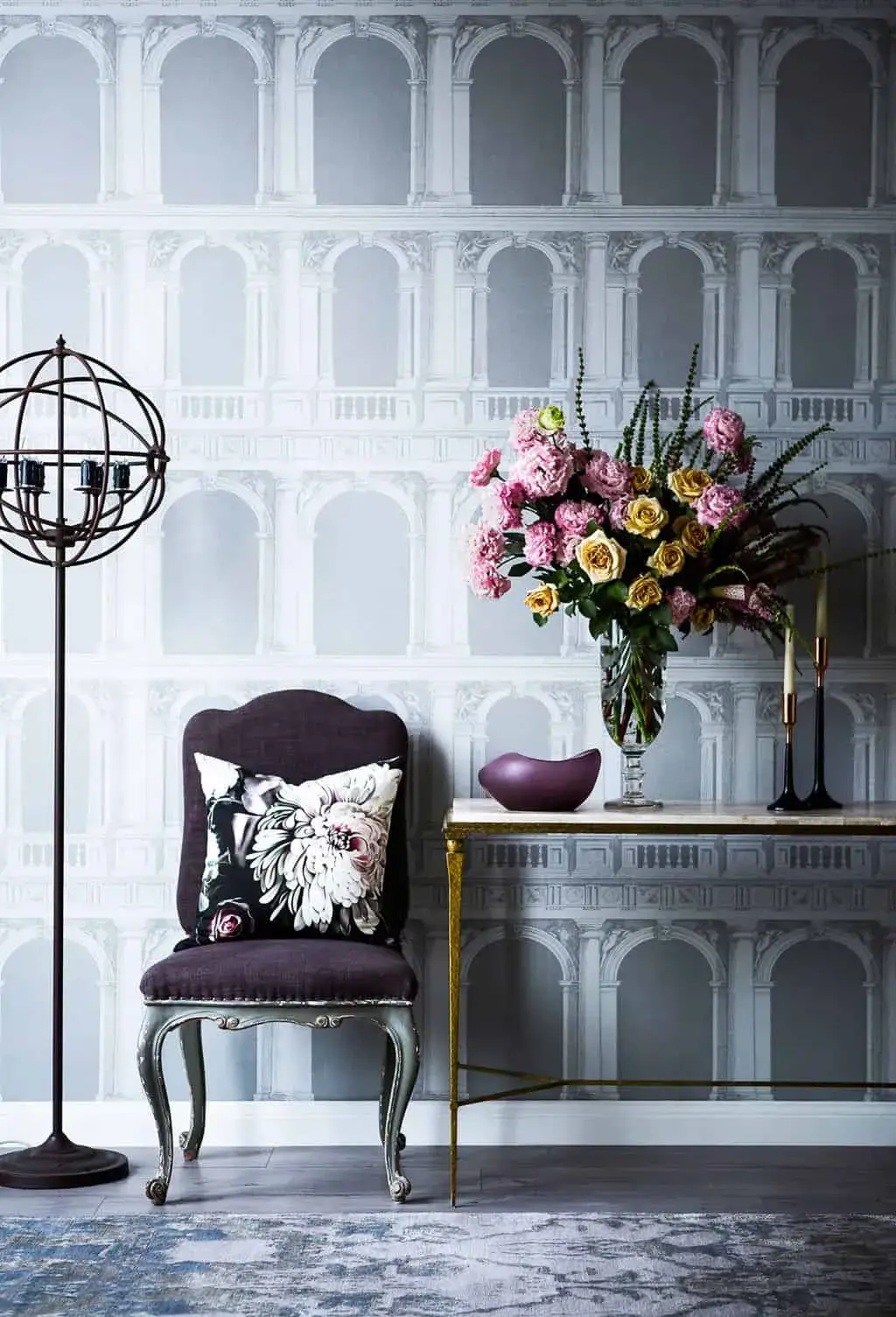
The successful execution of mixed fabrics relied on balancing scale, texture, and color palettes across multiple layers. Designers often anchored a room with a heavy, grounding upholstery fabric like wool, leather, or corduroy, then introduced pattern play through complementary secondary textiles:
- Large-scale tropical palm or botanical prints utilized on upholstered armchairs or statement drapery panels.
- Medium-scale geometric patterns such as Moroccan trellis, herringbone, or chevron featured on flat-weave floor runners.
- Small-scale ditsy florals, stripes, or block-printed linens applied to bolster pillows, seat cushions, and lampshades.
- Quirky animal prints and painterly brushstroke fabrics used selectively as conversation starters on accent stools.
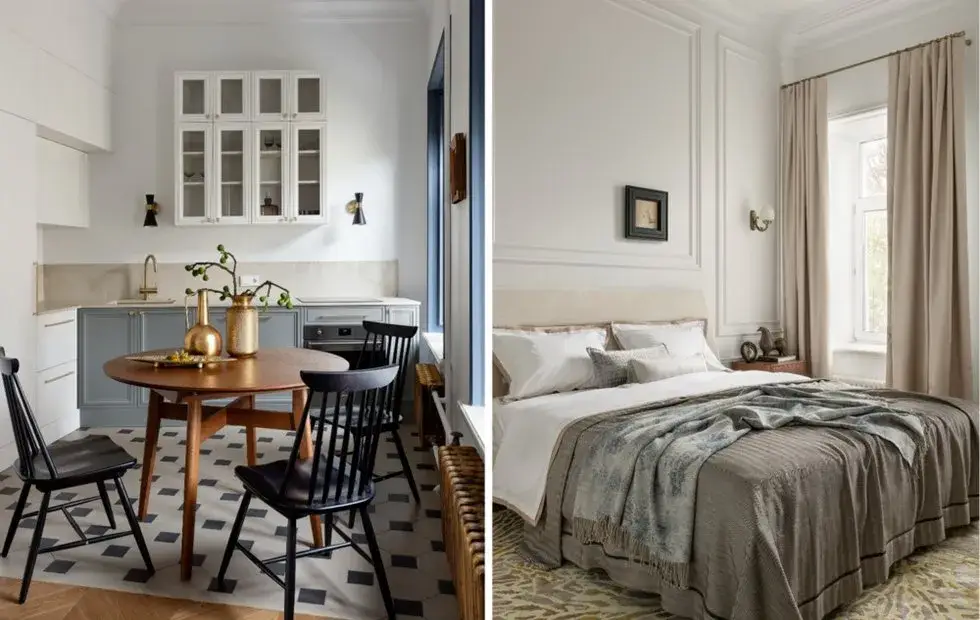
Bedrooms particularly benefited from this layered textile philosophy. Padded, custom-upholstered headboards covered in tactile linen or velvet served as substantial backdrops for crisp percale sheeting, waffle-weave coverlets, washed linen duvet covers, and fringed wool bed runners. The resulting look was comfortably unhurried, rich in depth, and deeply inviting.
Warm Wood, Brass Accents, and Tactile Organic Materials
Satin brass, unlacquered living brass, and organic materials like terracotta and cork superseded cool chrome hardware to introduce tactile warmth.
Hardware and material palettes underwent an overdue transformation in 2017, effectively retiring the cool, industrial brushed chrome and nickel that had dominated earlier modern decor. In their place emerged warm metallic finishes, earthy ceramics, and textured woods that introduced an organic tactile quality to kitchens, bathrooms, and living areas. Warm wood tones paired with brushed brass hardware established an elegant, grounded atmosphere across residential projects.
Brushed satin brass, unlacquered living brass, warm bronze, and hammered copper took over kitchen cabinetry pulls, architectural light fixtures, and bathroom plumbing fittings. Unlike polished brass of the 1980s, which had a high-shine yellow hue, 2017 brass embraced muted, matte, and patinated finishes that felt modern yet timeless. When set against dark navy or forest-green cabinetry, warm brass hardware provided an exquisite contrast that made functional spaces feel refined.
Architects and decorators also reintroduced several tactile, organic building materials that brought rich physical texture into the envelope of the home:
- Cork wall treatments: Celebrated not only for their natural acoustic insulation and thermal warmth, but also as striking visual accent surfaces in home offices and creative studios.
- Terracotta tiling: Rustic, unglazed hexagonal and square terracotta pavers replaced cold grey porcelain tiles in entryways, sunrooms, and kitchen floors.
- Cerused and wire-brushed woods: White-waxed or wire-brushed oak finishes highlighted natural wood grains, departing from flat, opaque stains.
- Woven cane and rattan: Mid-century canework returned to credenza doors, chair backs, and room divider screens, lending visual transparency and casual texture.
The “Raw” White Aesthetic: Texture Over Gloss
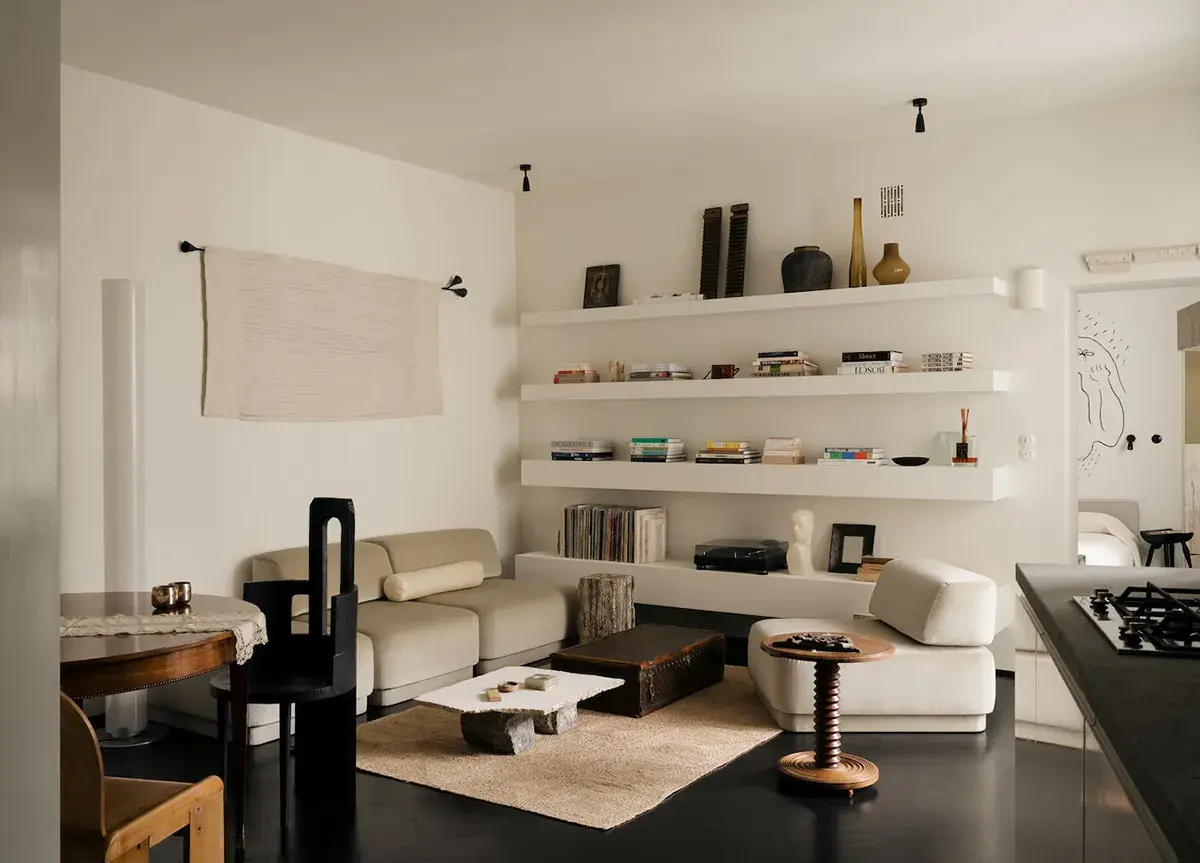
While white remained a cornerstone of residential design in 2017, the nature of how white was deployed changed completely. The sterile, ultra-high-gloss white lacquer and clinical subway tiles that defined early-decade urban developments were decisively swapped for what designers termed “raw” white. The raw white trend focused on unpolished, matte surfaces and natural textures that celebrated organic imperfection.
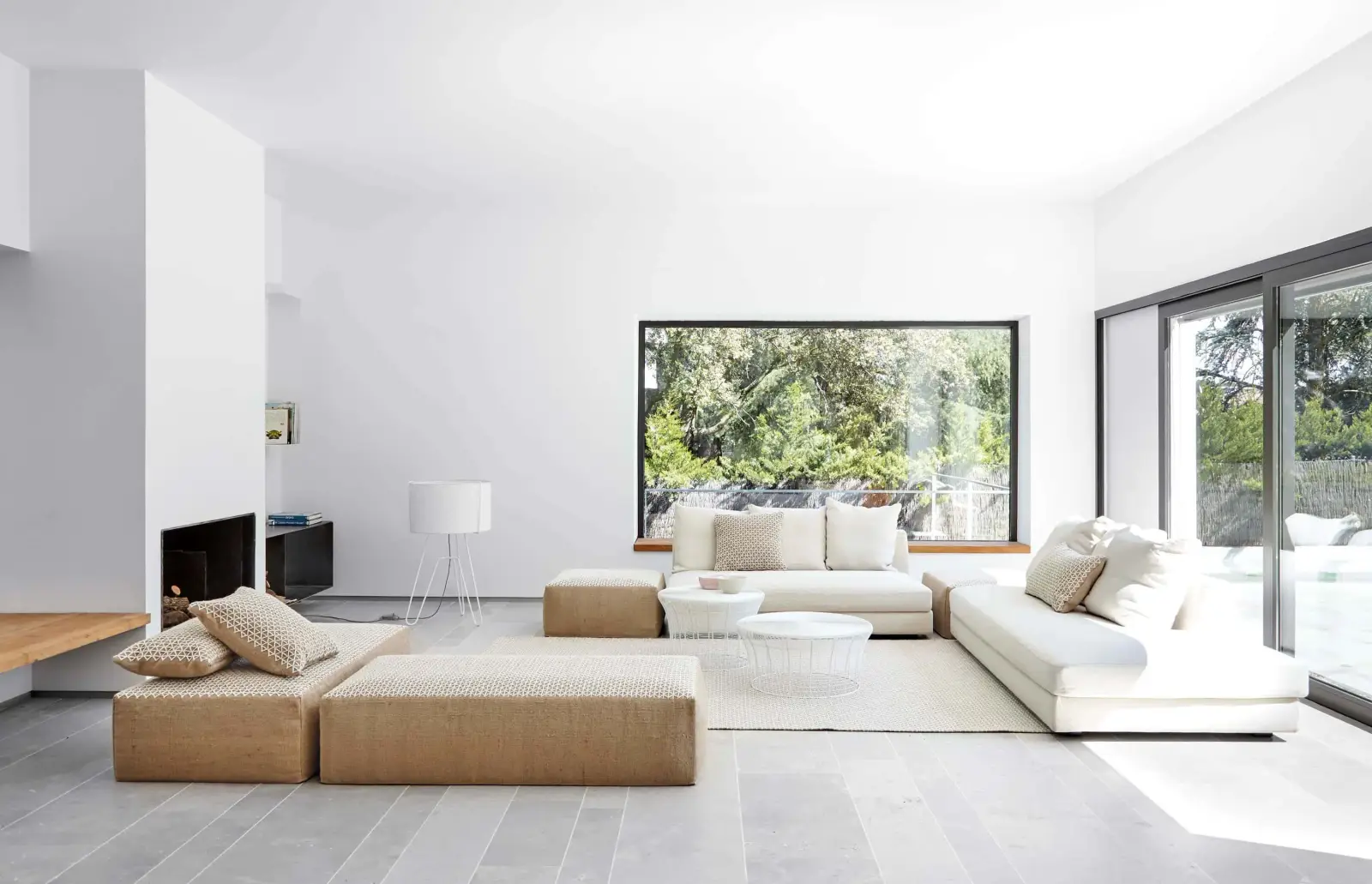
Raw white was all about organic, tactile materiality. Instead of reflecting light like a mirror, raw white absorbed and diffused sunlight softly across the room. Chalky lime washes, hand-troweled Roman clay, and matte Venetian plasters replaced flat latex wall paints, giving vertical surfaces subtle movement and depth that felt reminiscent of Mediterranean and Scandinavian coastal villas.
This textural white envelope formed the ideal backdrop for organic, unrefined decor elements. Designers paired chalky walls with pale driftwood beams, tree-stump side tables, honed Carrara marble with natural veining, and hand-molded ceramic vessels displaying dried botanicals. Rather than feeling cold or sterile, a room styled in raw white felt grounded, serene, and deeply connected to nature.
The Lasting Legacy of 2017’s Design Shifts
Looking back at the interior design trends of 2017 reveals just how influential that single year was in shaping the trajectory of 21st-century residential architecture. By deliberately walking away from clinical grey minimalism and mass-produced uniformity, 2017 restored soul, color, and comfort to our personal environments. The milestone trends of 2017 proved that true residential luxury lies in tactile warmth, personal storytelling, and an enduring connection to nature.
The lessons from that pivotal year remain deeply relevant today. The resurgence of botanical motifs evolved into our contemporary focus on biophilic architecture and wellness spaces. The warmth of brushed brass and rich walnut established a timeless alternative to cold industrial hardware. Most importantly, the Danish philosophy of hygge reminded us that our homes should ultimately serve as comforting sanctuaries designed for living well, rather than pristine stages meant only for display.