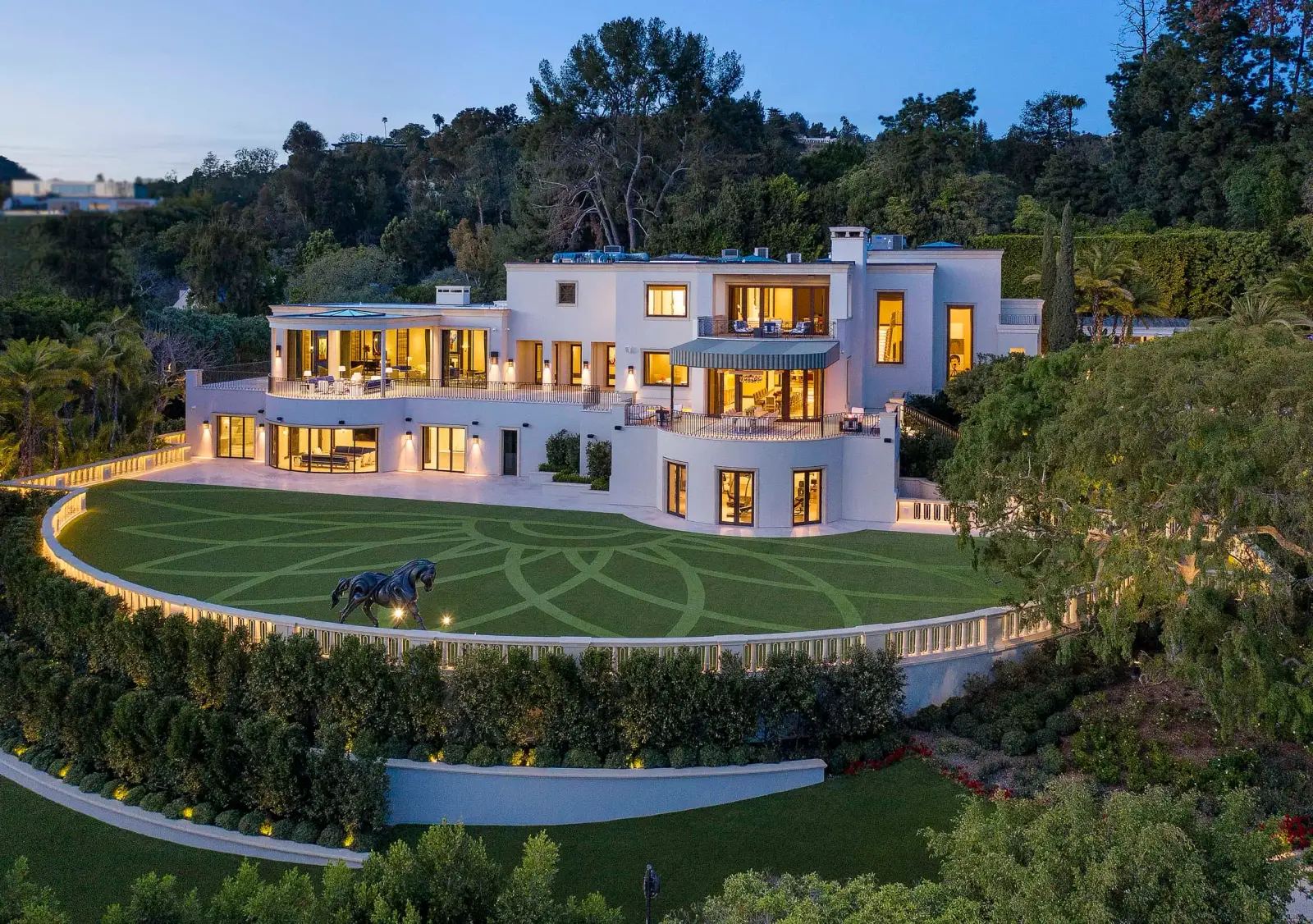
Top 8 Trending Dining Room Styles
Dining rooms have shifted from formal, seldom-used showpieces into versatile living spaces designed for slow meals, everyday gatherings, and lingering conversations. Today’s most compelling dining spaces celebrate craftsmanship, architectural presence, and tactile richness rather than rigid formality. Whether you are planning a complete renovation or refreshing an existing layout, exploring trending dining room styles helps you create a space that feels both contemporary and enduring. In this guide, you will learn how leading designers balance scale, lighting, materials, and color palettes to build welcoming rooms that serve daily life effortlessly.
Key Dining Takeaways
- Leading dining room trends focus on tactile warmth, natural stone, and curved silhouettes rather than rigid symmetry or formal matching sets.
- Organic modern spaces rely on materials like white oak, honed travertine, and raw linen to cultivate an approachable, lived-in feel.
- Curved and elliptical dining tables smooth room circulation while eliminating sharp corners in high-traffic or open-concept living zones.
- Hang statement light fixtures roughly 30 to 36 inches above the tabletop to preserve open sightlines while casting a flattering glow.
- Maintain at least 36 inches of clearance between table edges and perimeter walls so dinner guests can push chairs back comfortably.
- Size your dining area rug to extend 24 to 30 inches past the table perimeter so chair legs stay on the rug during use.
Trending Dining Room Styles: Modern Layouts, Materials, and Design Inspiration
Organic Modern: Tactile Materials and Earthy Simplicity
Emphasize authentic textures like travertine, white oak, and raw linen over uniform finishes to ground your dining area in natural warmth.
The organic modern aesthetic continues to dominate residential design because it strikes an ideal balance between clean architectural lines and warm, earthy textures. Instead of the cold surfaces often associated with stark minimalism, this design philosophy welcomes raw stone, unlacquered metals, and natural grain patterns into the heart of the home. Centering a dining space around natural materials creates an immediate sense of calm and tactile comfort.
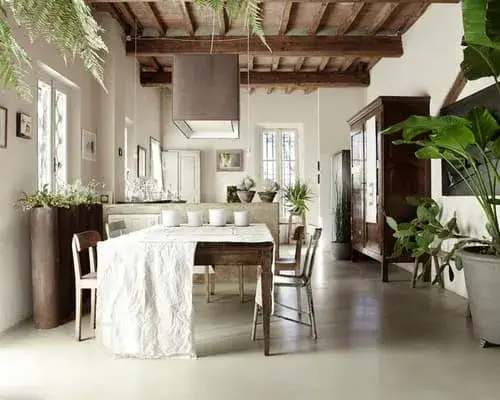
A prime example of this philosophy in practice is a rustic dining room set inside a restored Italian farmhouse, envisioned by landscape architect Giuseppe Baldi. By integrating potted botanicals, native greenery, and weathered surfaces, the interior architecture mirrors the surrounding countryside. Bringing living foliage into dining zones softens structural edges and connects interior entertaining with outdoor views.
To recreate an organic modern dining room in your own home, prioritize pieces that highlight natural imperfections rather than synthetic perfection. Pair a pill-shaped dining table made from white oak or honed travertine with chairs upholstered in textured boucle, raw linen, or saddle leather. Keep window treatments light and breezy to maximize daylight, letting natural shadows highlight textured plaster or limewashed walls throughout the day.
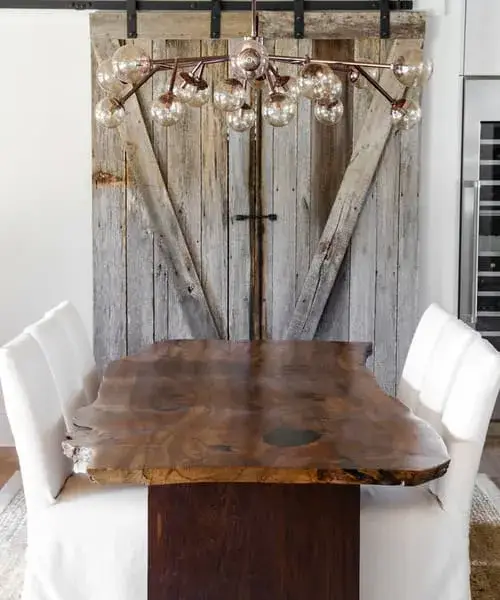
A coastal variation of this organic style appears in a Jacksonville, Florida, home designed by Julia Starr Sanford. Weathered wood barn doors, a natural sisal rug, and casual white slipcovered chairs establish an airy, relaxed atmosphere. The focal point of the room is a bold live-edge dining table, demonstrating how a single slab of solid timber introduces sculptural drama while celebrating natural craftsmanship.
Architectural Minimalism and Sculptural Curves
Select oval or pill-shaped tables to soften rigid room angles and maintain generous clearance for foot traffic in tight or open floor plans.
Contemporary dining spaces are steering away from boxy geometry in favor of curved silhouettes and architectural statements. Rounded dining tables, barrel-back chairs, and arched doorways make compact spaces feel more fluid and improve circulation around high-traffic dining zones. Embracing curved furniture silhouettes softens the rigid lines of square rooms and fosters a more inclusive, communal dining experience.
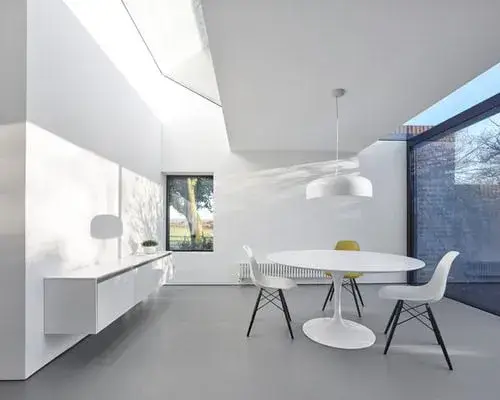
Structural elements can carry a room just as powerfully as decorative furnishings. In a sculptural dining room in England, an expansive wall of glass and integrated ceiling skylights flood the space with natural light, allowing the architecture to speak for itself. A single vivid yellow dining chair breaks up the serene white palette, proving that a disciplined, minimalist layout only needs one confident pop of color to feel deliberate and vibrant.
Sculptural Lighting as Functional Art
In an architecturally focused dining room, the light fixture operates as the central artistic statement. Large-scale plaster pendants, floating paper lanterns, or asymmetrical brass chandeliers anchor the dining table beneath them. Ensure your chandelier hangs roughly 30 to 36 inches above the tabletop, providing sufficient clearance for clear sightlines across the table while casting a warm, flattering glow.
Curved Dining Furniture for Smooth Circulation
Rigid rectangular dining tables often create traffic bottlenecks, particularly in open-concept floor plans. Elliptical and oval dining tables remove sharp corners, allowing dinner guests to navigate tight corners without bumping into edges. When paired with armless, rounded seating, these tables expand usable dining capacity without overwhelming visual floor space.
Modern Traditional and Quiet Luxury: Curated Heritage
The modern traditional aesthetic, often described as quiet luxury, merges heritage antiques with fresh, expressive color choices. Rather than reproducing historic periods with strict formality, this approach combines family heirlooms or vintage finds with modern artwork and cheerful textiles. Layering genuine vintage furniture into contemporary dining rooms infuses immediate soul and historical depth that flat-pack furnishings cannot replicate.
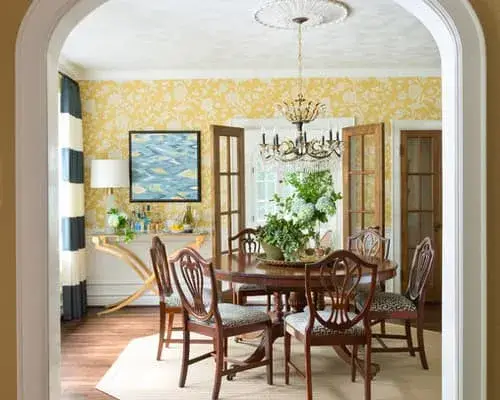
Designer Laura Lee captured this balance in a bright, joyful dining room designed to feel uplifting every day. A solid mahogany dining table dating to the 1850s, classic antique chairs, and a sparkling crystal chandelier anchor the room in time-honored traditional elegance. Rather than keeping the surrounding palette subdued, Lee energized the space with sunny yellow wallpaper, custom striped drapery panels, and an expressive painting by Cyndy Aldred.
When curating a modern traditional dining space, avoid matching furniture suites. Instead of purchasing a dining set where every chair matches the table wood, combine a rich antique mahogany or walnut dining table with slipcovered host chairs or modern sculptural side chairs. This intentional contrast makes your dining room look collected over time rather than styled straight from a showroom floor.
Tailored Intimacy: Custom Banquettes and Flexible Dining Layouts
As residential floor plans demand greater versatility, built-in dining banquettes and corner breakfast nooks have become popular solutions for open-plan living. Banquette seating anchors a dining zone along perimeter walls, preserving valuable open floor area while creating an inviting, booth-style dining setting. Built-in banquettes turn awkward corners and transitional zones into intimate, multipurpose dining sanctuaries.
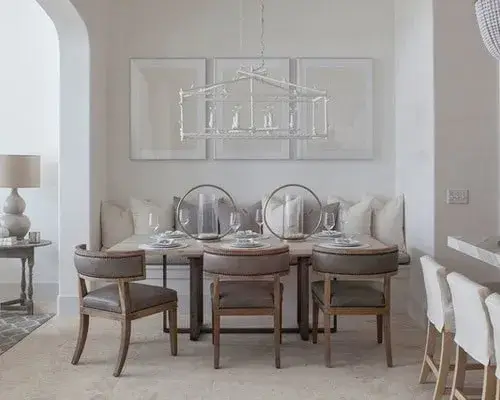
In a project designed by Brad Ramsey, placing a custom banquette flush against the wall between a living area and dining space carved out a dedicated, cozy dining destination without disrupting household flow. By anchoring seating against structural boundaries, the dining zone achieved an intimate sense of place of its own, blending practical comfort with tailored elegance.
Banquette dining designs excel in homes where the dining table doubles as a workstation, craft table, or homework station. When specifying upholstery for custom seating, select performance velvet, wipeable treated leather, or textured outdoor-grade weaves that withstand daily spills and heavy family use. Built-in drawers or lift-up bench seats beneath the cushions offer discreet storage for table linens, seasonal decor, and entertaining platters.
Graphic Contrast and Curated Pattern Layering
A neutral room does not have to feel flat or monotonous. Incorporating graphic patterns, charcoal metals, and high-contrast accents introduces visual tension that makes dining areas feel crisp and modern. Introducing measured black and high-contrast accents provides visual punctuation that grounds soft, neutral dining palettes.
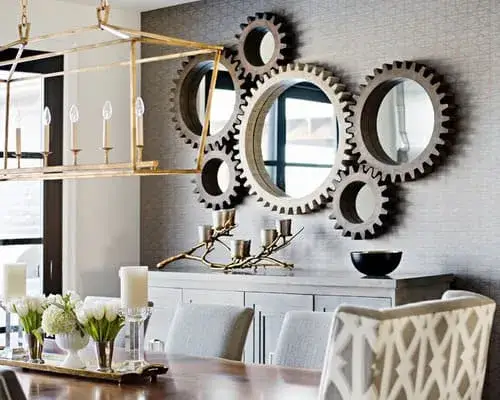
A dining room in Toronto demonstrates how layers of pattern can enliven a soft palette. Dressed in soothing cream and gray tones, the space derives its energy from contrasting patterns across the upholstered host chair, industrial-inspired mirrors, and graphic wallpaper. The repeating geometric motifs lend depth and architectural dimension to what would otherwise be a quiet monochrome room.
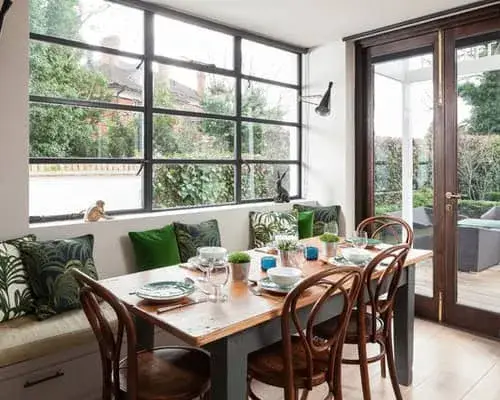
Strategic contrast works equally well through delicate, linear accents. In an English dining space, white walls and green throw pillows welcome guests, but subtle black accents give the room its refined edge. Fine black finishes on the window mullions, wall sconces, dining table legs, and the tailored bottom trim of the drapery tie the room together with crisp precision.
Rustic Warmth Reimagined: Refined Farmhouse Decor
Modern farmhouse styling has traded distressed faux finishes for authentic craftsmanship, rich woods, and deep connection to nature. Today’s refined rustic dining rooms celebrate robust joinery, earthy color drenching, and textiles that improve with age. Modern rustic dining spaces succeed when they pair honest, hard-wearing materials with tailored design details.
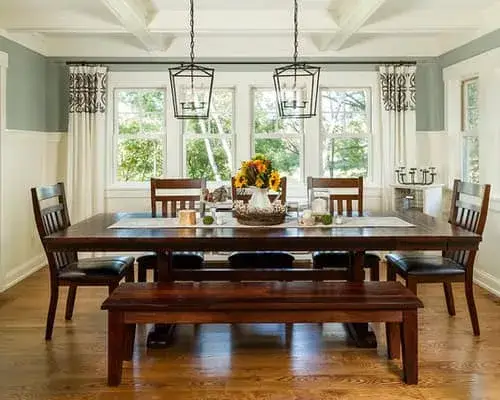
A farmhouse-inspired dining room designed by Shelly Lindstrom keeps the overall composition clean and unpretentious with a wide dining bench and sturdy timber chairs flanking a generous rustic wood table. Refined touches, such as delicate black embroidery running across the top header of crisp white curtains and saturated green paint framing the expansive windows, pull the exterior foliage into the dining experience.
To help you choose the best direction for your home, the table below highlights how key trending dining styles compare across foundation materials, silhouettes, and lighting profiles.
| Design Style | Primary Materials | Furniture Silhouettes | Statement Lighting |
|---|---|---|---|
| Organic Modern | Travertine, white oak, linen, natural stone | Soft pill shapes, rounded edges, sculptural plinths | Woven ceramic, paper lanterns, textured plaster |
| Warm Minimalism | Honed limestone, microcement, matte walnut | Low-profile geometry, clean floating planes | Oversized linear pendants, hidden cove illumination |
| Modern Traditional | Antique mahogany, polished brass, velvet | Turned legs, tailored slipcovers, curved cabriole | Crystal chandeliers, shaded candle sconces |
| Refined Rustic | Reclaimed timber, wrought iron, woven leather | Trestle tables, bench seating, sturdy joinery | Hand-forged iron lanterns, industrial cages |
Key Planning Considerations for a Cohesive Dining Room
Maintain 36 inches between table edges and walls, and ensure your area rug extends at least 24 to 30 inches beyond the table for smooth chair movement.
Executing a successful dining room refresh involves more than selecting attractive furniture; it requires thoughtful attention to spatial clearances, acoustic balance, and functional lighting. Careful planning around circulation and lighting controls ensures your dining space functions as comfortably for busy weekday mornings as it does for celebratory weekend dinners.
- Traffic Clearances: Maintain at least 36 inches between the edge of your dining table and surrounding walls or sideboards. This clearance ensures seated guests can push their chairs back easily and allows others to move behind them freely.
- Rug Sizing: Choose an area rug that extends a minimum of 24 to 30 inches beyond all sides of the dining table. This prevents chair legs from catching on the rug border when diners pull out their seats.
- Layered Illumination: Put overhead fixtures on dimmers and supplement them with low-level wall sconces, a buffet lamp, or rechargeable table lamps. Dimmable illumination lets you shift the mood instantly from bright task lighting to an intimate dinner setting.
- Acoustic Softening: Dining rooms with hardwood or tile floors can easily produce harsh echoes. Incorporating fabric drapery panels, an upholstered bench, wallpaper, or a plush wool rug absorbs ambient noise and encourages relaxed conversation.
Designing a Space That Lasts
Refreshing your dining room is an opportunity to craft an environment that reflects how you live, entertain, and unwind. Whether you gravitate toward the tactile warmth of organic modern decor, the historical elegance of modern traditional pieces, or the tailored space efficiency of a custom banquette, focus on enduring quality and comfortable proportions. By investing in honest materials, sculptural focal points, and layered lighting, you will create an inviting dining room that serves your household gracefully for years to come.