10 Gadgets That Should Be In Your Home for Emergency Preparedness
Severe weather events, unexpected utility failures, and regional grid collapses can transform a modern home from a sanctuary into a vulnerable enclosure within minutes. Most residential spaces depend entirely on municipal water, grid electricity, and cellular infrastructure, leaving households unprepared when utility lifelines sever without warning. Integrating reliable emergency preparedness gadgets into your living space ensures that your household maintains light, communication, warmth, and safe drinking water during an unforeseen crisis.
True home preparedness goes beyond keeping a few dusty cans in the basement pantry. In this guide, you will discover the essential hardware, survival gadgets for home resilience, and power outage emergency gadgets required to withstand extended outages safely. From reliable power storage and multi-band communication devices to life-saving indoor climate and water filtration tools, here is how to curate an effective home disaster kit that balances everyday residential living with maximum crisis reliability.
Essential Preparedness Takeaways
- Equip primary hallways and stairwells with blackout-activated plug-in LED fixtures to ensure immediate path lighting when the electrical grid drops.
- Keep a multi-band NOAA weather radio charged via crank or solar power to receive critical evacuation alerts when local cellular networks fail.
- Store an indoor-safe LiFePO4 battery station and cycle its reserves between 30% and 80% every 6 months to maintain dependable emergency power.
- Install a countertop gravity water filter to purify non-potable freshwater sources safely without requiring utility water pressure or electricity.
- Use only indoor-certified catalytic heaters with automatic low-oxygen shutoff sensors, keeping standard camping stoves strictly outside to avoid carbon monoxide buildup.
- Carry a compact lithium jump starter in your evacuation vehicle to restart a dead car battery independently during an urgent escape.
Essential Emergency Preparedness Gadgets for a Resilient Home
Severe weather events, unexpected utility failures, and regional grid collapses can transform a modern home from a sanctuary into a vulnerable enclosure within minutes. Most residential spaces depend entirely on municipal water, grid electricity, and cellular infrastructure, leaving households unprepared when utility lifelines sever without warning. Integrating reliable emergency preparedness gadgets into your living space ensures that your household maintains light, communication, warmth, and safe drinking water during an unforeseen crisis.
True home preparedness goes beyond keeping a few dusty cans in the basement pantry. In this guide, you will discover the essential hardware, survival gadgets for home resilience, and power outage emergency gadgets required to withstand extended outages safely. From reliable power storage and multi-band communication devices to life-saving indoor climate and water filtration tools, here is how to curate an effective home disaster kit that balances everyday residential living with maximum crisis reliability.
1. Emergency Lighting and Automated Blackout Fixtures
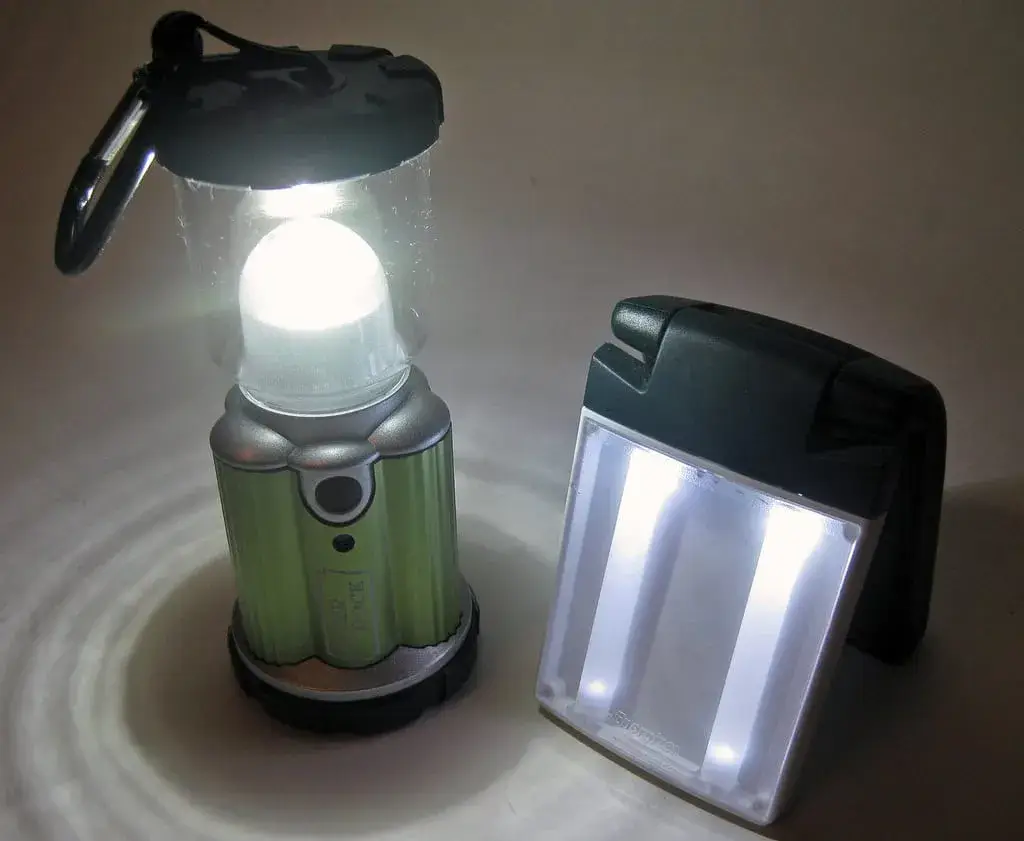
Replace wax candles with blackout-activated plug-in LED fixtures and rechargeable headlamps to eliminate indoor fire risks during unexpected power failures.
When an electrical blackout strikes after dark, immediate visibility prevents falls, burns, and panic throughout the house. Navigating staircases, utility closets, and hallways in pitch darkness introduces unnecessary danger into an already stressful event.
Blackout-activated plug-in lights serve as an indispensable first line of defense for home safety. These compact wall units rest directly in standard electrical wall receptacles, continuously trickling power into an internal lithium battery. The moment grid power drops, the sensor triggers an array of bright LEDs that illuminate egress corridors and high-traffic zones instantly.
- Rechargeable LED headlamps: Headlamps direct illumination wherever your gaze falls, keeping both hands free to handle circuit breakers, medical supplies, or children.
- High-lumen area lanterns: Collapsible LED lanterns diffuse light 360 degrees across living areas and kitchens without producing harmful open flames.
- Heavy-duty tactile flashlights: Machined aluminum flashlights with adjustable focus beams let you inspect exterior perimeter fences, rooflines, and outdoor utility meters safely.
Unlike traditional wax candles, modern battery-operated LED fixtures present zero structural fire risk, making them the only lighting solution you should rely on when disaster strikes.
2. Hand-Crank NOAA Weather Radios with Phone Charging
During catastrophic storms, cellular broadband towers frequently become overwhelmed with network congestion or lose backup generator power altogether. When local telecommunications collapse, broadcast radio remains the most resilient medium for public safety alerts and emergency coordination.
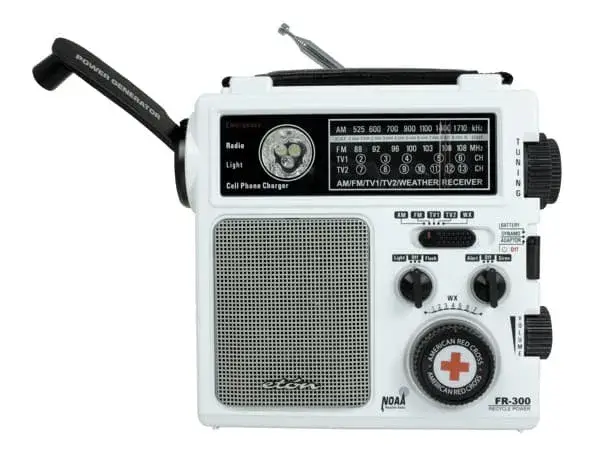
A dedicated NOAA emergency weather radio keeps you connected to real-time evacuation orders and severe meteorological bulletins without relying on an external power grid. Radio broadcast frequencies travel vast distances and penetrate deep topography where cellular towers fall short. Look for a unit equipped with National Oceanic and Atmospheric Administration (NOAA) hazard alerts that sound automatically when life-threatening conditions approach your county.
Modern emergency radios incorporate multiple redundant power inputs: an internal rechargeable battery, a fold-out monocrystalline solar panel, standard dry-cell AA batteries, and a fold-out hand-crank dynamo. The manual crank delivers mechanical energy directly to internal capacitors, powering the digital tuner and offering an emergency USB output port to trickle-charge a smartphone for critical outbound text messages.
3. Off-Grid Communication: Rugged Phones and Two-Way Radios
Consumer smartphones are magnificent achievements in pocket computing, but their delicate glass construction and rapid battery depletion make them fragile lifelines during a sustained disaster.
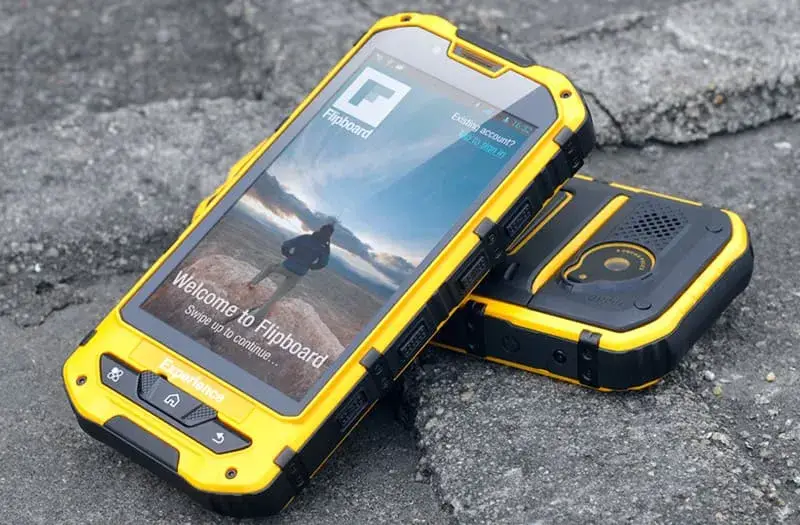
Smartphones exposed to pouring rain, concrete drops, or freezing conditions can fail when you need them most. It pays to invest in a rugged phone engineered to military drop-test standards with an IP68 or IP69K water-immersion rating. Ultra-rugged handsets feature thick rubberized bumpers, puncture-resistant screens, and massive standby battery capacities that can last several days between charges.
When cellular networks go dark across your neighborhood, physical wirelines and local radio bands keep your family coordinated. Many homeowners assume their traditional wall phone will work forever, but modern landline services delivered over fiber-optic lines, digital cable, or VoIP depend entirely on utility-powered modems. Without a dedicated uninterruptible power supply (UPS) running those modems, digital phone lines die immediately in a blackout.
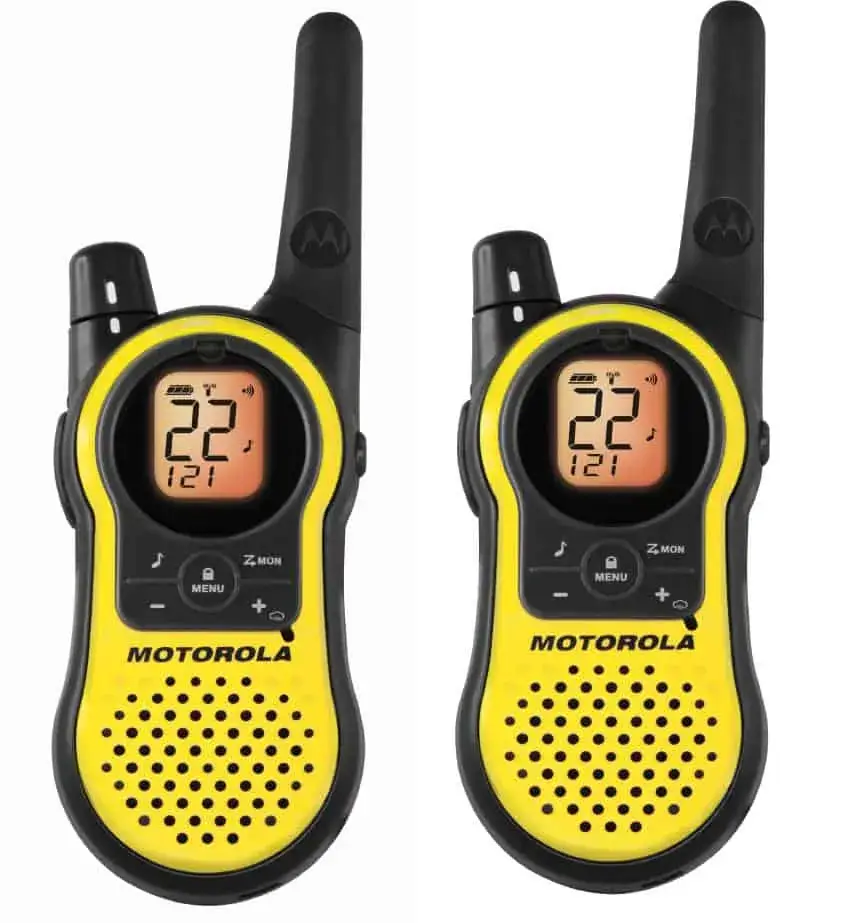
A pair of Family Radio Service (FRS) or General Mobile Radio Service (GMRS) two-way walkie-talkies fills this gap effortlessly. These independent transceivers allow instant voice transmission across several miles without cell towers, internet modems, or external infrastructure.
4. Backup Power: Portable Stations, Solar Plates, and Dynamos
Pair indoor-safe LiFePO4 battery stations with folding solar panels for silent electricity, keeping manual crank dynamos as a zero-fuel emergency backup.
Electricity powers medical equipment, cellular communication, water pumping systems, and home refrigeration. Preserving baseline electrical reserves across a prolonged multi-day grid failure requires a balanced approach to energy storage and regeneration.
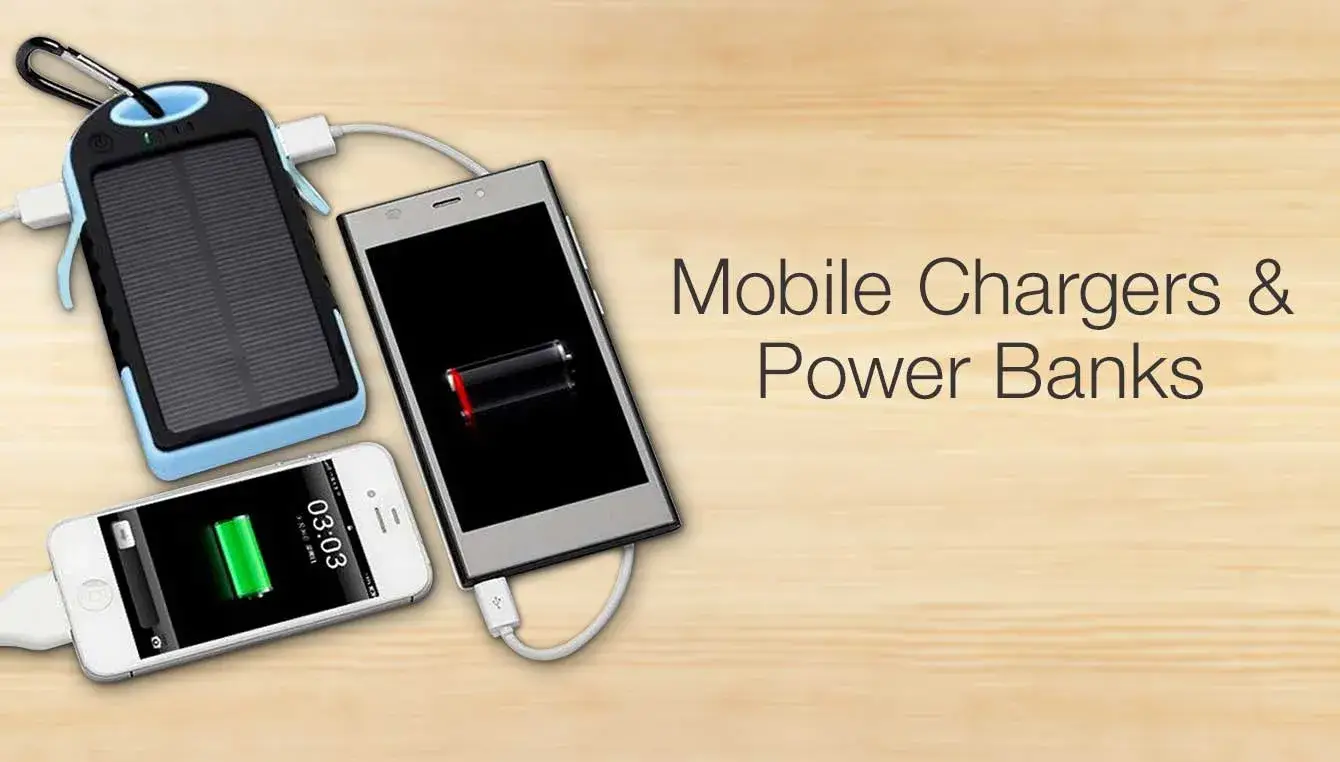
Foldable solar-charging plates convert ambient sunlight into steady direct-current power to maintain phone batteries and rechargeable lamps during daylight hours. Portable solar arrays fold down to notebook dimensions and slip easily into a go-bag or shelf organizer. When paired with high-efficiency USB controllers, they can replenish power banks directly from a sunny window ledge or patio table.
For more substantial household electrical loads, portable lithium iron phosphate (LiFePO4) power stations provide clean, silent alternating current without producing the deadly exhaust gases of combustion engines. These compact battery generators run medical CPAP machines, laptops, and mini-refrigerators safely inside an enclosed room.
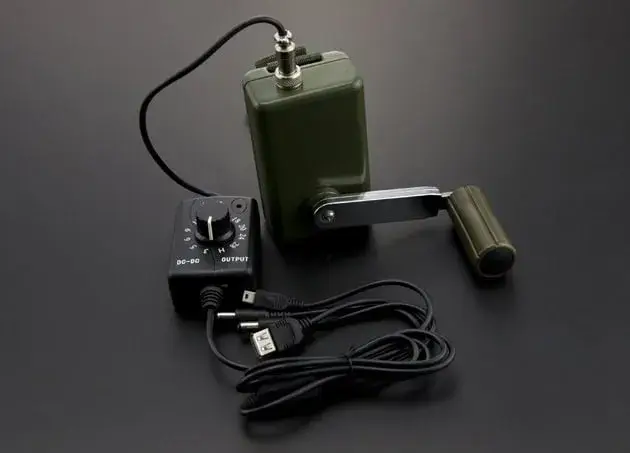
In conditions where prolonged winter blizzards or heavy cloud cover eliminate solar generation entirely, a portable hand-crank generator or pedal dynamo serves as the ultimate manual backstop. While manual crank generators cannot power heavy household appliances like water heaters or stoves, they reliably generate the five to fifteen watts necessary to recharge critical flashlights, radios, and emergency communication gear.
| Power Source | Primary Strengths | Indoor Safety Rating | Ideal Application |
|---|---|---|---|
| LiFePO4 Power Station | Silent, high capacity, stable 120V AC output | 100% Safe (No fumes) | Refrigeration, medical gear, CPAP machines |
| Solar-Charging Plates | Renewable, lightweight, infinite daylight energy | 100% Safe (Exterior exposure) | Power banks, phones, headlamps |
| Hand-Crank Dynamos | Completely independent of weather or fuel | 100% Safe (Manual operation) | Emergency radio and cell phone resuscitation |
| Gasoline Inverter Generator | High wattage output for heavy tools | Extremely Hazardous Indoors | Outdoor-only perimeter operations |
5. Portable Water Purification and Gravity Filtration
Clean running water is the most fragile public utility. Severe floods, seismic activity, municipal main breaks, and power failures at regional water treatment plants can contaminate tap water or cut pressure entirely within hours.
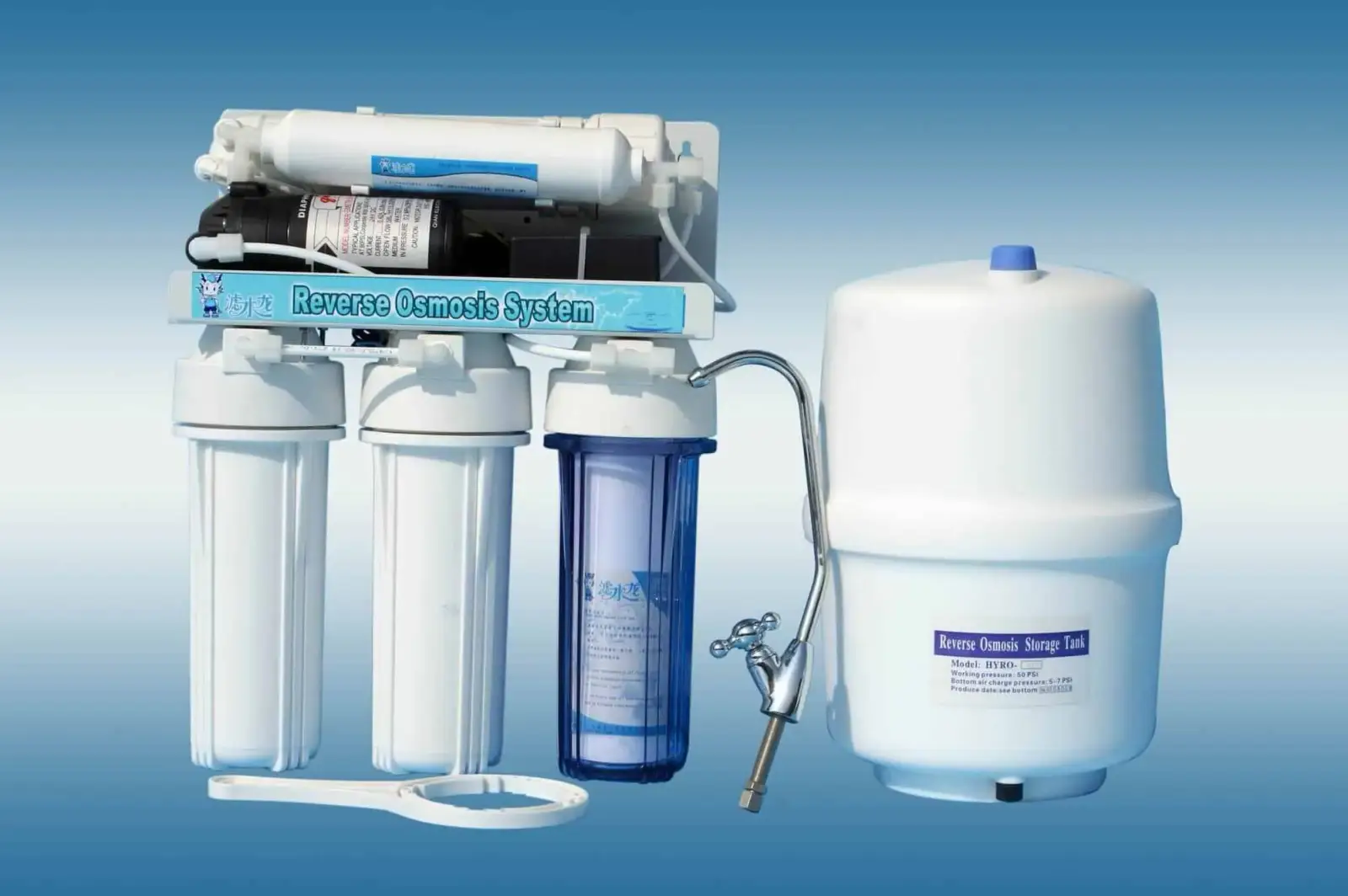
Storing bottled water provides immediate short-term security, but large containers consume substantial floor space and expire over time. Adding top-of-the-line water purifiers to your emergency gear ensures that your household can extract potable water from non-potable freshwater sources such as rainwater catchment barrels, ponds, or streams.
Consider two complementary categories of water treatment hardware:
- Countertop gravity filtration systems: Stainless-steel gravity units use microporous ceramic or carbon block elements to remove bacteria, parasites, heavy metals, and microplastics without requiring water pressure or manual pumping.
- Pocket hollow-fiber membrane filters: Ultralight straw or squeeze filters clear 99.9999% of waterborne protozoa and cysts instantly, offering rapid mobility if you must evacuate on foot.
For biological risks involving waterborne viral contaminants in standing urban floodwaters, choose an advanced electro-adsorptive purifier or pair your mechanical filter with chlorine dioxide purification tablets to ensure complete pathogen neutralization.
6. Safe Indoor Emergency Heating and Thermal Management
Never run outdoor fuel burners inside; rely only on indoor-rated catalytic propane heaters with low-oxygen safety shutoffs and working carbon monoxide detectors.
Winter storms that down overhead power lines can send interior home temperatures plummeting to freezing within twenty-four to forty-eight hours. Keeping family members warm without triggering toxic gas buildup or residential fires is a critical architectural and safety challenge.
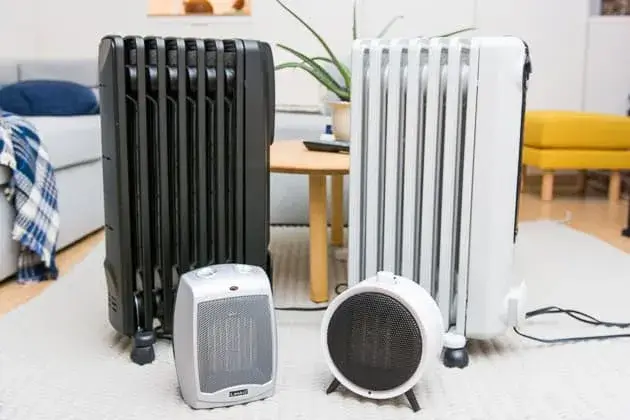
You must exercise extreme caution when selecting non-electric heating gadgets. Standard high-output electric space heaters require fifteen hundred watts of sustained current, draining backup battery stations rapidly. Furthermore, hand-cranked heating devices are an engineering impossibility; human muscle cannot produce the thousands of watts required to heat a residential room.
To stay warm safely indoors, select an indoor-rated radiant catalytic propane heater equipped with an integrated low-oxygen sensor (ODS) and an automatic tip-over shutoff switch. These specialized heaters burn fuel with exceptional efficiency, emitting negligible carbon monoxide when maintained in clean working order. Always maintain an operational battery-powered carbon monoxide alarm in the room whenever running any fuel-burning device.
Complement supplemental heat with passive architectural thermal zoning: close off unused rooms, drape heavy blankets over drafty window frames, and assemble the household in a centrally located, insulated interior room to preserve body warmth.
7. Emergency Cooking: Outdoor Camp Stoves and Safe Fuel Handling
A prolonged grid outage quickly disrupts normal kitchen routines. While shelf-stable foods keep your family fed, warm meals boost morale, soothe cold shock, and make boiled water safe for consumption.
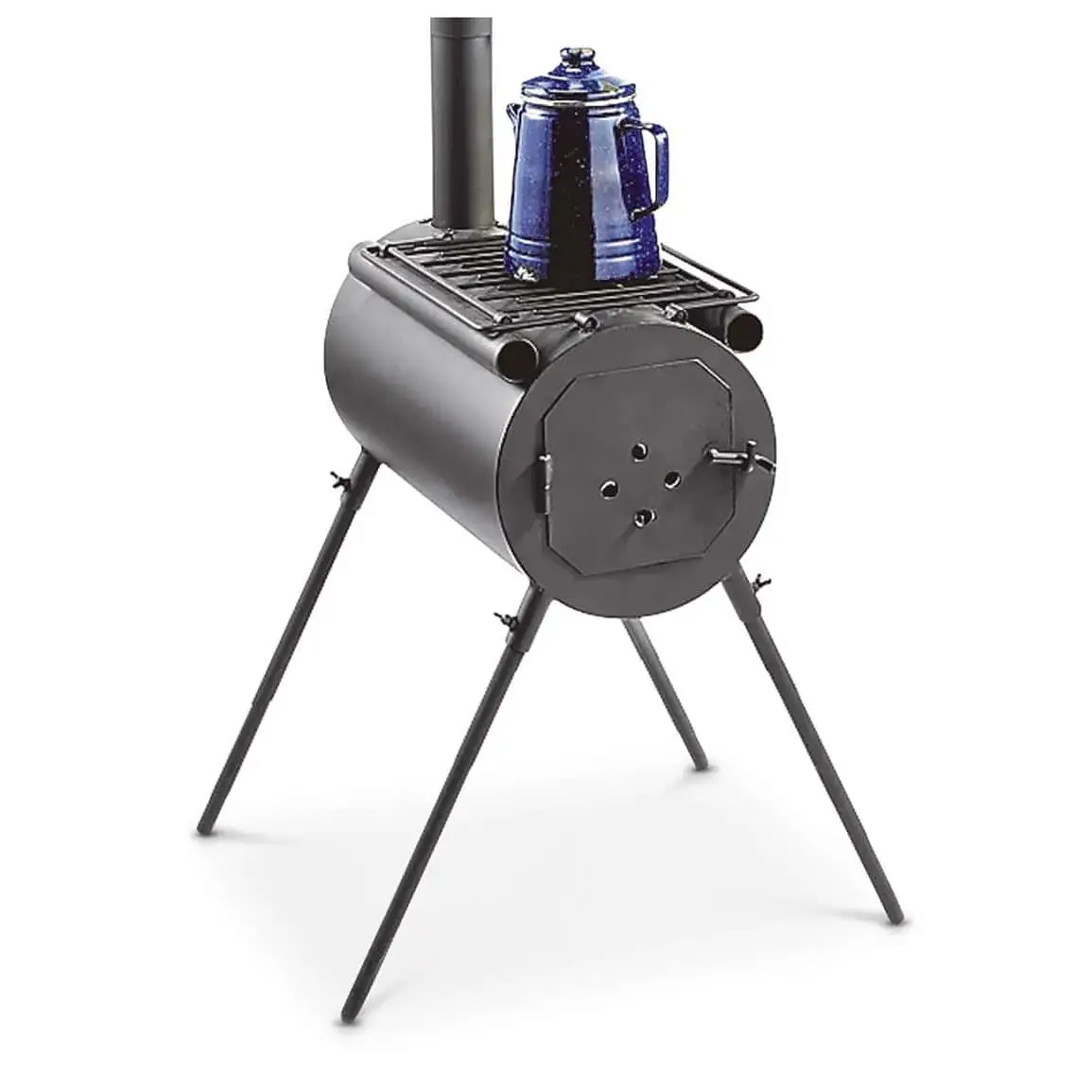
Many homeowners mistakenly turn to outdoor camping stoves during winter power failures, introducing fatal risks into their living spaces. Health and public safety agencies warn that portable propane camp stoves, butane burners, and charcoal grills must never be operated inside a home, garage, or enclosed room due to the rapid accumulation of lethal carbon monoxide.
Keep a compact dual-fuel camp stove paired with one-pound propane canisters or butane bottles in your disaster kit, but designate its use strictly for an open-air exterior location such as a ventilated patio, porch, or outdoor deck. For indoor preparation, rely on flameless military-style chemical ration heating packs or high-capacity power stations connected to low-wattage electric immersion warmers.
8. Mobile Evacuation Gear: Compact Jump Starters
When an emergency escalates into a mandatory regional evacuation, your primary escape vehicle becomes your most critical piece of survival hardware. Freezing temperatures, extended storage periods, and parasitic electrical drains can weaken car batteries, stranding your family in a driveway or garage.
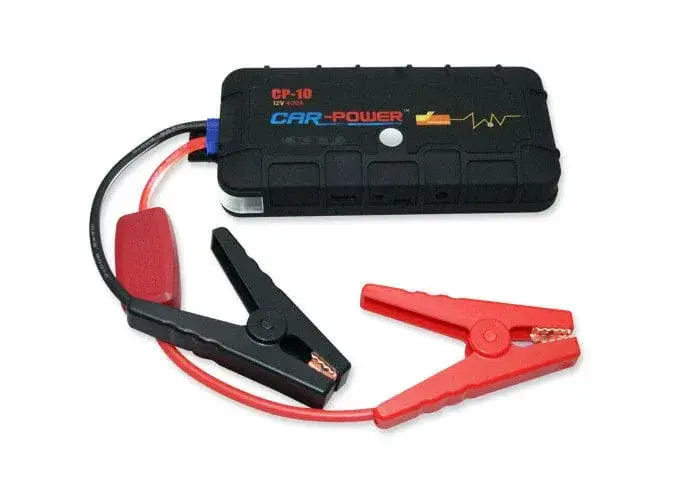
Traditional jumper cables require a second operational vehicle, perfectly matched positioning, and cooperative neighbors, none of which can be guaranteed in a widespread regional crisis. A compact lithium-ion car jump starter lets you restart a dead 12-volt vehicle battery independently in seconds without relying on another motorist.
Modern lithium jump starters weigh less than two pounds, slip into a glove compartment or side cubby, and hold their standby charge for months. Equipped with spark-proof heavy-duty clamps, reverse-polarity protection, and built-in SOS strobe beacons, these units ensure that you can turn over a stalled engine and evacuate immediately when road routes clear.
9. Essential Home Fire Safety and Egress Hardware
Disasters dramatically increase residential fire hazards due to overturned alternative heating appliances, fractured natural gas conduits, fallen electrical lines, and improper fuel handling. Fire containment and emergency egress gadgets are non-negotiable elements of complete disaster readiness.
Every floor of a well-prepared home should feature dedicated fire suppression and emergency escape hardware positioned along designated primary and secondary evacuation corridors.
- Fiberglass emergency fire blankets: Woven fiberglass blankets smother kitchen grease fires, candle mishaps, and fabric flare-ups instantly without leaving chemical powder residues or spraying hazardous fluids.
- Compact ABC dry-chemical extinguishers: Multi-rated fire extinguishers placed in kitchens, furnace rooms, and workshops tackle wood, electrical, and liquid fuel fires before flames spread into structural drywall.
- Upper-floor emergency escape ladders: Tangle-free roll-up aluminum escape ladders hook securely onto standard second-story window sills, offering an immediate secondary egress path if stairwells fill with smoke.
Verify that all family members understand how to deploy these mechanical escape tools, and practice secondary exit drills twice a year to ensure rapid execution under low-visibility emergency conditions.
10. Battery Shelf-Life, Storage, and Maintenance Cycles
Audit your gear every six months by cycling rechargeable battery banks and storing loose alkaline cells separately to prevent corrosive shelf damage.
The finest emergency preparedness gadgets are utterly useless if their batteries have corroded, degraded, or discharged completely while resting on a storage shelf. Hardware reliability requires intentional maintenance routines built into your household calendar.
Establishing a bi-annual maintenance cycle ensures that every emergency gadget in your inventory stands fully charged and functional when unexpected crises strike. Link this inspection routine to seasonal daylight saving time shifts or major seasonal transitions.
| Device Category | Storage Chemistry | Recommended Maintenance Action | Replacement Schedule |
|---|---|---|---|
| Radios & Flashlights | Alkaline / NiMH | Store batteries outside the device; cycle NiMH cells every 6 months | Replace alkaline stock every 5 to 7 years |
| Portable Power Stations | LiFePO4 / Lithium-ion | Discharge to 30% and recharge to 80% every 3 to 6 months | Evaluate capacity after 2,000 to 3,000 cycles |
| Car Jump Starters | Lithium-Polymer | Top up voltage every 3 months; check terminal clamps for oxidation | Replace battery pack after 3 to 5 years |
| Water Filtration Units | Ceramic / Carbon | Dry completely after testing; store with protective end-caps sealed | Replace filter elements per manufacturer gallon limits |
Store all hardware in climate-controlled, dry storage bins elevated off damp basement concrete floors. Extreme temperature fluctuations accelerate battery self-discharge and degrade internal electronics, so designate an interior linen closet, under-bed container, or upper shelf in your utility room for optimal preservation.
Building a Safer, More Resilient Household
Preparing your living environment for unexpected outages and regional emergencies is an empowering investment in family safety and peace of mind. By focusing on multi-functional, dependable hardware, such as solar-capable weather radios, indoor-safe lighting fixtures, gravity water purifiers, and lithium backup power stations, you eliminate vulnerability without filling your home with unnecessary clutter.
Start by auditing your home’s immediate vulnerabilities: check your egress paths, confirm working smoke and carbon monoxide detectors, and assemble a core emergency kit tailored to your local climate and regional risks. Reliable preparation transforms unexpected crises from terrifying catastrophes into manageable household events.