12 Home Deck Ideas Using Modified Wood
Building a home pool or outdoor deck adds lasting value to your home. To get the highest return on your investment, you should plan your layout around a few practical considerations:
- Living style: Decide whether you want secluded privacy or open views of the surrounding landscape.
- Traffic flow: Plan wide, direct pathways through high-traffic zones, especially right outside the back door.
- Size and layout: Determine the overall footprint and map out dedicated spaces for built-in benches, planters, outdoor kitchens, and shade pergolas.
The Important Role of Modified Woods
Modified timber uses heat, steam, or bio-based treatments to resist moisture and rot without the harsh synthetic chemicals found in pressure-treated lumber.
Choosing the right materials plays a vital role in outdoor deck design. While traditional lumber often warps and composites can feel artificial, home improvement professionals frequently recommend modified wood for its natural beauty and environmental profile. Today, the leading options include bio-based furfurylation (such as Kebony), thermally modified wood decking (such as Thermory), and acetylation (such as Accoya).
While thermal modification slightly reduces the wood’s bending strength, it dramatically boosts dimensional stability and biological decay resistance. Because modified softwoods resist moisture absorption, they stay remarkably flat and resist warping over decades of heavy outdoor use. We also love that the modification process relies on heat, steam, or non-toxic bio-based liquids rather than the harsh synthetic chemicals used in pressure-treated timber.
Here are 12 inspiring home deck ideas using modified wood:
Sustainable, Low Maintenance Deck Design
Modified wood stays noticeably cooler and softer under your bare feet than composite decking, making it a comfortable choice around pools and spas.
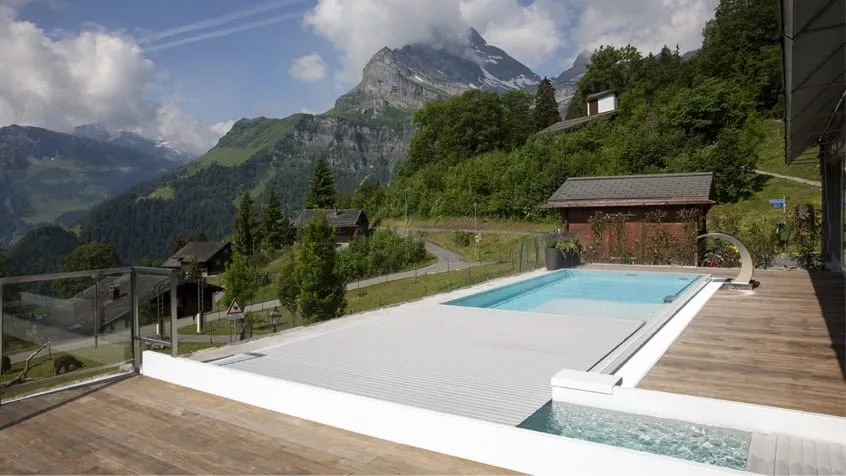
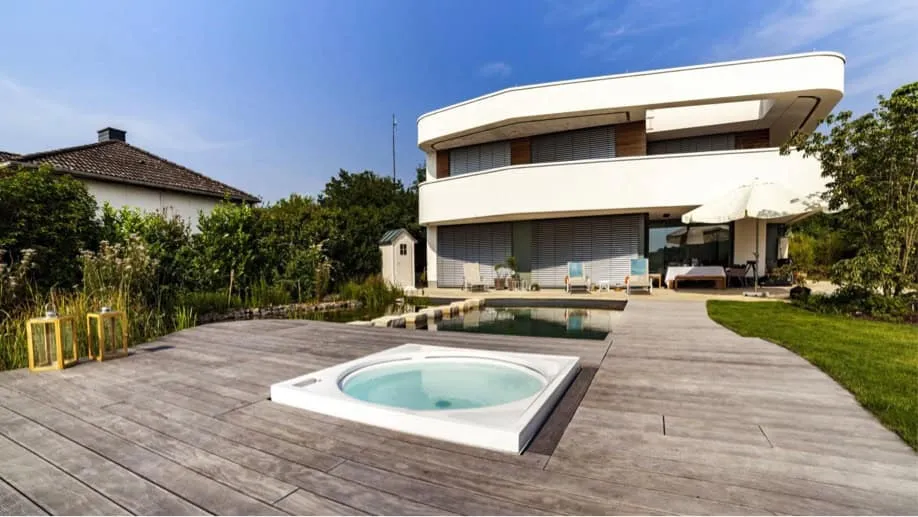
Modern pool deck styles require wood that stands up to severe sun, splashing water, and constant foot traffic. Modified wood is an exceptionally effective choice for pool surrounds and spa borders because it resists swelling, rot, and splintering. Unlike composite boards, which can become uncomfortably hot under direct summer sun, modified timber stays cooler and softer under bare feet. Left untreated, it will gracefully weather into an elegant silvery-gray patina, or you can apply a UV-protecting oil to maintain its original rich brown hue.
Think Outside the Placement Box
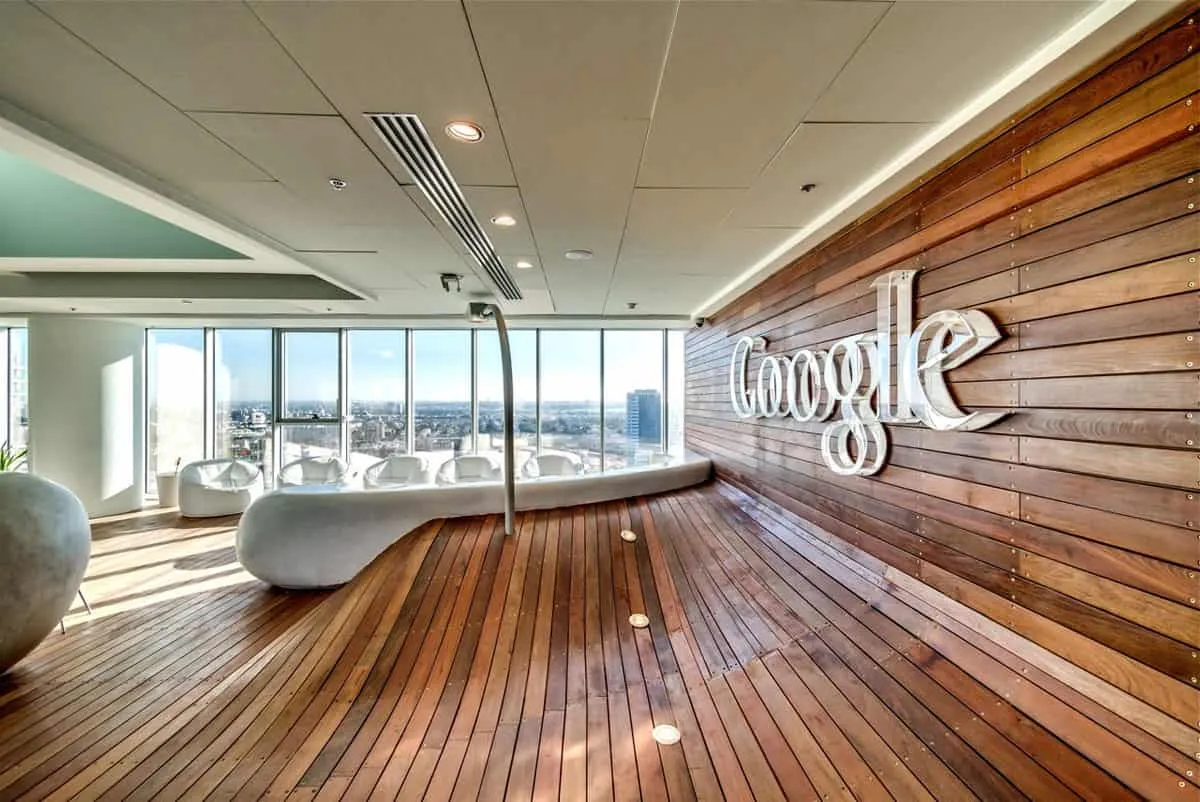
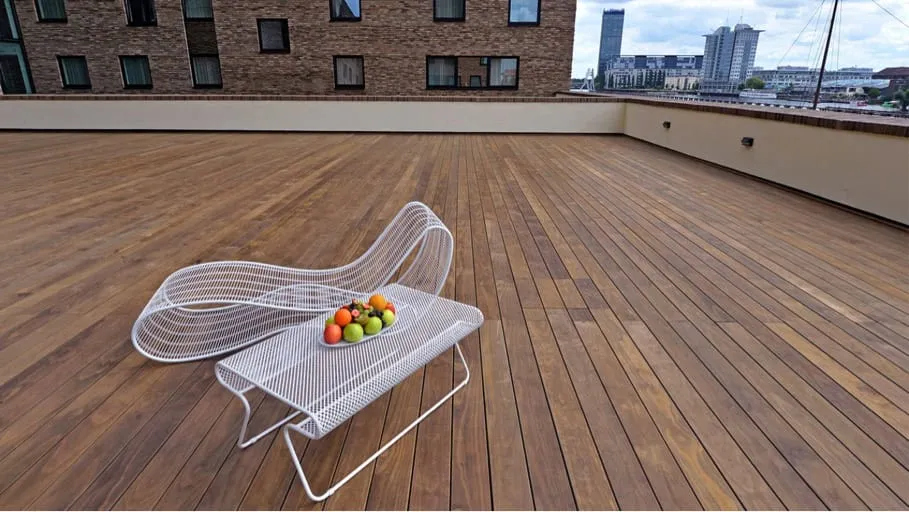
Modified wood is an ideal material for building in non-traditional locations, from rooftop lounges to tucked-away courtyard terraces. Commercial venues and forward-thinking architects often turn unused urban rooftops into vibrant outdoor retreats using modular sleeper systems. If you plan an elevated deck or a rooftop oasis, always consult your local building codes and verify weight-load ratings before construction begins.
Floating Modified Wood Deck
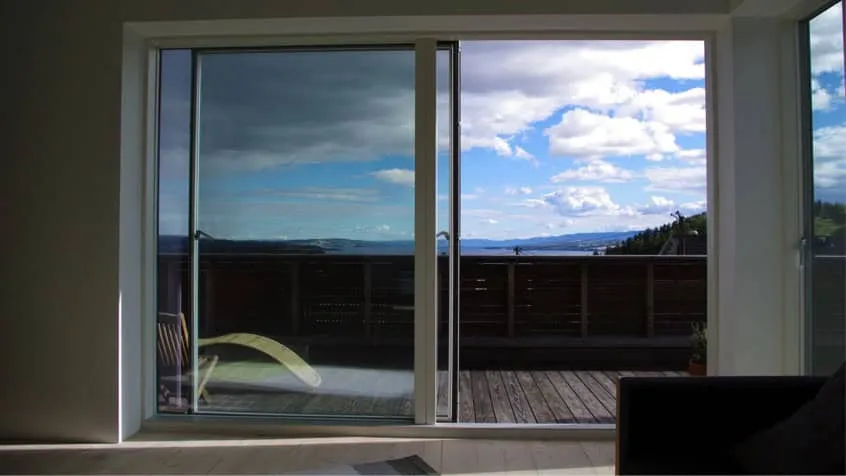
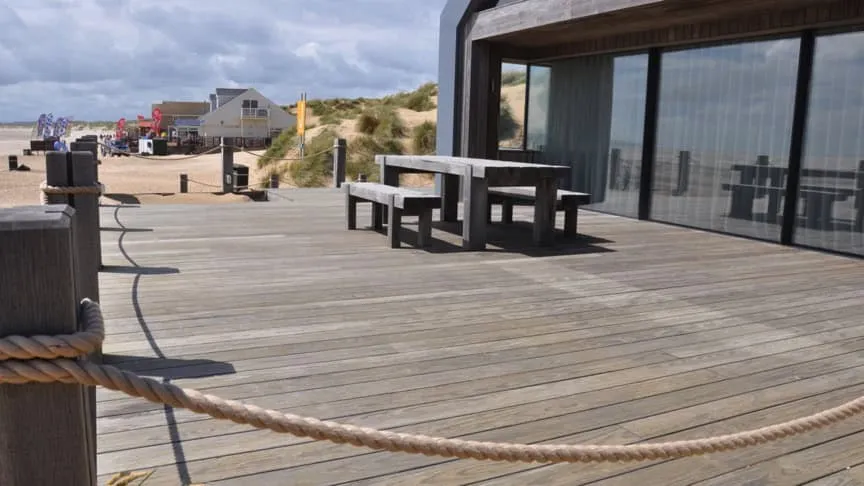
A floating modified wood deck adds architectural interest to any waterfront property, garden nook, or poolside patio. By setting the platform on adjustable pedestal supports or hidden foundation blocks, you create the impression of a lightweight deck floating just above the terrain. Because modified timber handles groundwater moisture without warping, it is an outstanding option for projects situated alongside lakes, retention ponds, or lush backyard water features.
Two Decks are Better than One
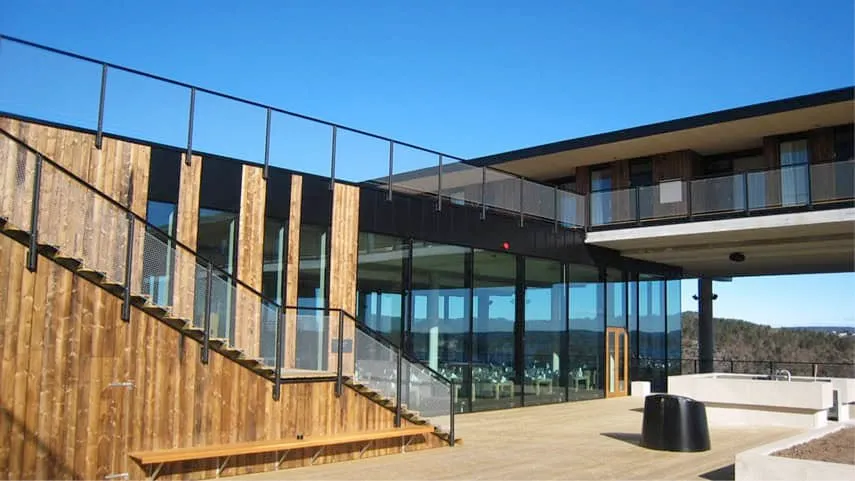
Multi-level decking creates distinct zones for cooking, dining, and lounging while highlighting dynamic grade changes in your yard. Modified wood pairs effortlessly with modern design elements, such as poured concrete, natural stone retaining walls, black steel posts, and sleek cable railings. Connecting an upper dining terrace to a lower fire pit deck gives your outdoor living space the cohesive, upscale feeling of a boutique resort.
Enjoy that Sinking Feeling
A sunken deck or conversation pit creates an intimate gathering space that shields guests from wind and neighboring views. Because sunken areas collect ground runoff and morning moisture, traditional wood often suffers from early rot in these configurations. Modified wood handles this extra exposure with ease, giving you long-term durability without the risk of cupping, cracking, or premature decay.
Smooth Transition
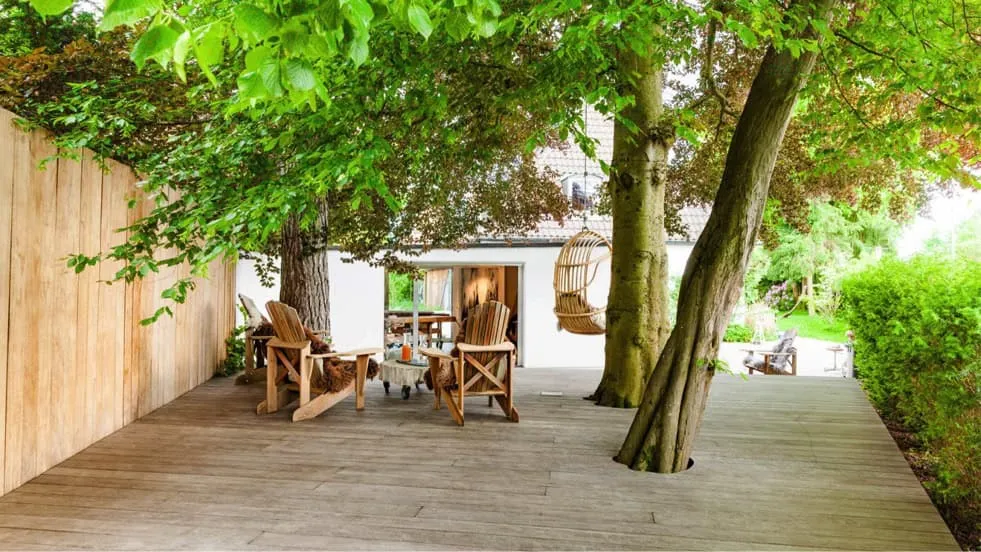
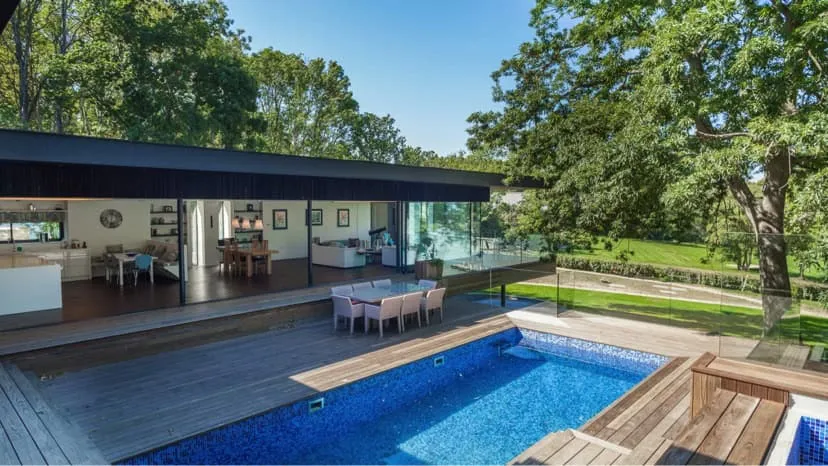
Transitional deck design blurs the boundary between indoor living rooms and the open air. When you align the grain direction, board width, and floor elevation of your interior flooring with your modified deck planks, the entire space feels like one continuous entertaining area. Using hidden clip fastener systems keeps the deck surface free from exposed screws, accentuating this seamless indoor-to-outdoor flow.
The Minimalist Approach for a Modern Pool Deck Style
Clean lines and uncluttered surfaces are the foundation of modern wood deck ideas. Modified timber provides an authentic, knot-free visual texture that complements minimalist architecture, industrial glass walls, and slim-profile railings. Even in the middle of a dense urban environment, a simple, unadorned timber deck provides a soothing connection to the natural world.
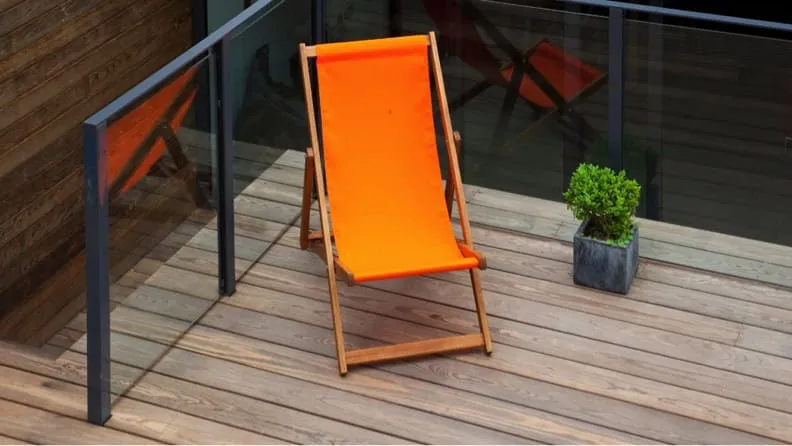
Deck and Home Compatibility
Pairing your deck with matching wood siding or soffits produces a unified architectural statement. Because brands like Kebony and Thermory manufacture both cladding and decking profiles, you can wrap exterior walls, privacy screens, and deck surfaces in the same durable material. This creates a balanced visual wrapper where the house and its outdoor environment complement one another effortlessly.
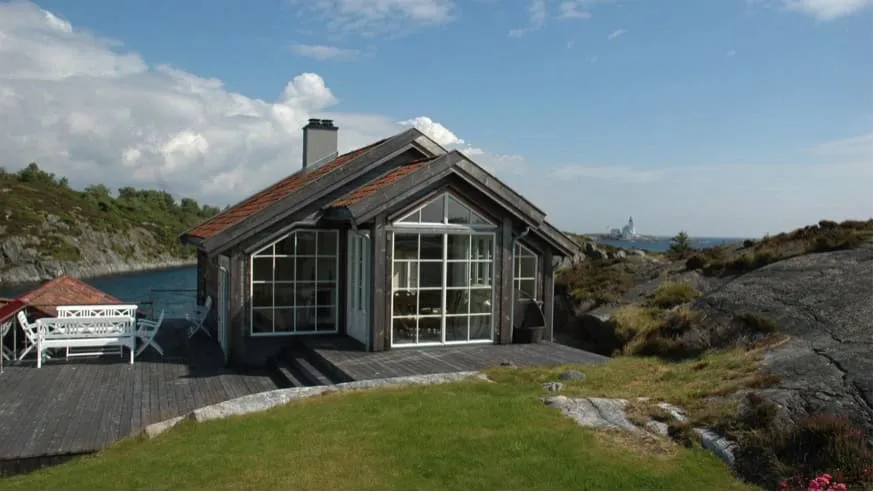
Throw Guests a Curve
Geometric layouts such as herringbone patterns, angled transitions, and picture-frame borders bring extraordinary visual rhythm to large deck expanses. Alternating board directions breaks up monotonous runs of long boards and naturally guides foot traffic toward distinct areas like outdoor kitchens or seating nooks. With precise cuts and hidden fasteners, these patterns turn the deck floor into an artistic centerpiece.
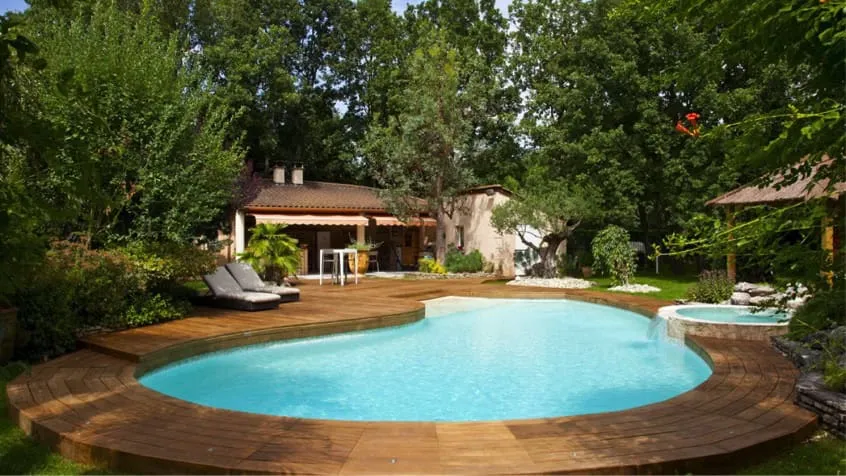
Attach Your Deck to a Walkway
Extending your deck into a boardwalk-style walkway ties the entire property together. A raised modified timber path leading from the driveway, around the side yard, and straight onto the main deck provides a welcoming approach for arriving guests. Because modified wood resists rot from adjacent garden beds, ground cover plants, and irrigation spray, the walkway stays safe and structurally sound for years.
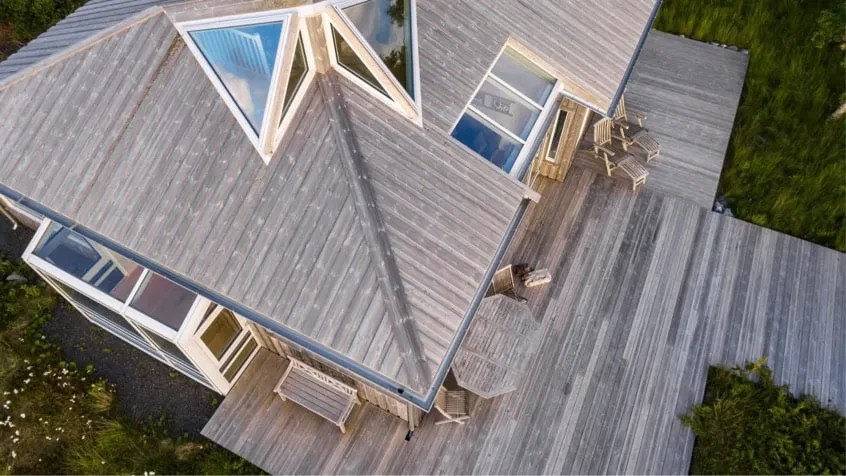
Accentuate Wood Grains
The rich, enhanced grain patterns of modified wood provide a striking organic contrast to green lawns and hard masonry. The cellular modification process darkens the wood all the way through the board, creating prominent growth rings and deep tonal depth that synthetic plastic composites cannot replicate. Whether you choose to preserve that dark timber shade with penetrating oils or allow it to silver naturally, the organic grain remains distinctly visible.
Promote an Environmentally Sound Design
Eco-friendly wood decking delivers the unmatched performance of tropical hardwoods without contributing to global deforestation. Modified timber uses fast-growing, certified sustainable softwoods such as Radiata pine and Southern yellow pine. By transforming fast-growing, managed trees into materials that match or exceed the durability of slow-growth teak or ipe, modified wood offers a truly sustainable building choice for your home.