Home Improvement Tips For Decreasing Your Utility Bills
As a homeowner or renter, you are likely looking for practical ways to upgrade your space while lowering your utility bills. Whether you want to learn how to lower electric bill costs or need proven tips to lower water bill charges, smart adjustments make an immediate impact. Learning how to reduce utility bills does not mean sacrificing everyday comfort. Before starting major upgrades, consider doing a quick DIY home energy audit to pinpoint drafts, vampire power drains, and inefficient fixtures. Check out the actionable steps below to discover effective ways to save on heating and cooling, water, and power.
Switch To Energy Efficient Appliances
Upgrading to high-efficiency appliances and using smart power strips eliminates idle phantom load while reducing your monthly electric costs.
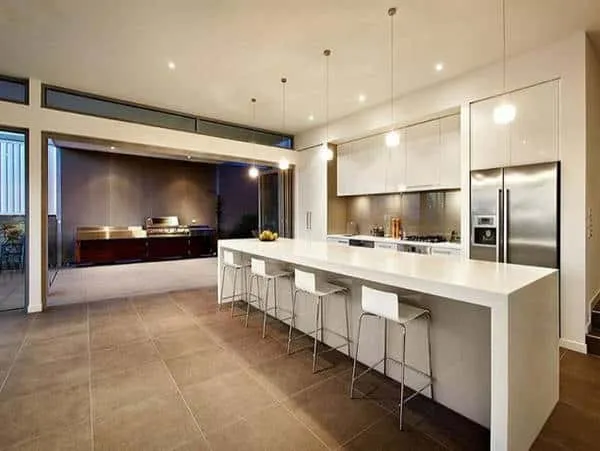
Major appliances account for a substantial share of monthly household energy use. Devices with higher efficiency ratings consume far less electricity than their conventional counterparts. You can readily find high-efficiency models across everyday categories:
- Refrigerators and freezers
- Stoves and cooktops
- Washing machines
- Clothes dryers
While energy efficient models carry a higher purchase price, they quickly pay for themselves through smaller monthly power bills. To prevent standby power drain from smaller electronics, plug your entertainment centers and desk equipment into smart power strips that automatically cut power when devices are idle.

Energy Efficient Curtains
Most people focus on appliances when cutting utility expenses, but window treatments also provide substantial returns. Energy efficient curtains featuring a microfiber thermal coating add a reliable layer of insulation to any room. During cold months, these heavy drapes keep interior warmth from escaping through the glass; during hot summer days, they reflect outdoor heat away.
By pairing thermal curtains with air sealing methods like weatherstripping and caulking along leaky window sills, you stop stubborn drafts. This lets you maintain your desired room temperature without forcing your HVAC unit to cycle constantly, producing noticeable savings on your monthly bill.

Toilets And Sinks
Decreasing your monthly utility costs also means addressing water consumption. Sinks, showerheads, and toilets are prime targets for simple conservation upgrades. Water efficient faucets, low-flow aerators, and modern dual-flush toilets work just as well as standard fixtures while using significantly less water per use.
You can also reduce heating costs by turning your water heater thermostat down to 120 degrees Fahrenheit and wrapping exposed hot water pipes in foam insulation. You should also consider investing in a water softener. Check this site for more information as soon as possible.

More Insulation
Proper attic and wall insulation paired with a smart thermostat prevents conditioned air loss and lowers seasonal heating and cooling demand.
Upgrading your insulation is one of the most effective energy efficient home improvements you can undertake. Adding adequate insulation to your attic, crawl spaces, and exterior walls traps indoor temperatures far better and stabilizes your home climate year-round.
Pairing fresh insulation with a programmable or smart thermostat allows you to automate temperature setbacks when you are asleep or away at work. Along with regular HVAC air filter replacements every few months, proper insulation keeps your heating and cooling equipment running efficiently, prevents unnecessary wear, and protects your budget.