7 Majestic Architectural Structures And How To Photograph Them
A great first step in starting a career in architectural photography is to travel the world. It is an opportunity to snap photos of amazing structures across diverse architectural styles. Photographing unique buildings around the globe gives you a firsthand glimpse into the history and culture of each destination through your lens.
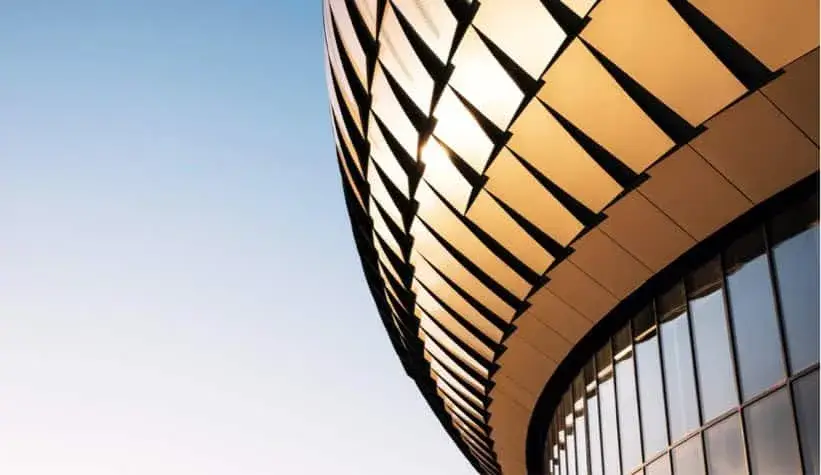
Before traveling, you need the right gear and knowledge of key architectural photography settings to capture stunning images. Make sure to bring a capable camera, such as a DSLR camera like the Canon 5DS R, that delivers ultra-high resolution and fine detail. When choosing the best lens for architectural photography, consider an ultra-wide zoom to capture towering facades in tight spaces, or a tilt shift lens architecture photographers rely on to avoid converging vertical lines and perspective distortion. Pack a sturdy tripod so you can shoot at base ISO with apertures between f/8 and f/16 for optimal sharpness.
A great first step in starting a career in architectural photography is to travel the world. It is an opportunity to snap photos of amazing structures across diverse architectural styles. Photographing unique buildings around the globe gives you a firsthand glimpse into the history and culture of each destination through your lens.
Before traveling, you need the right gear and knowledge of key architectural photography settings to capture stunning images. Make sure to bring a capable camera, such as a DSLR camera like the Canon 5DS R, that delivers ultra-high resolution and fine detail. When choosing the best lens for architectural photography, consider an ultra-wide zoom to capture towering facades in tight spaces, or a tilt shift lens architecture photographers rely on to avoid converging vertical lines and perspective distortion. Pack a sturdy tripod so you can shoot at base ISO with apertures between f/8 and f/16 for optimal sharpness.
Once you have your photography gear ready, it is time to hunt for world-class locations where you can practice exterior architecture photography and hone your architectural photography composition. Here are seven awesome buildings and structures around the world that make some of the best subjects for your photos:
EIFFEL TOWER
Position your tripod beneath the Eiffel Tower and shoot from a low angle to highlight intricate ironwork and convey monumental scale.
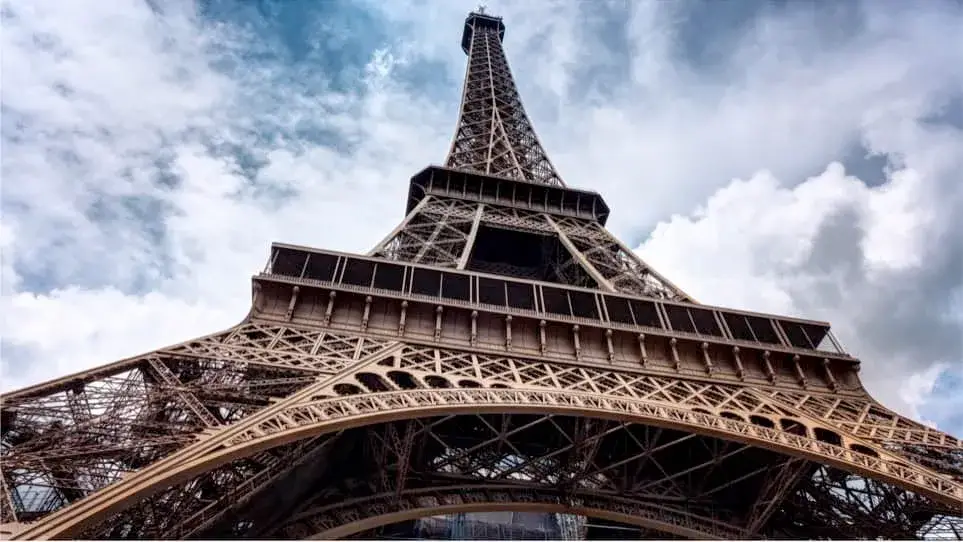
The famous Eiffel Tower was designed by Gustave Eiffel, the same engineer who created the internal framework of the Statue of Liberty in New York City. Built to represent Paris in the Universal Exposition of 1889, the tower was originally scheduled for demolition in 1909 before being repurposed as a vital radio antenna.
Constructed by roughly 300 on-site workers, the Eiffel Tower stands at 330 meters (1,083 feet) tall including its antennas and is assembled from 18,038 pieces of iron joined by 2.5 million rivets. As a global symbol of romance, it remains one of the most picturesque landmarks in Paris and the entire world.
While its silhouette looks enchanting from afar, getting close to the base lets you capture intricate structural details. Position your tripod directly beneath the tower or frame one of its massive pillars from a low angle to accentuate its towering presence. You can also include passing pedestrians near the base of the frame to give the structure a clear sense of scale without cluttering your architectural photography composition.
BURJ KHALIFA
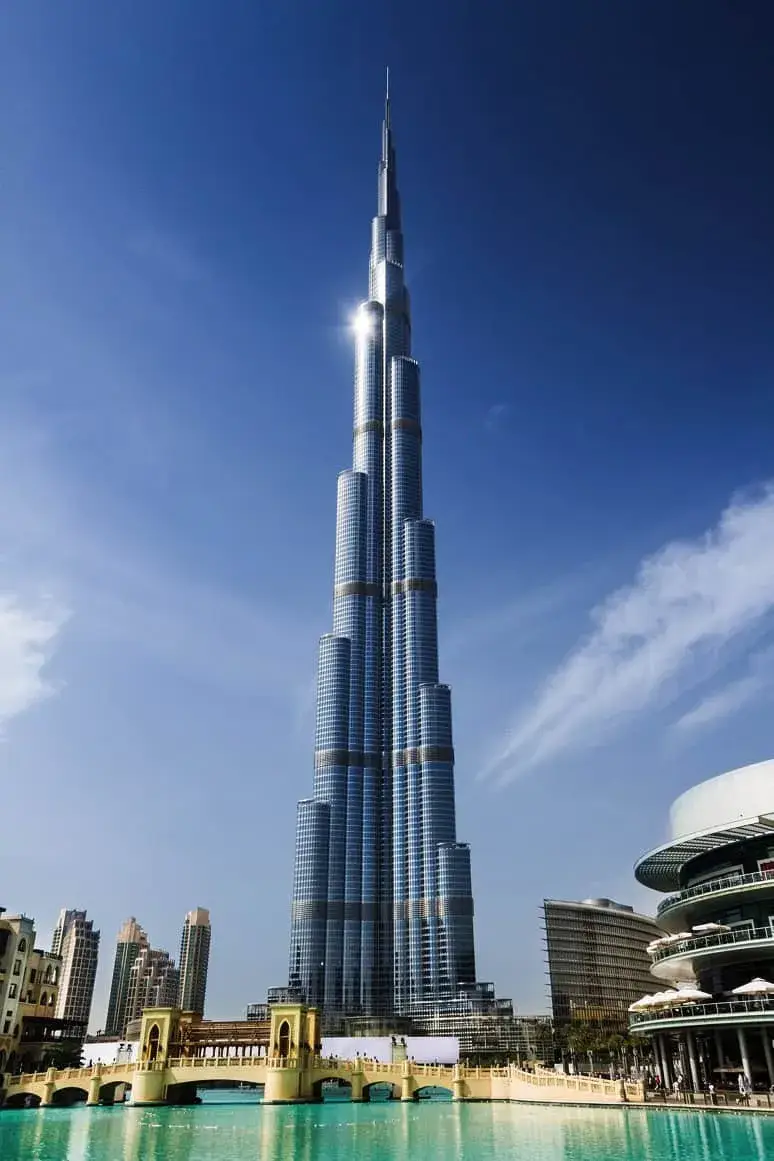
Currently the world’s tallest building, the Burj Khalifa is an architectural wonder that photographers should not miss.
Construction of the Burj Khalifa began on January 6, 2004, and the building officially opened on January 4, 2010. Reaching 2,716.5 feet (828 meters), the skyscraper combines aluminum, glass, steel, and reinforced concrete across 163 floors. It features an observation deck on the 124th floor and stands right next to Dubai Mall, which boasts a spectacular underwater zoo.
The reflective glass facade of the Burj Khalifa offers extraordinary opportunities for creative architecture photography lighting. Capture the skyscraper from ground level looking straight up to emphasize its immense vertical lines, or shoot from an adjacent rooftop during blue hour when interior ambient lights balance with the deep twilight sky. In post-processing, use lens distortion correction and exposure blending to preserve highlight details on the facade and balance bright city lights against the dark night sky.
GREAT WALL OF CHINA
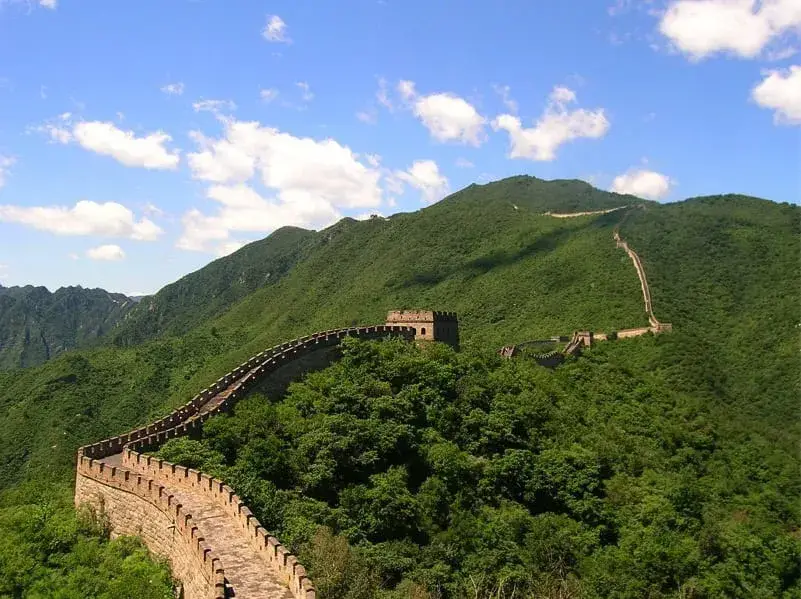
A UNESCO World Heritage site, the Great Wall of China winds across nine provinces:
- Liaoning
- Hebei
- Tianjin
- Beijing
- Inner Mongolia
- Shanxi
- Shaanxi
- Ningxia
- Gansu
During the Ming dynasty, builders used sticky rice mortar to bind together the bricks of the Great Wall, which took centuries to construct. Spanning more than 21,196 kilometers in total, the fortification was built by soldiers, commoners, and convicts across successive dynasties, with hundreds of thousands enduring perilous conditions to build it.
For an exceptional vantage point, go to the Jiankou section of the Great Wall, known for its rugged wild beauty and steep mountain ridges (especially in mid-April when peach and almond blossoms bloom).
Because the wall’s most striking feature is its tremendous length, use leading lines to guide the viewer’s eye through the landscape. Shoot during golden hour when low-angled sunlight casts rich side shadows across the stone watchtowers and accentuates the texture of the masonry.
TAJ MAHAL
Align your camera along the central axis at sunrise to capture the Taj Mahal with flawless symmetry, warm light, and zero crowds.
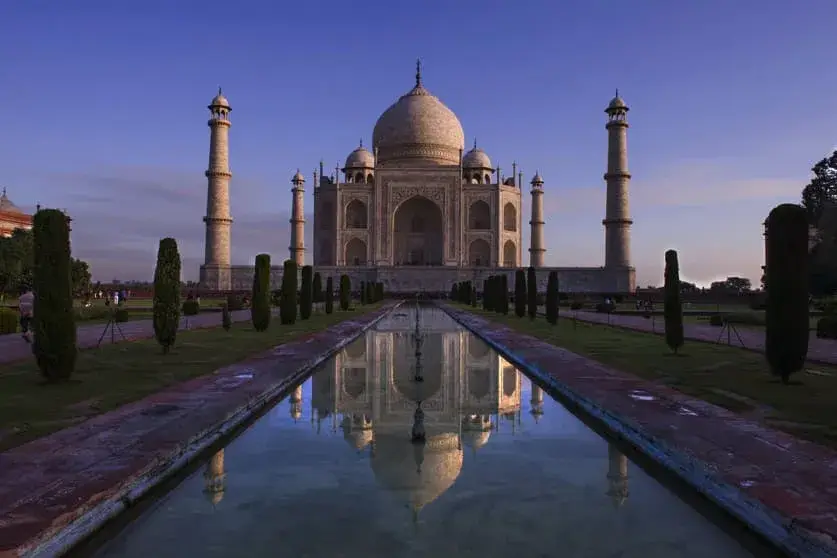
The world-famous Taj Mahal is an ivory-white marble mausoleum designed by chief architect Ustad Ahmad Lahauri. It serves as the final resting place of Emperor Shah Jahan’s wife, Arjumand Banu Begum, widely known as Mumtaz Mahal.
Her tomb rests centrally within the main chamber beneath the dome, while Shah Jahan’s tomb was placed beside hers on the western side.
Exterior symmetry is the defining hallmark of the Taj Mahal’s architectural design. Align your camera precisely on the central axis and incorporate the reflecting pool in the foreground to mirror the dome and minarets. Arrive at dawn during golden hour for soft, warm lighting and fewer crowds, and stop your aperture down to f/11 for crisp detail across the entire facade.
LA SAGRADA FAMILÍA
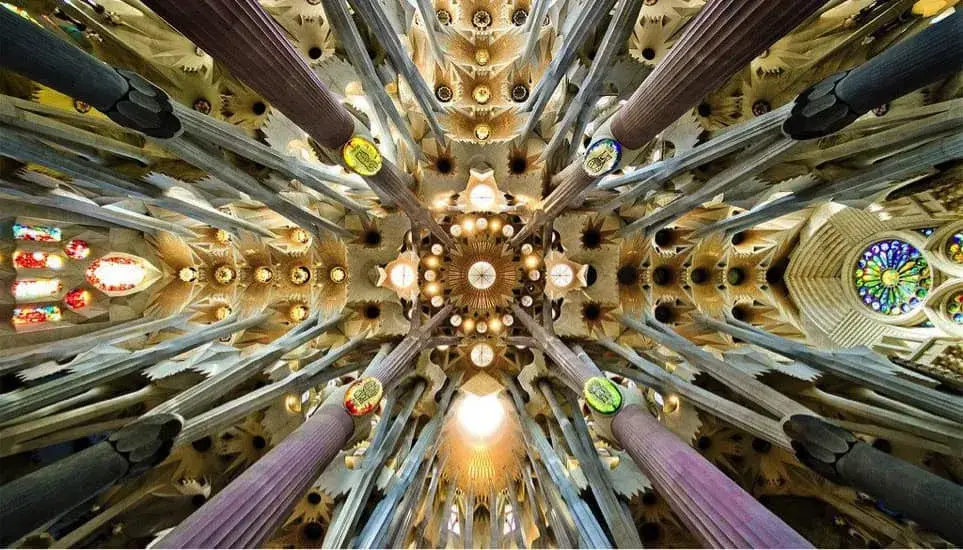
Photo by SBA73 / CC BY-SA 2.0
In Barcelona, Spain, the Basílica de la Sagrada Família is an essential destination for any architectural photographer. Master architect Antoni Gaudí designed the basilica alongside seven other iconic, nature-inspired structures scattered across the city.
The groundbreaking for La Sagrada Família took place in 1882. Gaudí passed away in 1926 with only roughly a quarter of the basilica completed. While the main structure and central tower are targeted for completion in 2026, work on decorative details and the main entrance stairway is scheduled to continue until 2034.
When composing your shot of the basilica, look for strong vertical lines and symmetrical angles that highlight Gaudí’s organic geometry. Keep your camera level or use a tilt-shift lens to avoid keystoning on the towering spires. Step inside to photograph the interior forest of columns, adjusting your architectural photography settings manually to capture the rich colors cast through the stained-glass windows.
SYDNEY OPERA HOUSE
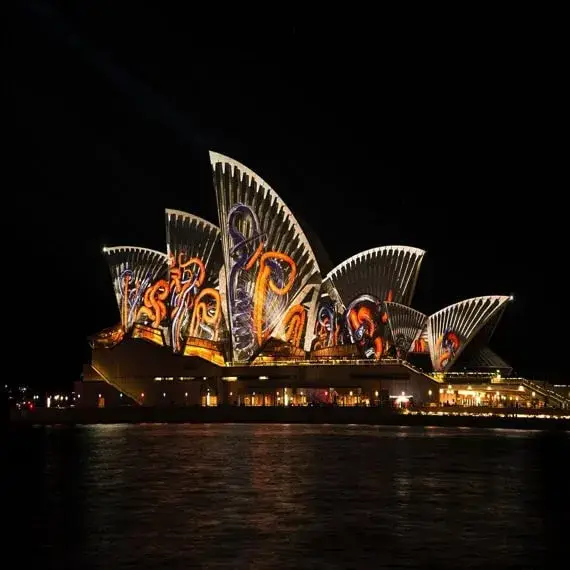
As one of the world’s most recognizable cultural landmarks, the Sydney Opera House represents the pinnacle of modern expressionist architecture. Out of 233 competition entries, Danish architect Jørn Utzon’s visionary design won the international contest. Construction began in 1959, and the building was opened in 1973. It houses the Concert Hall Grand Organ, the largest mechanical organ in the world, with 10,154 pipes that took 10 years to build.
The distinctive shell-like roof sails offer incredible compositional variety from multiple viewpoints around Sydney Harbour. If you visit during an evening light festival when graphics illuminate the sails, switch to a telephoto lens and shoot from across the water. A telephoto focal length compresses the scene and eliminates unwanted harbor clutter, isolating the glowing architectural geometry against the dark night sky.
MARINA BAY SANDS
Photograph Marina Bay Sands across the water during blue hour at f/11 to turn building lights into sharp starburst reflections.
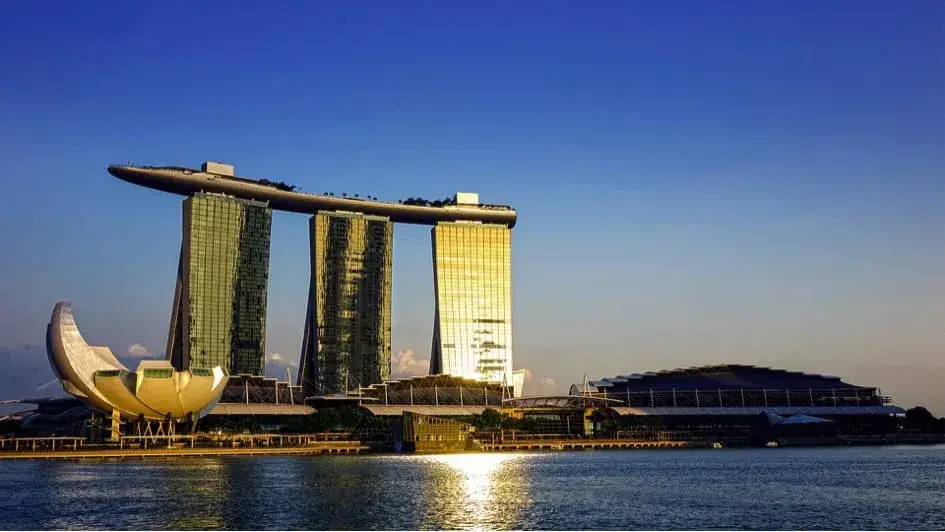
Designed by architect Moshe Safdie, Marina Bay Sands in Singapore is an iconic luxury resort celebrated for its bold engineering and sweeping curves.
The 55-floor complex features several record-breaking facilities:
- 2,561 hotel rooms and suites
- A 1.3 million-square-foot convention and exhibition center
- The Shoppes at Marina Bay Sands, spanning 800,000 square feet of retail space
- The world’s largest atrium casino with 500 tables and 1,600 slot machines
- A 340-meter SkyPark garden that can accommodate 3,900 people
- A 150-meter infinity pool, considered the world’s longest elevated pool
For the most striking architectural photography tips in practice, shoot Marina Bay Sands during golden hour and blue hour. The reflective facade catches the warm sunset glow, followed by vibrant city lights that mirror across the water. Use a sturdy tripod and a narrow aperture like f/11 to turn the artificial lights into crisp starbursts.
Architectural photography is about more than taking travel souvenirs: it gives viewers a fresh perspective on human ingenuity by highlighting structural design, light, and form. Pack your camera bag, head out to these iconic landmarks, and start capturing your next great architectural frame!