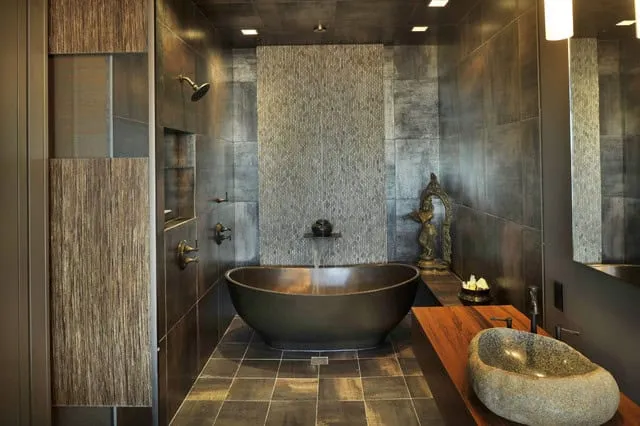
Carpeting the floor – Pros and Cons
Floor carpeting is not new to the world of home design, but nowadays it competes with modern hard-surface alternatives like hardwood and luxury vinyl tile. Wall-to-wall carpeting has been adopted by many homes because it completes the look of a room and enhances the entire decor. Using carpet to cover your flooring can make your house feel noticeably more inviting and cozy. Before committing to a complete overhaul, reviewing the advantages and disadvantages of carpet flooring will help you decide if wall-to-wall carpeting pros and cons fit your household routine.

Pros
Enhances the décor
Subfloor imperfections and outdated sub-surfaces are easily concealed beneath plush carpeting. If your floor tiling is worn or dated, carpet provides an instant aesthetic lift. It softens the visual lines of a space while giving your home a cohesive, stylish makeover. Carpet works especially well in low-traffic, relaxation-focused zones, making master bedrooms, guest suites, and home libraries the best rooms for carpet flooring.
Warmth in winters
Carpet acts as a natural insulator by holding room heat and blocking cold subfloor drafts to lower your winter energy costs.
Winter months feel substantially more comfortable when you have carpet underfoot. Tile and stone conduct cold rapidly and can make living spaces feel chilly. Wooden flooring stays warmer than tile, but carpet offers the best heat insulation to help reduce your seasonal energy bills. The dense fibers and underpad create a reliable thermal barrier that retains warmth and stops cold drafts from seeping through the subfloor.
Soft for your feet
Walking barefoot on rigid surfaces exerts repetitive pressure on your joints and heels throughout the day. A carpeted floor provides generous cushioning that feels comfortable underfoot and reduces daily fatigue. It also offers valuable safety benefits: toddlers crawling and learning to walk are protected from hard impacts, while seniors gain slip resistance that helps prevent accidental falls.
Sound insulation
Carpet cuts down ambient noise by absorbing airborne sound and softening room acoustics. In multi-story homes, wall-to-wall carpeting provides essential impact sound reduction, stopping footsteps and energetic play from echoing into the rooms below. You will not be disturbed by the movement of kids or other family members pacing across upper floors.
Cheaper flooring option
Carpet costs significantly less to buy and install upfront than hardwood or tile, making it ideal for refreshing rooms on a budget.
When weighing carpet vs hardwood pros and cons, upfront cost is a major benefit. Carpets are cheaper to purchase and install than hardwood, natural stone, or ceramic tile. This makes carpeting an accessible choice if you want to refresh multiple rooms on a sensible renovation budget.
Cons
Perfect breeding ground for dust mites
Dense pile traps everyday dust, skin flakes, and pet dander close to the floor. Over time, carpets can turn into a breeding ground for dust mites and other microscopic pests. Because particulate matter settles deep into the fibers, standard vacuuming may fail to extract it, requiring frequent deep-cleaning cycles.
Allergens and moisture trapping
Thick, fibrous carpets readily absorb ambient humidity and trap biological allergens. Trapped moisture can quickly cultivate mold and mildew within the pile and padding, aggravating indoor air quality. New synthetic carpets and installation adhesives can also emit volatile organic compounds (VOCs) when first installed. If your family struggles with respiratory sensitivities or frequent allergy attacks, dense carpeting requires rigorous HEPA filtration and prompt moisture control.
Retains stains and odors
Accidental beverage spills, dropped food, and pet accidents rarely go unnoticed on carpet. Liquid spills soak deep into the backing and underlay, locking in persistent stains, lingering odors, and embedded pet hair. For these hygiene reasons, households with young pets often struggle with upkeep, and carpet should be avoided entirely in moisture-heavy rooms like kitchens and bathrooms.
High maintenance cost
Keep in mind that lower upfront costs can be offset over time by routine deep cleanings and replacement every 5 to 15 years.
While carpet requires less capital upfront, long-term carpet lifespan and maintenance expenses can add up quickly. Unlike hardwood or quality tile that can last for decades, carpets typically require replacement every 5 to 15 years depending on wear and foot traffic. Professional steam cleanings, stain treatments, and periodic pad replacements mean that initial savings are often offset over time, reducing its overall cost-effectiveness.
Carpeting maintains an enduring appeal thanks to its unmatched warmth, plush comfort, and acoustic dampening qualities. While newer, water-resistant hard flooring options continue to capture attention for their durability and low upkeep, carpet remains a strong contender for rest and lounge spaces. Carefully balancing these carpeting the floor pros and cons against your budget, allergy needs, and lifestyle will ensure you make the right investment for your home.