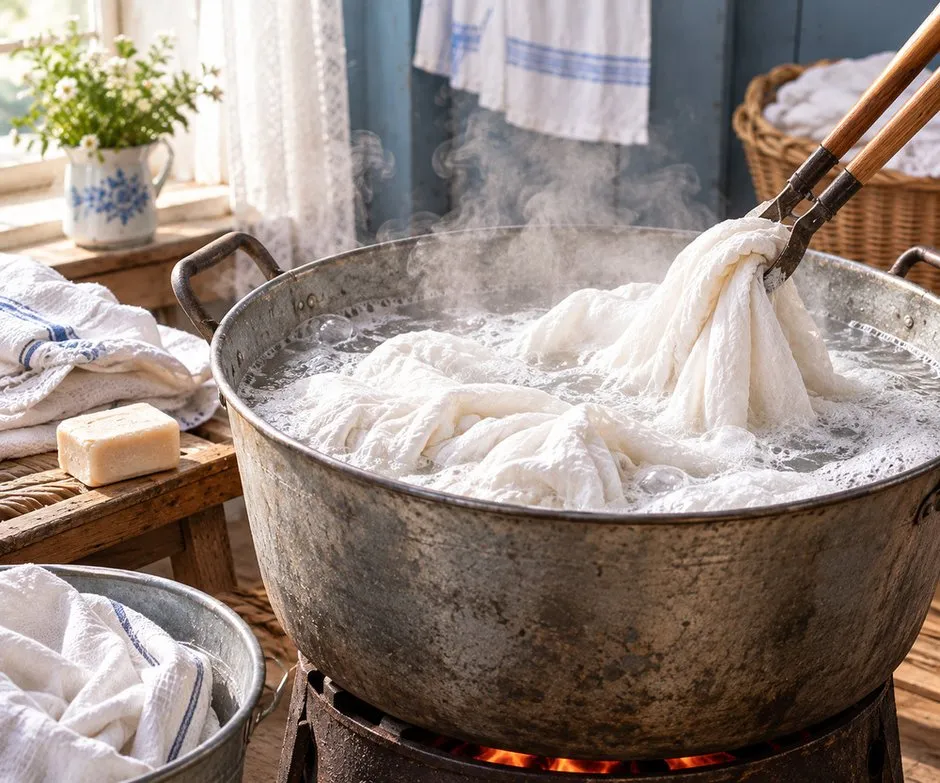
A large metal tank with a lid was used for boiling laundry. Suitable cotton and linen items were placed inside, usually white sheets, towels, and other household linens.
Detergents were added to the water, after which the tank was heated. During boiling, the laundry was periodically moved around using special tongs or a wooden stick.
This process helped remove some persistent stains, especially greasy ones, while the high temperature provided an additional hygienic treatment.
In the 1956 Soviet manual “Household Management,” boiling was described as a separate step in laundry care. At that time, washing machines already existed, including models with water heating. Boiling was particularly necessary in areas where such equipment was unavailable or unable to handle certain types of stains.
The drawbacks of this method are obvious: it required heating large amounts of water, carrying heavy tanks, and handling hot solutions.
What remains today? For suitable fabrics, modern washing machines offer high-temperature programs, eliminating the need to boil clothes on a stove.
However, there’s no real reason to revert to boiling. Not all fabrics can withstand high temperatures, and certain dyes, finishes, and decorative elements may be damaged even on natural cotton.
Dishwashing Board: When Stains Had to Be Wiped Away by Hand
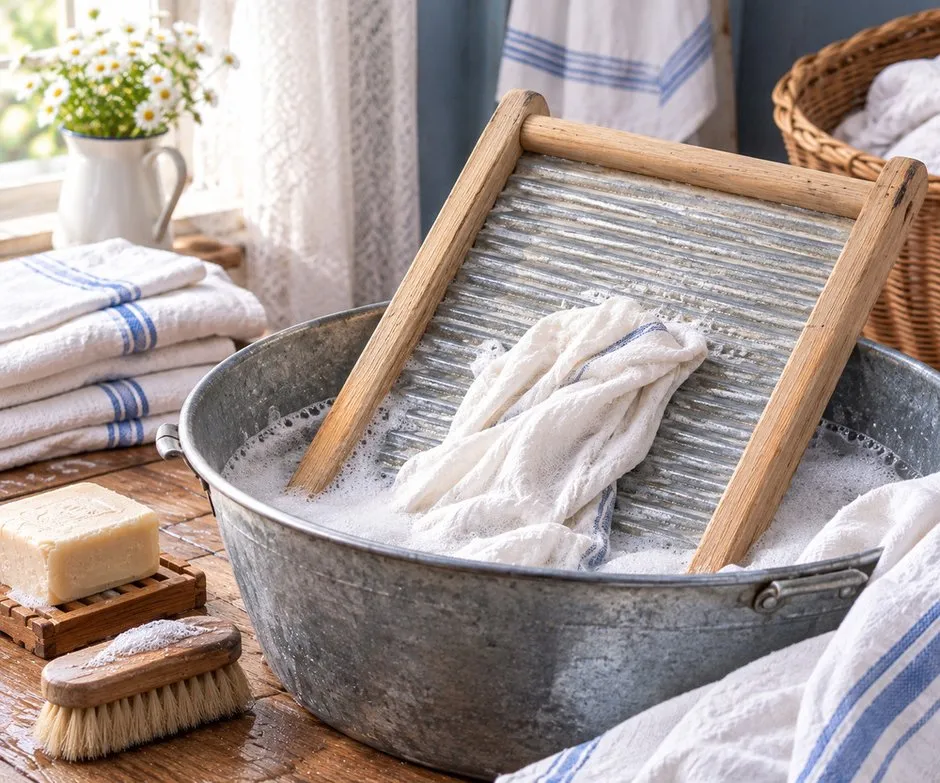
A ridged metal or wooden surface was another characteristic item of old household items.
The washing board was placed in a tub, the laundry was soaked in soapy water, and the dirty areas were rubbed against the ridges. The mechanical friction helped remove dirt that was difficult to wash away with just soaking.
Various items were treated this way, but it was especially convenient for working with thick fabrics such as towels, work clothes, and particularly dirty spots.
However, hand washing required strength. Careless or prolonged rubbing could damage the fibers and speed up fabric wear.
With the advent of more advanced washing machines, the need for such work has significantly decreased. Modern machines combine the action of detergent, water, and mechanical agitation of the laundry.
What remains today? Pre-treating stains is still useful, but usually a suitable stain remover or detergent is sufficient for this purpose. There is no need to rub the fabric hard, especially when dealing with knitwear, wool, or delicate items.
A washing board might be useful for certain sturdy items that can be washed intensively by hand, but it can no longer be considered a universal helper.
Blueing: Why White Laundry Was Deliberately Made Blueish
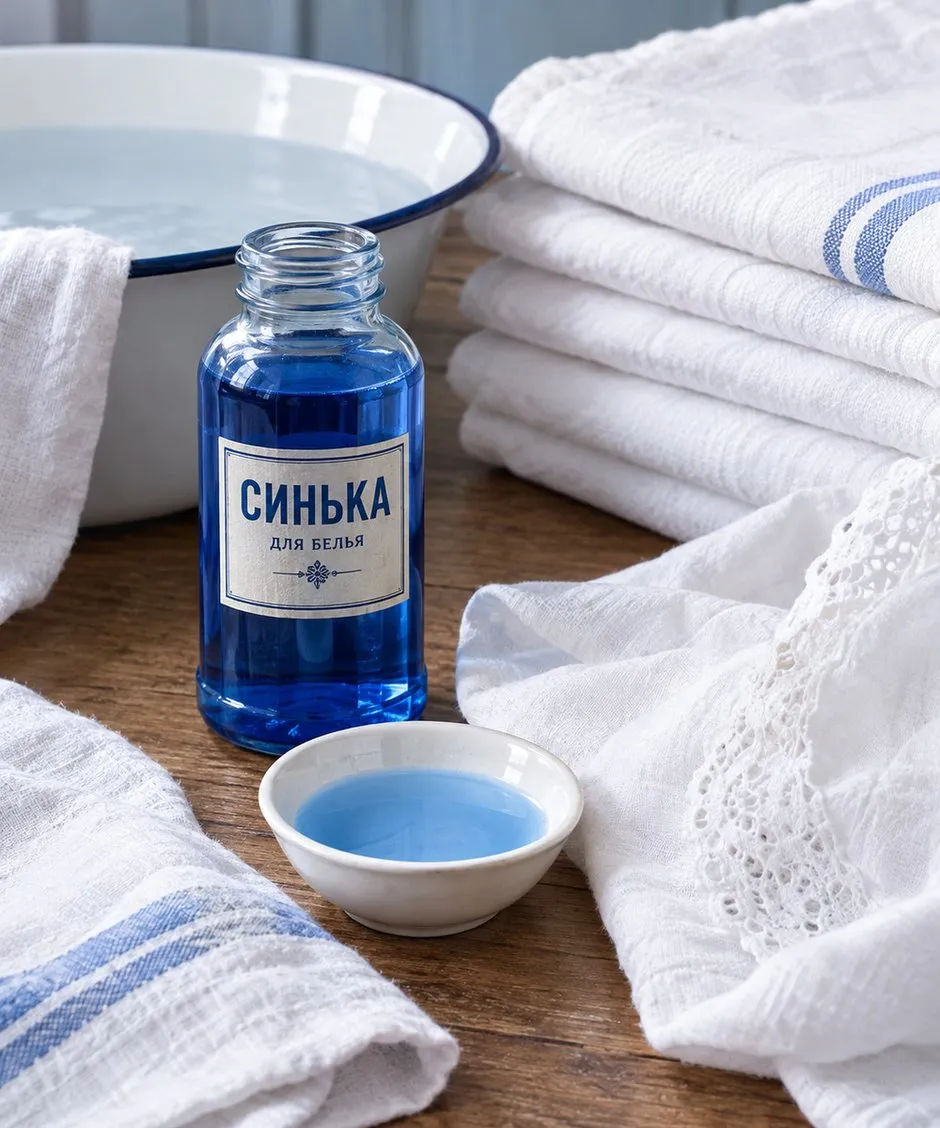
Perhaps the most unexpected trick for old-time laundry was bluing.
After multiple washes, white fabric could develop a yellowish or grayish tint. To visually correct the color, a small amount of special blue dye was added to the rinsing water.
The fabric acquired a barely noticeable blueish hue, which made it appear whiter.
There’s an interesting nuance here: the blue dye itself did not remove stains. Its purpose was solely to alter the visual perception of the color.
In home economics manuals from the mid-20th century, bluing white laundry was described as a standard care step alongside rinsing and ironing.
Today, optical brighteners solve a similar problem; they are part of some modern laundry detergents. They work differently but also help fabrics appear whiter.
What remains today? Special agents for bluing still exist, but there is no need to resort to old recipes unless necessary. An incorrect concentration can leave blue spots on the fabric.
And if the laundry has darkened due to stains, adjusting the shade alone won’t solve the problem.
Starching: Why Tablecloths and Collars Became Hard
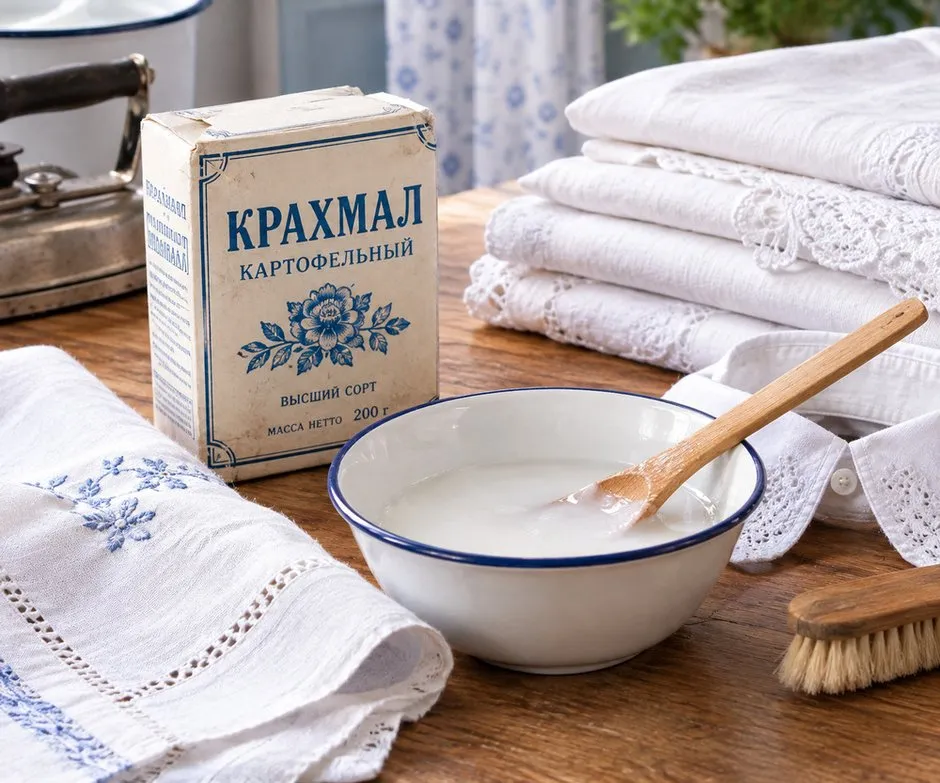
The edges of the holiday tablecloth should lie flat, the folds of the napkins should remain intact, and the collars should keep their neat shape.
To achieve this, the fabric was treated with a starch solution, dried, and ironed. A thin layer of starch remained on the fibers, giving the material extra stiffness.
The degree of treatment could vary. Some items required a soft effect, while others needed a more pronounced one.
Starching was particularly suitable for certain tableware and clothing details whose appearance depended on the fabric’s ability to maintain its shape.
Over time, the items themselves have changed. Fabrics with different finishes have become more common, materials that require less ironing have appeared, and stiff collars and perfectly starched napkins are no longer a necessity in daily life.
What remains today? Starching is sometimes used for decorative textiles and certain cotton and linen items. But first, it’s necessary to check the fabric composition and the manufacturer’s recommendations: not every item can be treated this way.
Why Grandmother’s Methods Don’t Work for All Modern Items
The biggest mistake is assuming that old methods are automatically better than modern washing techniques.
Boiling can damage fabrics, excessive rubbing can ruin the surface of materials, and bleach and starch, if used incorrectly, can leave stains or alter the properties of the items.
One should start caring for clothes by checking the label. The temperature indicated on the symbol with a tub shows the maximum allowable heat, while additional symbols limit the intensity of washing, bleaching, drying, and ironing.
The most useful aspects that remain from older guidelines are sorting clothes by color and material, pre-treating appropriate stains, and treating fabrics gently.
The need to spend an entire day boiling, rinsing, and hand-pressing clothes belongs to the past. And there’s little reason to regret that.