Why an old cast-iron radiator isn’t always worth replacing
But appearance and age alone say little about its condition. One old radiator can be adequately cleaned and painted, while another is better replaced even before final finishing. Let’s explore what can be assessed on your own, what the plumber should check, and when restoration is truly worthwhile.
Chipped paint doesn’t necessarily mean the radiator is faulty
Several layers of old enamel, surface rust, and an unattractive color look worse than they actually are.
If the casing is intact, the radiator doesn’t leak and heats properly, the issue may be purely cosmetic. The old coating is removed or prepared for a new one, the surface is cleaned of loose corrosion, and it is repainted with a coating suitable for heating.
Something entirely different are corrosion around the joints, cracks, and signs of water damage. These cannot be fixed with new paint.
Therefore, before restoration, it’s useful to separate two aspects: how the radiator looks and its technical condition.
Signs of old leaks matter more than the date of manufacture
It’s worth checking not only the front part of the radiator.
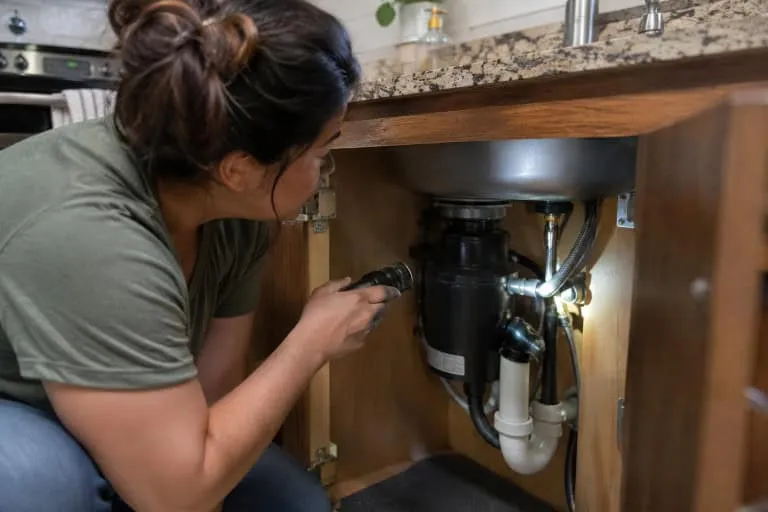
Look at the areas where the sections connect, the pipe inlets and outlets, threaded connections, and the space under the radiator. Be alert to brown streaks, dried water marks, corrosion around connections, damp spots, and areas that have clearly been repaired before. If a connection once leaked and was simply painted over, the fresh paint doesn’t change anything.
Still, the absence of visible leaks does not guarantee that the appliance will function properly for years to come. If the apartment is under renovation and the radiator is planned to remain in place for a long time, it’s better to show it to a plumber before new floors and finished walls are installed.
Cracks and surface rust are not the same thing
Cast iron can last for decades, but it has a particular characteristic: the material is hard and quite brittle.
A reddish surface coating on the outside is not necessarily a sign of failure. However, cracks in the sections, damage to the casing, or serious issues at the joints represent a much higher level of risk.
Sometimes an old sectional radiator can technically be disassembled, with individual parts replaced and reassembled. But the question here is no longer just whether this is possible.
It’s necessary to calculate the cost of disassembly, repair, new seals, potential cleaning, and reassembly. If the radiator essentially has to be rebuilt, and the other connections also pose problems, replacement may prove to be more sensible.
If part of the radiator is cold, don’t rush to buy a new one
Uneven heating is often seen as proof that the radiator has become clogged and stopped working. In reality, there can be several causes.
There might be air in the system, circulation could be disrupted further down the piping, or the issue could lie with the valves or supply pipes. Deposits can also accumulate inside the radiator itself. Therefore, it’s useful to first examine how it heats up specifically.
Is one section cold or the entire row? Is one side significantly hotter than the other? Is the radiator barely warm overall? Do the neighbors in the same building have the same problem? This is a proper description for a plumber who can identify the cause. However, it’s not advisable to try to disassemble the connections of a working central heating system on your own, as there is hot, pressurized fluid inside.
When Flushing Really Can Help
Over time, deposits can indeed accumulate inside old radiators and pipes. If they interfere with proper water circulation, cleaning can sometimes significantly improve heating performance.
But flushing isn’t a solution for rejuvenating any old battery.
It makes sense when the battery casing itself is intact, the connections can be safely used going forward, and the cause of poor performance is indeed related to contamination. If the radiator also shows signs of leaks, problematic threads, and questionable connections between sections, addressing its reliability first is necessary. There’s no point cleaning a device that still needs to be replaced afterward.
Conversely, a battery doesn’t need to be flushed just because it’s forty years old. Age doesn’t indicate how much buildup is inside.
It’s important to check not only the radiator but also its connections
The boiler does not operate on its own. It is part of the house’s heating system.
Therefore, when repairing it, it is important to consider how the pipe rack is structured, which pipes connect to the radiator, whether there are control valves, and what else will be changed simultaneously.
Extra caution is needed when making modifications in homes with a single-pipe heating system. Changing the connections, pipe diameter, or improperly installing valves can affect circulation not only in one apartment. If you want to move the radiator, change the connection layout, or install new control valves, this is no longer a mere cosmetic update.
Such work should be evaluated by a specialist taking into account the specific system of the house. Issues related to the building’s overall heating system are resolved through the maintenance organization.
Painting is left for the very end
There is a temptation to start with this step: removing the old enamel, treating the cast iron, and getting a nice-looking radiator before the renovation is complete.
It’s better to do it the other way around.
First, check the casing, connections, and fastenings. Then, if necessary, address any maintenance or repair issues. Only once it’s clear that the radiator will stay in place should attention be paid to its appearance. Otherwise, you might spend time on careful restoration, only to discover a problem with the connection when the heating system is turned on again.
When painting, avoid covering the threads, adjustment elements, and other areas that may need access in the future.
Restoration should improve the appearance of a functional radiator rather than hiding its condition.
When It Makes Sense to Keep an Old Radiator
It makes sense to keep it if the casing is intact, there are no signs of leakage, the connections are in good condition, the radiator is securely fixed and heats properly — or if a specialist knows how to restore its function without complex repairs.
In such cases, a poor appearance alone doesn’t matter.
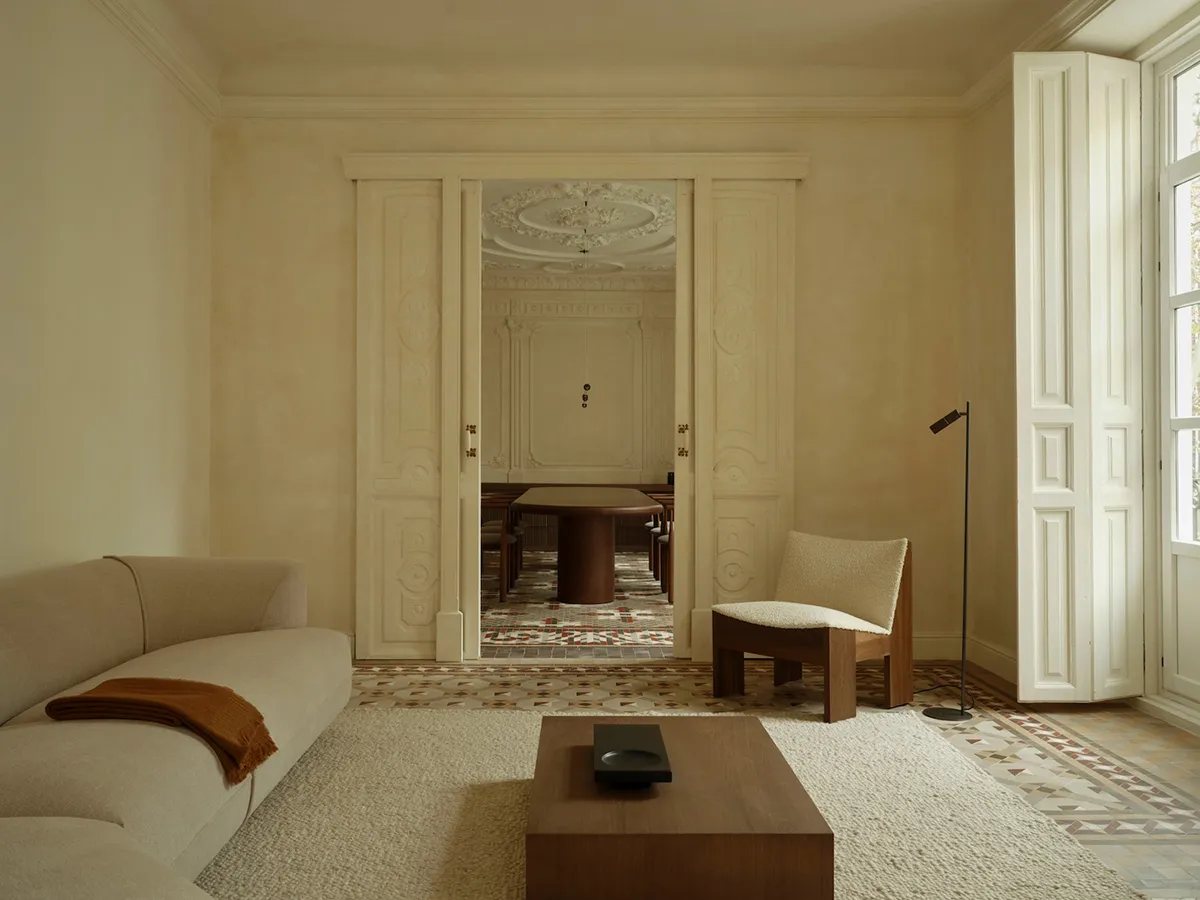
After cleaning and painting, an old cast-iron radiator can easily fit into a modern interior. This way, there’s no need to interfere with a properly functioning system just to install something new.
When Age Really Starts to Work Against It
Another scenario involves recurring leaks, cracks, damaged sections, severely worn connections, or the need for a nearly complete overhaul of the radiator.
If poor preheating and the need to redo wiring are added to this, the cost of repair should be compared to a full replacement. There’s no point holding onto the radiator just because “old cast iron lasts forever.”
It doesn’t last forever. It can simply serve for a very long time if the device itself is functional and compatible with the existing system.
What to Do Before Starting Repairs
If you’re not sure yet whether to keep the radiator or replace it, don’t start by removing it.
Examine it from all sides and take photos of the connections. Check for signs of water damage and severe corrosion. If the heating system is in use, note how evenly the sections heat up. After that, show the radiator to the plumber and ask a specific question: whether it can be safely left in place after repairs and what needs to be done to ensure that.
This way, the decision is made before final finishing, when the radiator can still be replaced or serviced without damaging the new floors and walls.
An old cast-iron radiator shouldn’t be kept out of nostalgia — nor should it be replaced just because of its age. The decision depends on the condition of the body and connections, its sealing, heating efficiency, and how well it fits the home’s heating system.