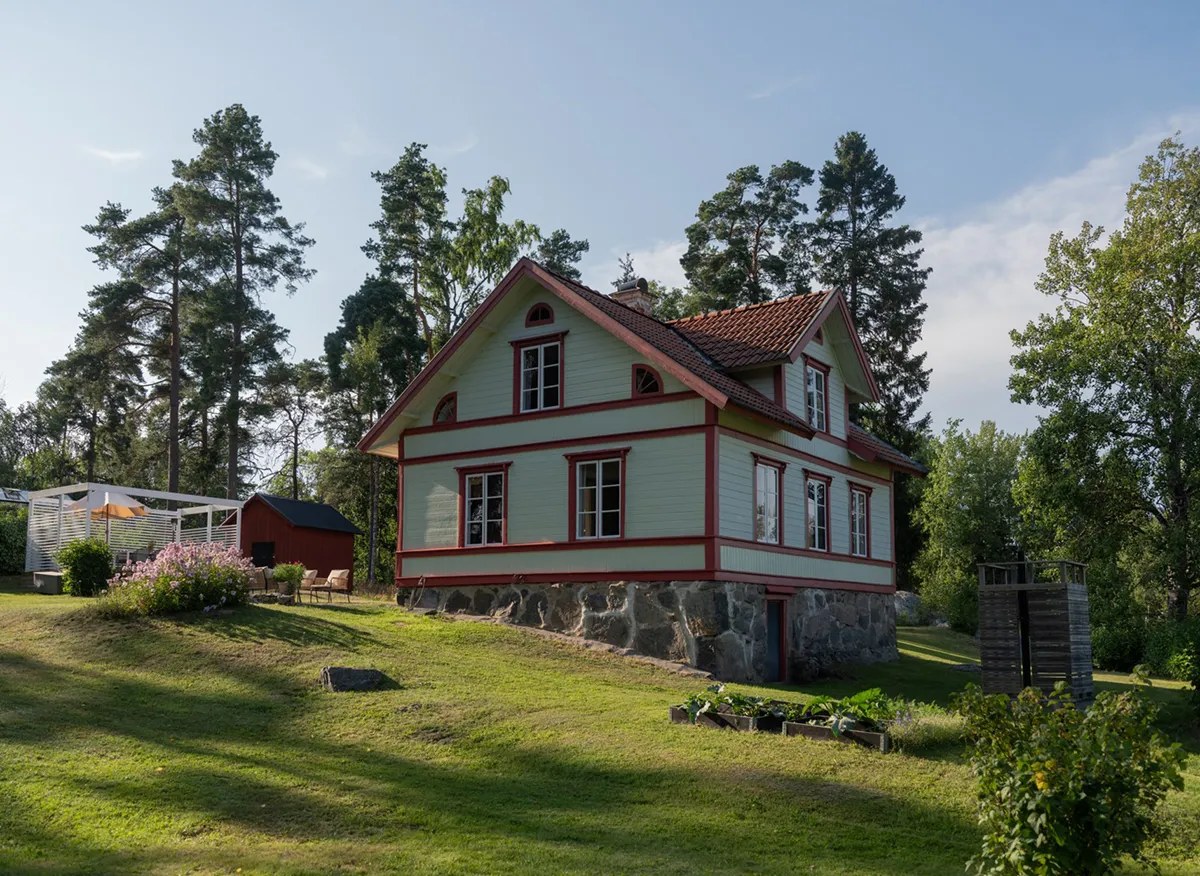
- The main task is to drain water from all systems, as frozen water can damage pipes;
- The house needs to be protected from rodents and moisture;
- The garden and yard require preparation for freezing temperatures;
- Valuable items should be taken away, while the rest should be stored and covered;
- The final inspection of the season is the most important.
Plumbing: Drain Every Drop
Frozen water expands and can damage pipes, radiators, and toilet tanks. Just one season without maintenance, and you’ll face flooding and the need to replace the entire system in spring.
- Shut off the water supply at the entrance. If it’s from a well or borehole, turn off the pump as well.
- Drain all water from the pipes. Open all faucets (both hot and cold) on every floor of the house. The water should flow out on its own.
- Use a compressor to blow out the system if available. This will remove any remaining water from horizontal sections where it might have stayed trapped.
- Drain the boiler and water heater completely.
- Toilet: Drain the water from the tank and bowl. Pour antifreeze or a strong salt solution into the P-trap to prevent remaining water from freezing.
- Washing machine and dishwasher: Drain the water through the drain filter and purge the hoses.
- Shower enclosure: Drain the water from the tray and hoses.
Heating: a special case
If you have a home with central heating and do not plan to use it in winter, the system needs to be completely drained or filled with antifreeze.
- Draining water: Open the drain valves on the radiators and at the lowest points of the system. Purge them with a compressor.
- Heating antifreeze: expensive but reliable. The system stays filled, with no risk of rupture. However, a special antifreeze is needed—one that doesn’t freeze down to minus 30-40 degrees.
- Electric heating can be kept on low setting (5-10 degrees) to prevent freezing. But this increases electricity costs and poses a fire risk.
- Stove heating: the stove must be completely cooled down before leaving. Close the damper, but not fully—some ventilation must remain.
Protection against moisture and mold
A house without heating in winter accumulates moisture. To avoid dealing with mold in spring:
- Ventilate the house before sealing it. On a dry day, open all windows for a few hours.
- Remove all fabric items that could get wet. Place mattresses vertically or take them away.
- Open the doors of cabinets and nightstands to allow air to circulate inside.
- Leave the interior doors slightly ajar.
- Place desiccants (silica gel, special containers) in the rooms.
- Do not seal the house completely—some ventilation is necessary. There is no need to close the special vents in the foundation during winter.
Rodent Protection
Mice look for warm places in winter. A house without owners is the ideal option.
- Remove all food items. Everything: grains, pasta, flour, even sealed canned goods. Take them home or throw them away.
- Check the house for cracks and holes. Mice can fit through openings as small as a pencil. Seal all cracks, especially around pipes and wires.
- Place repellents. Home remedies (mint, wormwood) are ineffective. Ultrasonic repellents powered by batteries or special poisons in containers (safe for children and pets) are better options.
- Remove from the property anything that attracts rodents: cover compost piles, harvest crops, and do not leave bird feed.
Home: Protection Against Break-ins
Country homes are robbed more often in winter than in summer — owners are away, and there are no neighbors.
- Remove all valuables. TVs, tools, expensive dishes — take them home or to a secure storage place.
- Don’t leave anything visible. Items that can be seen through windows encourage break-ins.
- Strengthen doors and windows. Use reliable locks, window grilles on the ground floor, and shutters.
- Install an alarm system — especially if the country home is valuable. A GSM alarm will send an SMS when triggered.
- Agree with neighbors to keep an eye out if they live there year-round.
Garden and Yard
Perennial plants require preparation for winter.
- Prune trees and shrubs. Remove diseased and dry branches and shape the crown.
- Clear fallen leaves from the lawn. Leaves cause the lawn to rot and turn yellow.
- Cover roses and heat-loving plants. Use burlap, plastic sheeting, or special covers.
- Whitewash tree trunks. This protects them from frost cracks and pests.
- Turn over garden beds if you’re not using mulch. Fill them with compost or manure.
- Drain water from barrels and containers. Turn them upside down.
- Store hoses indoors—rubber cracks in cold weather.
Lawnmowers and Equipment
- Drain the gasoline from gasoline-powered equipment. Or add a fuel stabilizer.
- Lubricate moving parts such as chains, blades, and gears.
- Clear the equipment of grass and dirt.
- Store it in a dry place or under a covered shelter.
- Remove batteries and store them at a positive temperature (take them home).
Sauna and Summer Shower
- Boiler room: drain the water from all containers and pipes. Empty the boiler completely. Open the vents for ventilation. The furnace must be clean and dry.
- Summer shower: drain the water from the tank. If the tank is on the roof, purge the system. Bring the hoses and showerhead inside.
- Swimming pool: completely drain the water. Clean the walls and bottom. Cover the pool deck.
Equipment and Furniture
- Move garden furniture indoors or cover it with waterproof covers.
- Clear the tools of dirt, lubricate the metal parts, and store them in the shed.
- Comforters, mattresses, and chaises lounges should be taken inside to a dry place.
- Swings and hammocks need to be taken down and stored away.
- For children’s play sets, secure the swings and remove all detachable parts.
Electricity
- Unplug all appliances from the outlets.
- Turn off the circuit breakers in the panel, leaving only the alarm system and minimal lighting if necessary.
- Check the condition of the wiring before turning it off. Burnt wires or a burning smell are reasons to call an electrician before winter.
Checklist for Preserving a Dacha
One week before closing:
- Eat or take away all food items;
- Wash and take away textiles;
- Make a list of tasks to complete.
On the last day:
- Drain water from all systems;
- Drain water from the boiler and washing machine;
- Fill the traps with antifreeze;
- Remove valuable items;
- Place rodent repellent;
- Ventilate the house;
- Open the doors of furniture;
- Remove garden furniture and tools;
- Prepare the garden for winter;
- Turn off electricity (except what is necessary);
- Lock up the house and check the locks;
- Take photos of the condition of the house and the yard.
One day of work in autumn saves a week of repairs in spring and hundreds of thousands of rubles on replacing pipes and equipment.