Decorative Tree Lighting for Garden
Decorative tree lighting, the art of tree illumination, has become a true breakthrough in modern landscape design. It does not merely light up gardens—it transforms them into mesmerizing landscapes after sunset. Outdoor tree lighting enhances aesthetics, creates a captivating atmosphere, and adds significant value to your property. In this article, we'll explore the basics of decorative tree lighting, provide practical recommendations, and inspire your creativity with design ideas. Gardenreet Lighting is a renowned brand known for its exquisite bronze landscape lights. Here, you'll find the perfect solution for outdoor lighting.
Let's look at the key components of landscape tree lighting: light source, power, beam angle, and placement. These factors are crucial for creating a magical night garden.
Decorative tree lighting, the art of tree illumination, has become a true breakthrough in modern landscape design. It does not merely light up gardens—it transforms them into mesmerizing landscapes after sunset. Outdoor tree lighting enhances aesthetics, creates a captivating atmosphere, and adds significant value to your property. In this article, we'll explore the basics of decorative tree lighting, provide practical recommendations, and inspire your creativity with design ideas. Gardenreet Lighting is a renowned brand known for its exquisite bronze landscape lights. Here, you'll find the perfect solution for outdoor lighting.
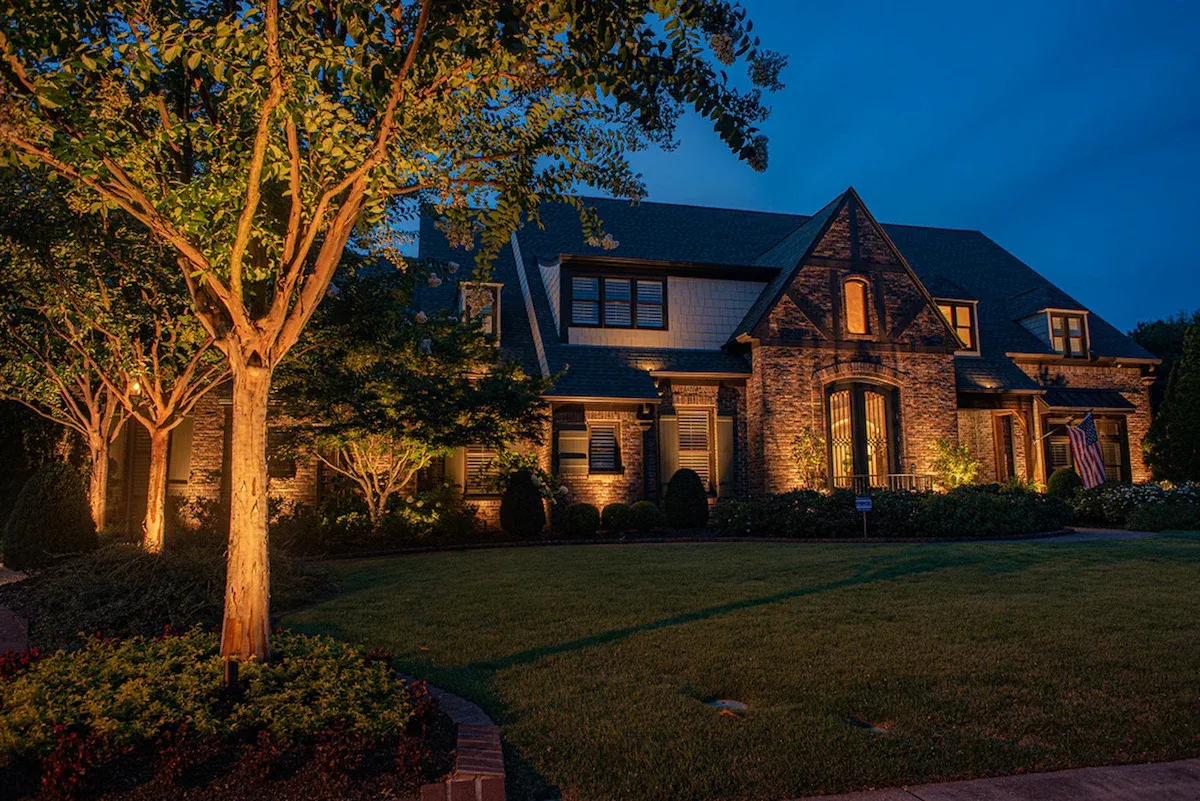
Key Elements of Decorative Tree Lighting
Let's look at the key components of landscape tree lighting: light source, power, beam angle, and placement. These factors are crucial for creating a magical night garden.
Choosing the Right Light Source: Variety of Options
Decorative tree lighting offers a wide range of light sources, each with its own characteristics and suited for different scenarios and effects. Here's a comparison between these light sources:
LED Lights: LEDs are known for their energy efficiency and longevity. They come in various color temperatures and brightness levels, allowing flexible adaptation to different lighting needs.
Halogen Bulbs: Halogen bulbs emit warm, friendly light that highlights the natural beauty of trees. However, they consume more energy and have a relatively short lifespan.
Solar Tree Lighting: Solar-powered lights are an eco-friendly choice. They operate using sunlight during the day and are suitable for energy-efficient lighting, although they may have limited intensity.
Power: Matching Light to Tree Size
Different tree types and sizes require varying power levels to highlight their unique features. Here are recommendations for various tree sizes:
Small Trees: For short and narrow small trees, LED bulbs of 2 to 4 watts with brightness around 250–350 lumens are usually sufficient. This provides soft and magical lighting for the canopy and leaves.
Medium Trees: For medium-height trees with a broader canopy, more light may be needed for full illumination. Typically, LED bulbs from 4 to 10 watts with output brightness of around 350–1000 lumens are recommended to provide brighter lighting.
Large Trees: Tall and broad-leaved trees require more powerful lighting. Choose LED bulbs of 10 watts or higher, usually producing over 1000 lumens, to ensure even illumination of the entire canopy.
Beam Angle: Precise Light Direction
The beam angle plays a significant role in decorative tree lighting. It determines how wide or narrow the light beam will spread. For different types of trees and desired effects:
Narrow Beam Angle (25–35 degrees): Suitable for small and narrow trees, this angle concentrates light on the canopy, creating a focused and intimate atmosphere.
Medium Beam Angle (35–50 degrees): Ideal for medium-width trees, it provides balanced canopy lighting and highlights their beauty.
Wide Beam Angle (50–120 degrees): Suitable for large and wide trees, it ensures full canopy illumination and emphasizes their grandeur.
Placement: Tailoring to Tree Size
Consider the placement based on tree height and width:
Small and Narrow Trees: Install lights closer to the base of the tree to emphasize its vertical height and create a magical glow upward.
Medium Trees: Install lights both at the base and strategically on the canopy to evenly illuminate the tree and highlight its elegance.
Large Trees: Install multiple lights around the base or perimeter of the tree to ensure complete illumination and reveal its majestic form.
Understanding available light sources, choosing the appropriate power, correct beam angle, and strategic placement adapted to tree size will allow you to create a truly magical night garden.
Choosing Suitable Trees for Garden Decorative Lighting
In this section, we'll explore criteria and considerations when selecting trees, as well as specific recommendations for trees commonly found in American gardens.
Considerations When Choosing Trees
Tree Size and Shape: When selecting trees for decorative lighting, consider their size and shape. Some tree species like maple, oak, and pine are popular for their elegant form and beautiful foliage.
Leaf Characteristics: Trees with unique leaves, such as dogwood with its colorful flowers or maple with graceful canopies, can be effectively illuminated.
Seasonal Changes: Think about how the tree's appearance changes throughout the year. Many American trees like maple and pine are known for their stunning autumn display.
Landscaping Impact: Evaluate the tree's placement in your garden and its compatibility with the overall landscape design. Trees like cypress and larch are often used to enhance garden aesthetics.
Tree Selection Guide
Small Trees: For small gardens, consider options such as dogwood or smaller maples like Japanese maple, known for their compactness and mesmerizing appearance.
Medium Trees: Medium-sized trees such as oak and pine offer a balanced choice. Their size allows for an impressive lighting effect that fits most garden projects.
Large Trees: Majestic large trees like oak and cypress are beautifully lit with powerful solutions, highlighting their grandeur.
Choosing suitable trees for decorative lighting not only enhances the beauty of your garden but also creates a cozy atmosphere at night.
Choosing Suitable Lights
In this section, we'll explore various light options and provide inspiration and tips for designing to enhance the visual effect of your decorative tree lighting project.
Spotlights: Spotlights are popular for decorative tree lighting due to their ability to precisely direct light where needed. Use adjustable spotlights to accentuate specific features of the tree, such as the trunk, branches, or foliage. Experiment with light placement to create mesmerizing shadows on nearby surfaces and add depth and interest to the garden's nighttime ambiance.
Column Lights: Column lights are mounted at ground level and provide bottom-up illumination. They can be discreetly placed around the base of a tree to create a dramatic glow upward. Consider using warmer color temperatures (around 2700–3000 K) to create a cozy and inviting atmosphere.
Directional Lights: Some lights are specifically designed for decorative tree lighting or directing light downward, with adjustable brackets or handles that can be attached directly to the trunk or branches of a tree. These lights offer flexibility in directing light at various angles. Create a moonlight effect by placing lights high up in the branches, allowing soft-diffused light to filter through leaves and branches.
Floodlights: Floodlights emit a wide beam of light and are suitable for illuminating large trees. They are often used when broad and even illumination is required.
Choosing suitable lights for decorative tree lighting is a creative process that allows you to create the night beauty of your garden. Whether you prefer gentle accents or dramatic effects, thoughtful selection and placement of lights, together with inspiration and tips, can transform your trees into mesmerizing focal points in your landscape.
Additional Tips
Besides the key elements and inspiring ideas listed above, consider these additional factors in decorative tree lighting projects:
Environmental Considerations: When choosing lights and light sources, opt for energy-efficient LEDs to reduce power consumption and carbon footprint. Additionally, timers and photocells can help save energy by turning lights on only when needed.
Compliance with Regulations: Before installing decorative tree lighting, familiarize yourself with local building codes and light pollution reduction guidelines. Ensure your project complies with all applicable regulations to avoid potential legal issues.
Maintenance and Care: Regularly inspect and maintain your decorative tree lighting system, including cleaning lights and checking wiring. Replace damaged components promptly to ensure proper operation.
Professional Help: For complex decorative tree lighting projects, especially those involving large trees or electrical work, it's recommended to seek professional help. Professional designers and installation teams can ensure successful project execution.
These additional tips will help you successfully implement a decorative tree lighting project, minimizing environmental impact and complying with regulations, ensuring your outdoor area continues to radiate beauty and warmth at night.
Frequently Asked Questions
How to Properly Light a Tree?
The best approach is to use adjustable spotlights or lights mounted on the tree to effectively illuminate the canopy and trunk.
How Many Lumens Are Needed for Tree Lighting?
The required lumens depend on the tree size and desired effect. Small trees typically require around 300 lumens (e.g., a three-foot-tall small tree), medium trees need 500 lumens (e.g., a palm in landscape design), and large trees may need 1000 lumens or more (e.g., a cypress).
Is General Lighting Better Than Directional Lighting?
The choice depends on your design goals. General lighting emphasizes tree features, while directional lighting provides more even illumination of the surrounding area.
What Power Is Better for Tree Lighting?
Power depends on tree size. Small trees typically require LED bulbs of 2–4 watts, medium ones from 4 to 10 watts, and large trees need 10 watts or higher (LEDs).