Advantages and Disadvantages of Various Materials for Decking
One of the most important decisions when building a deck is choosing the material for its construction. This choice has long-term consequences affecting durability, maintenance, and overall appearance. Ultimately, factors such as your location, care requirements, and budget will determine the preferred material for your deck.
Therefore, before sitting down with an individual master to design a custom deck, it's important to carefully evaluate your material options.
One of the most important decisions when building a deck is choosing the material for its construction. This choice has long-term consequences affecting durability, maintenance, and overall appearance. Ultimately, factors such as your location, care requirements, and budget will determine the preferred material for your deck.
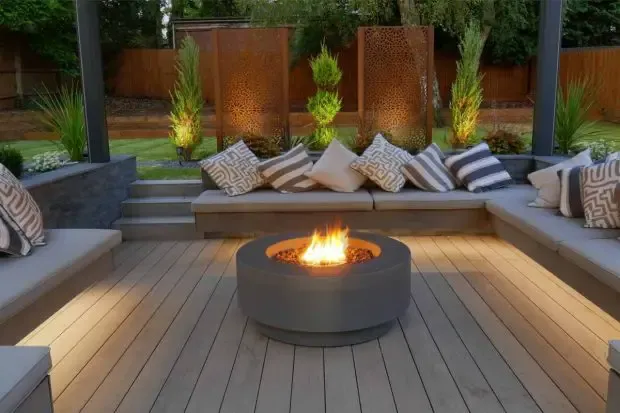
Therefore, before sitting down with an individual master to design a custom deck, it's important to carefully evaluate your material options.
Advantages and Disadvantages of Decking Materials
When designing a new deck, several types of materials can be considered:
- Natural Wood
- Exotic Hardwood
- Pressure-Treated Wood
- Composite
- PVC
- Aluminum
Each has its own advantages and disadvantages that affect cost, maintenance requirements, durability, and overall appearance. To better understand these factors, we've provided a brief overview of the advantages and disadvantages of decking materials below:
Natural Wood
Choosing natural wood for deck construction, select redwood and cedar due to their natural beauty and resistance to rot. These qualities have made them the industry standard for deck building.
Advantages
- Has the authentic beauty of natural wood
- Painting is not required
- Easily cut and install
Disadvantages
- Requires periodic cleaning
- Must be repainted throughout its lifespan
- Significantly more expensive
- Not a renewable resource
Exotic Hardwoods
If you want a very durable wooden deck, it can be made from exotic wood species such as ipe or black walnut, which provide attractive and long-lasting results.
Advantages
- Like cedar and redwood, hardwoods are rot-resistant and can last decades.
- Besides sealing, hardwoods feature beautiful grains and tones that don't require painting.
- These wood species have low environmental impact.
Disadvantages
- Exotic hardwoods are a premium product with high pricing
- Installation requires significant labor and additional drilling due to wood density
Pressure-Treated Wood
Pine and fir are popular tree species that grow in abundance and can be chemically treated to protect against insects and rot caused by moisture. Like cedar, you can paint these boards any color for a custom deck design.
Advantages
- Pressure-treated wood costs significantly less than natural woods
- Can last decades depending on usage and environmental damage
- Easily cut and install
Disadvantages
- Treated with toxic chemicals that may leach into the ground without sealing
- Requires regular cleaning and sealing to maintain an attractive appearance
- Cannot be burned in a pile due to chemical treatment
Composite Boards
One of the easiest maintenance materials for decks, composite boards are resistant to rot, cracking, and mold. They consist of resin and wood fibers, increasing their strength and resistance to external influences.
Advantages
- Besides periodic cleaning, no resealing or repainting is required
- Made from recycled materials
- Provides a wide selection of styles and colors
- Can be installed using hidden fasteners
Disadvantages
- Some brands may have absorption issues, leading to swelling and mold growth.
- Composite boards can heat up in the sun due to plastic content
- Generally cost more than natural wood
- Installation can be challenging due to the weight of this material
PVC Boards
Deck boards made of plastic have existed for several decades and are popular due to their resistance to mold and rot. They're available in various styles imitating wood, stone, and other popular materials.
Advantages
- Bowing, fading, and rot rarely occur with this material
- Maintenance is minimal since they don't crack or fade
- Warranty typically lasts 30 years or more
- Pricing is usually affordable
Disadvantages
- PVC boards often heat up in summer, becoming too hot to walk on barefoot
- Lacks a natural look due to glossy surface
- Usually not made from recycled plastic, negatively impacting the environment
Aluminum
If you're okay with a natural look, an aluminum deck is a reliable option that has been popular for over 75 years due to its multiple advantages. These decks are typically mounted on a fully metal joist system and secured with hidden fasteners.
Advantages
- You can paint an aluminum deck or leave it in its original form and enjoy a modern and elegant look
- Aluminum is lightweight and easy to manage
- Naturally resistant to corrosion
- Does not heat up on hot sunny days
- Unmatched durability
Disadvantages
- Is an expensive material
- Higher slip risk, even if the surface is coated with anti-slip chemical
- Like metal coatings, aluminum decks are noisy and echo
- Manufacturers don't always use recycled aluminum when making this deck
Final Thoughts on Choosing Decking Materials
Reading the advantages and disadvantages of preferred decking materials makes it easy to understand how cost and maintenance become priorities in your decision-making process. While natural wood may look stunning, you must decide if the extra maintenance is worth it. On the other hand, you might want to save money on a cheaper composite, even though it's easier to maintain.
This is a complex decision that will have both advantages and disadvantages over time as your deck ages. The main takeaway from this article is that, like any other part of your home, your new deck will always require a certain level of care to look beautiful.