Evolution of Architecture in Modern Bungalow Homes
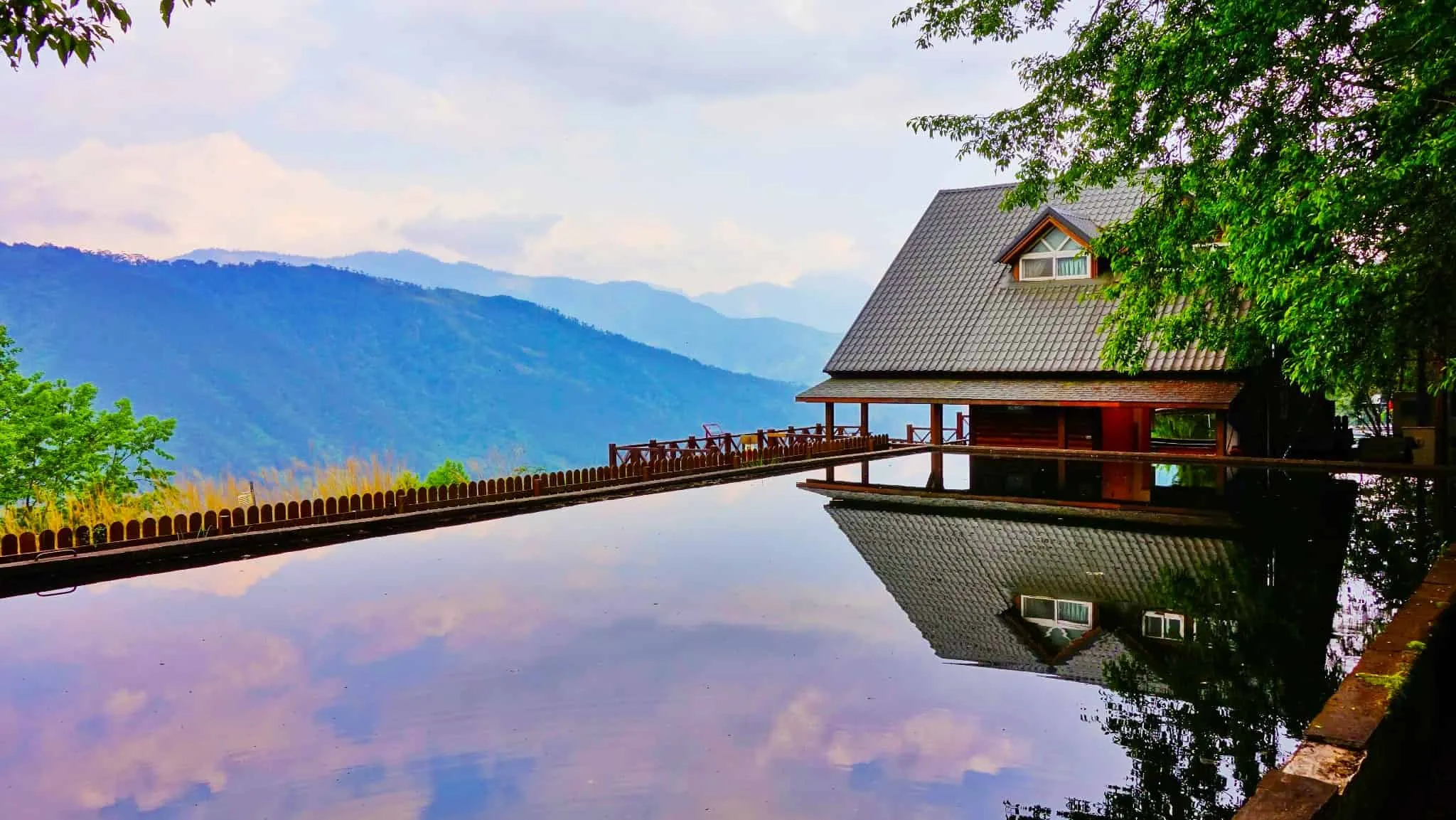
Bungalows have long been celebrated for their simplicity, charm, and practicality. Over many years, the architectural design of these single-story residential homes has evolved to incorporate modern aesthetic principles, sustainable features, and functional layouts. Today's modern bungalows blend traditional elements with contemporary trends, making them a preferred choice for homeowners seeking style and comfort.
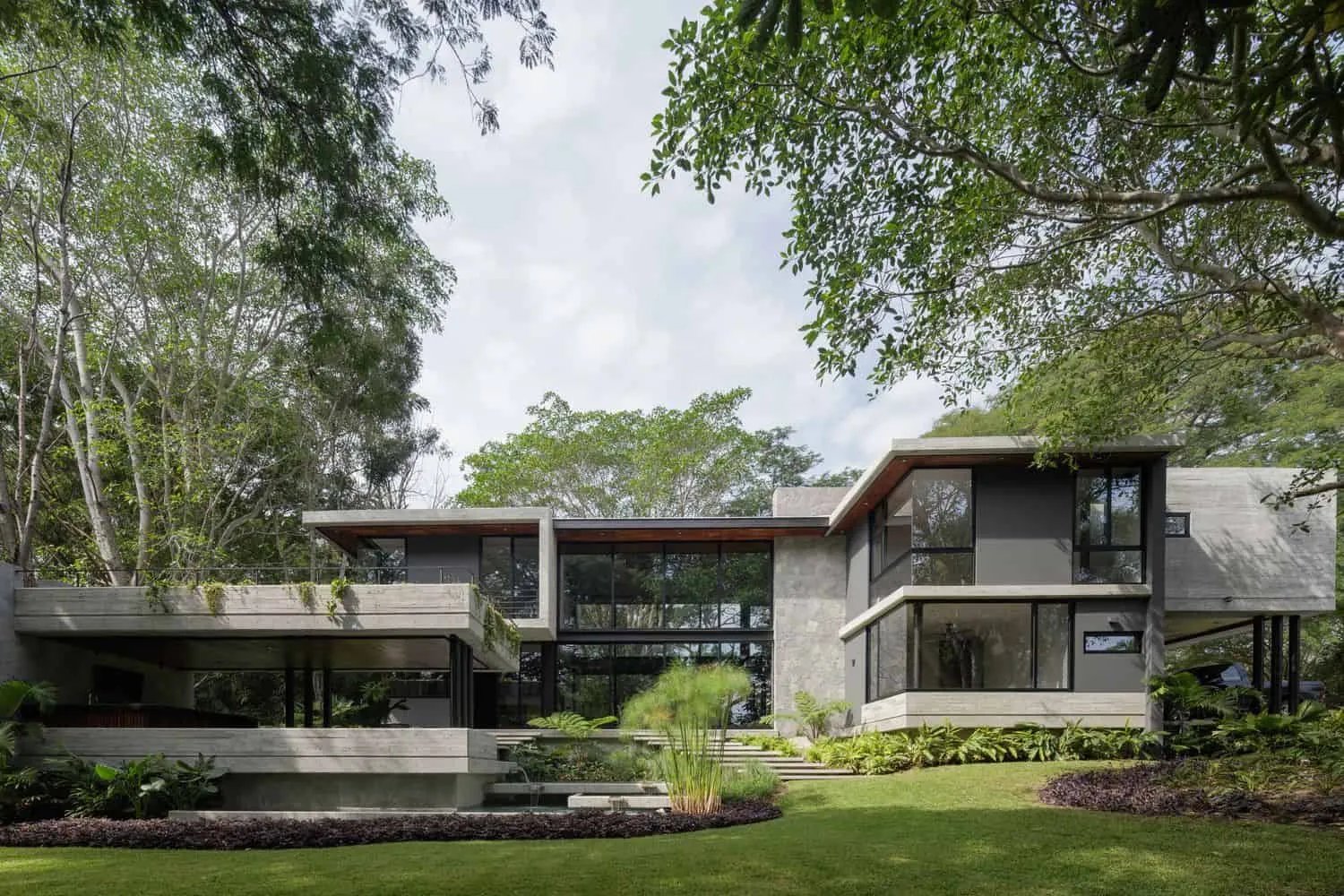
Key Features of Contemporary Bungalow Architecture
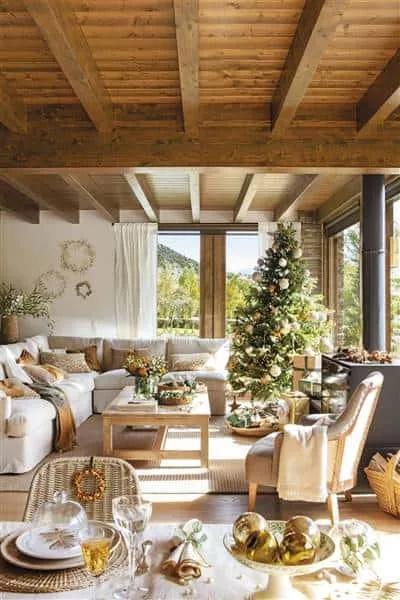
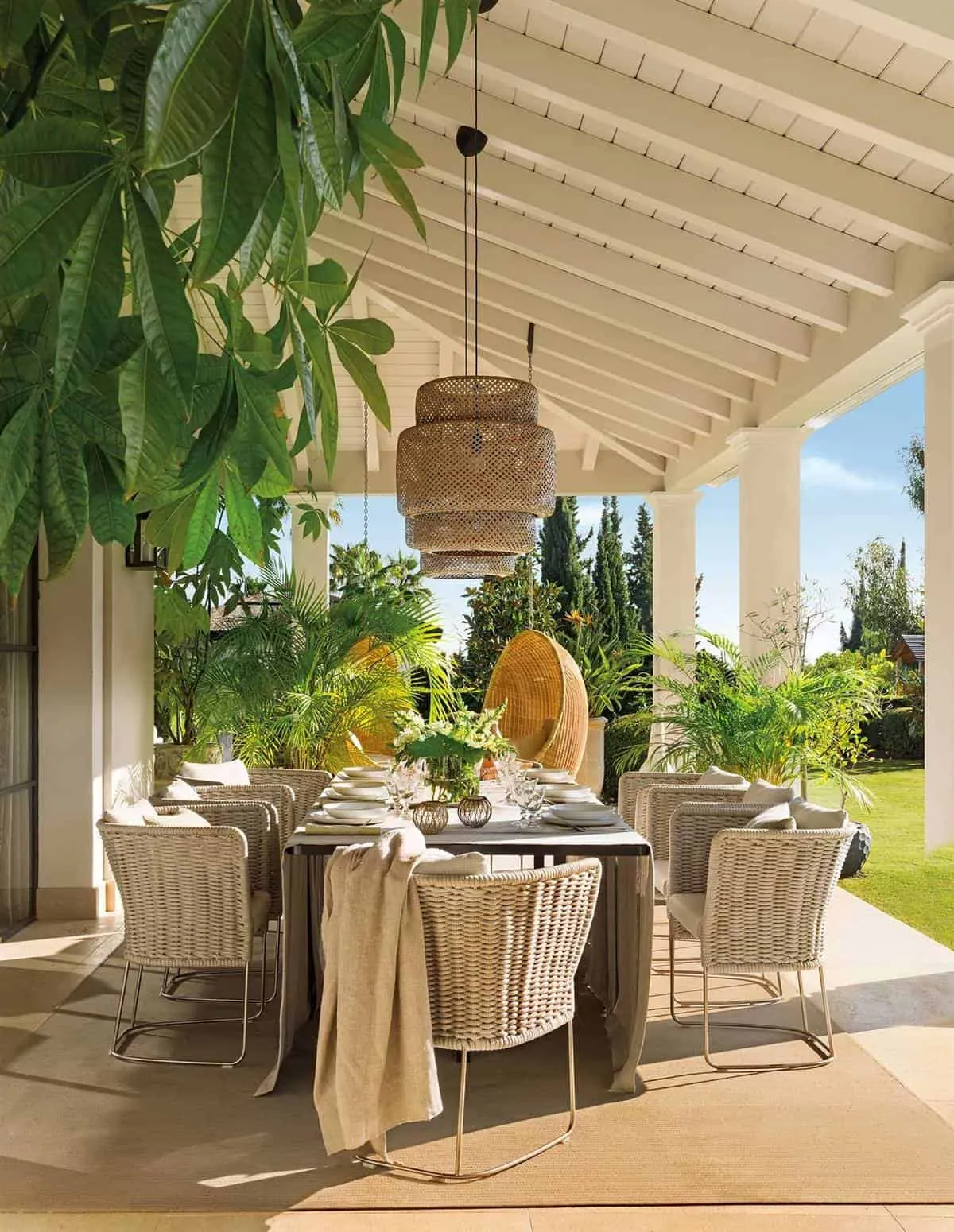
Modern bungalows retain the core characteristics of traditional designs—low-pitched roofs, open floor plans, and an emphasis on outdoor living. However, they now integrate innovative elements that cater to the preferences of today's homeowners.
The Role of Modern Bungalows in Contemporary Life
Modern bungalows suit various lifestyles—from families seeking functional homes to retirees valuing hassle-free living. Their single-level layout eliminates stairs, making them accessible for people of all ages. Additionally, adaptable designs make them suitable for urban, suburban, or rural settings.
Optimizing Construction Processes with Technology
Building modern bungalows requires careful planning and coordination, especially when using sustainable materials and custom designs. This is where construction tender software becomes invaluable.
Construction tender software streamlines the process of selecting contractors and managing project budgets. For architects and homeowners, it provides transparency and accuracy in cost estimation, material selection, and timeline adherence. By simplifying these complexities, the software enables efficient realization of modern bungalow visions without unnecessary delays.
Conclusion
Contemporary bungalow architecture represents a perfect blend of tradition and innovation. These homes combine timeless charm with modern features, offering spaces that are functional, beautiful, and sustainable.
As construction of such homes becomes more complex, tools like construction tender software play a vital role in bringing these architectural ideas to life. Budget management and process optimization ensure continued growth of bungalows as a preferred housing choice for homeowners worldwide.