Guide to Creating a Mood Board for Your Project
Probably the following situation happens to every project designer. You and your colleagues have spent many hours working on a project result, putting your soul and heart into it, but the client rejected your design. The reason is that your image does not match the client's ideas.
Perhaps your version is good, but if the client represents the result differently, then you can only accept it and redo everything from scratch. The most reliable way to protect yourself from such actions is to agree on a mood board in advance. If the client is not satisfied with the result and wants everything redone, you can always show the agreed mood board and remind him of the initial idea. Of course, if the client insists on another version, you will have to continue working. But at an additional charge.
Mood boards allow you to easily and briefly show the client how your design will make an impression. And if this is what your client had in mind, then you'll be ready to quickly start further work with a clear plan before your eyes.
Services for Creating Virtual Mood Boards
Since mood boards are now quite popular, many services for creating them have emerged. They save time and guarantee excellent results. Many of them have galleries of other users' work that can inspire you.
VistaCreate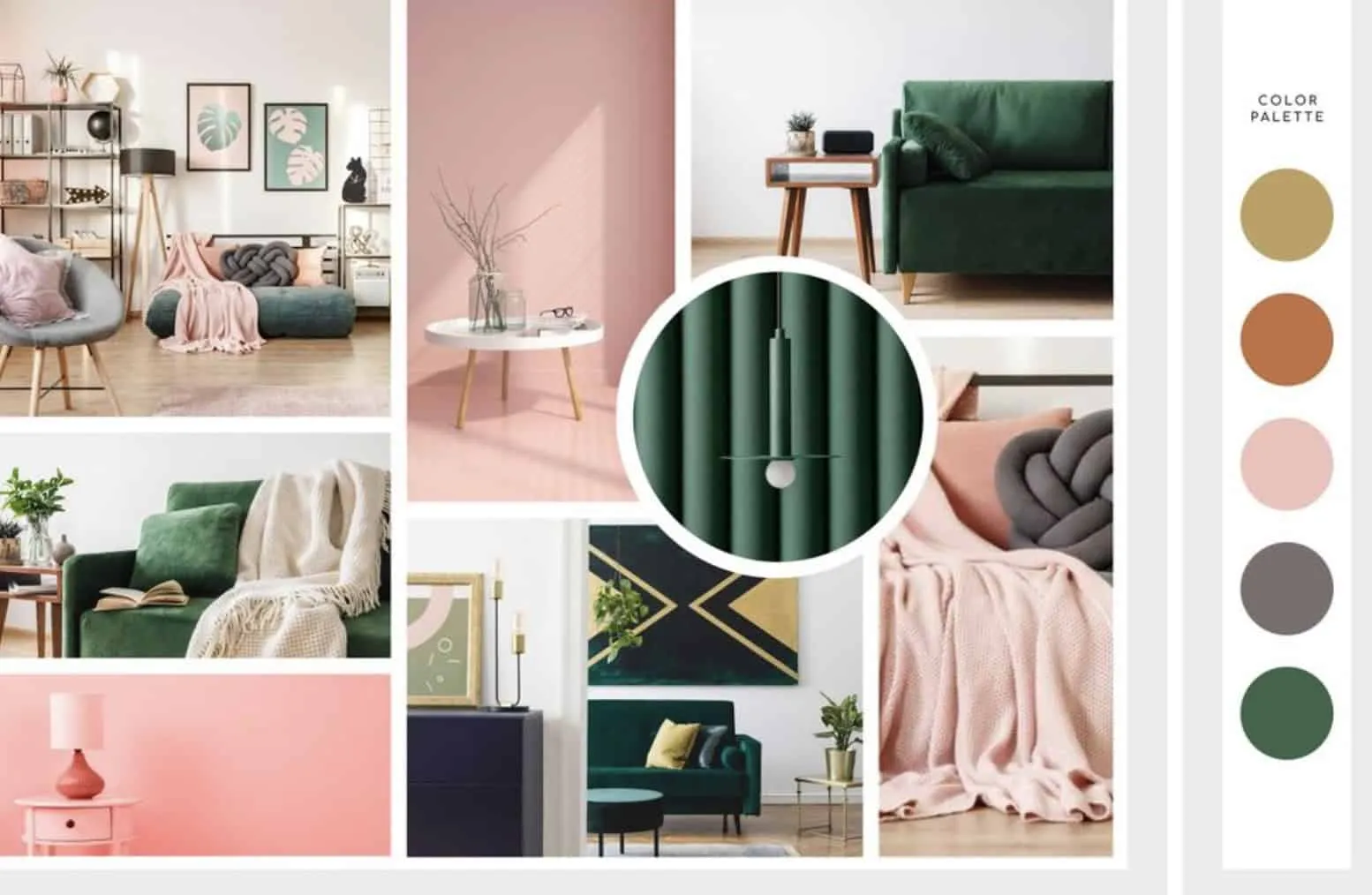
Professionally designed templates to showcase your ideas and display the full range of your creativity. The app is easy to use from any device, making it an excellent mood board creator on the go from any portable device. Clearly explain valuable ideas, highlight concepts and convey your message — here you'll find everything for creating a captivating mood board.
Niice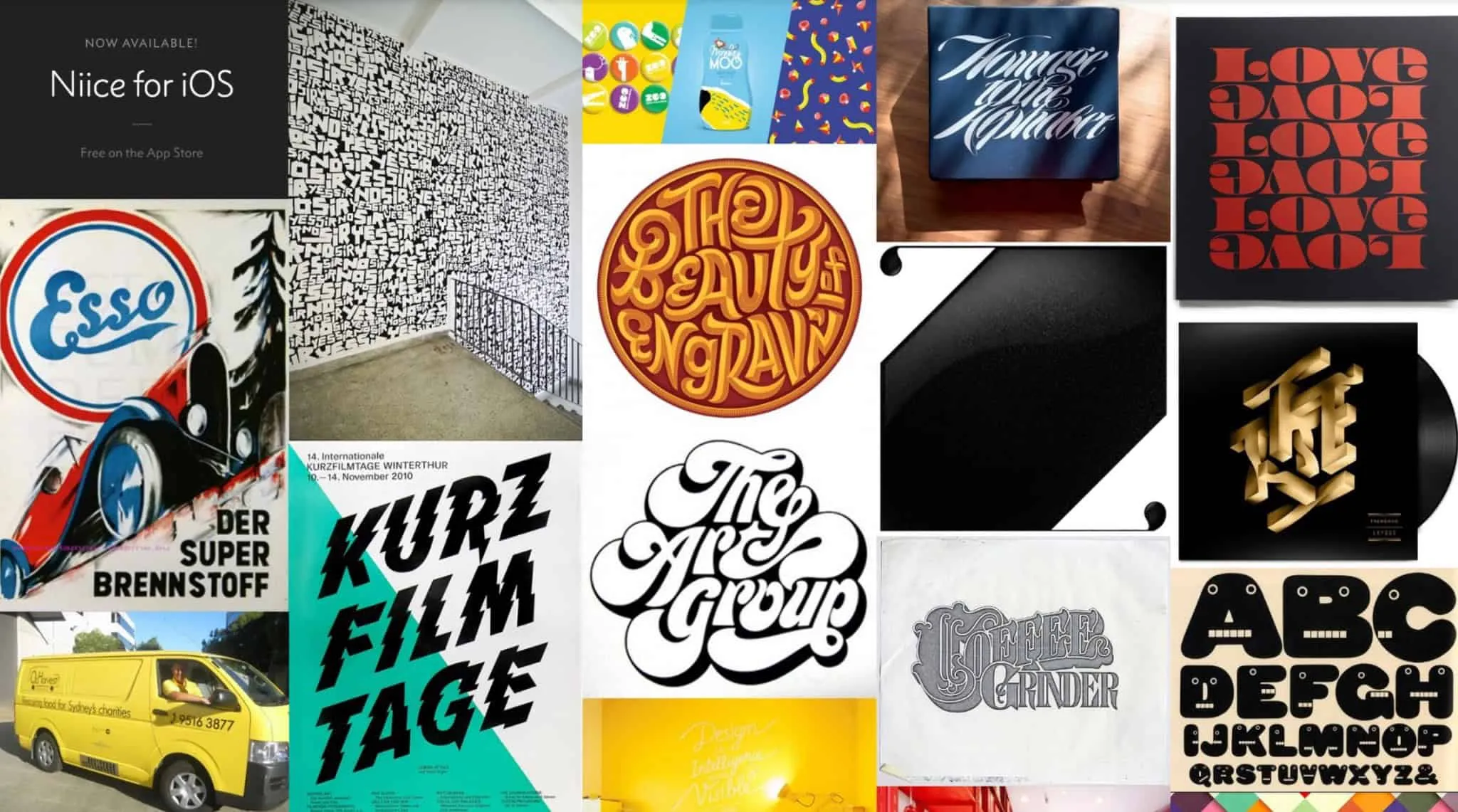
Another simple and convenient tool for creating your visualizations. You can create a free or professional account. Niice has its own gallery of images you can use. If you have enough such images, you can get by with a free account. However, if you want to use your own illustrations or save the completed project in .jpg format, you'll need a subscription. Another drawback of the free account is that all your collages will be public (unless this doesn't bother you).
Miro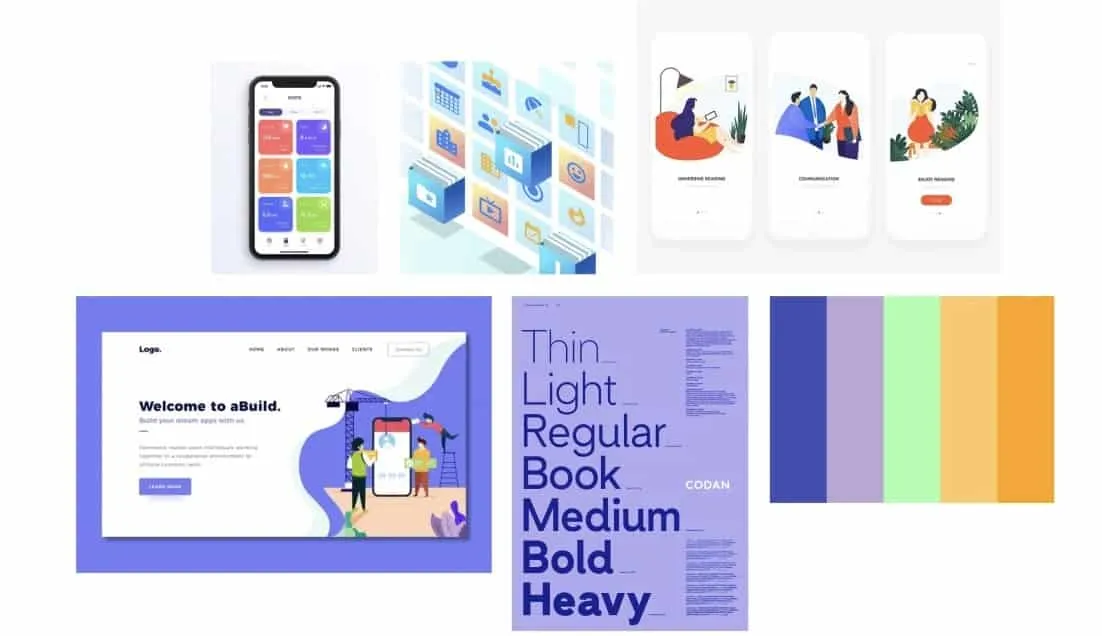
Endless virtual board for collaborative work. The service has a friendly interface, and the free version allows editing up to 3 boards simultaneously. Downloading high-resolution files is prohibited, but you can invite 3 registered users to collaborate on a project. For paid accounts there are no restrictions, and video calls and remote presentations are also possible (other users will be able to see the image from your screen).
Where to Find Inspiration?
You'll need many good images for mood boards. Where can you get them?
Stock Photo SearchThis is the best option. Here, you can search for photos by categories and then use the same images in your final design. For this, you'll need to agree on photos with the client and help them create an account on a stock photography site and purchase a license.
Social Media Communities for DesignersSocial networks are convenient translators of visual creativity when users and brands share their experience and interesting cases.
Bookmarks for Designer, Photographer, and Artist Websites in Your BrowserThis is also a good way to find new ideas. They may have interesting fonts or techniques, colors and palettes.
Step Away from the Computer and Find Ideas OfflineYou don't have to look for inspiration only in a virtual environment. Take a break. Go for a walk with your camera. Or flip through an old magazine. In short, interesting visuals are everywhere. You just need to notice them.
What Should Not Be on a Mood Board?
1. Long PhrasesRemember that a mood board is more of a visual format. Don't confuse clients and colleagues with unclear text and unnecessary details.
2. Incompatible ElementsYour task is to show a complete harmonious image, not chaos. So carefully choose the style and colors of all elements.
3. Complex and Unclear AssociationsRemember that you are selecting images for the client and their specific project. Try to choose what fully relates to the theme and is understandable both to the client and most people.
4. Frequently Used ImagesThe fact that images should be clear does not mean you have to choose the most obvious and stereotypical photos. Be creative in your search.
Mood boards are a convenient tool. They allow designers to unleash all their creative potential and accurately convey ideas to clients. Mutual understanding makes working on projects very easy.