Cloud CAD vs Traditional CAD: Revolution in Design for Efficiency
In today's fast-changing world, where innovation is the key to success, the design process has become extremely important across all industries. Whether you are creating the latest consumer electronics, developing architectural masterpieces, or designing cutting-edge cars, computer-aided design (CAD) plays a crucial role in bringing ideas to life. Among the leading players in this field, Dassault Systèmes offers a revolutionary approach through its cloud-based CAD system. In this article, we will explore how Dassault Systèmes Cloud CAD transforms the design processes and compare it with traditional CAD systems that have served as the foundation of innovation in industries for decades.

The Evolution of CAD
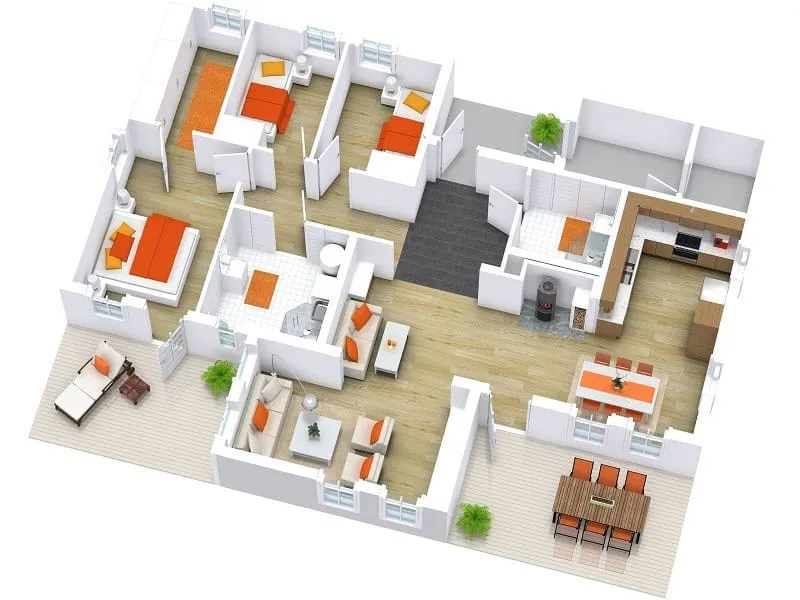
The evolution of CAD cannot be described as ordinary. From simple 2D drafting tools to modern complex 3D modeling software, CAD has continuously evolved. This evolution reshaped industries, allowing engineers and designers to visualize, model, and optimize their ideas in ways that were previously unimaginable.
Traditional CAD: The Foundation
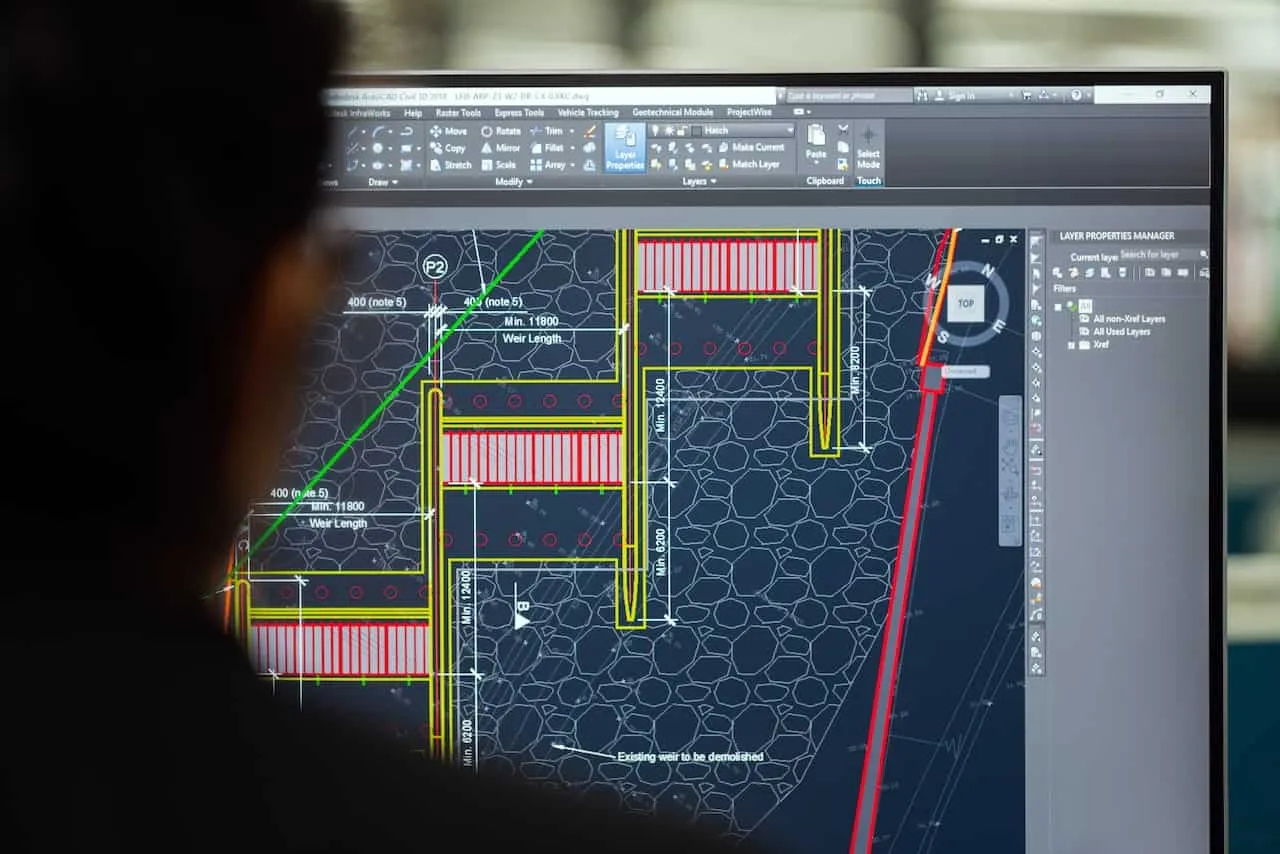
Traditional CAD systems have long served as the cornerstone of design and engineering. They provide a reliable platform for creating detailed 3D models, enabling engineers to thoroughly analyze and improve their projects. The reliability and accuracy of traditional CAD software were decisive factors in creating countless products and structures.
However, traditional CAD systems also have their characteristics. They often require high-performance hardware, limiting accessibility for remote teams. Additionally, the cost of licenses and equipment can be significant.
Cloud CAD: A Game Changer
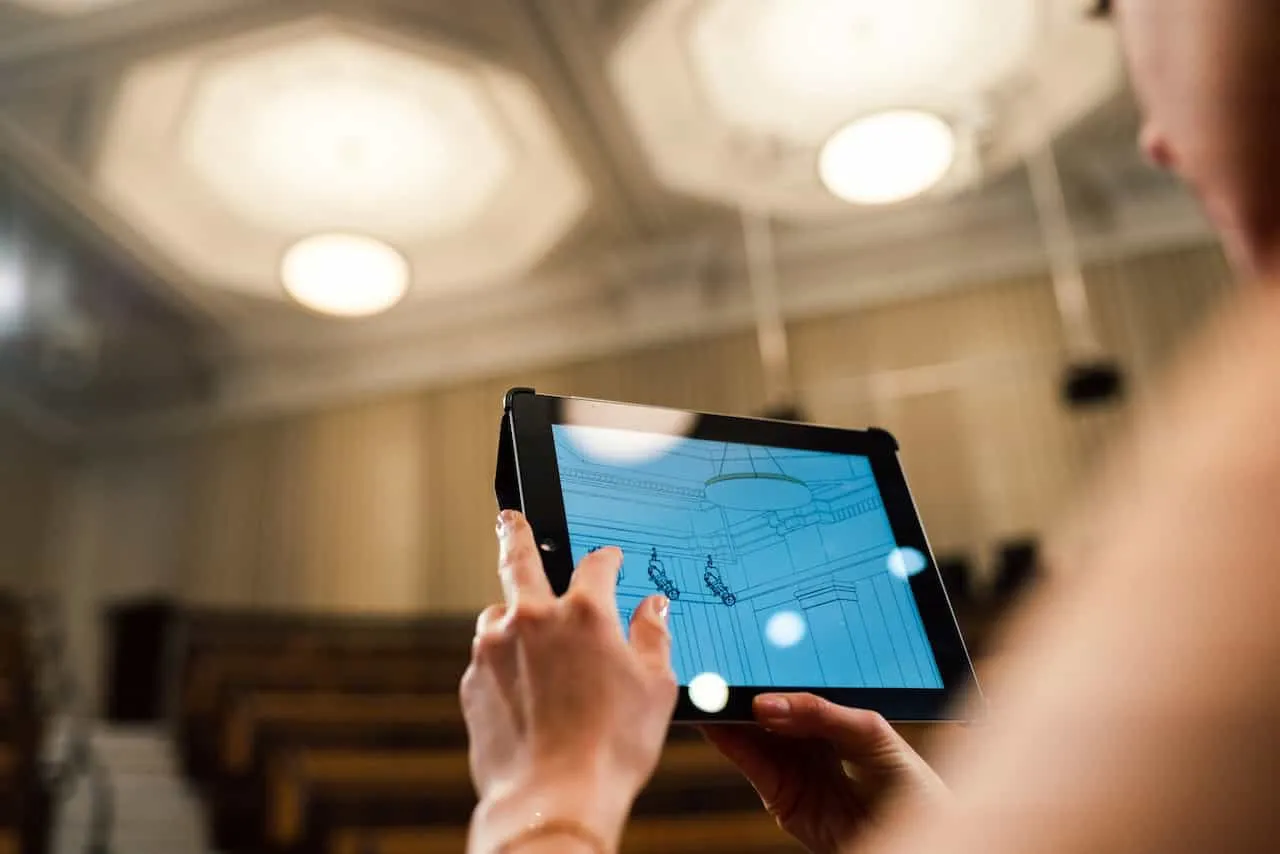
The emergence of Dassault Systèmes Cloud CAD marks a true game changer in the world of design. This innovative system leverages the power of the cloud to provide a flexible and accessible platform for design and collaboration. With Cloud CAD, designers can create, modify, and share 3D models in real-time from virtually anywhere with internet access.
Transitioning to cloud CAD brings numerous benefits. It enables real-time collaboration between global teams, eliminating geographical barriers. Team members can work simultaneously on a single project, significantly reducing project timelines. Moreover, cloud CAD offers scalability and flexibility, allowing companies to adapt their CAD infrastructure to changing demands without major investments in hardware.
Key Differences
Let's examine the key differences between traditional CAD and Dassault Systèmes Cloud CAD:
Accessibility: Traditional CAD often requires powerful workstations, restricting access only to on-site designers. In contrast, cloud CAD provides remote access via web browsers, enabling collaboration from anywhere in the world.
Collaboration: Cloud CAD facilitates real-time collaboration, allowing multiple users to work on the same project simultaneously. Traditional CAD often requires file exchanges and resolving versioning issues.
Scalability: Cloud CAD offers scalability, making it easier to adapt to growing project requirements. Traditional CAD systems may require significant hardware upgrades to achieve similar goals.
Advantages of Cloud CAD
The benefits of implementing cloud CAD extend beyond accessibility and collaboration. It provides scalability and flexibility, allowing companies to adapt their CAD infrastructure to changing requirements without significant hardware investments. According to a recent study by Engineering.com, software providers for engineering and design are actively adopting cloud technologies to improve collaboration and efficiency in the design process. This shift toward cloud CAD solutions aligns with the advantages we discussed, such as real-time collaboration and accelerated project timelines.
Cloud CAD ensures automatic software updates, reducing maintenance efforts. Additionally, cloud computing power can more efficiently perform complex simulations and rendering. This leads to faster project iterations and better decision-making.
Challenges and Considerations
Although the benefits of cloud CAD are evident, it's important to consider potential challenges. Data security is a critical issue, and companies must implement robust security measures to protect confidential design data. A reliable internet connection is also a vital factor for seamless cloud-based operation.
Real-World Applications
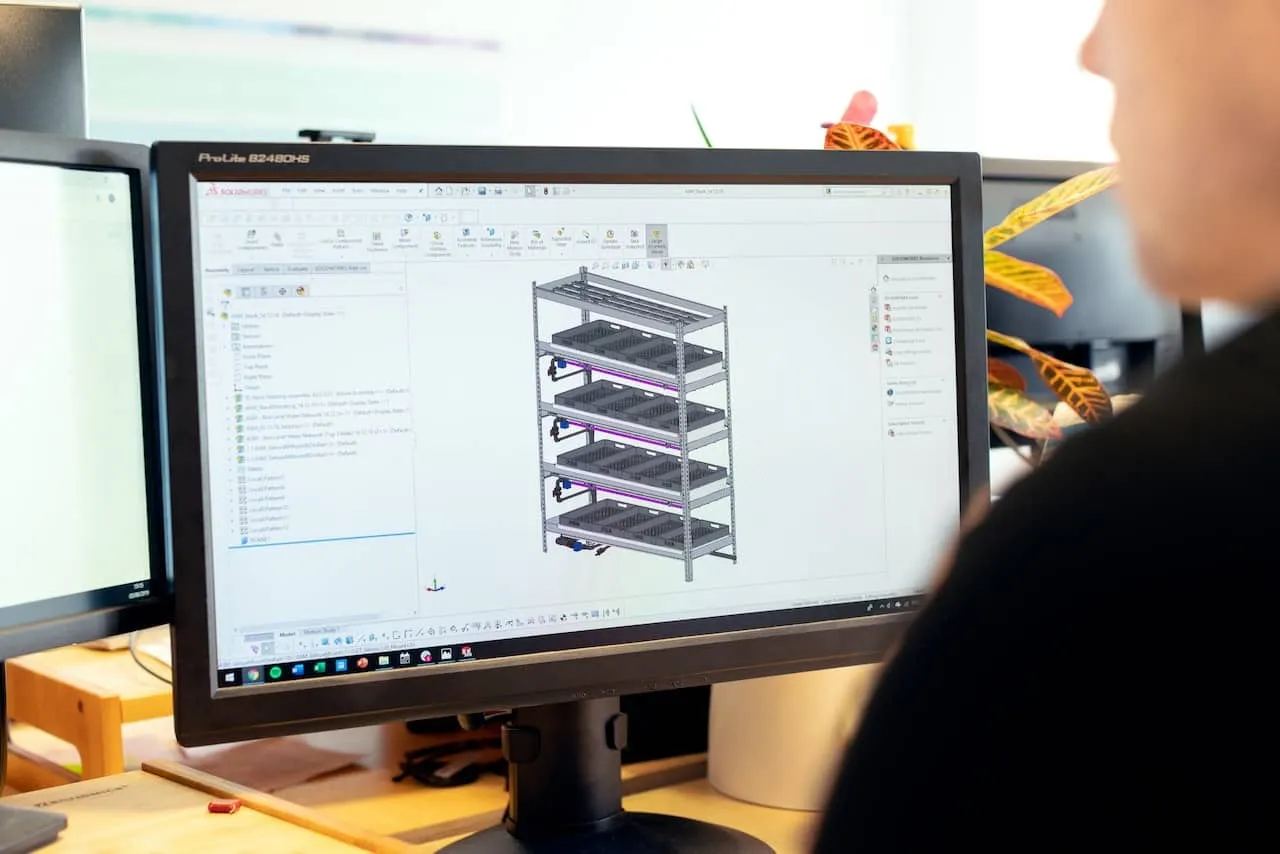
Cloud CAD is already drawing interest across various industries. Companies such as SpaceX and Airbus are using Dassault Systèmes Cloud CAD to optimize their design processes. Thanks to this, they have achieved improved collaboration, accelerated development, and better design outcomes.
In the rapidly evolving landscape of design and engineering, Dassault Systèmes Cloud CAD represents a powerful force reshaping the approach to CAD. While traditional CAD systems were the foundation of design for decades, cloud alternatives open a new era of accessibility, collaboration, and efficiency. As the industry evolves, the choice between traditional CAD and cloud-based systems will be a determining factor in an organization's ability to innovate and remain competitive. Explore the possibilities, embrace the revolution, and stay at the forefront of design with Dassault Systèmes Cloud CAD.