PeacoQ House by UID Architects: Curved Walls and Seamless Boundaries in Hiroshima
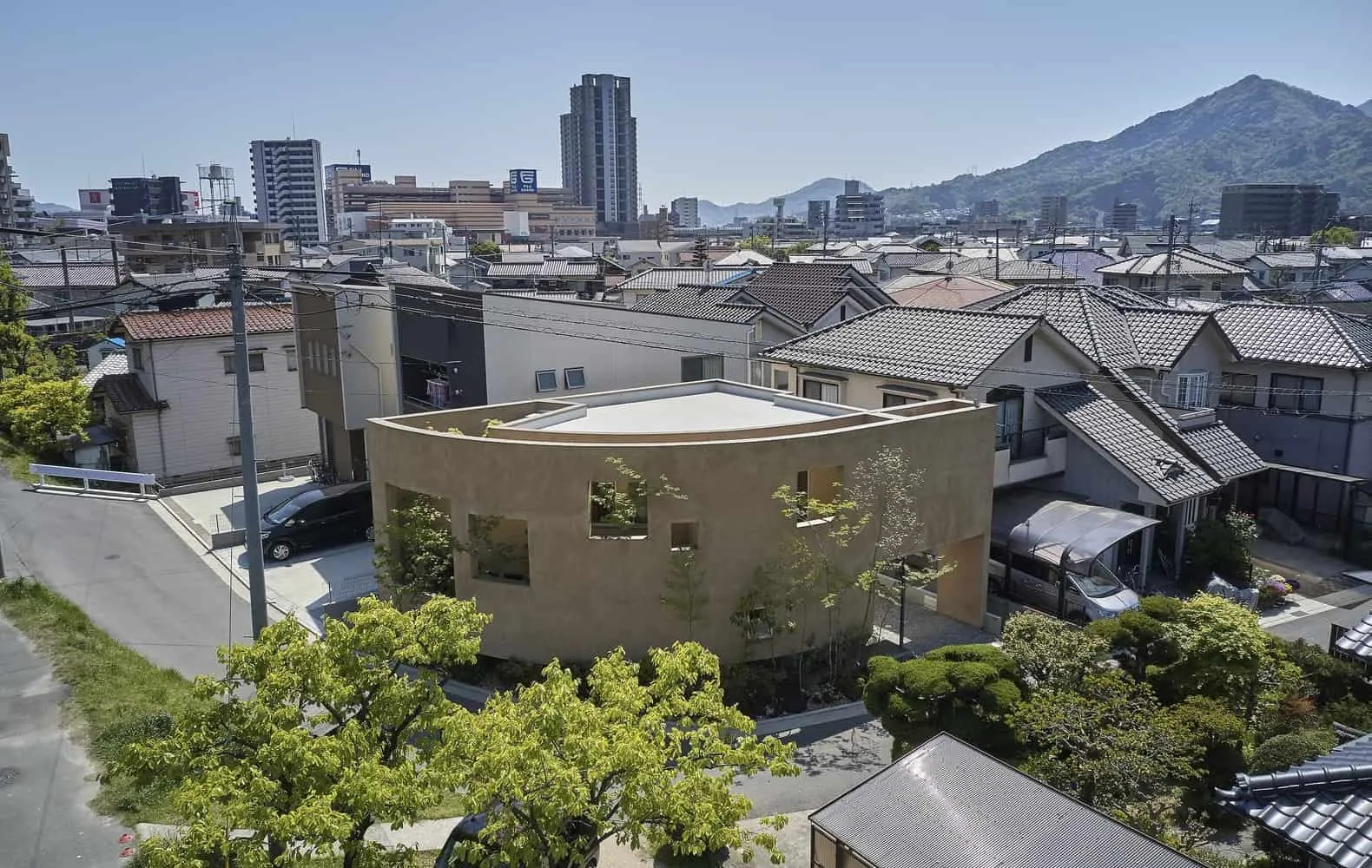
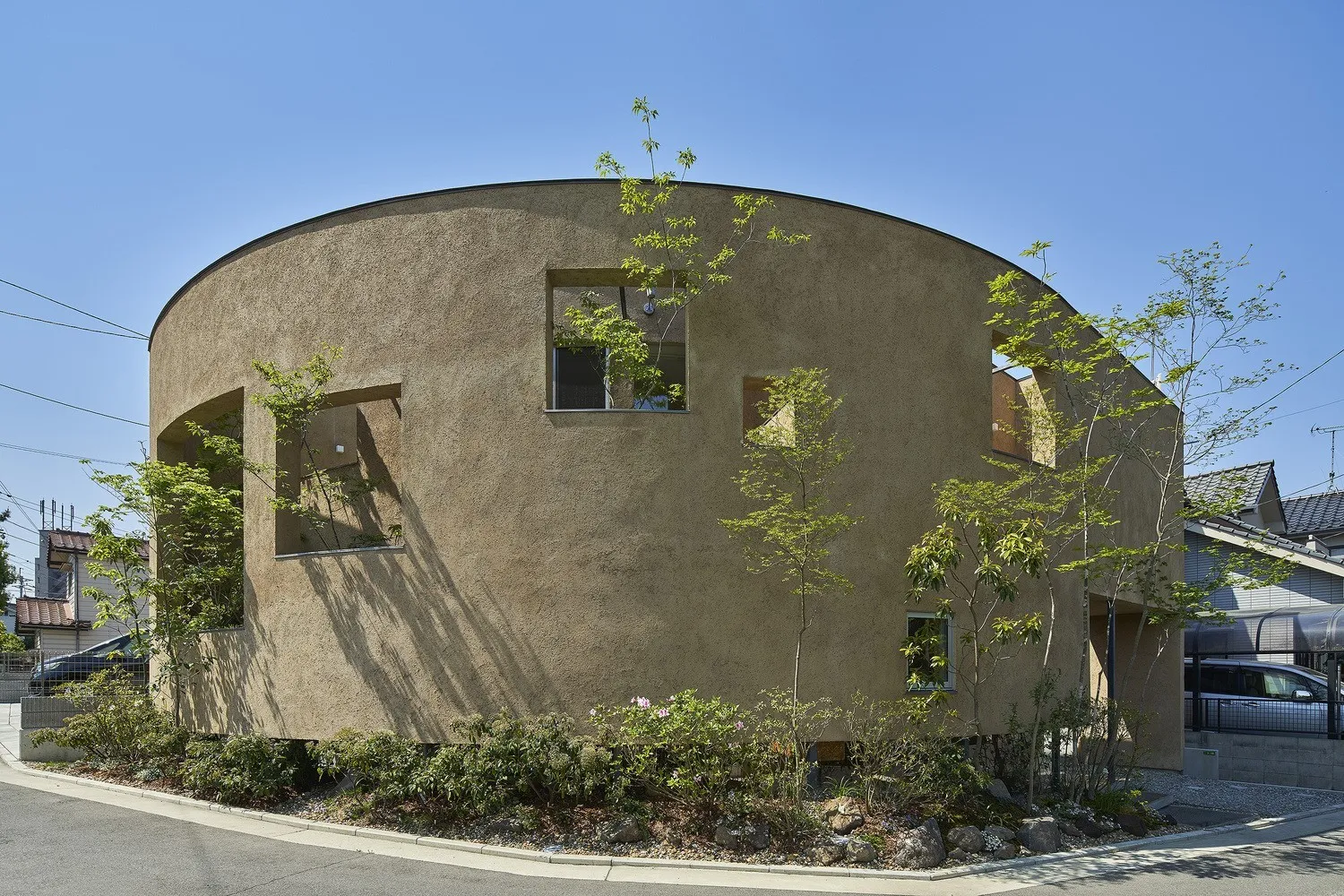
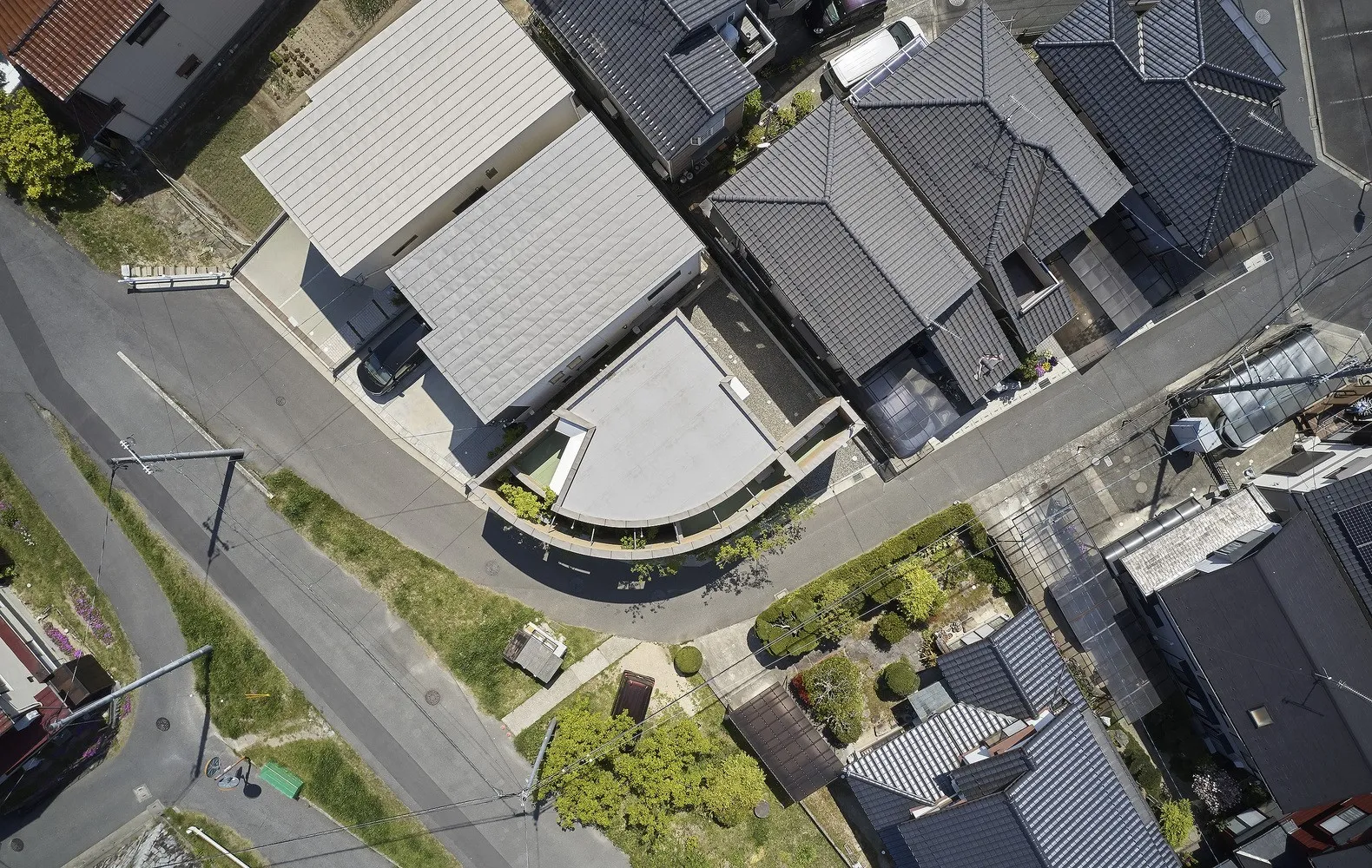
In Hiroshima, the PeacoQ House by UID Architects reimagines a compact residential project with a decisive use of concentric curved walls and seamless integration of interior and exterior spaces. Built for a family of three, the house transforms a unique plot in the shape of a fan into a cozy and spacious dwelling.
Location and Spatial Strategy
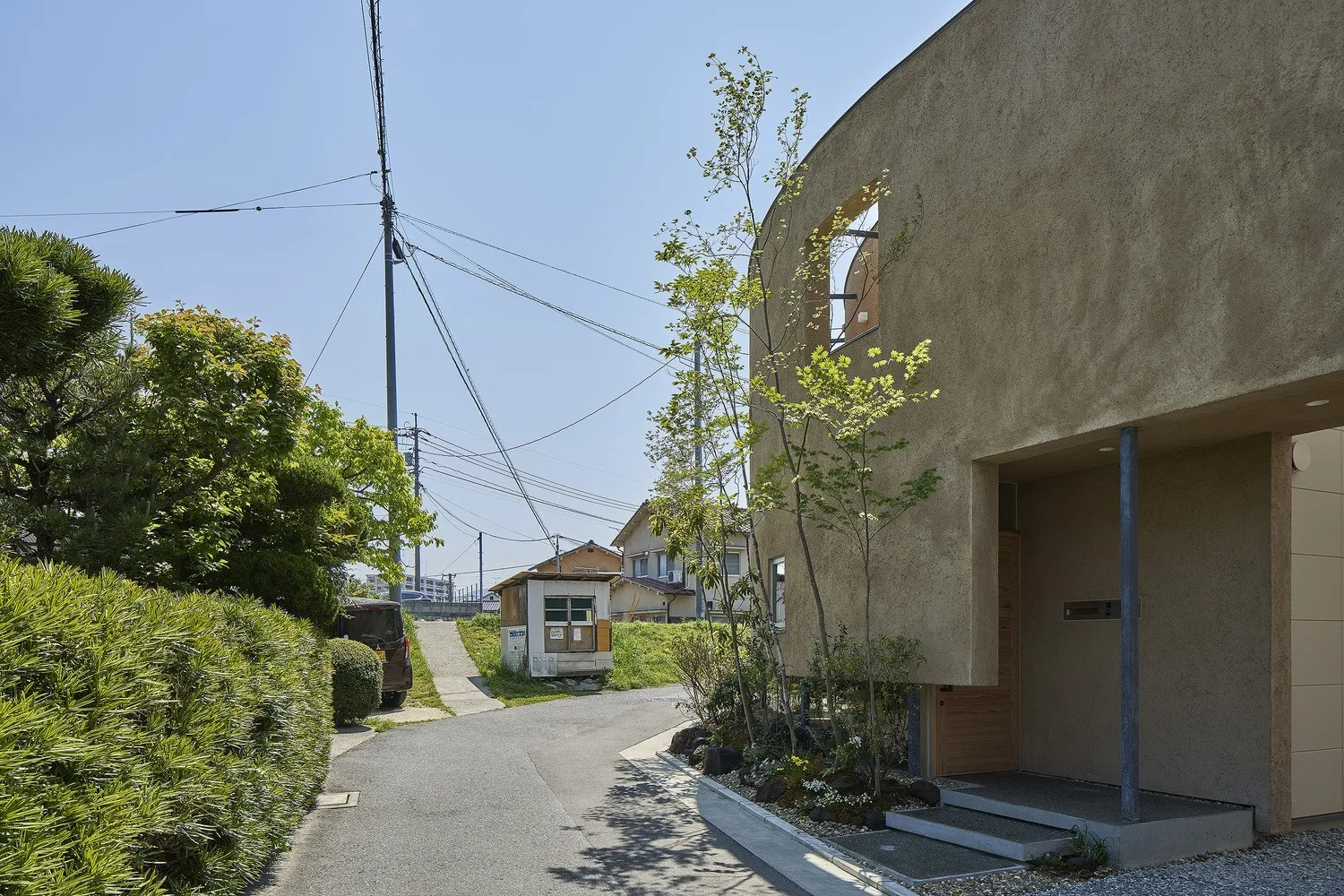
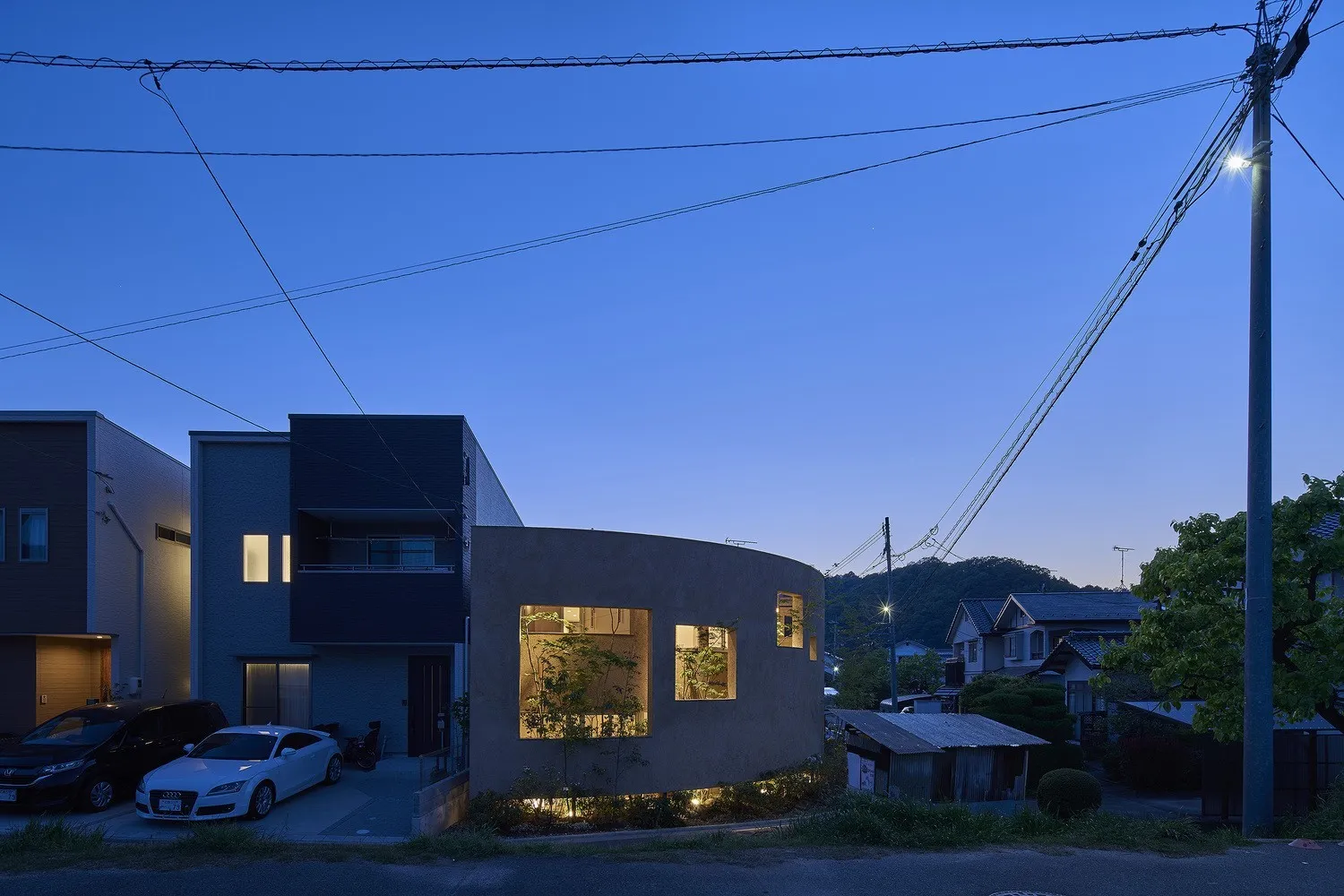
The house is located on a gently terraced residential area, open to the north-east street and bordered by neighboring buildings to the south-west. This duality of enclosure and openness became central in the design approach. UID Architects presented the project as a series of expanding curved spaces, originating from the south-west corner and extending towards the street.
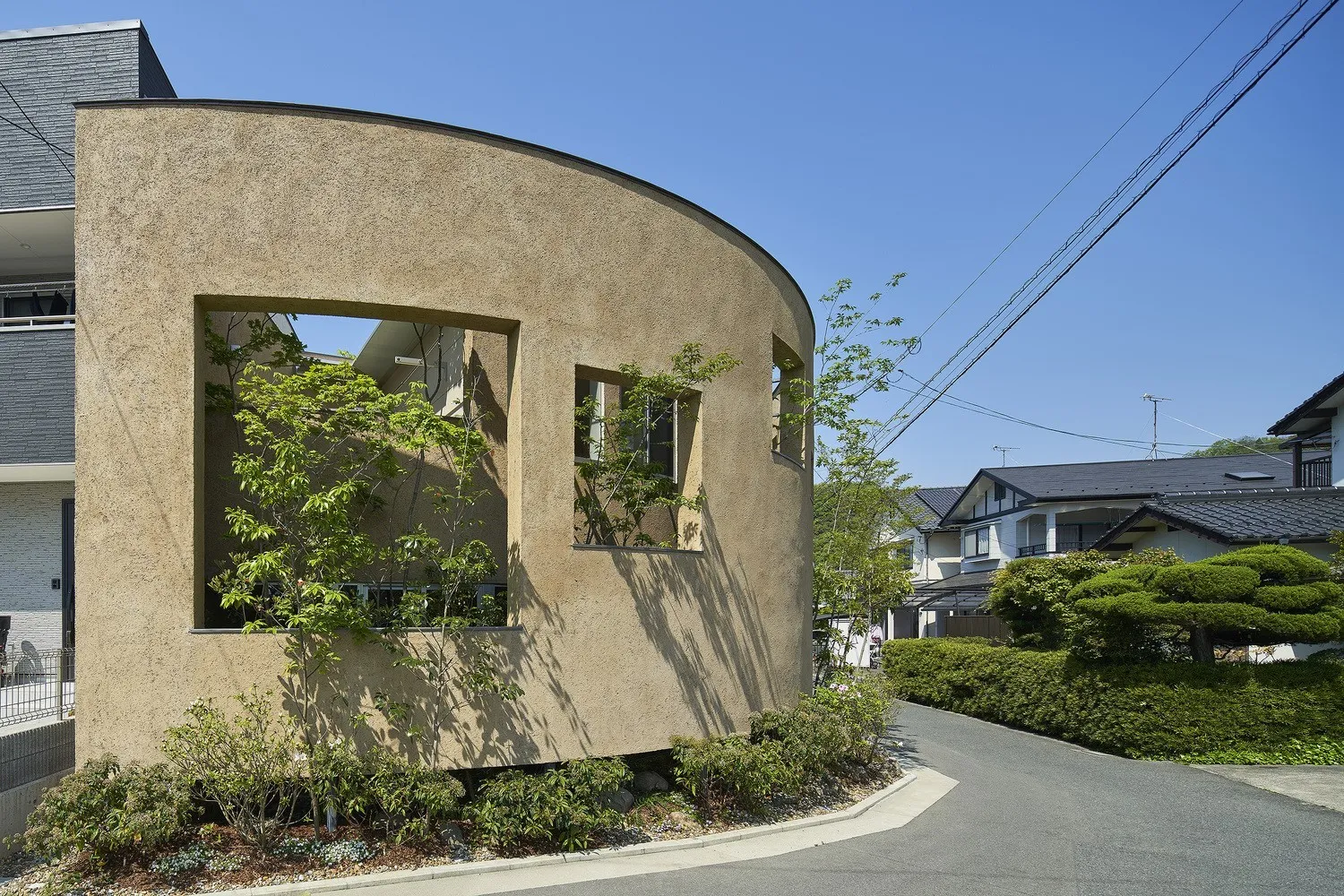
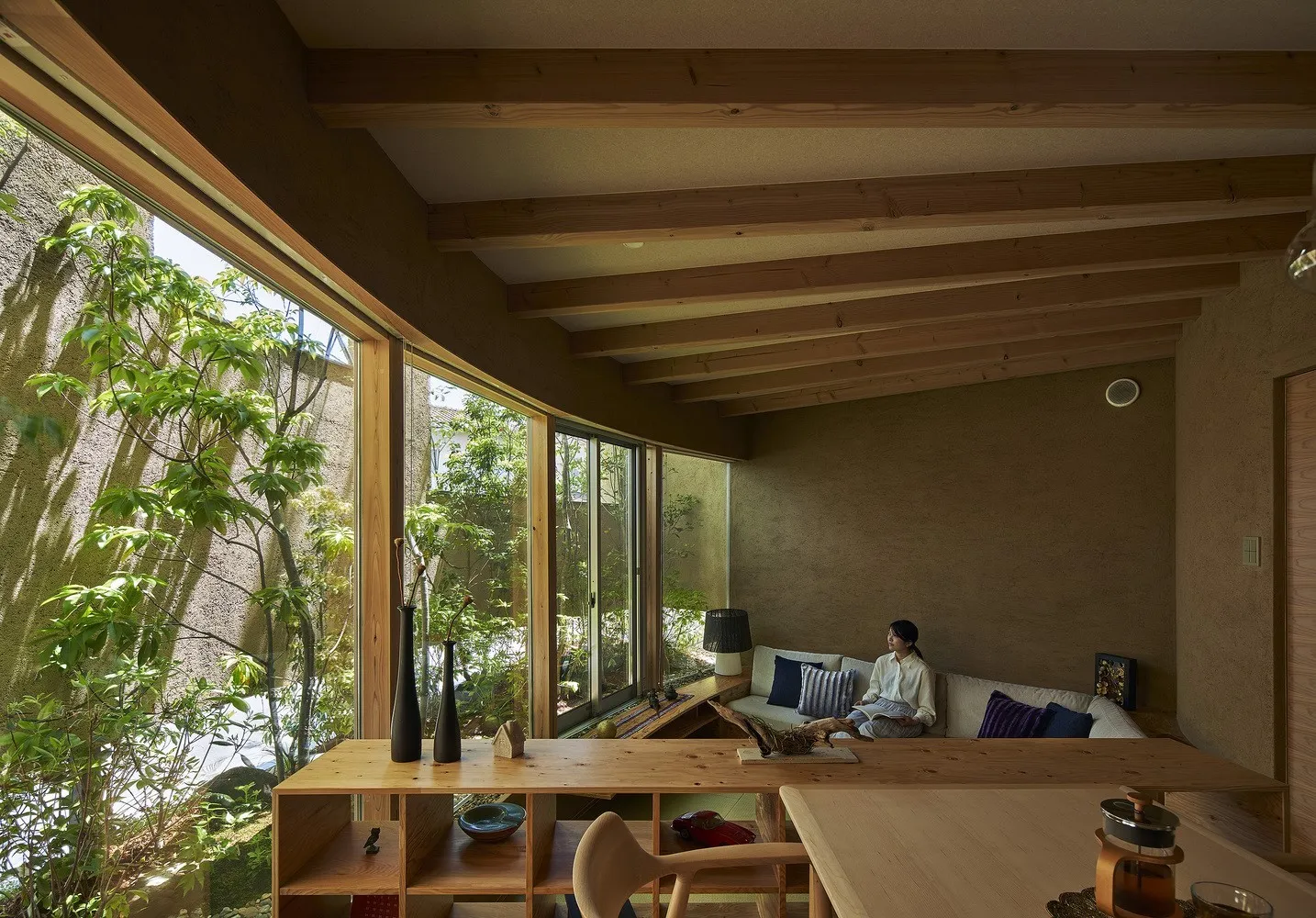
Considering surrounding green zones as an extension of the house, architects destroyed traditional boundaries. The building reaches right up to the setback line, maximizing available area and allowing landscape to flow into the design.
The Floating Arc Wall
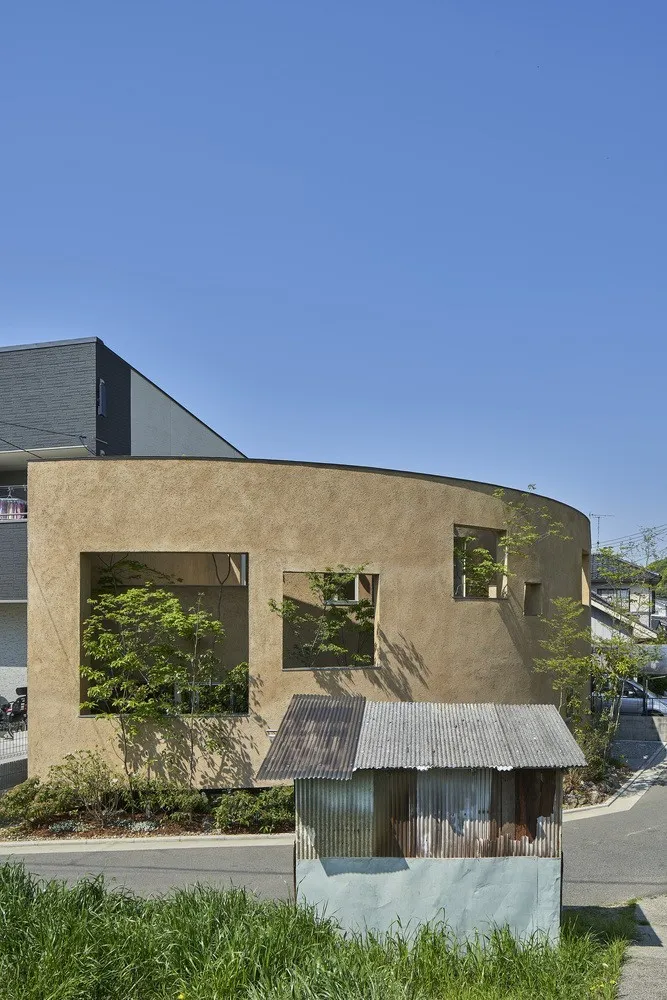
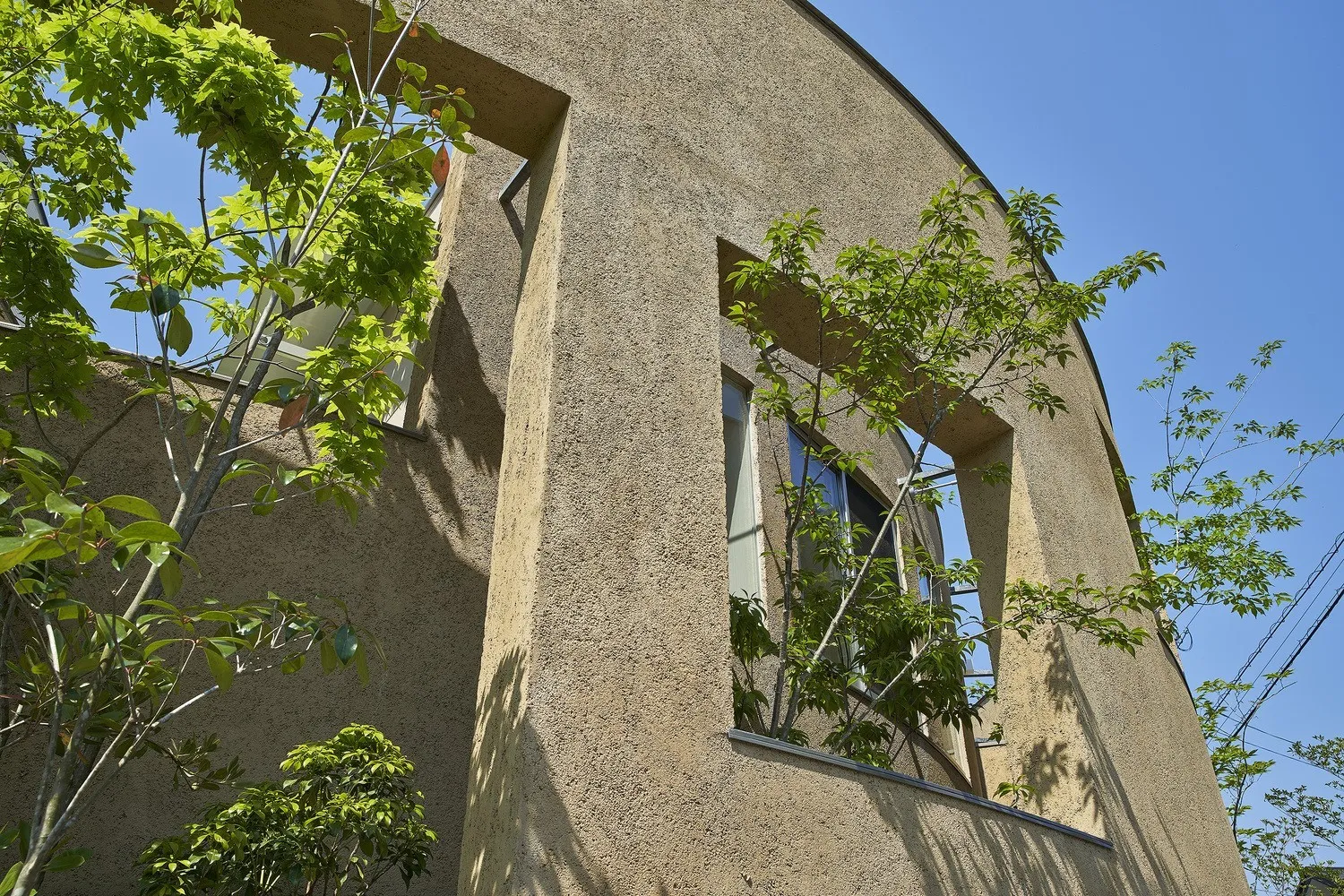
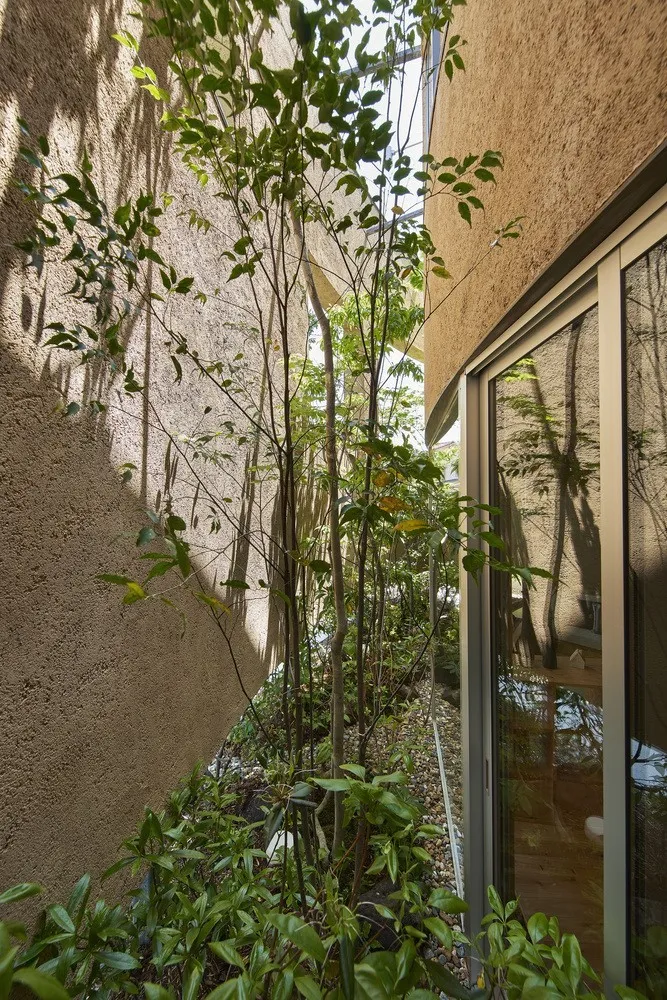
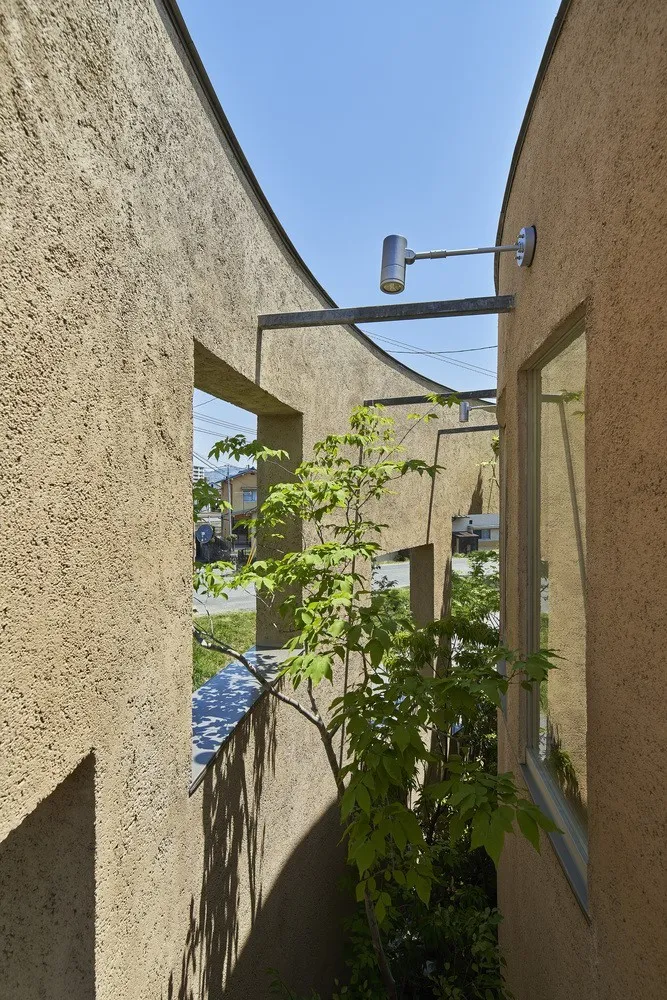
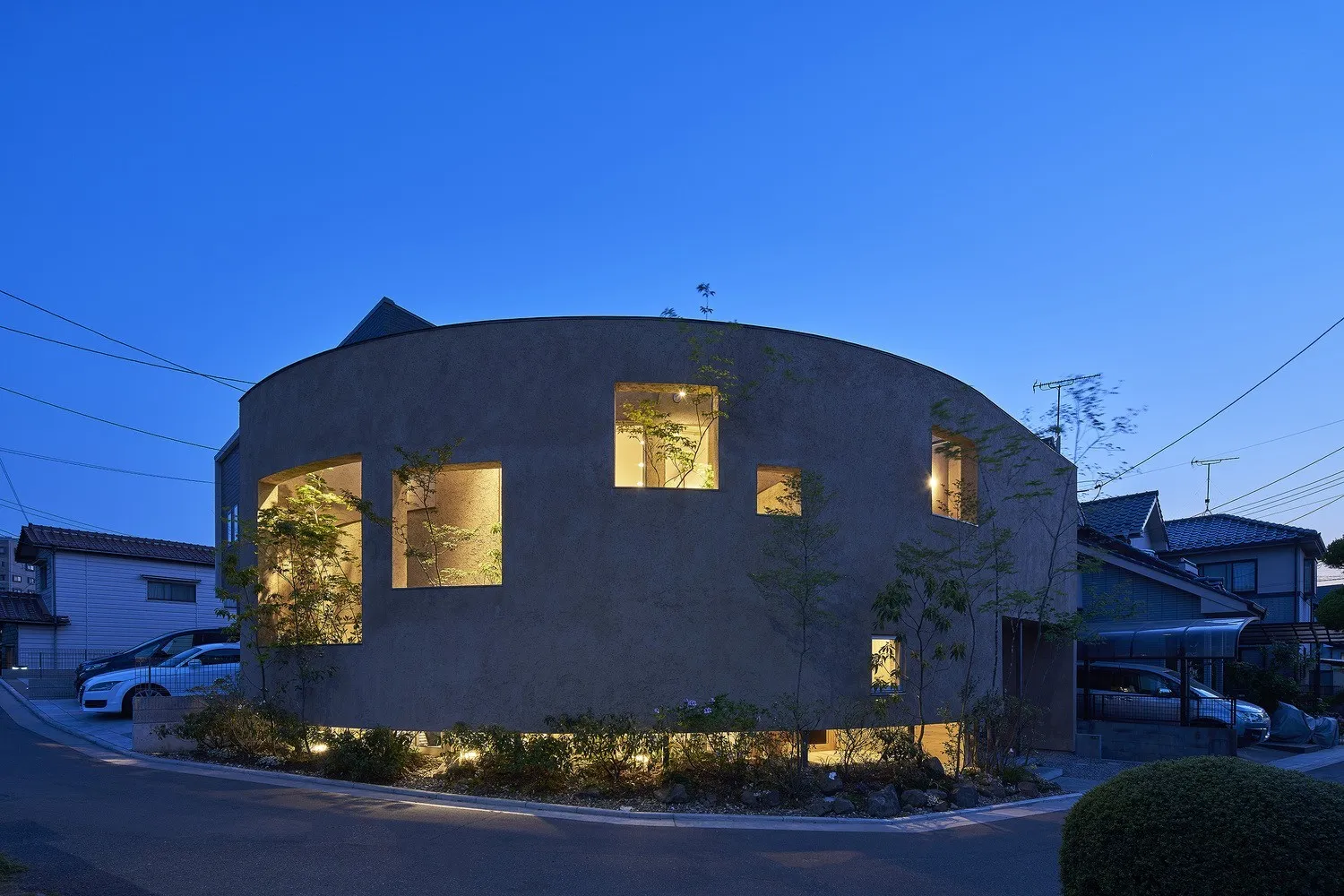
The defining element of the project is a large curved clay wall running along the perimeter of the plot. Floating 700 millimeters above ground, this sculptural wall blurs the boundary between inside and outside. It protects the house from the street, creating a private grassy zone while also acting as a transitional buffer zone. Its few openings filter light and views, creating moments of surprise and intimacy.
This wall is both monumental and gentle, providing privacy while expanding the sense of interior space outward. By elevating it above ground, UID Architects created a sheltered semi-outdoor zone that encourages interaction and enhances the perception of openness.
Light, Views, and Interior Atmosphere
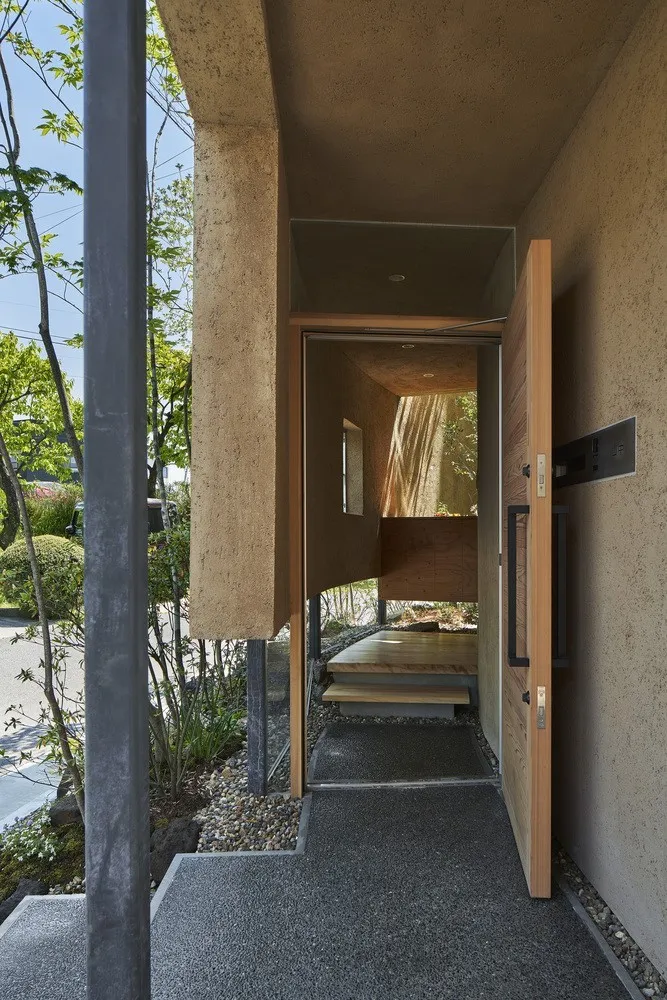
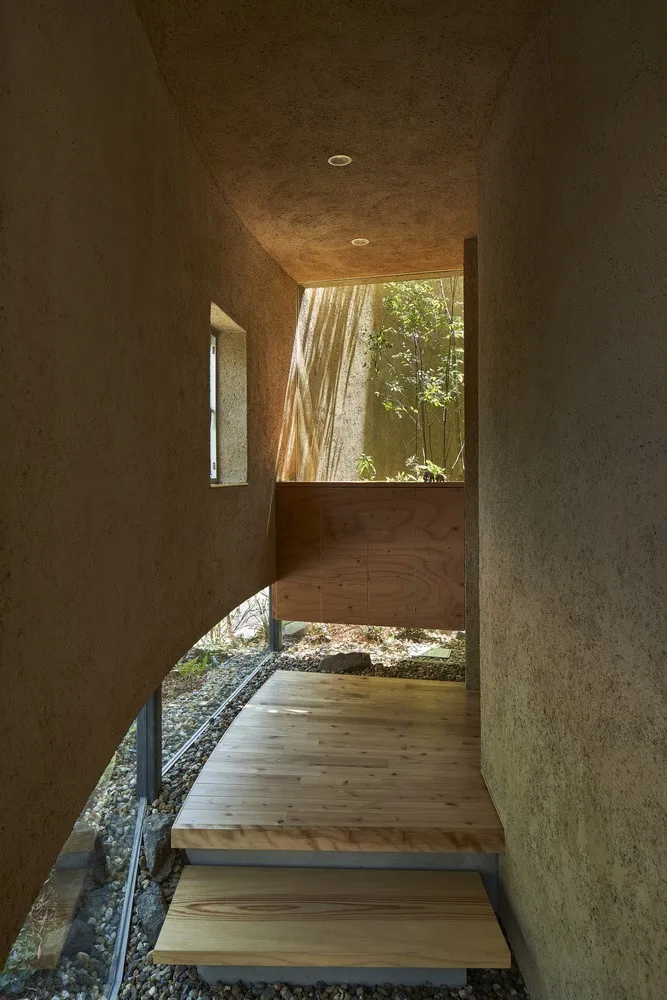
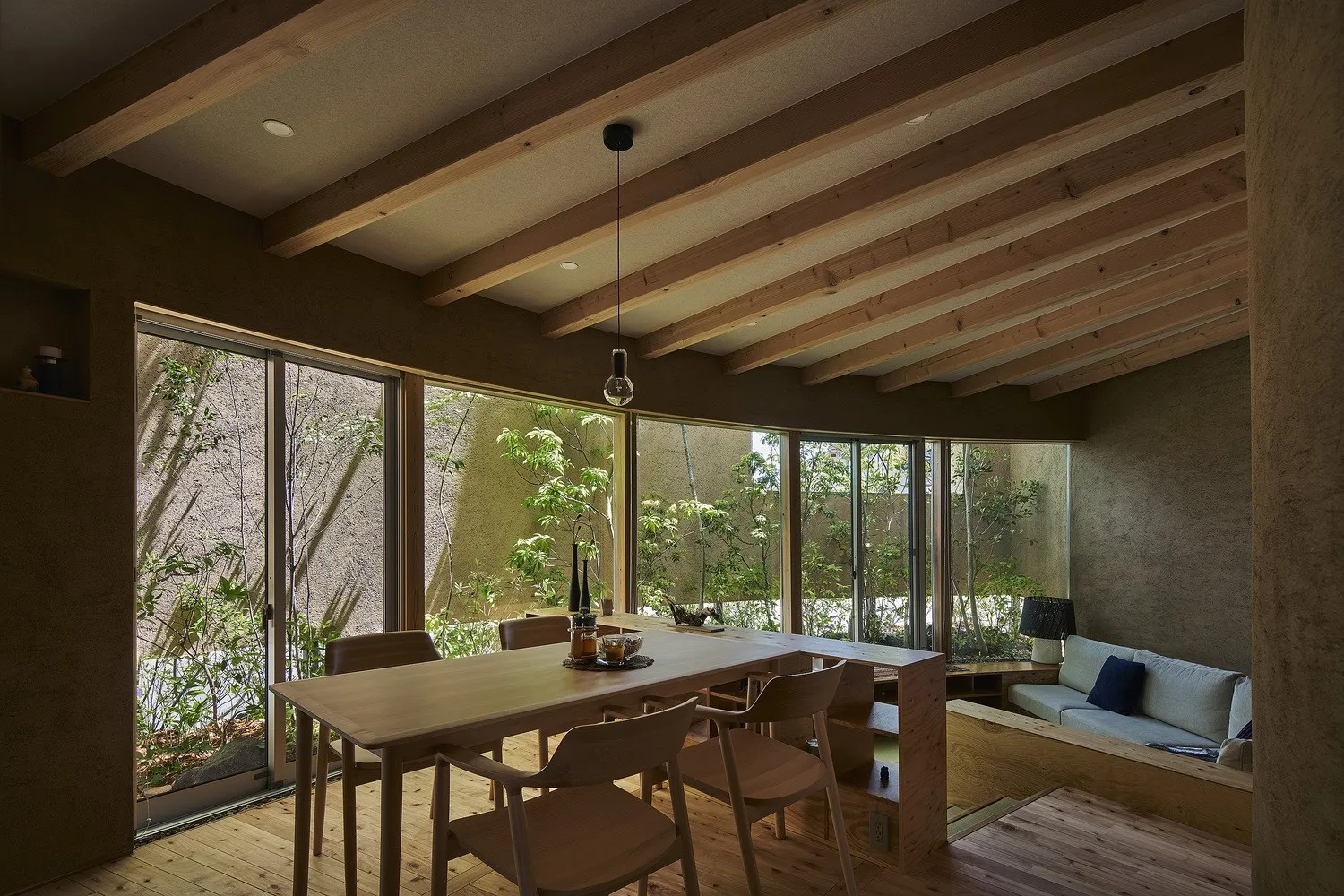
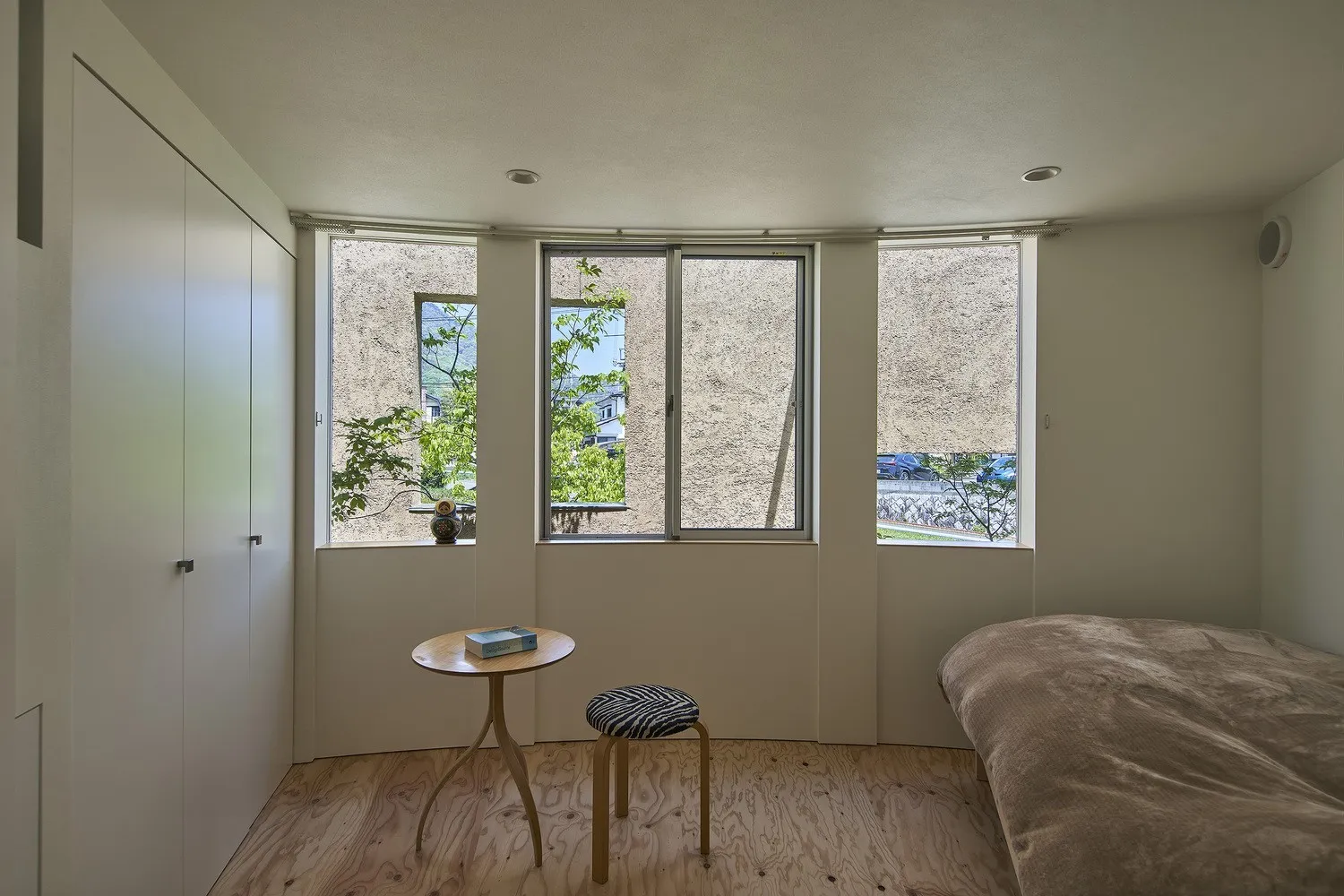
Natural light plays a key role in the design. Solar light from the south casts onto the north-east wall, animating the interior with changing light and shadows throughout the day. Each room benefits from this choreography of light, enriching daily life with subtle shifts.
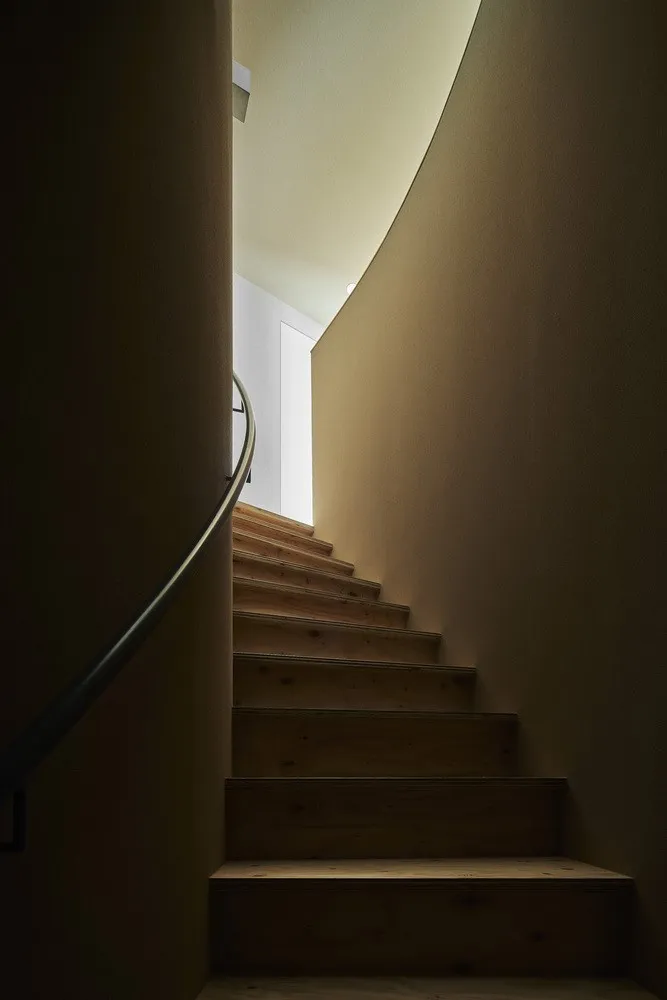
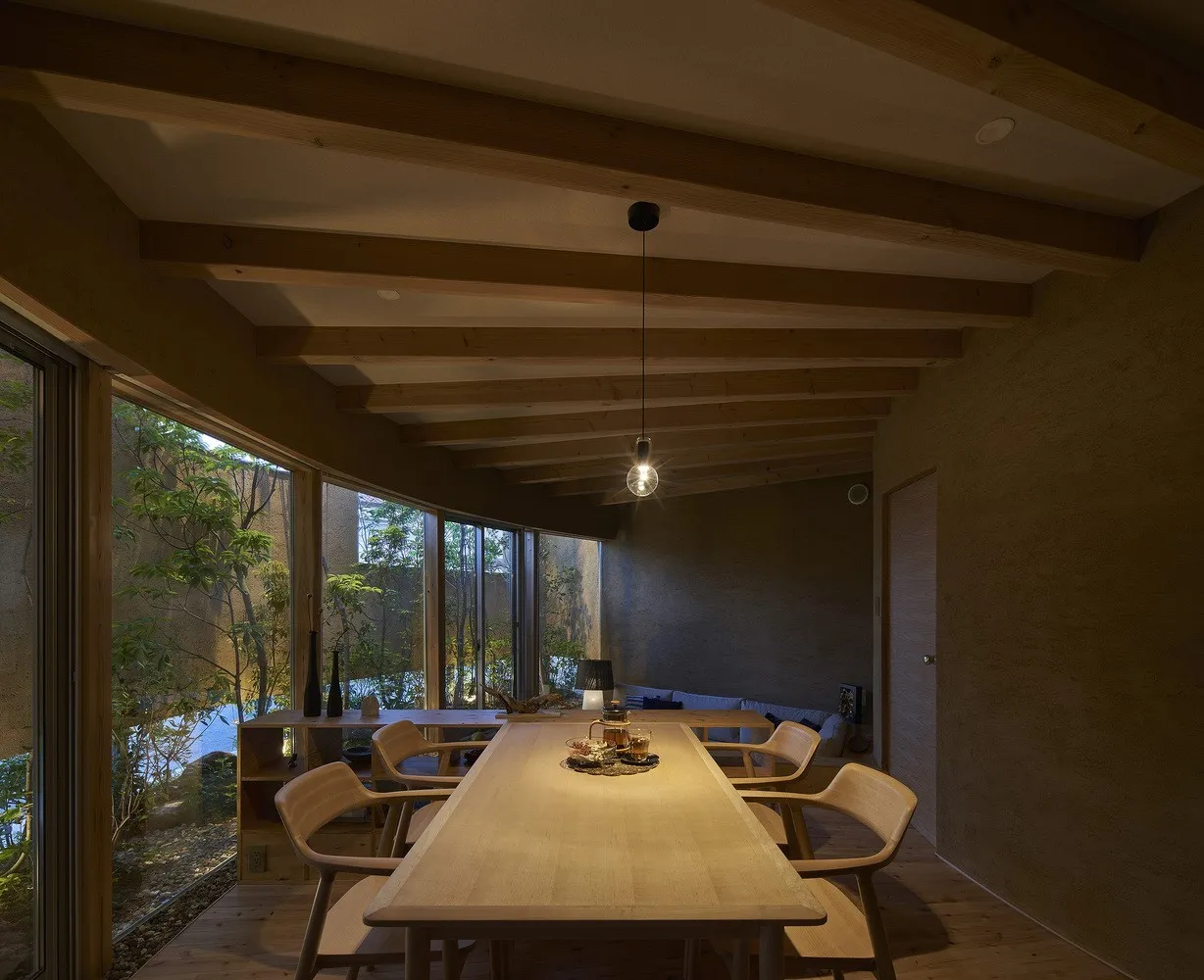
Inside the compact 1087 square foot dwelling unfolds as a three-dimensional landscape zone, where walls, floors and volumes intersect to create depth and connection. The concentric planning ensures smooth movement and frames views of the garden and surrounding greenery.
A Compact House with a Spacious Spirit
Despite its modest size, the PeacoQ House achieves a sense of spaciousness through careful layering of space, light and boundaries. The blurring of threshold between the house and landscape allowed UID Architects to create a vibrant environment that meets practical family needs while offering a broad range of interaction with neighborhood and nature.
Modern Japanese Expression
The PeacoQ House demonstrates UID Architects' sensitivity to place and scale. With its curved geometries, floating clay arc wall, and integrated outdoor space, the house embodies modern Japanese architectural aesthetics—compact, inventive, and deeply contextual.
Photos © Koji Fujii / TOREAL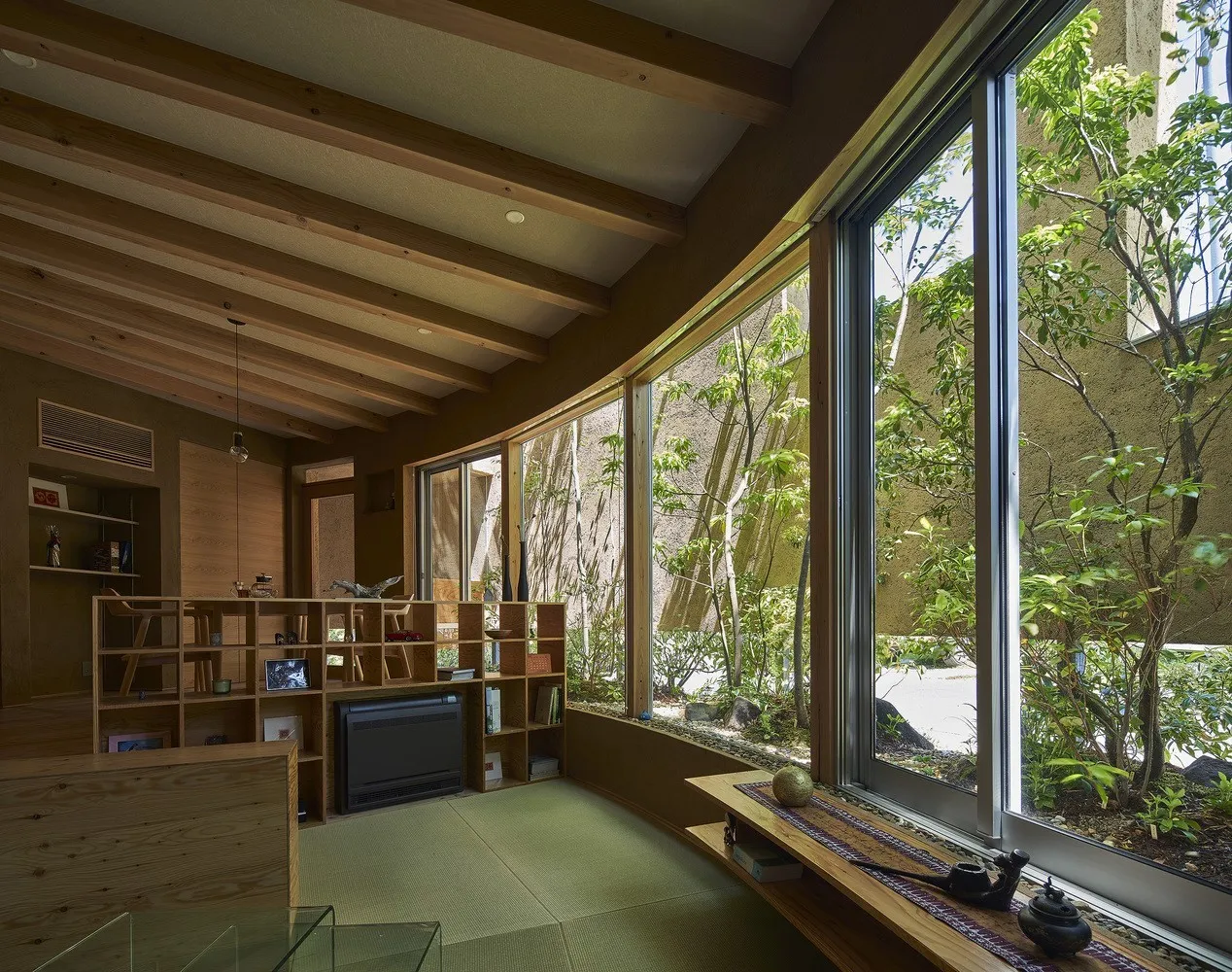 Photos © Koji Fujii / TOREAL
 Photos © Koji Fujii / TOREAL
 Photos © Koji Fujii / TOREAL
 Photos © Koji Fujii / TOREAL
 Photos © Koji Fujii / TOREAL
 Photos © Koji Fujii / TOREAL
 Photos © Koji Fujii / TOREAL
 Photos © Koji Fujii / TOREAL
 Photos © Koji Fujii / TOREAL
 Photos © Koji Fujii / TOREAL
 Photos © Koji Fujii / TOREAL
 Photos © Koji Fujii / TOREAL
 Photos © Koji Fujii / TOREAL
 Photos © Koji Fujii / TOREAL
 Photos © Koji Fujii / TOREAL
 Photos © Koji Fujii / TOREAL
 Photos © Koji Fujii / TOREAL
 Photos © Koji Fujii / TOREAL