What to do with a long narrow room: tips and examples of successful layout
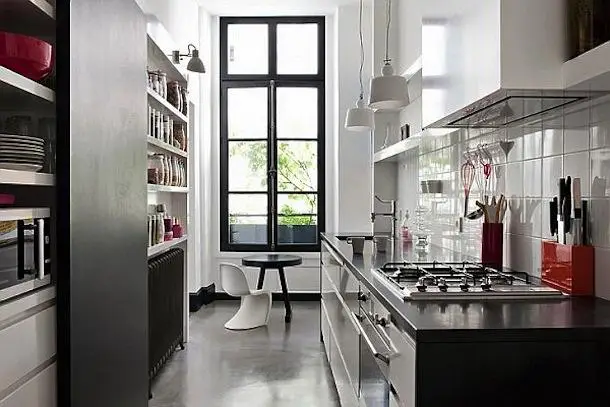
Undoubtedly, everyone's dream is to have spacious apartments with flexible layouts: plenty of room for artistic imagination and the ability to realize all interior design ideas. However, reality often presents us with our cherished square meters in the form of standard apartments with narrow, elongated bedrooms, kitchens, or hallways, where wall demolition and remodeling are not possible.
There are many effective and simple techniques for interior design in non-standard spaces. By following these, you can solve all challenges caused by imperfect room shapes.
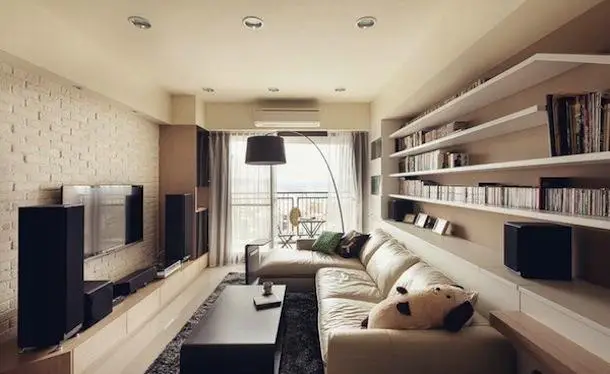
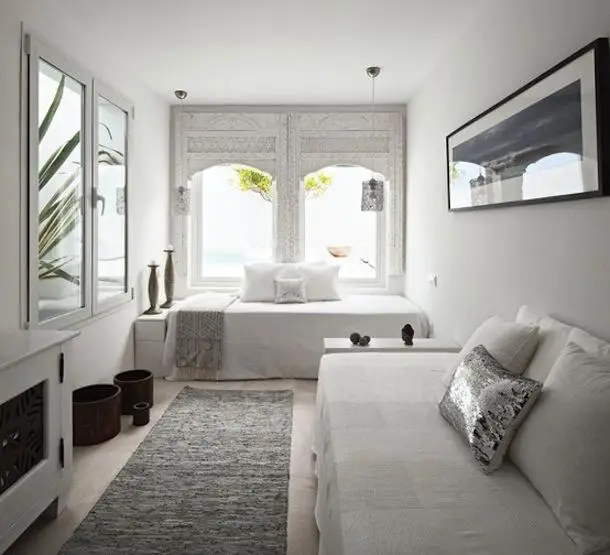
Experiment with texture and color
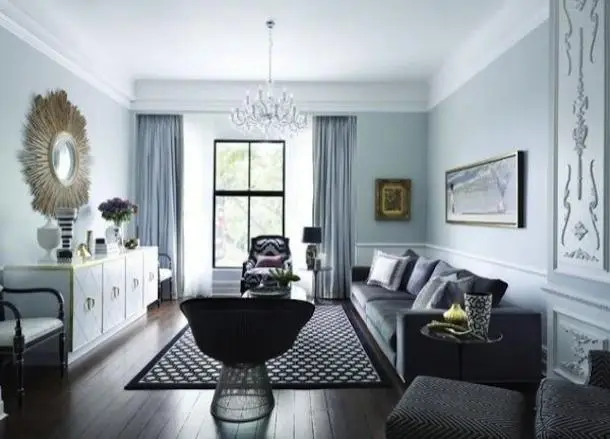
Visually bringing the room closer to a square shape can be achieved by choosing the right wall colors. Paint the long walls in light tones and the narrow ones in darker shades.
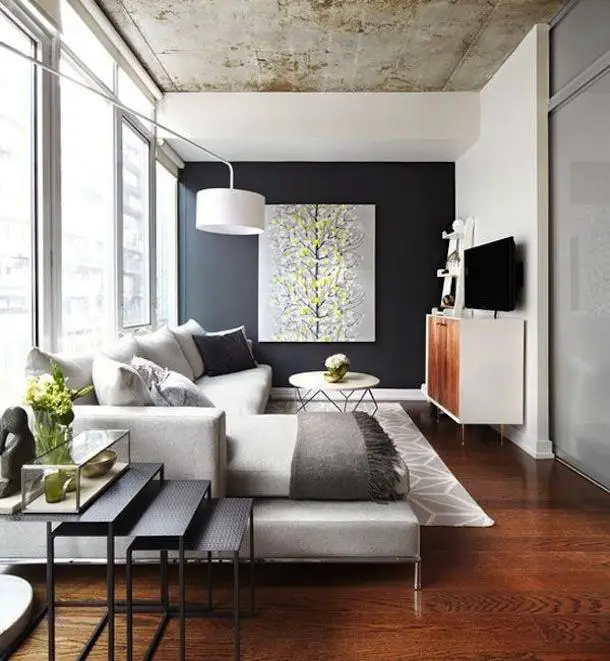
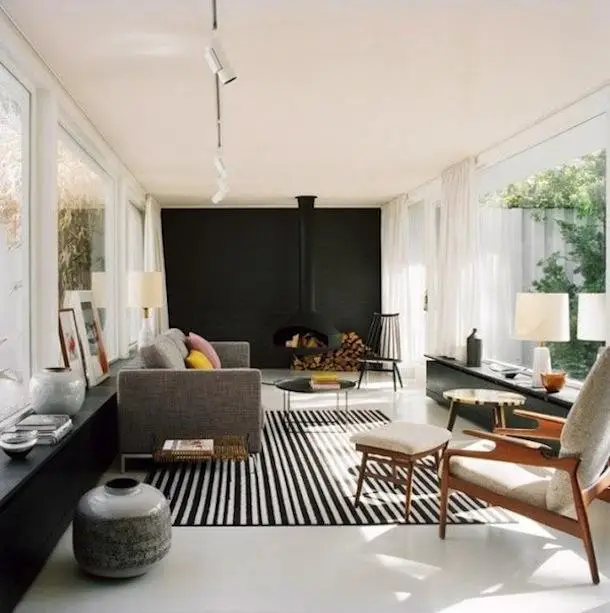
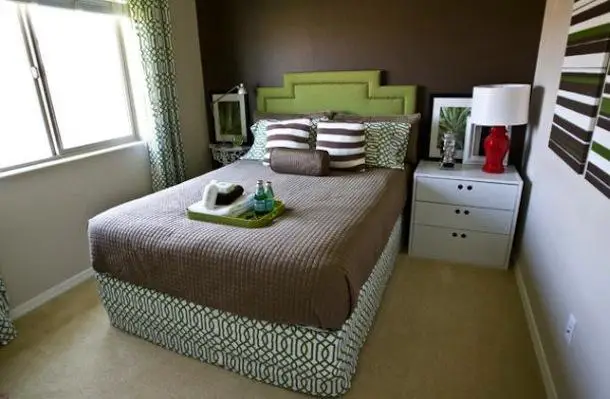
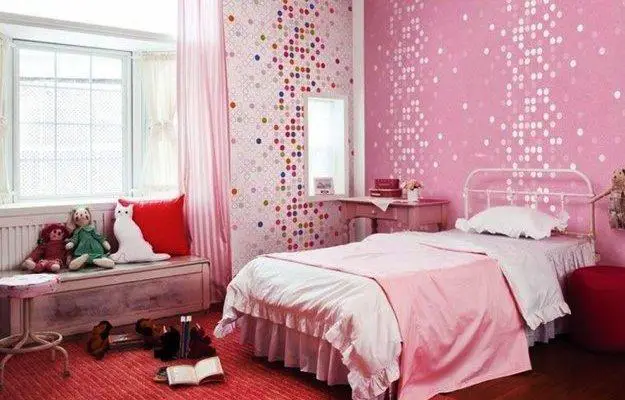
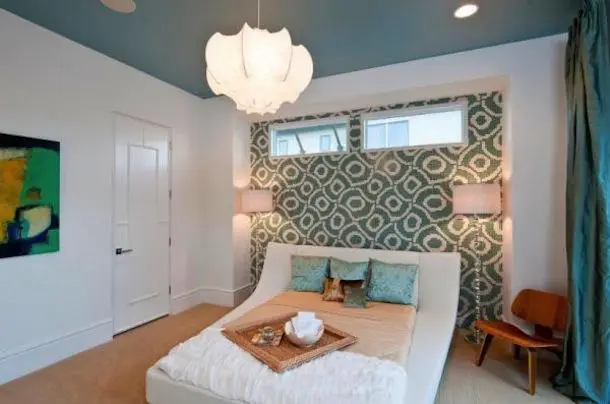
Don't fear color or bold accents: a brick wall, large posters or paintings, or wallpaper with a large pattern—several contrasting zones will add dynamism and make the space appear more complex in shape.
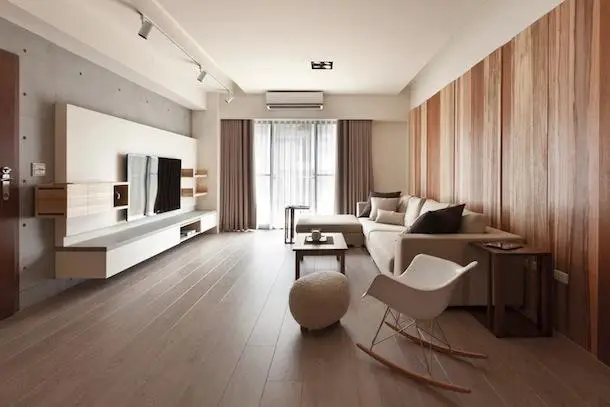
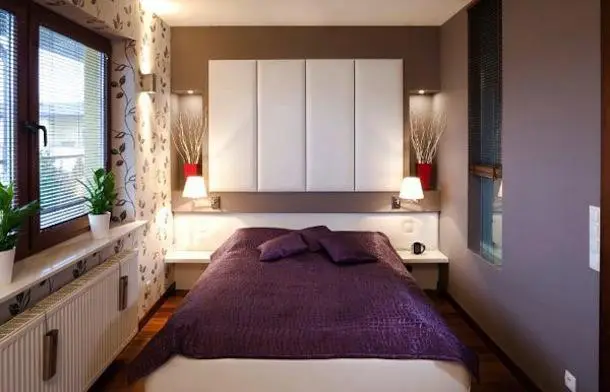
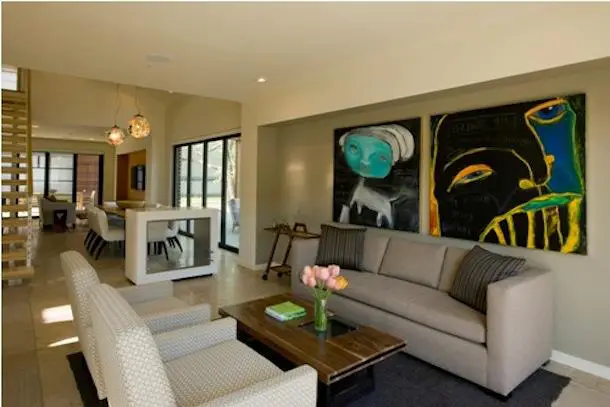
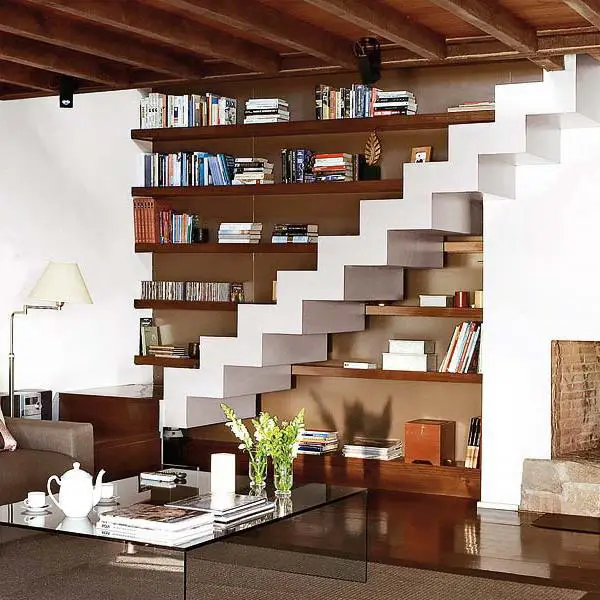
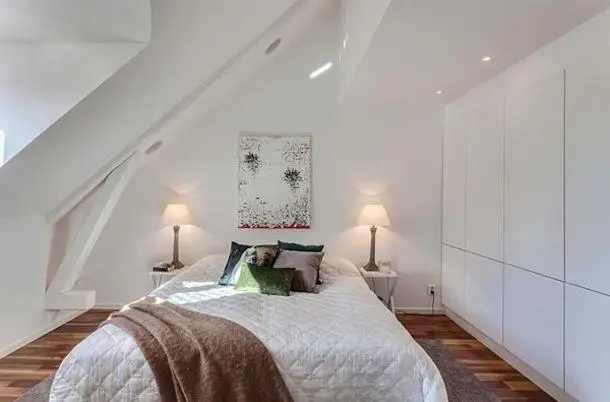
Design niches along both long and short walls. Varying wall depth adds dynamism to the interior and reduces the tunnel effect.
Use your imagination
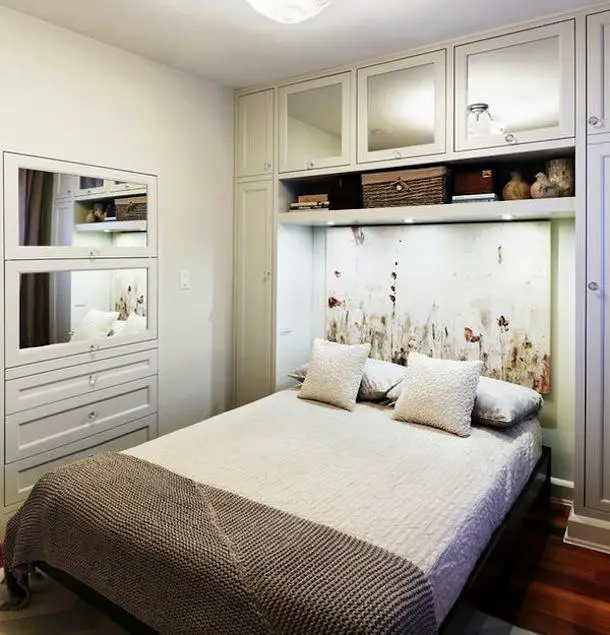
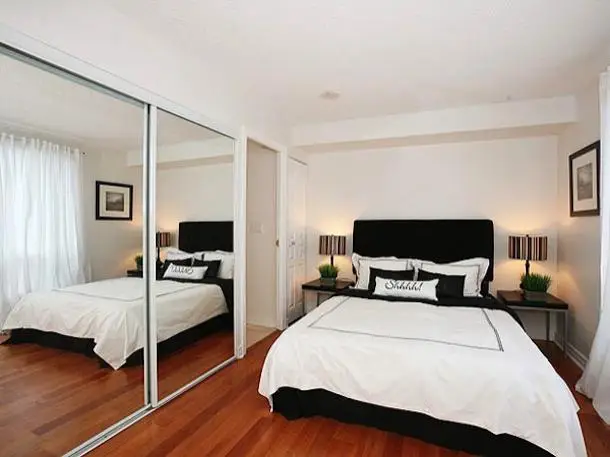
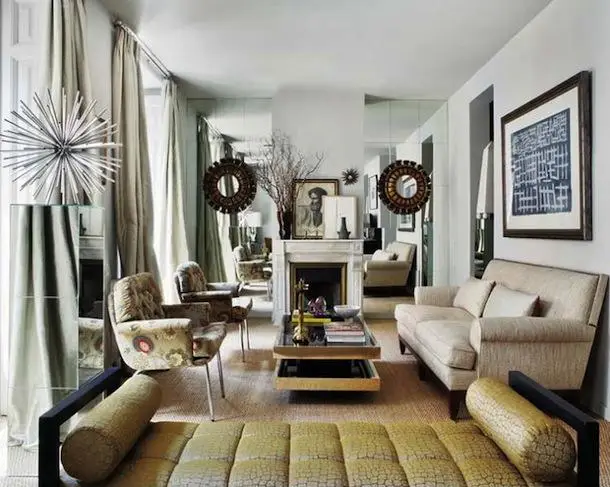
Large mirrors are a simple way to trick the eye and one of the most effective solutions for small or narrow rooms. Place a mirrored wardrobe, large mirrors, or a composition of mirrors along the long wall—this will visually widen the room.
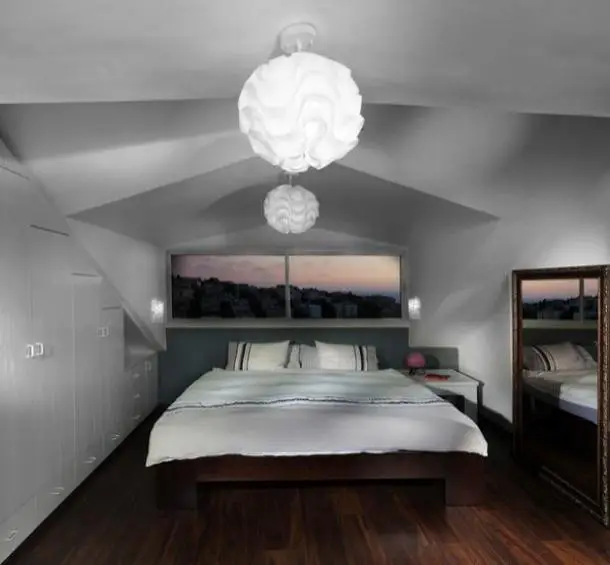
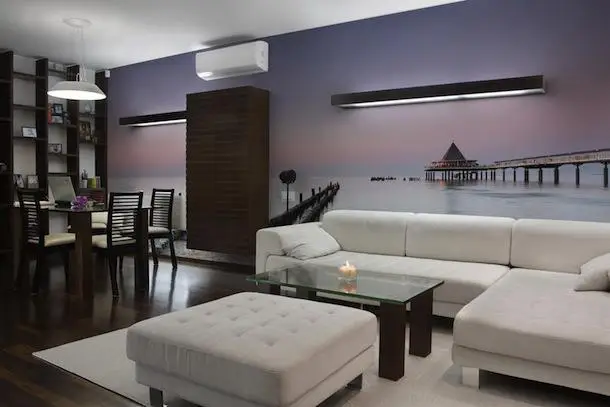
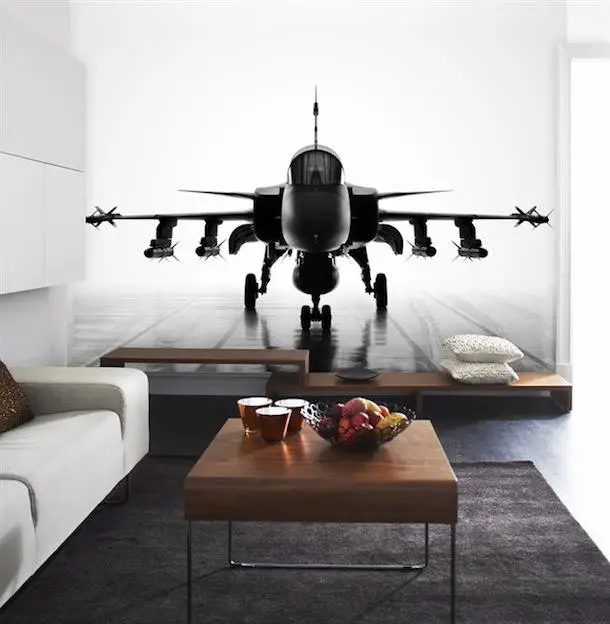
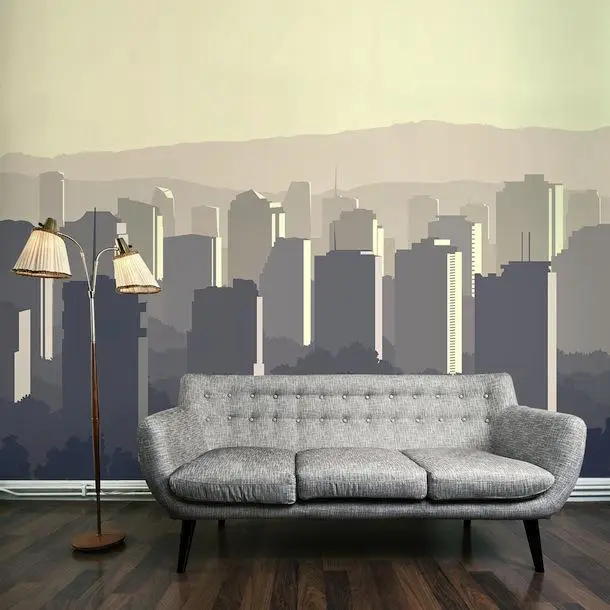
An excellent solution for narrow spaces: stunning photo wallpapers that seem to extend the room. Would you like to add an entire city quarter to your living room?
Flooring in long narrow rooms
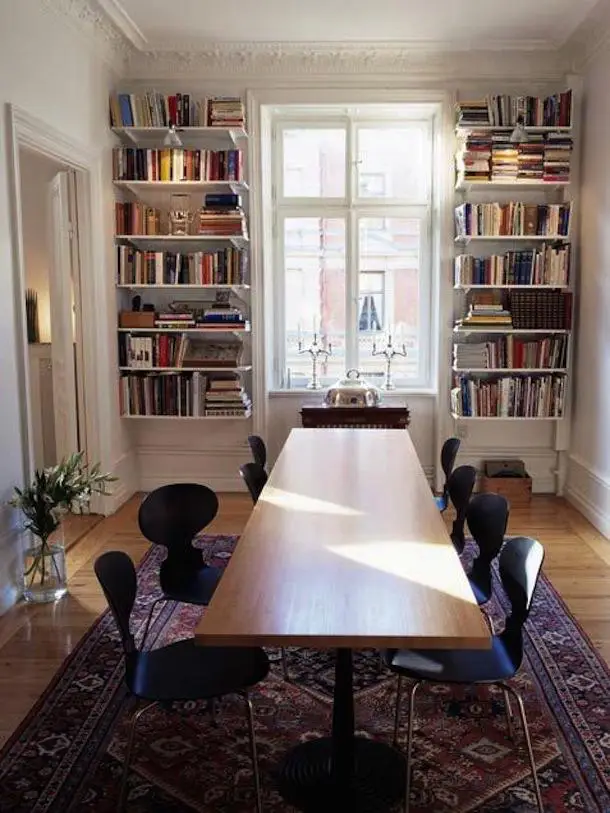
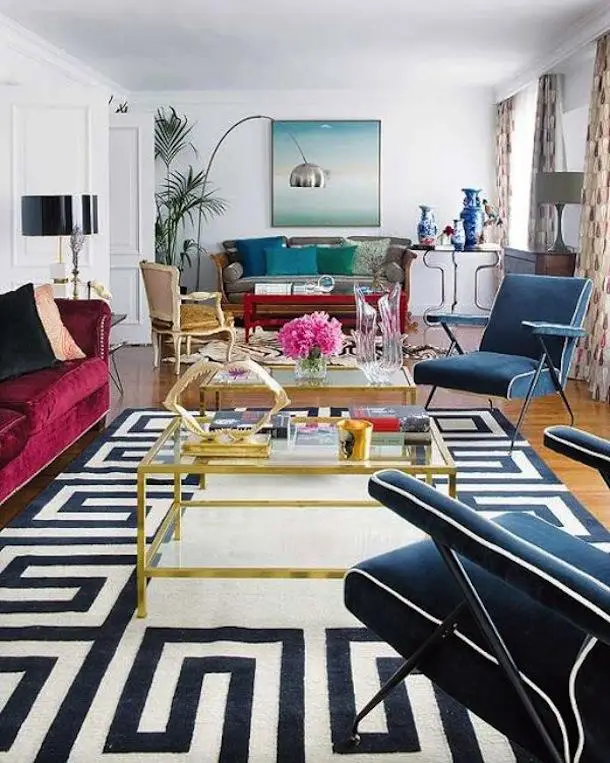
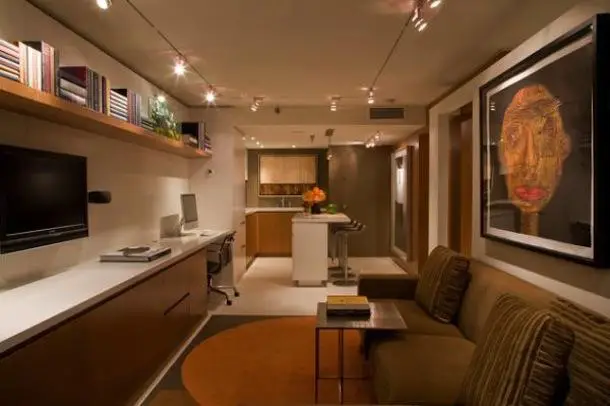
If you’ve chosen parquet or laminate, lay it perpendicular to the long walls. Often, using two different floor finishes to zone a narrow space is a mistake. Use a contrasting-color rug to define a specific area.
Window styling
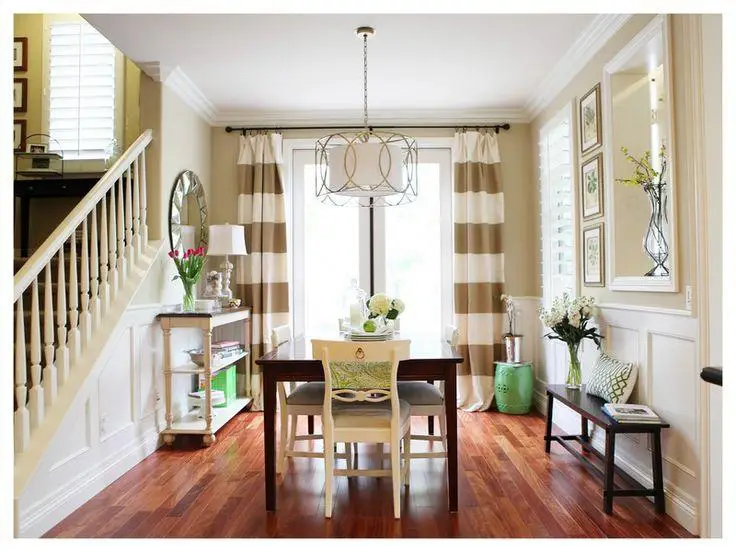
Horizontal stripes on curtains visually expand the space.
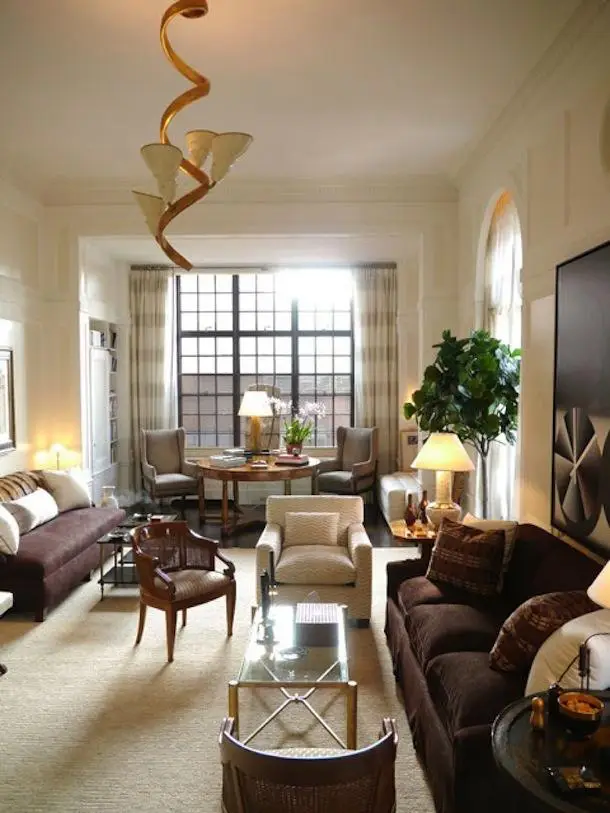
Natural light effectively solves problems in small spaces. If possible, keep windows fully open.
Break vertical lines
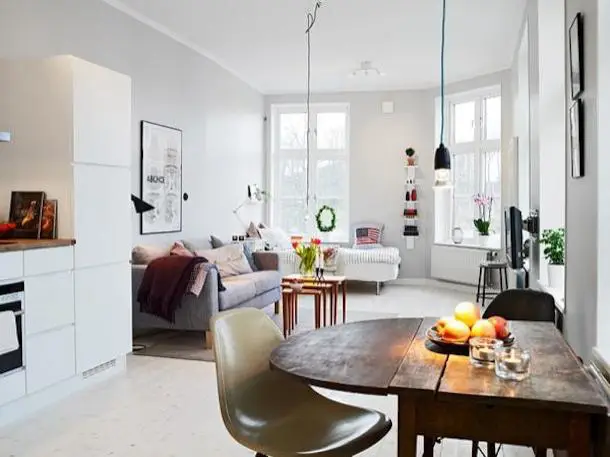
Placing all furniture along the long walls often creates a train-like effect. To avoid this, place a small sofa across the room, and use armchairs and poufs of different shapes and sizes.
A corner sofa works on the same principle and is an effective solution for narrow spaces.
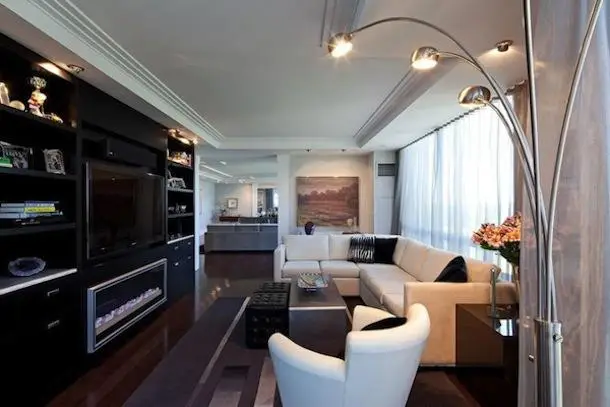
Soften the corners
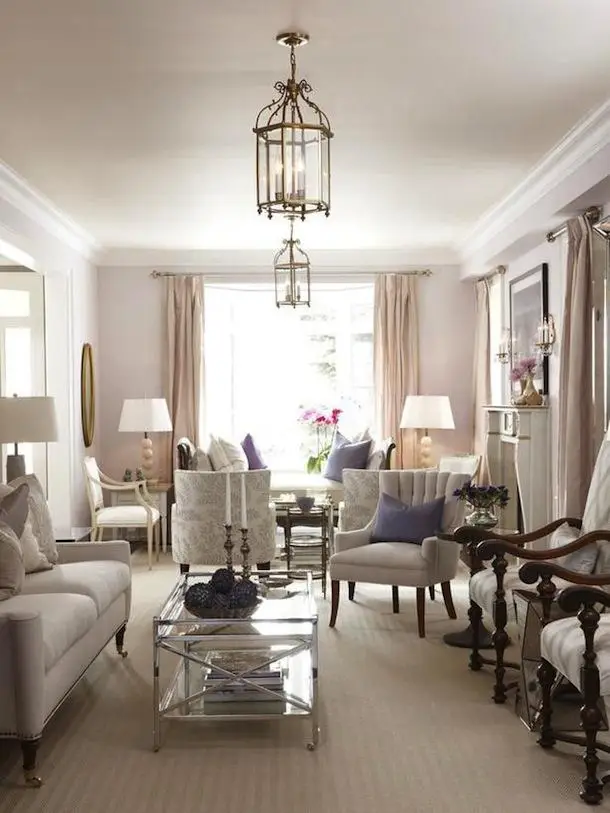
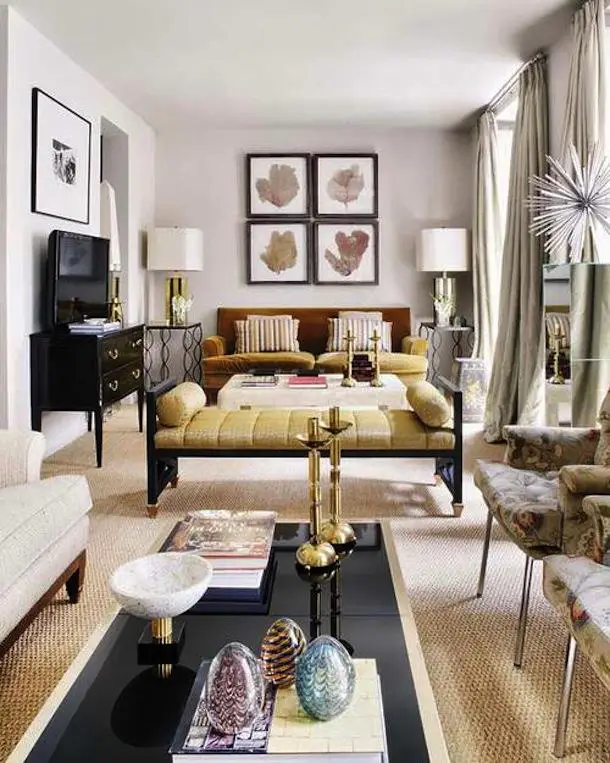
A round coffee table, pouf, lamp, mirror, or wall panel—all these help soften sharp lines and eliminate the tunnel effect in narrow rooms.
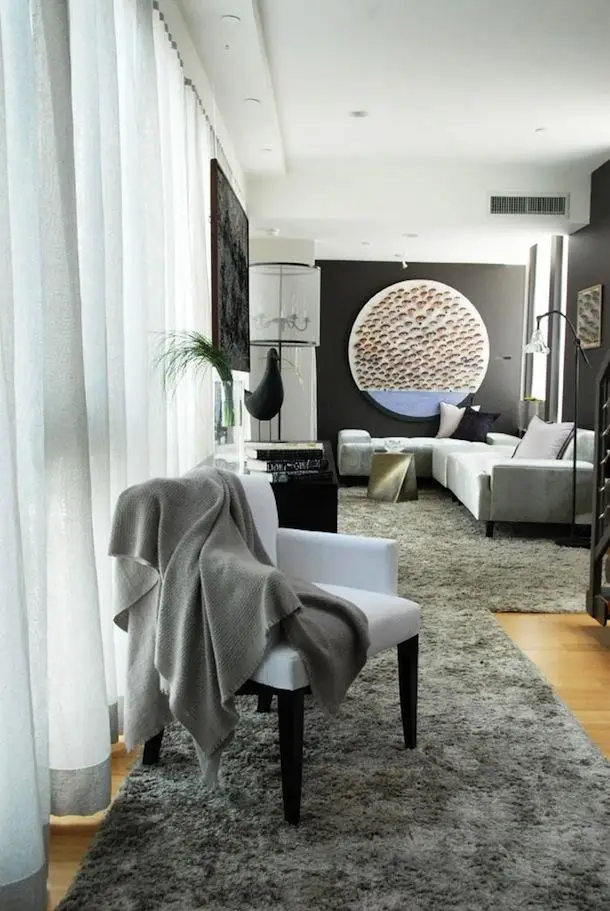
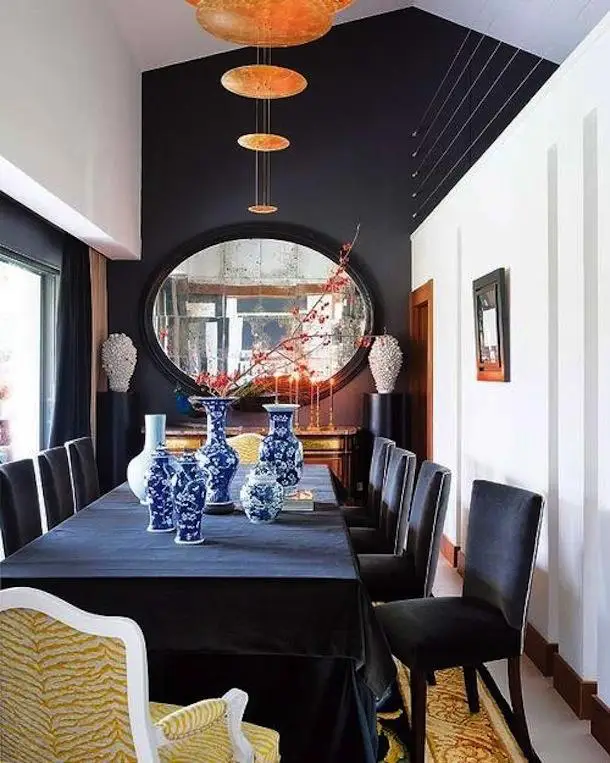
Ensure free movement
The main challenge in arranging furniture in a narrow room is ensuring a clear path from one area to another. Ideally, keep a straight line from door to window, as a zigzag path risks knocking over vases, floor lamps, and causing bruises from collisions with tables and chairs.
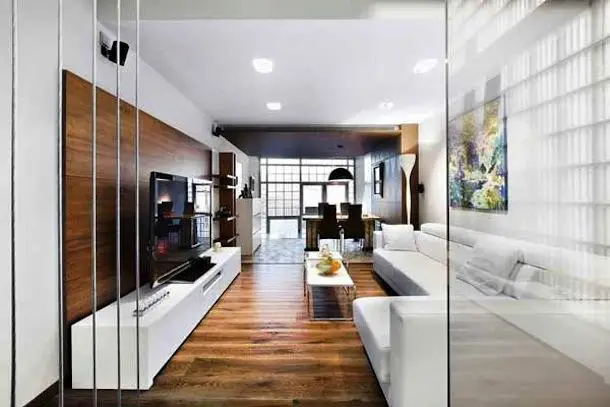
Use vertical space
Make full use of space up to the ceiling to avoid extra side tables and cabinets. Hang shelves on walls instead of installing low cabinets and dressers.
An ideal solution for elongated rooms: full-wall sliding wardrobes installed along the narrow sides—simplest way to bring the room’s perimeter closer to a square and solve storage issues in small apartments.