Heating and Air Conditioning Systems in Modern Construction
Heating, ventilation, and air conditioning (HVAC) systems are among the most critical aspects of the construction industry. Architects must design buildings that are both functional and visually appealing, while also analyzing how their projects may impact future HVAC systems.
Improperly designed air conditioning systems can lead to higher costs over time when problems arise. Additionally, such systems may generate unnecessary noise or poor air quality, negatively affecting health and productivity. Here are other features of HVAC systems;
Heating, ventilation, and air conditioning (HVAC) systems are among the most critical aspects of the construction industry. Architects must design buildings that are both functional and visually appealing, while also analyzing how their projects may impact future HVAC systems.
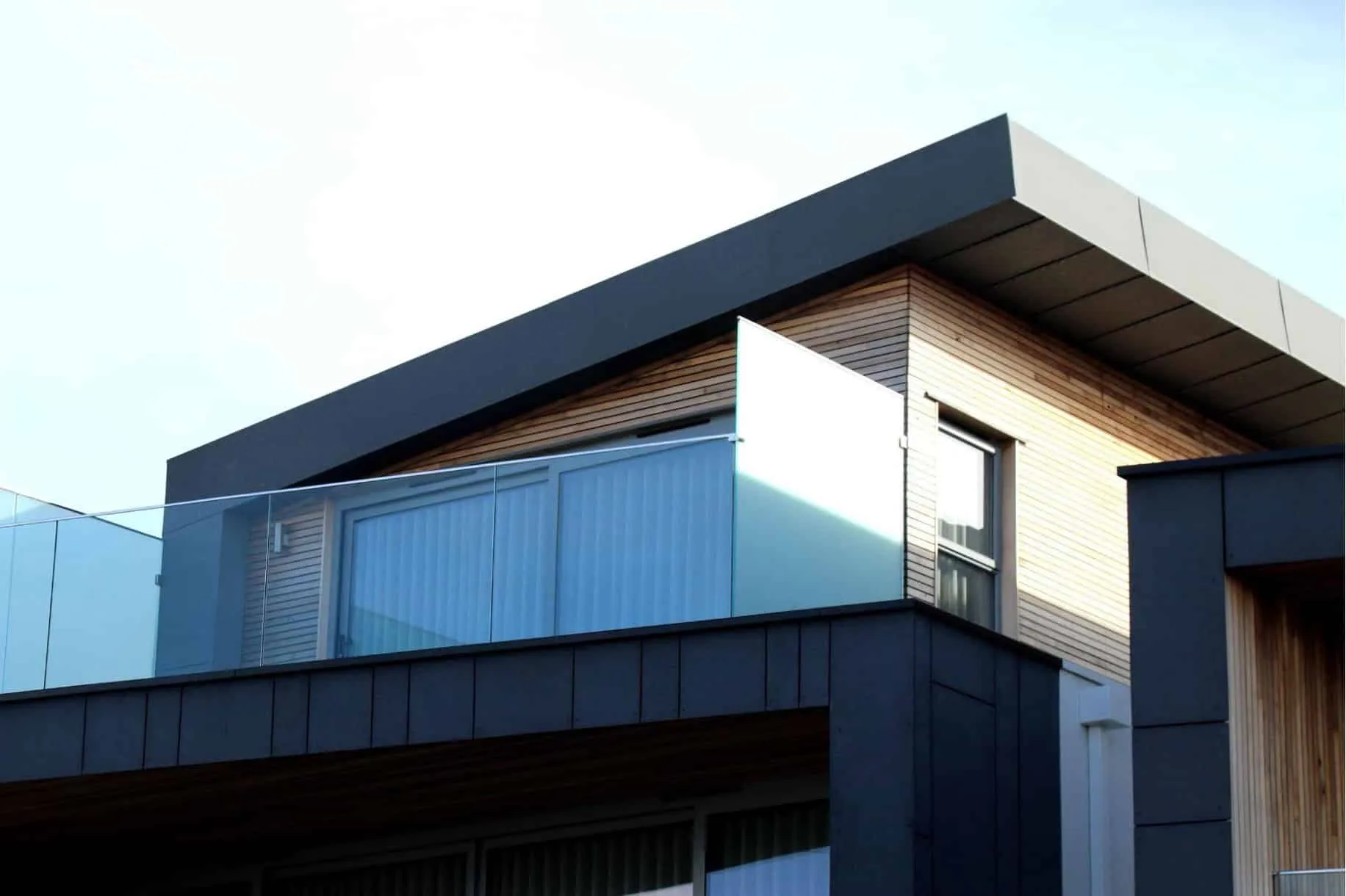
Improperly designed air conditioning systems can lead to higher costs over time when problems arise. Additionally, such systems may generate unnecessary noise or poor air quality, negatively affecting health and productivity. Here are other features of HVAC systems;
Understanding the Value of HVAC Systems in Architecture
A common misconception is that HVAC systems are only useful when they're turned on and cooling buildings. This is nearly incorrect. Comfort zones are one of the most overlooked elements in HVAC planning. When designing zones, it's important to choose temperature types where people prefer to spend time.
Maintaining Constant Humidity Levels
Air humidity levels are crucial for a comfortable home environment. Excessive humidity can cause discomfort in the room. Children and elderly people especially need HVAC systems, as they are more susceptible to illness due to environmental conditions.
External factors like sunlight and other ecological conditions cannot be isolated from the indoor quality of any building. In turn, HVAC systems play a vital role in managing room conditions. They monitor temperature and ensure sufficient clean air in the rooms. Balanced indoor humidity makes everyone happy and healthy during their stay.
Controlling Home Temperature
One of the most important functions of your HVAC system is maintaining a comfortable home temperature. Heat is generated in your home's air conditioning system and other devices such as boilers and fireplaces. You should hire a competent AC repair company to properly install and maintain the equipment.
Energy-Saving Systems
HVAC systems are an excellent strategy for sustainable energy use if you want to save money. Since heating and cooling consume the most energy, HVAC can benefit from these aspects. Therefore, it's important to understand how your actions impact real estate.
A functional system reduces costs by consuming less energy, saving money in the long run considering repair expenses. Initial installation costs may be high, but this investment pays off over time due to wear or breakdowns.
Types of HVAC Systems
Since ductwork and air piping must be determined before installing ceilings on each level, choosing an HVAC system can be done during the building design phase.
Review the building project with an architect and visit the construction site to inspect conditioning. The next step should be selecting a suitable HVAC system. You may encounter various models on the market, but they must fall into one of the following categories:
Constant Airflow System
Due to their efficiency in maintaining a constant airflow, HVAC systems are typically installed in large buildings. They regulate air temperature as needed. Air is supplied from outside and distributed through ducts. Most high-traffic commercial buildings such as shopping centers, airports, and supermarkets prefer this approach.
Variation Airflow Systems
Another HVAC option for commercial buildings is a variable airflow system. Its main function is to increase or decrease pre-heated or cooled air flow through pipes and into the room.
Hybrid Heat Split System
The components of a hybrid heat split system include ducts, boilers, and evaporator coils. Additionally, it has a heat pump for heating and cooling. Unlike traditional split systems, the hybrid system starts working with electricity.
Multi-Zone System
This type of HVAC system is ideal for workspaces. It offers many options to customize temperature according to your preference. You can adjust the temperature in one room without affecting others.
HVAC has good variety, so recommending a specific model is difficult. You can make a rational decision if you know all options. When choosing the right installation type, project analysis, goals, and location are important factors. Contact Polestar for additional information and quality installation of your systems at an affordable price.
Energy-Saving Methods with HVAC Systems in Modern Architecture
Modern HVAC design, especially for commercial buildings, focuses on energy consumption. To reduce overall costs, existing systems include efficient use of energy in the form of policies and equipment.
Many advanced technical systems feature real-time monitoring, allowing property owners to stay informed about preferences and make changes from anywhere via Wi-Fi.
Infrared Radiant Heaters
Compared to older methods, infrared heating is more efficient as it heats upward rather than downward. Heat supplied from the ceiling stays there because hot air rises, leaving lower levels cooler.
Before rising, infrared heaters warm the lower levels. Large commercial buildings such as warehouses, storage facilities, and arenas benefit from this. Zone heating can be supplemented with infrared radiant heaters.
Energy Management Systems
Energy management systems are designed to reduce the amount of energy wasted in commercial buildings. To ensure optimal energy consumption and comfortable heating and cooling conditions for occupants, energy management systems integrate building automation with powerful software.
HVAC Systems Maintain Coolness in Modern Architecture
HVAC systems help improve air quality in buildings, making them more suitable for breathing and comfort. They reduce humidity levels, allowing occupants to enjoy a more pleasant environment. This is especially useful in buildings or underground spaces with limited ventilation.