How to Start Creating a Garden in Your Own Home
It may seem difficult to achieve your goals in landscape design if you don't know where to start. Overgrown plots can be transformed into well-maintained gardens. But how can you turn a boring yard into a beautiful garden?
Even if you have a green thumb, renovating your front or back yard requires time and planning. While your favorite TV shows may show that this can be done over the weekend, it's not really like that. You need to consider time and resource costs, as well as the equipment needed to change the look of your backyard or lawn.
You'll need a hoe, wheelbarrow, small excavator, shovel, leaf blower, and irrigation equipment to move things, work with materials, dig holes for garden projects, and perform other tasks on the site.
If you're ready to get your hands dirty and start working on-site, keep reading to learn how some basics of landscape design will help you get started.
Create a Plan
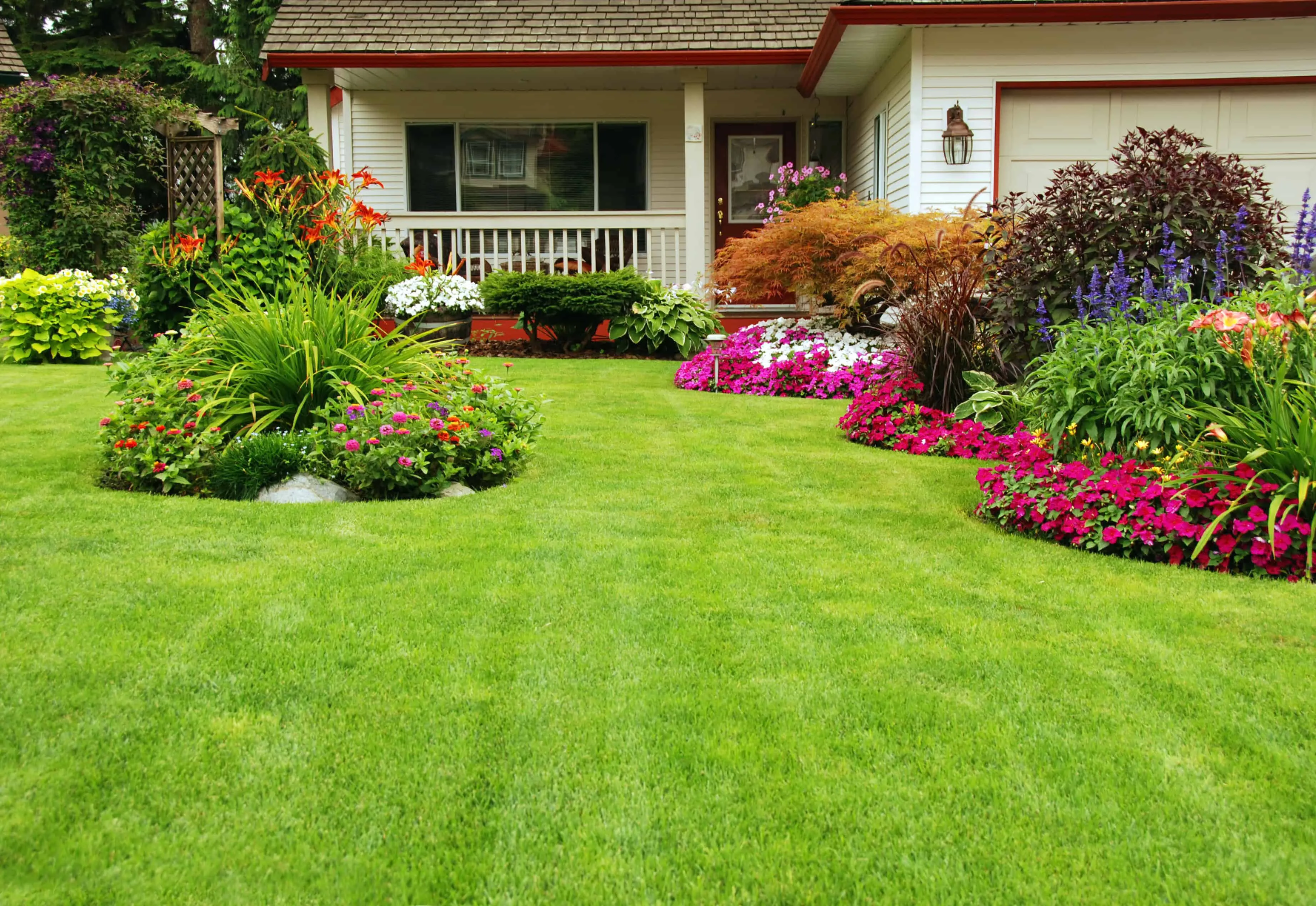
Plan your garden on paper or computer like a landscape designer. This way, you can create an attractive design and understand where things don't fit or there are gaps to fill. Look at gardening books and magazines, or find inspiration on sites like Pinterest. Visit gardens. This will help you see many ideas and images useful for planning your future garden. Identify your preferences in landscape design, colors, and aesthetics.
Consider water sources, movement patterns, and requirements such as grassy areas for pets or a small play area for children. Add existing trees and objects, and consider the sun's path across your property to promote growth of plants that prefer sun or shade.
Set a Budget
A beginner may underestimate the cost of landscape design. Planting and mulching alone can be expensive, and that's just a small part of the work. Research all project costs to set realistic goals. Always allocate funds for unexpected expenses.
Assess the Site and Garden Project
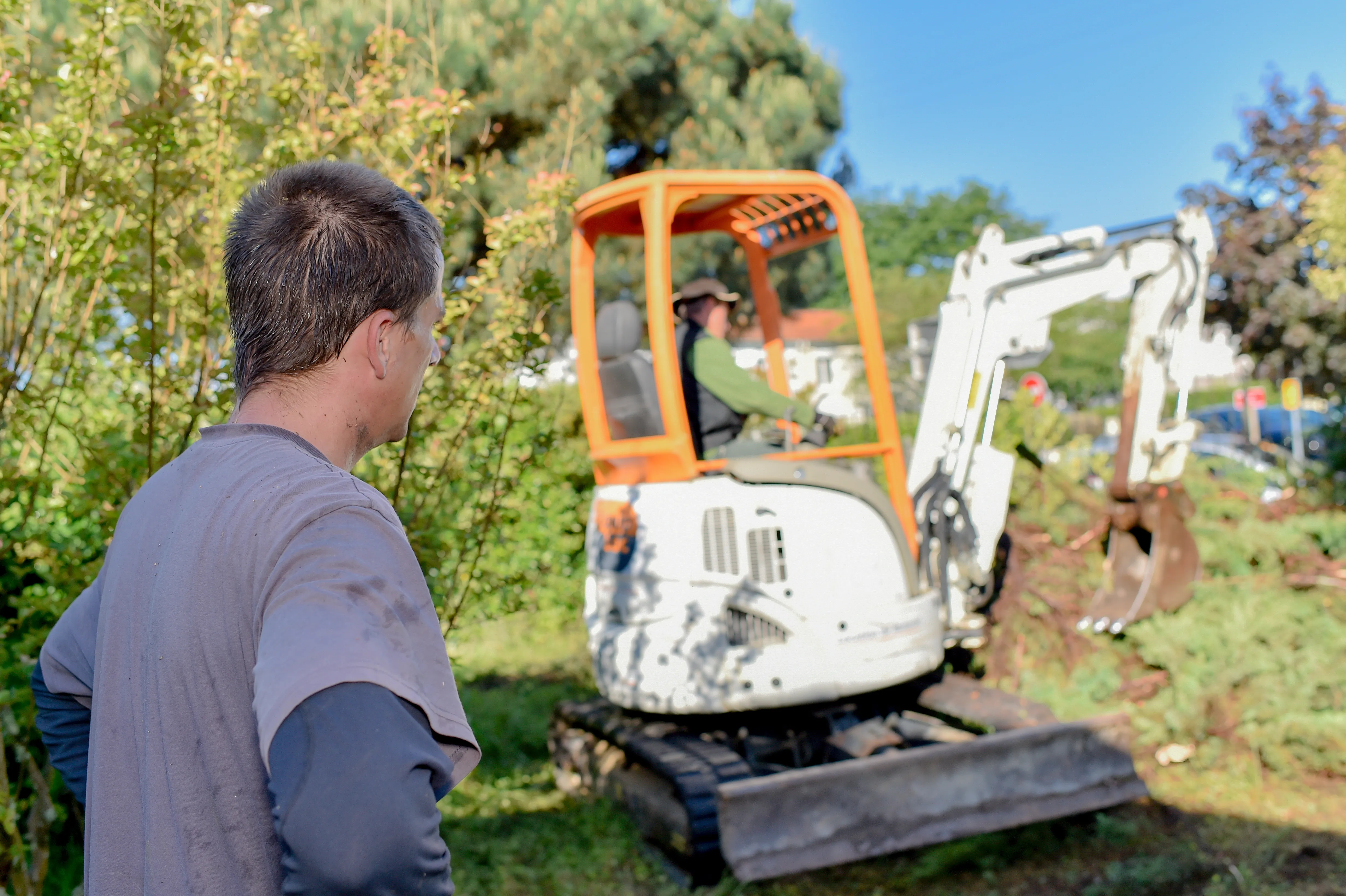
This is an important topic when planning landscape design. The main goal is to identify potential problems so that efforts and materials are correctly prepared – saving time and money in the long run.
Are there trees blocking access to main work areas? Ground level? If yes, are there existing structures or features that need removal or modification? Knowing the answers to these questions will help you visualize steps in your landscape project.
Determine Where to Start
Regardless of whether your goal is big or small, completing everything in a week is unlikely. Even if you hire a professional, it will take time and effort. Choosing what to do first helps you move forward while keeping a clear mind. Continue breaking down the plan into manageable parts with realistic timelines.
Consider Themes
The choice of plants and materials can depend on the theme. Create a relaxing garden using regular shapes or lines. Consider your home's architectural style when choosing the theme for your yard. Always remember that your yard is an extension of your home.
Do you like landscapes with clean geometric patterns? Do you prefer more natural lines? Want a minimalist design? Use these questions to choose your garden theme.
Choose the Right Plants
Study your landscape before planting. Observe places where the sun rises and sets. Some plants prefer morning sun but not midday sun. Consult with a local garden center about the plants you want to plant in your garden.
Grasses, vegetables, roses, and many flowering varieties require five or more hours of sunlight daily, so distribute your spaces accordingly.
Keep It Simple
Often, the best solution is the simplest one. The final result doesn't have to be complex. Instead, focus on the essentials. Start with a structure that allows easy transition from indoor space to flower garden, vegetable patch, or patio. Often the best design ideas are simple. For example, a path through your lawn that ignores existing walkways might point to the most interesting composition.
Additionally, you can use planters, hanging baskets, and window boxes for finishing touches – simple and excellent ways to add color to your garden. This can also make the entrance area more appealing if you group several planters or containers together. If you have multiple planters, use the same plant or color in each for consistency. Too many different colors can look disorganized.
Conclusion
By planning ahead, you can spread out the work and expenses over several months. Keep working on one section or aspect at a time to avoid feeling overwhelmed. Remember that this should be fun – you're creating your personal space. Small, regular improvements can turn your garden into paradise.