The Fabric Guide You Need For Creating A Bean Bag Chair
Bean bag chairs have evolved far beyond the squeaky vinyl sacks of decades past. Today, they serve as versatile, sculptural lounge seating that fits effortlessly into modern living rooms, sunny patios, children’s playrooms, and home theaters. Whether you are sewing your own DIY cover or choosing a high-end designer lounger, selecting the right textile is the single most critical decision you will make for both comfort and durability.
The ideal cover material must balance skin-friendly tactile comfort, tensile strength, abrasion resistance, and ease of cleaning. When we evaluate cover options, we also have to account for where the lounger lives, how heavily it will be used, and whether it faces spills, sunlight, or pet claws. If you are shopping around for pre-made seating options, ArchitectureLab.net has a great list of high-performing models to inspire your search.
Key Takeaways
- Always construct a bean bag with two independent layers: a durable decorative outer shell and a tightly woven synthetic inner liner to contain EPS beads.
- Heavyweight 10 to 14 oz cotton canvas and stain-resistant microsuede offer the best balance of breathability, skin comfort, and durability for indoor family living.
- Outdoor bean bags require solution-dyed acrylic to prevent UV fading or 600D to 900D polyurethane-backed polyester for a completely waterproof barrier.
- Look for upholstery textiles rated at 30,000 double rubs or higher to withstand pet claws and repeated friction without wearing thin.
- Sew high-stress panels with heavy-duty bonded polyester thread (size V-69) and flat-felled seams to avoid blowouts when sitting down.
- Install child-safety locking zippers or hidden plackets to keep children and pets safe from inhaling loose fill.
Best Fabric for Bean Bag Chair: The Complete Indoor and Outdoor Guide
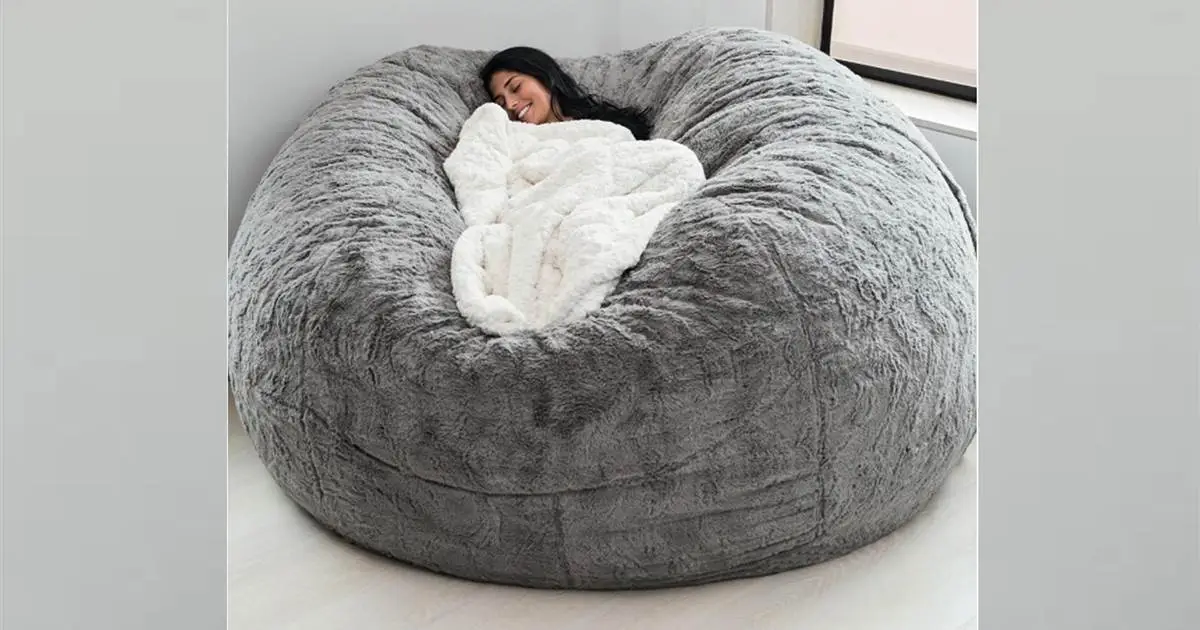
In this guide, we break down the leading textiles for indoor and outdoor bean bags, examine the essential difference between outer shells and inner liners, and outline the construction details that ensure your chair lasts for years.
Understanding Bean Bag Anatomy: Outer Shell vs. Inner Liner
Always build your chair with an independent, tightly woven inner liner so you can wash the outer cover without letting thousands of static-charged EPS beads escape.
A well-constructed bean bag chair is almost never a single layer of fabric filled with loose beads. Using an independent inner liner inside an outer decorative cover is the golden rule of functional bean bag design. This two-tier system lets you unzip and wash the outer cover without unleashing thousands of static-charged expanded polystyrene (EPS) beads across your floor.
The demands placed on these two layers are entirely different:
- The Outer Shell: This layer handles direct mechanical wear, friction, body oils, sunlight, and aesthetic presentation. It requires a heavy weave, robust tensile strength, and pleasant surface texture.
- The Inner Liner: This layer exists purely to contain the fill securely. It needs high weave density so tiny micro-beads cannot poke through the pores of the weave. At the same time, it must offer enough flexibility or stretch to allow the fill to shift naturally beneath your body weight.
For inner liners, we recommend breathable, tightly woven synthetic fabrics such as ripstop nylon, polyester taffeta, or lightweight stretch interlock knits. Inexpensive cotton muslin works well for shredded memory foam fill, but its looser weave can occasionally allow tiny virgin EPS beads to work their way through over time.
Best Indoor Fabrics for Bean Bag Chairs
Indoor spaces allow you to prioritize soft textures and rich colors without worrying about direct rainfall or harsh UV exposure. However, everyday living introduces friction, spilled drinks, and pet activity, which means interior fabrics must still possess serious structural integrity.
1. Cotton Canvas and Cotton Drill
Cotton canvas is a classic choice for casual, family-friendly loungers. Woven cotton canvas delivers exceptional breathability and skin comfort, ensuring you stay cool during extended lounging sessions. Heavyweight cotton duck (between 10 oz and 14 oz per square yard) provides the tensile strength needed to hold up against rowdy kids and active pets without tearing.
While natural cotton absorbs moisture easily and can wrinkle, it softens beautifully over repeated machine washings. If you want a tailored look with crisp lines, cotton drill offers a subtle diagonal twill weave that resists snagging.
2. Denim
Denim is essentially a rugged cotton twill dyed with indigo or modern colorfast pigments. It brings an informal, casual aesthetic to informal basements, gaming dens, and creative studios. Heavyweight 12 oz to 14 oz denim withstands aggressive daily friction exceptionally well. Keep in mind that raw, unwashed denim can transfer dye onto lighter clothing or light-colored carpets, so always preshrink and launder denim yardage before sewing or using your cover.
3. Microsuede and Faux Suede
Microsuede is an engineered polyester textile woven from microfibers that mimics the plush nap of animal suede. It remains one of our favorite indoor choices because it marries high-end sensory comfort with surprising resilience. High-density polyester microfibers resist liquid absorption initially, giving you time to blot away spills before they penetrate the fibers.
While brands like Big Joe rely heavily on plush microsuede for structured family loungers, other ergonomic loungers take different routes. For example, Moon Pod uses a specialized synthetic blend of polyester, cotton, and spandex to achieve responsive, zero-gravity contouring rather than a traditional napped microsuede.
4. Velvet and Wide-Wale Corduroy
Velvet and ribbed corduroy have made a massive resurgence in contemporary interior design. Modern performance velvets woven from 100 percent polyester offer deep, light-catching luster while delivering impressive rub-count ratings on the Martindale scale. Wide-wale corduroy introduces architectural texture and nostalgic warmth, making oversized floor cushions feel grounded and tactile. Both fabrics hide minor scuffs well, though they do tend to collect pet hair and require occasional light vacuuming with an upholstery brush.
5. Faux Leather and Polyurethane (PU)
For sleek, modern living spaces or gaming lounges where food and drink are common, polyurethane (PU) faux leather provides a sophisticated look. High-quality PU mimics the grain, suppleness, and hand of genuine hide while remaining cruelty-free and substantially more affordable.
Unlike porous natural fibers, polyurethane is completely non-porous: spills, pet accidents, and crumbs wipe clean instantly with a damp microfiber cloth. However, faux leather offers minimal breathability, meaning it can feel warm or slightly sticky against bare skin during humid summer months.
6. Genuine Leather
If your goal is an heirloom statement piece, genuine top-grain or full-grain leather is unmatched. Natural hide stretches gently to conform to your posture, develops a rich patina over decades, and exudes timeless luxury. Nevertheless, genuine leather demands careful upkeep: it requires routine conditioning to prevent drying and cracking, and it is expensive to purchase in the large, flawless yardage required to tailor a seamless bean bag sphere.
Best Outdoor and Waterproof Bean Bag Fabrics
For outdoor bean bags exposed to rain and sun, choose solution-dyed acrylic for breathable fade resistance, or 600D to 900D backed polyester for tough waterproofing.
Moving a bean bag outdoors to a deck, patio, or poolside setting exposes the textile to relentless sunlight, chlorinated water, humidity, and mildew spores. Standard indoor cottons and untreated knits will fade, rot, and weaken quickly in those conditions.
1. Solution-Dyed Acrylic
Solution-dyed acrylic is the premier standard for outdoor performance textiles. In this manufacturing process, the color pigments are blended directly into the liquid polymer solution before the fibers are extruded, locking the hue throughout the entire cross-section of the yarn. Solution-dyed acrylic fabrics resist sun bleaching, chlorine fading, and UV fiber breakdown far better than standard piece-dyed textiles. They remain soft, breathable, and water-repellent, preventing the hot, plastic-sheet feel common to lower-grade outdoor loungers.
2. 600D to 900D Oxford Polyester with Waterproof Backing
When you want an affordable, highly functional outdoor lounger, high-denier polyester with a PVC or polyurethane backing is the workhorse option. The denier rating (marked as “D”) indicates fiber thickness: 600D provides a solid balance of pliability and strength, while 900D offers puncture resistance capable of withstanding rough stone patios and gravel.
Polyester is inherently durable and long-lasting, resisting abrasion and tearing under heavy loads. The inner backing ensures that water cannot penetrate into the bead core, though prolonged pooling water should still be brushed off to prevent standing surface grime.
3. Marine-Grade Vinyl
Used extensively in boat upholstery and poolside commercial furniture, marine-grade vinyl is impervious to moisture and simple to disinfect. It withstands chlorinated splashback, sunscreen lotions, and severe downpours without soaking through. Its primary limitation is breathability: it traps heat rapidly under direct summer sun, so we suggest positioning marine vinyl loungers in shaded cabanas, covered porches, or beneath pergolas.
Comparing Bean Bag Fabrics: Durability, Care, and Best Uses
To help you decide which material aligns with your lifestyle, room layout, and cleaning preferences, we have summarized the technical attributes of each primary fabric category below.
| Fabric Material | Primary Setting | Breathability & Comfort | Water & Stain Resistance | Cleaning & Maintenance |
|---|---|---|---|---|
| Cotton Canvas (10-14 oz) | Living rooms, playrooms | High breathability, soft natural feel | Low (absorbs liquids quickly) | Machine wash cold, tumble dry low |
| Microsuede / Faux Suede | Bedrooms, family dens | Medium breathability, plush velvet hand | Medium (resists quick spills if blotted) | Spot clean or delicate cycle, air dry |
| Wide-Wale Corduroy | Living rooms, home libraries | Medium-high breathability, rich texture | Low to medium | Machine wash gentle inside out |
| Polyurethane (PU) Faux Leather | Offices, media rooms | Low breathability, smooth finish | High (waterproof, stain-resistant) | Wipe down with damp cloth and mild soap |
| Solution-Dyed Acrylic | Patios, decks, sunrooms | High breathability, fabric-like finish | High (water-repellent, mold-resistant) | Hose down, wash with mild bleach-soap mix |
| 600D Oxford Polyester (PU/PVC backed) | Pool decks, lawns, camping | Low breathability, firm canvas hand | High (fully waterproof surface barrier) | Wipe clean or spray with garden hose |
Bean Bag Sizing and Proportions for Every Room
Scale and volume directly dictate how much yardage you need for a DIY build and how much floor space the finished lounger commands. Choosing the correct footprint ensures the chair delivers adequate ergonomic lumbar support rather than leaving you bottomed out on the subfloor.
Kids Bean Bags
Designed specifically for smaller frames, children’s bean bags typically measure between 28 and 36 inches in diameter. These loungers provide a snug, supportive nest for reading, gaming, or sensory decompression. When outfitting sensory corners or calming nooks for little ones, pairing a child-sized lounger with calming sensory accessories, such as the therapeutic items available through kids bean bags, creates a balanced and restorative environment. Choose tear-proof cotton drill or 600D polyester that handles spills and roughhousing without failing.
Large Bean Bags for Teens and Dorm Rooms
Measuring roughly 40 to 48 inches across, this mid-sized category is the standard for dorms, apartments, and secondary living areas. It fits adolescents and average-height adults comfortably while retaining a compact footprint that can be tucked into a corner when not in use. Corduroy, denim, and performance microsuede are ideal here, blending durability with a relaxed aesthetic.
XL and XXL Loungers for Adults
Spanning 54 inches to well over 72 inches across, these expansive loungers behave more like daybeds or low-profile sofas. They can comfortably accommodate full-grown adults or multiple family members curled up together. Because of the sheer mass of filling inside an oversized lounger, heavy-duty fabrics like double-faced performance velvet, heavyweight cotton duck, or structured upholstery chenille are essential to keep the seams from splitting under sudden dynamic pressure.
Construction, Sewing, and Safety Essentials
Reinforce all main stress seams using bonded polyester thread and flat-felled joinery, and always install child-safety locking zippers to keep loose beads sealed inside.
Selecting a strong textile is only half the battle: the integrity of any bean bag rests entirely on its structural tailoring and seam joinery. The explosive outward pressure exerted when an adult drops onto a bean bag can blow through standard garment seams in seconds.
Keep these construction best practices in mind whether you are inspecting a store-bought model or sewing your own cover:
- Double-Stitching and Flat-Felled Seams: Always use a heavy-duty bonded polyester or nylon thread (size V-69 or Tex 70) rather than standard household all-purpose cotton thread. Sew seams using a flat-felled or reinforced topstitched French seam to distribute stress across two distinct stitch lines.
- Child-Safety Lock Zippers: Safety regulations across many regions mandate child-resistant closures on bean bags to prevent young children from unzipping the shell and inhaling or ingesting loose EPS foam beads. Look for locking zipper sliders that require a paperclip or safety key to release, or install a covered dual-zipper placket that hides the pull tab securely inside a fabric tunnel.
- Zipper Guard Flaps: Incorporate a wide fabric flap over the zipper teeth. This prevents the metal or nylon teeth from scratching hardwood floors or catching on wool carpets when dragging the lounger from room to room.
- Abrasion Ratings and Pet Safety: If you share your home with cats or dogs, verify the fabric’s Wyzenbeek or Martindale abrasion score. Look for textiles rated at 30,000 double rubs or higher, and favor tight, smooth micro-weaves over loose, looped weaves (like bouclé or loose tweeds) that snag under sharp claws.
How to Clean and Maintain Your Bean Bag Cover
Consistent care prolongs the life of both your fabric cover and the interior filling. While inner EPS beads inevitably compress over time and require occasional top-offs, preserving the outer shell keeps your furniture looking and smelling fresh.
For machine-washable outer covers made of cotton, denim, or microsuede, always zip the cover completely closed before placing it in the washing machine. This keeps the zipper teeth from biting into and fraying the fabric during the spin cycle. Wash in cold water using a gentle cycle with mild, bleach-free detergent, and tumble dry on low heat or hang dry to avoid shrinkage that could make reinserting the inner liner frustratingly difficult.
For outdoor polyester and solution-dyed acrylic covers, routine care is straightforward: brush off loose pollen and leaves every week, and wipe down stubborn bird droppings or tree sap promptly using lukewarm water and mild dish soap. When the colder, rainy months arrive, bring your outdoor loungers into a shed, garage, or dry storage trunk to prevent mold growth on the seams and prolong the lifespan of the waterproof backing.
Conclusion
Finding the best fabric for your bean bag chair comes down to aligning material performance with the realities of your living space. If you want unmatched sensory warmth and visual texture for an indoor lounge, performance velvet, plush microsuede, and breathable cotton canvas are top-tier selections. For outdoor patios, sun-drenched pool decks, or high-spill family basements, turn to solution-dyed acrylic or rugged 600D backed polyester to guard against water, fading, and everyday wear.
By combining a sturdy, tightly woven outer shell with an independent inner liner, reinforced double-stitched seams, and a reliable child-safety zipper, you will create a supportive, stylish piece of lounge furniture that stands up to years of daily relaxation.