How to Maintain Your Home Through The Whole Year
When you purchase a property, one of the first questions you must answer is how much time and money it takes to preserve your investment. A structured home maintenance calendar turns overwhelming property upkeep into manageable, routine tasks that prevent expensive structural failures. In this guide, we break down essential home maintenance into practical monthly habits and seasonal checklists, share realistic budgeting rules, and help you decide when to handle a repair yourself or call a licensed contractor.
A well-maintained home does far more than look clean. Regular preventive care preserves indoor air quality, reduces utility bills, prevents water intrusion, and protects your home equity over decades of ownership.
Key Maintenance Takeaways
- Budget 1% to 2% of your property value annually to cover ongoing maintenance and structural repairs.
- Complete quick monthly checks on HVAC air filters, GFCI outlets, and smoke detector batteries.
- Inspect roof flashing, clear gutters, and ensure downspouts discharge at least 5 feet away from foundations every spring.
- Seal exterior woodwork, clean AC condensate lines, and inspect foundation joints for pests during summer.
- Shut off exterior water valves, blow out sprinkler systems, and service heating equipment before autumn ends.
- Keep indoor thermostats set to at least 55 degrees during winter freezes to prevent hidden pipes from bursting.
The Essential Home Maintenance Checklist: A Year-Round Guide to Protecting Your Property
Establishing Your Annual Home Maintenance Budget
Set aside 1% to 2% of your home purchase price or $1 per square foot each year to cover regular maintenance and prevent costly emergency repairs.
Before picking up a hammer or testing an outlet, you need a financial safety net for routine servicing and unexpected repairs. A dependable home maintenance budget protects you from turning minor component wear into high-interest emergency debt. Setting aside dedicated funds every month ensures you can address roof damage, boiler trouble, or foundation shifts before they escalate.
In residential architecture and building management, two primary benchmarks help calculate baseline maintenance costs:
- The One Percent Rule: Set aside 1% to 2% of your home’s total purchase price each year for ongoing repairs and maintenance. For example, a $400,000 home requires roughly $4,000 to $8,000 annually ($330 to $665 per month).
- The Square Footage Rule: Budget a baseline of $1 per square foot of living space per year. A 2,500-square-foot home calls for approximately $2,500 annually in basic upkeep.
Keep in mind that these numbers represent minimum guidelines. If your home features historic millwork, custom architectural finishes, complex mechanical systems, or harsh freeze-thaw winter exposure, we recommend leaning toward the higher 2% to 3% range. If you want to estimate specific trade tasks such as exterior painting or masonry repointing, websites like PriceYourJob offer reliable benchmarks for regional labor and material costs.
Monthly Home Maintenance Checklist: Essential Preventive Care
Taking thirty minutes once a month to inspect key safety features keeps your living spaces safe and mechanical systems running efficiently. Completing small monthly tasks prevents gradual wear from escalating into severe equipment failure. You do not need professional training to tackle these routine checks.
- Inspect and replace HVAC air filters: Clean filters ensure optimal airflow and protect blower motors. In homes with pets, allergies, or high summer cooling demand, check them monthly.
- Test smoke alarms and carbon monoxide detectors: Press the test button on each unit across every floor, ensuring batteries function and audible sirens sound clearly.
- Test GFCI outlets: Press the “Test” button on ground-fault circuit interrupter outlets in your kitchen, bathrooms, laundry room, and exterior walls, then press “Reset” to verify the circuit trips properly.
- Clear dryer exhaust vents: Pull lint from the lint trap after every load, and inspect the exterior wall vent hood monthly to verify the flapper opens freely and no lint blockage builds up.
- Inspect under-sink plumbing: Run your hands along the P-traps and shut-off valves beneath kitchen and bathroom sinks to detect slow drips before they rot cabinetry.
- Clean kitchen range hood filters and disposals: Degrease aluminum range hood filters in hot soapy water, and clean the garbage disposal using citrus peels or baking soda and vinegar.
Spring Home Maintenance Checklist: Inspecting and Restoring
Direct bulk rainwater at least 5 to 6 feet away from your foundation walls in spring to avoid basement seepage and soil subsidence.
Spring marks the beginning of the exterior maintenance cycle as winter snow melts and ground conditions soften. Your primary goal during spring is assessing winter damage, managing exterior water flow, and preparing cooling equipment for summer heat. Thorough spring upkeep prevents damp conditions from attacking your foundation and exterior envelope.
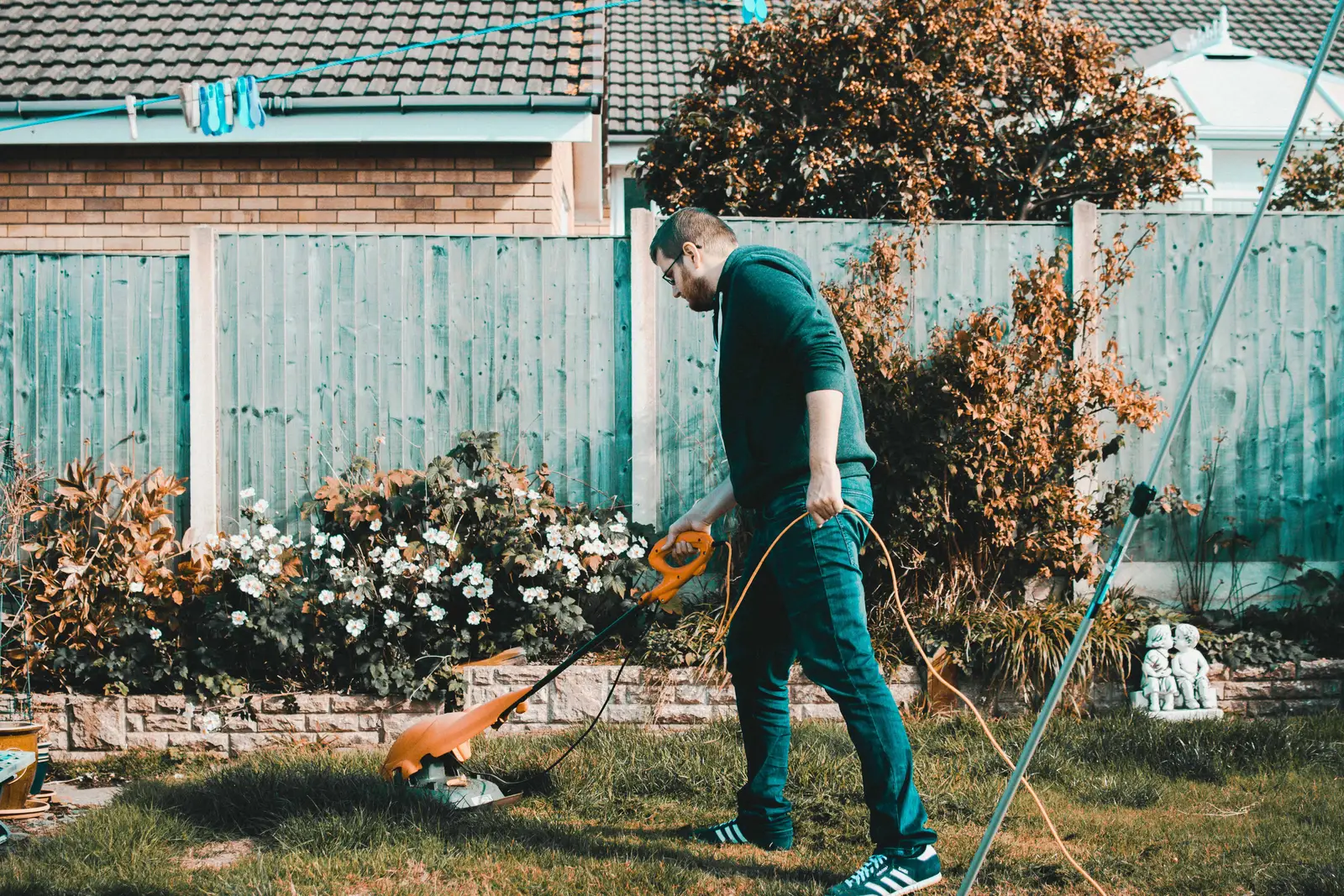
Photo by Lisa Fotios from Pexels
Exterior Roof, Gutters, and Water Drainage
Walk around your property with binoculars to inspect the roof for cracked, missing, or curling shingles, paying special attention to flashing around chimneys and vent stacks. Directing bulk rainwater away from your foundation is the single most effective way to prevent basement leaks and soil subsidence. Clear winter debris from gutters, check that channels slope correctly toward downspouts (roughly 1/4 inch per 10 feet), and ensure downspout extensions discharge water at least 5 to 6 feet away from foundation walls. Check perimeter grading so soil slopes downward away from the house at a minimum slope of 6 inches over the first 10 feet.
Deck, Patio, and Siding Care
Inspect timber decking for soft boards, loose fasteners, and peeling sealant. Sweep winter debris from deck plank gaps to allow proper drainage, then wash the surface with a gentle cleaner. Check your exterior siding for cracked caulk around windows and door trim. Spring provides moderate temperatures and stable humidity, making it an ideal season for exterior caulking and touch-up repainting.
Air Conditioning and Landscaping Prep
Before outdoor temperatures climb, clear leaves and brush away from your exterior condenser unit, keeping a two-foot clearance zone for proper air circulation. Rake thatch and remaining dead leaves from lawn turf, reseed bare patches, and refresh garden beds with compost and mulch. If you own an in-ground swimming pool, spring is when you remove the winter safety cover, reassemble the filtration equipment, and balance water chemistry for the sunny months ahead.
Summer Home Maintenance Checklist: Mid-Year Upkeep
Summer maintenance balances outdoor upkeep with interior climate control so you can enjoy warm afternoons with peace of mind. With warm, dry weather prevailing, summer is the optimal time for wood preservation, exterior painting, and checking ventilation systems. Setting aside a single weekend early in the season lets you complete these tasks without cutting into vacation time.
Cooling System and Indoor Air Quality
Air conditioning systems run continuously during heat waves, placing heavy mechanical stress on compressors and blower fans. Regular filter maintenance keeps cooling coils from icing over and maintains healthy indoor airflow. Inspect your condensate drain line to ensure it drains clear water outdoors without backing up into your drain pan. Because cooling equipment works hard in hot weather, clean or replace your HVAC filters every month.
Exterior Surfaces and Pest Management
Warmer temperatures accelerate insect activity around exterior foundations, window sills, and roof eaves. Inspect perimeter expansion joints and foundation vents for ant trails or wasp activity, sealing gaps with exterior-grade silicone caulk. Wash siding to remove mold or pollen, and apply UV-protective stain or sealant to wooden decks and fencing while timber is completely dry. Summer is also an excellent season to organize the garage, store tools on wall racks, and sweep out dirt and cobwebs.
Lawn Irrigation and Pool Care
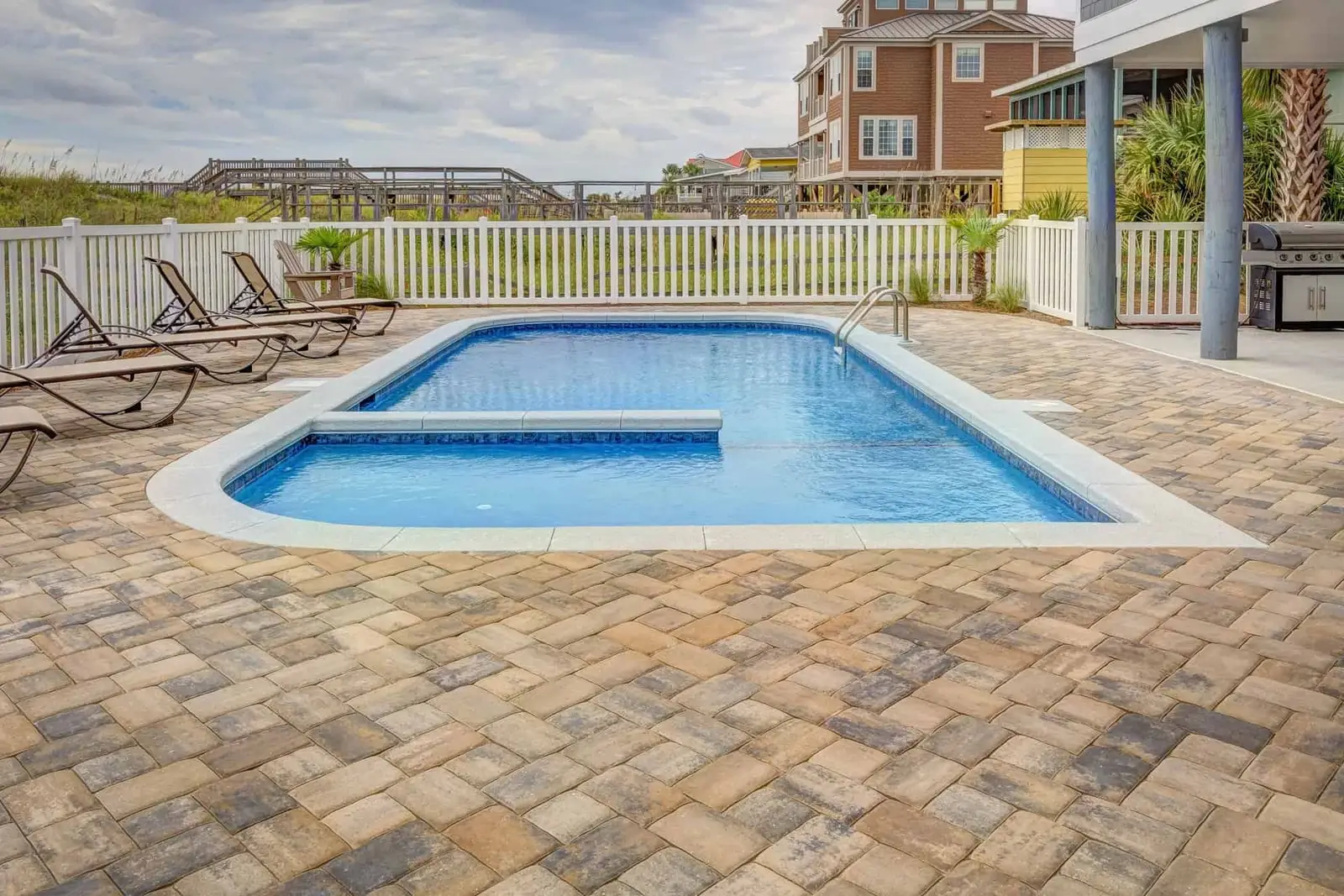
Check automatic irrigation heads for proper spray patterns, ensuring water reaches garden beds rather than sidewalks or home siding. Monitor swimming pool water levels, clean skimmer baskets weekly, and run pumps during off-peak energy hours when possible to keep filtration steady and operating costs low.
Fall Home Maintenance Checklist: Pre-Winter Preparation
Shut off outdoor spigots, blow out irrigation lines, and schedule heating system inspections before freezing temperatures arrive.
When autumn temperatures drop and leaves begin to turn, preparing your home for freezing temperatures and driving rain becomes top priority. Diligent fall maintenance protects domestic plumbing, exterior envelopes, and heating units against severe winter storm conditions. Planning these tasks across September and October avoids rushed repairs in freezing cold.
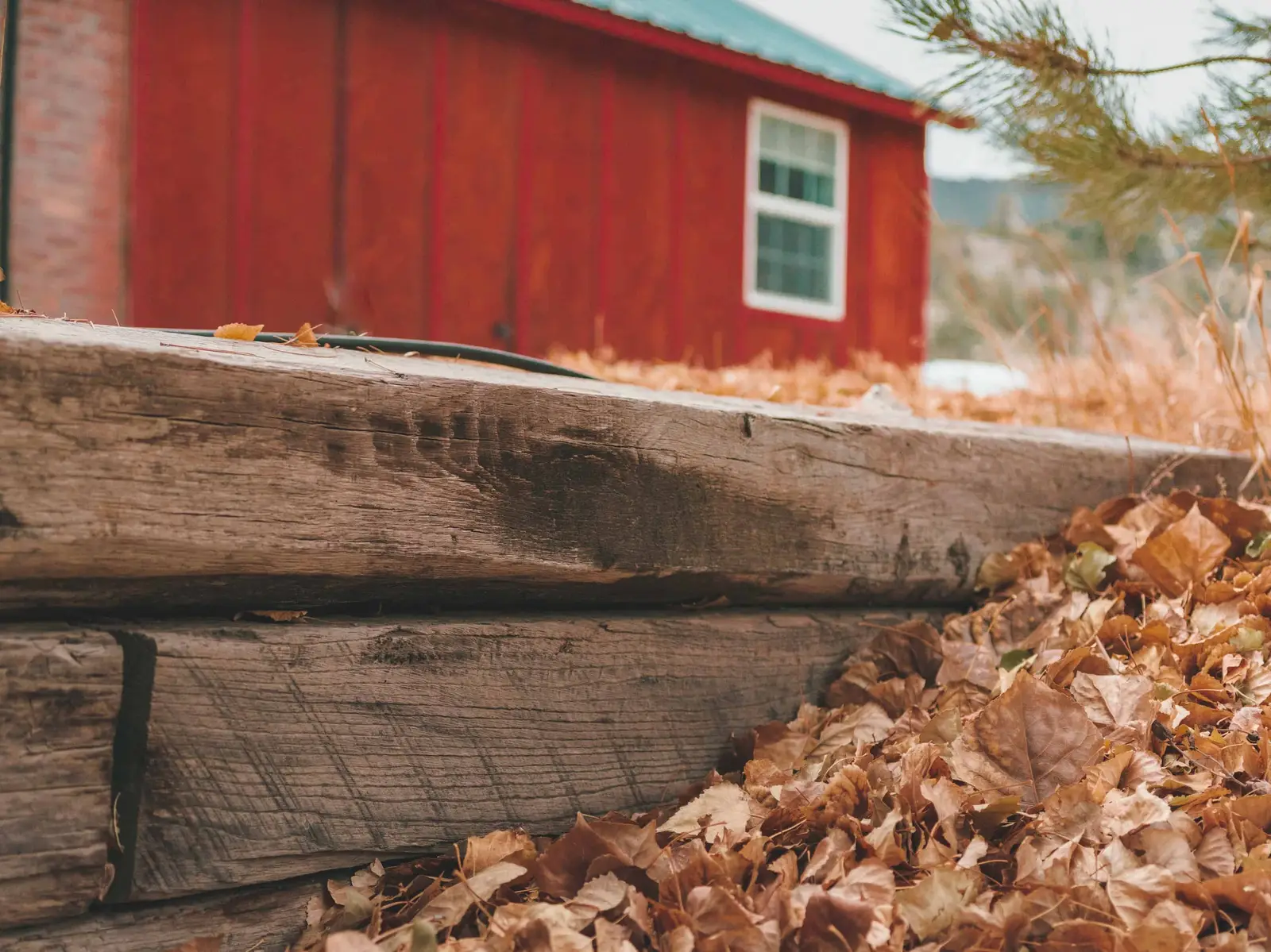
Photo by Elizabeth Explores from Unsplash
Plumbing Winterization
Frozen water lines expand and fracture with immense hydraulic pressure, making outdoor plumbing your primary vulnerability in cold weather. Disconnect all garden hoses, drain remaining water from exterior bibs, and shut off interior isolation valves serving outdoor faucets. Drain automatic sprinkler manifolds and blow out irrigation lines with compressed air before the first hard freeze to prevent underground pipe splits.
Heating and Fireplace Safety
Schedule a professional heating technician to service your furnace or boiler, check heat exchangers for cracks, and test electronic ignitions. Clean out wood-burning fireplaces, and have a certified chimney sweep inspect flues for creosote accumulation and structural flue tile cracks per NFPA 211 guidelines. Stack firewood off the ground on raised pallets, storing it at least 20 feet away from foundation walls and covering the top with waterproof sheeting to keep fuel dry while maintaining side ventilation.
Pool Closing, Gutters, and Insulation
Once swimming season ends, clean your pool thoroughly, balance chemical levels, drain water below skimmer mouths, and install a secure winter safety cover following proper pool winterization steps, such as those recommended by pool and patio specialists. Clean late-falling leaves from gutters one final time. Inspect weatherstripping around exterior doors and window sashes, and check attic insulation to ensure soffit vents remain unobstructed so cold air circulates naturally above ceiling insulation.
Winter Home Maintenance Tips: Cold-Weather Protection
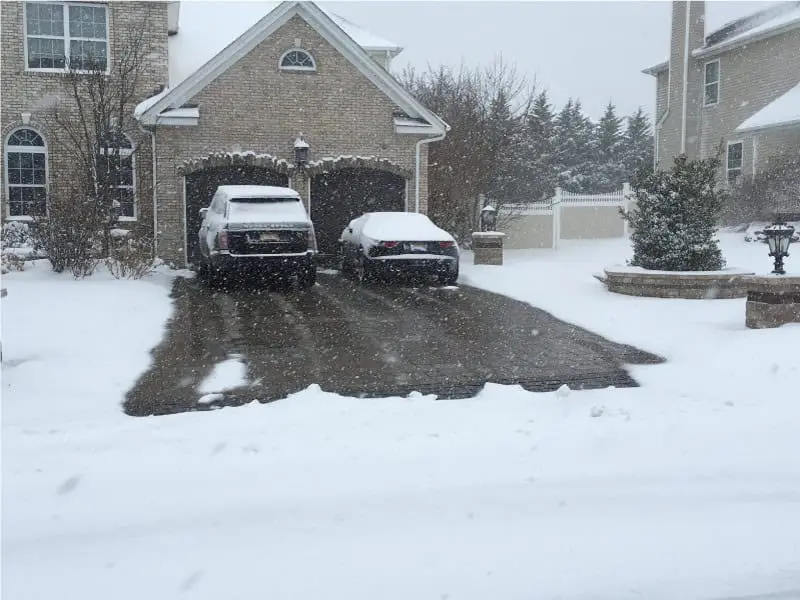
During winter, severe weather shifts your focus from outdoor improvements to indoor system monitoring and structural protection. Monitoring internal warmth, roof snow loads, and pipe temperatures keeps your household safe and comfortable through harsh winter weather. Simple precautions keep your interior warm and stop freezing temperatures from creating emergency plumbing leaks.
Preventing Frozen Pipes and Heating Setbacks
During severe cold snaps, open cabinet doors under kitchen and bathroom sinks along exterior walls so ambient warm air circulates around exposed water supply lines. If you plan to travel during the holidays, the American Red Cross recommends keeping your thermostat set to at least 55 degrees to prevent hidden pipes within exterior wall cavities from freezing.
Snow Management and Ice Dam Prevention
Clear walkways and steps promptly using non-corrosive ice melt or sand to maintain safe, slip-free pedestrian paths. Avoid dumping heavy salt on concrete younger than one year old, as freeze-thaw cycles can spall fresh cement paste. Use an ergonomic snow shovel or snowblower for driveways, and monitor roof eaves for ice dams. Ice dams occur when warm attic air melts roof snow, which then refreezes at cold eaves, forcing water backward under shingles.
Indoor Renovation and Upkeep
Because freezing weather limits outdoor work, winter provides a quiet window to repaint interior rooms, update cabinet hardware, swap plumbing fixtures, or clean basement utility spaces. Contractors often offer flexible scheduling and competitive rates for interior remodeling during these months.
DIY vs. Hiring a Licensed Professional
Knowing your personal limits saves money and keeps you safe. While routine cleaning, filter changes, and seasonal garden tasks are straightforward DIY jobs, complex electrical, structural, and combustion systems require licensed trade specialists. Use this breakdown to decide when to handle work yourself and when to call a professional:
| System or Component | Safe DIY Maintenance | Hire a Licensed Professional |
|---|---|---|
| HVAC Systems | Replacing air filters monthly, cleaning outdoor unit debris, vacuuming supply registers | Annual heat exchanger inspection, refrigerant leak repair, motor or capacitor replacement |
| Plumbing | Replacing faucet washers, clearing P-traps, insulating exposed pipes, draining hose bibs | Main water shut-off replacement, sewer line cleanouts, water heater tank installations |
| Electrical | Testing GFCI buttons, replacing smoke detector batteries, swapping wall plates | Main panel upgrades, running new branch circuits, repairing flickering wiring or arcs |
| Roofing and Chimneys | Visual inspections from ground level, clearing accessible gutter debris from a safe ladder | Replacing valley flashing, repairing chimney masonry, comprehensive structural roof repairs |
| Exterior Envelope | Recaulking trim, sealing decks, clearing window well drains, grading garden beds | Foundation crack structural epoxy injection, window replacements, full exterior stucco repair |
Building a Lasting Home Maintenance Routine
Caring for a house is an ongoing process rather than a one-time project. By dividing essential property care into manageable monthly checks and seasonal transitions, you safeguard your family’s comfort and protect your home’s long-term resale value. Establish your repair reserve fund, stock up on essential tools, and follow this checklist to keep your home safe, efficient, and beautiful all year long.