14 Unique Ways To Enhance Your Home’s Exterior That People Often Forget
Essential Facade Upgrades
- Deep-clean siding and masonry with calibrated pressure under 1,200 PSI to restore crisp contrast without damaging mortar or moisture barriers.
- Install low-voltage outdoor lighting with warm 2700K to 3000K color temperatures layered across pathways, entries, and plantings.
- Upgrade street-facing accents with minimum 5-inch floating house numbers and durable metal mailboxes mounted 41 to 45 inches above the road.
- Refresh broad surfaces like garage doors and window trim with contrasting paint and decorative hardware to create architectural depth.
- Frame pathways and porches with properly scaled weather-resistant seating and structural arbors to define transitions.
14 High-Impact Ways to Enhance Your Home Exterior
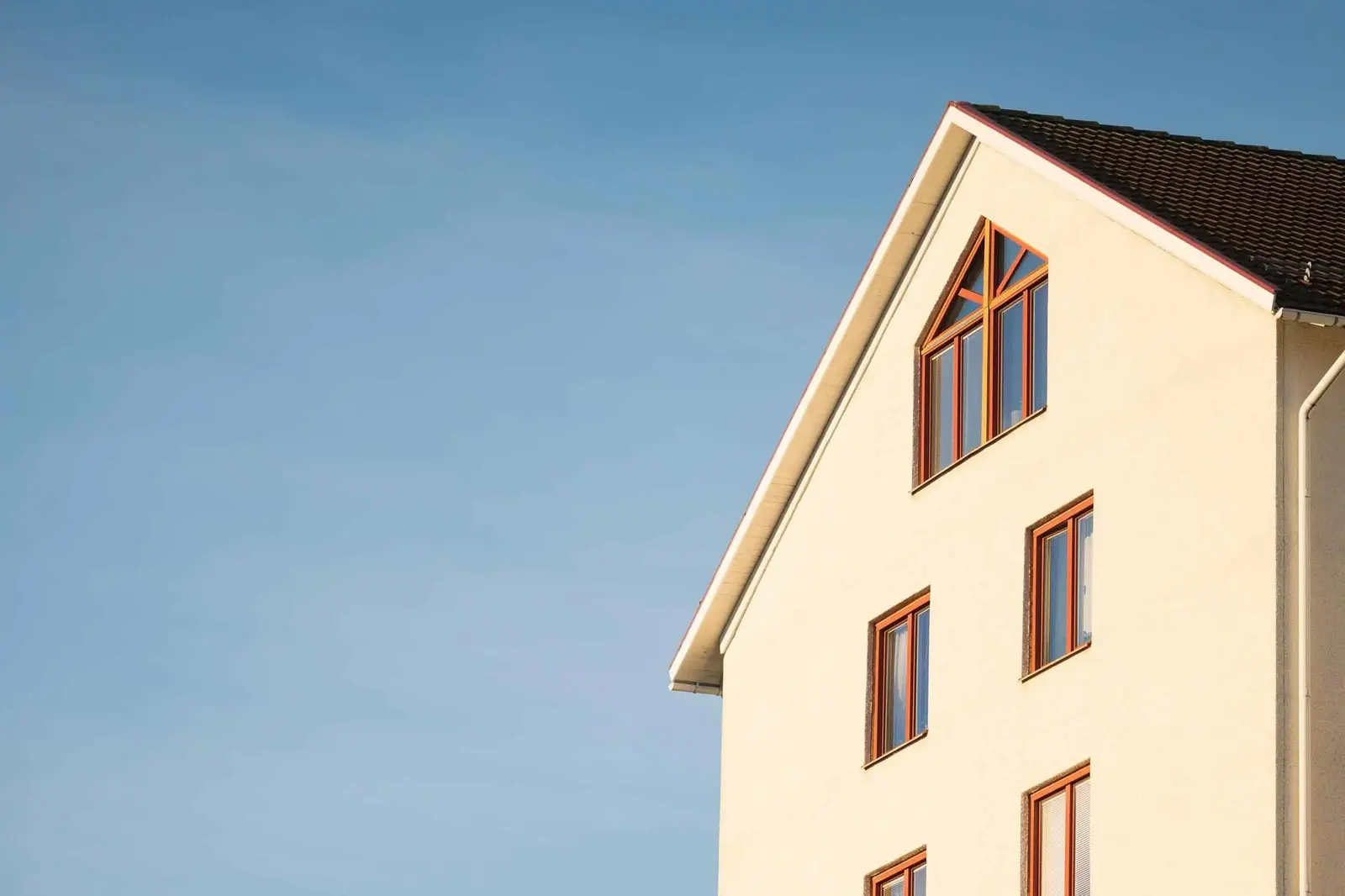
Achieving standout curb appeal requires more than routine lawn maintenance and a fresh doormat. Elevating your home facade combines architectural preservation, intentional material choices, and cohesive outdoor design. Whether you are planning a comprehensive exterior home remodel or preparing to place your property on the market, thoughtful improvements immediately increase perceived value and daily living comfort.
You do not need an unlimited budget to make an architectural statement. Strategic updates range from simple weekend maintenance projects to transformative decorative additions. Here are 14 unique curb appeal ideas designed to enhance your home exterior across every budget level.
1. Wash Exterior Siding and Masonry for Immediate Clarity
Always match water pressure to the surface material: keep vinyl under 1,000 PSI and brick under 1,200 PSI to avoid dislodging mortar or damaging structural weather barriers.
Over several seasons, environmental pollution, mildew, pollen, and road dust accumulate on exterior walls, dulling the original paint and masonry colors. Deep-cleaning your siding and stone accents is the most cost-effective way to restore the crisp architectural contrast of your home without repainting. A thorough cleaning also reveals hairline cracks in caulking and timber deterioration before structural water infiltration occurs.
Match your cleaning pressure to the exterior material so you avoid surface etching or forcing moisture behind the weather-resistive barrier:
| Material | Recommended Method | Primary Benefit |
|---|---|---|
| Vinyl and Composite Siding | Low-pressure soft wash (under 1,000 PSI) with mild detergent | Protects surface finishes and prevents water penetration behind seams |
| Brick and Mortar | Low-to-medium pressure (500 to 1,200 PSI) with masonry cleaner | Avoids dislodging historic or weathered pointing mortar |
| Concrete Walkways and Driveways | High pressure (2,500 to 3,000 PSI) with surface cleaner attachment | Lifts stubborn oil stains, tire marks, and embedded algae |
Always inspect painted surfaces and window perimeters before starting, and test a low-visibility corner before washing the entire facade. For multi-story homes or delicate historical stucco, hire a certified cleaning specialist with proper scaffolding and variable-pressure equipment.
2. Clear Clogged Gutters and Upgrade Drainage Elements
Roof drainage channels direct thousands of gallons of rainwater away from your foundation and roof decking each year. When decaying leaves and grit clog gutters, standing water creates heavy sagging, stains fascia boards, and overflows into exterior flower beds. In colder climates, blocked water quickly freezes on walkways and driveways, creating dangerous slipping hazards and foundation frost heave.
Routine gutter maintenance preserves your building envelope and safeguards your foundation from costly basement water intrusion. To prevent exterior decay, hire a local handyman to clear your channels, re-pitch misaligned sections, and secure loose brackets.
To upgrade your home’s architectural charm while managing runoff, consider these elevated drainage features:
- Decorative Japanese rain chains: Replace rigid aluminum downspouts with interlocking copper or bronze cups that create a soothing water feature alongside front porches.
- Seamless copper or half-round zinc gutters: Swap standard k-style troughs for historic half-round gutters that age gracefully with a natural patina.
- Concealed rain barrels: Connect rain diverters to wood-slat rain storage barrels to harvest water for garden beds while keeping utilitarian plastic hidden.
3. Inspect and Repair Roof Shingles to Protect Property Value
Your roof forms the primary protective shield and structural silhouette of your home. Curled asphalt shingles, cracked slate tiles, and rusted valley flashing make an otherwise charming home look neglected. Buyers and professional home inspectors scrutinize the roof first, because replacing an entire roof assembly represents a significant capital expenditure.
Repairing damaged roof sections immediately protects framing members from dry rot and adds thousands of dollars to overall property appraisal value. Walk your perimeter with binoculars to spot missing shingles, uplifted edge metal, or moss buildup in roof valleys. If you find broken clay tiles or failing flashing around chimneys, contact a licensed roofing contractor immediately to ensure local building codes and warranty terms remain satisfied.
4. Upgrade Windows with Exterior Trim and Siding Updates
Windows function as the architectural eyes of the house, setting the rhythm and balance of the entire front elevation. Standard builder-grade windows often lack casing depth, which leaves facades looking flat and unfinished. Adding substantial exterior trim, window headers, and integrated drip caps creates architectural shadow lines that make standard openings look bespoke.
Refined exterior trim and siding updates around window assemblies deliver noticeable visual depth while sealing thermal envelope drafts. Inspect exterior caulking around every window frame annually, replacing brittle beads with high-grade elastomeric sealant. Painting window muntins and frames in contrasting charcoal, deep bronze, or forest green produces a striking modern visual without the expense of total window replacement.
5. Reinvigorate Garage Doors with Architectural Accents
On suburban lots and modern architectural plans, garage doors often occupy up to 30 percent of the visible street facade. A faded, dented, or blank paneled door drags down your entire curb appeal. Transforming this massive surface establishes an immediate visual anchor that complements your main entrance.
Refreshing garage doors with durable exterior paint and carriage-style decorative hardware creates an upscale custom aesthetic for a fraction of replacement costs. Select a satin or semi-gloss exterior acrylic in a hue that echoes your front entrance or exterior window trim. Install matte black magnetic or bolt-on strap hinges, handles, and faux window inserts to replicate classic carriage doors. For added everyday convenience, pair the cosmetic refresh with a modern smart opener for quiet, smartphone-controlled vehicle access.
6. Layer Outdoor Lighting Design for Dimension and Security
Layer ambient, task, and accent fixtures using warm bulbs between 2700K and 3000K to create dimension, ensure path safety, and eliminate cold institutional glare.
A single harsh floodlight or solitary ceiling fixture leaves an entryway looking flat and uninviting after dusk. Professional outdoor lighting design relies on balanced layering, blending ambient, task, and accent lighting to create depth, guide footsteps safely, and accentuate architectural textures.
A cohesive exterior lighting plan balances warm illumination across pathways, architectural facade details, and entryway doors. Select fixtures with a warm color temperature between 2700K and 3000K to avoid the institutional glare of cool blue light. Consider these essential lighting layers for balanced curb appeal:
- Entryway wall sconces: Mount balanced lanterns on both sides of the front door at roughly eye level (60 to 66 inches from the porch floor), scaled to approximately one-quarter the door height.
- Low-voltage pathway lights: Stagger shielded ground stakes along walkways to guide foot traffic without blinding guests or creating runway light effects.
- Facade and landscape uplighting: Position low-voltage well lights beneath ornamental trees, stone retaining walls, or architectural columns to add dramatic nighttime depth.
7. Mount Coordinated Modern House Numbers and Accents
Faded, undersized house numbers are difficult for guests, delivery drivers, and emergency responders to locate. Swapping dated adhesive or stamped tin numbers for substantial architectural house numbers is one of the quickest exterior upgrades you can execute in an afternoon.
Installing modern house numbers and accents establishes a clear architectural focal point that sets expectations for your interior style. Choose floating metal numerals in solid aluminum, brass, or powder-coated steel that measure at least 5 to 6 inches in height for reliable street legibility. Align the typography with your home style, pairing sans-serif fonts with modern siding and classic serif styles with traditional brick or colonial exteriors.
8. Install a High-Quality Architectural Mailbox
Your mailbox serves as an immediate indicator of design cohesion, whether mounted directly beside the front entrance or stationed at the curbside. Weathered tin mailboxes with bent doors or peeling paint create an immediate impression of deferred maintenance.
Replacing your mailbox with a heavy-gauge steel or cast brass design instantly refines your front walkway or curbside boundary. Ensure post-mounted roadside boxes comply with municipal setbacks and postal height guidelines, which typically require a height of 41 to 45 inches from the road surface to the bottom of the box. Select a powder-coated finish that complements your exterior hardware, exterior lighting fixtures, and house numbers for a unified palette.
9. Refresh the Threshold with Seasonal Front Door Decor
Your front door functions as the primary visual bullseye of the front facade. Beyond repainting the door slab with an energetic accent color, curated threshold styling creates a sensory transition from the public street to private interior living spaces.
Rotating botanical accents and artisan wreaths across the seasons keeps your entryway feeling vibrant, intentional, and inviting year-round. Source natural preserved eucalyptus, dried magnolia leaves, or woven grapevine wreaths from artisanal makers on Etsy to suit changing seasons. Frame the entryway symmetry by flanking the threshold with complementary planters, drawing inspiration from these flowers and structural planter bed pairings to establish harmonious green transitions.
10. Install a Distinctive Door Knocker and Coordinated Hardware
Door hardware provides a tactile connection between visitors and your home. Flimsy, pitted entry sets diminish the experience of entering a house, whereas heavy, solid brass hardware conveys permanent quality.
Mounting an artisanal door knocker introduces sculptural personality and architectural distinction directly at eye level. Solid forged brass, oil-rubbed bronze, and textured black iron pieces hold up to years of weather while developing a handsome living patina. Select motifs that complement the home character, such as clean geometric rings for mid-century facades or classic animal designs like foxes, lions, and woodpeckers for rustic craftsman bungalows.
11. Curate a Front Porch Makeover with Scaled Seating
Select outdoor furniture strictly scaled to your porch dimensions, choosing durable materials like teak or high-density polyethylene to withstand weather year-round.
A welcoming front porch acts as an outdoor living room that bridges your indoor spaces with the neighborhood. Neglected porches often turn into dumping grounds for sports gear and faded plastics, squandering prime square footage.
Executing a thoughtful front porch makeover with weather-resistant seating extends livable space and conveys genuine residential warmth. Prioritize proportion when shopping for outdoor furniture; an oversized porch swing can overwhelm a narrow entryway, while two dainty bistro chairs look lost across an expansive veranda. Invest in durable materials such as solid teak, cedar, or high-density polyethylene (HDPE) lumber, sealing natural timber finishes annually to guard against UV graying and surface splitting.
12. Frame Walkway and Hardscape Transitions with an Arbor
Transition points between the public sidewalk, driveway, and front door establish the journey through your landscape. Plain concrete pathways can feel utilitarian without vertical structural framing to guide the eye.
Constructing an architectural garden arbor over a walkway defines entry boundaries and adds vertical scale to flat landscape designs. Position an arbor where the front path leaves the public sidewalk or at the gateway entering your front garden bed. Select rot-resistant cedar, redwood, or powder-coated steel, painting or staining the structure to match your window casing and exterior trim. Train climbing roses, clematis, or wisteria up the lattice sides to merge structural carpentry with soft landscape plantings.
13. Conceal Utilitarian Electrical Boxes and Conduits
Modern homes require electrical meters, cable boxes, HVAC disconnects, and metal conduits that run across exterior siding. While vital for building functionality, exposed gray PVC and silver conduits create unsightly visual friction along your primary exterior walls.
Concealing utilitarian utility conduits with exterior-grade paint that matches your siding color makes bulky equipment visually disappear into the facade. Alternatively, construct a slatted cedar screen box that fits over exterior fixtures, ensuring adequate ventilation and immediate service access. Always verify clearance regulations with your local utility provider before installing covers around electric meters or natural gas regulators.
14. Screen Waste Bins and Upgrade Worn Manhole Covers
Everyday household necessities like wheelie bins and drainage access covers often sit right beside driveways and front gardens. Exposed trash receptacles broadcast unpleasant odors and degrade curb appeal, while rusty, pitted cast iron manhole covers disrupt manicured front lawns.
Enclosing waste bins in a vented timber shed and upgrading damaged utility lids eliminates visual clutter from your approach. Construct or assemble a lockable wooden bin store with lifting lids to keep garbage concealed from street view and protected from scavenging wildlife.
For ground utilities, inspect all private inspection chambers and drainage lids across your lawn. If an inspection lid sits on private piping serving solely your property, replacing it falls under homeowner maintenance responsibility. Swapping a deteriorated, dangerous iron lid for certified composite or ductile iron options, such as durable Amercast manhole covers, delivers immediate safety and clean, flush lawn integration.
Summary of Exterior Enhancements
Refreshing your home’s exterior does not require an all-or-nothing approach. The most successful home exterior transformations combine structural maintenance, disciplined color continuity, and thoughtful accent hardware. Begin by addressing protective priorities like gutter drainage and roof repair, followed by surface cleaning, lighting upgrades, and coordinated entryway details.
Take time to view your home from the street across different times of day to prioritize the projects that deliver the highest aesthetic and practical return. With focused effort and sensible materials, you can create a balanced facade that provides enduring pride of ownership and outstanding market appeal.