A Complete Guide about Shower Stall
A bathroom shower stall is very important for a small house. Installing a prefab shower stall saves both money and square footage while speeding up your remodel. Today, bathroom shower stall kits are more popular than ever, especially space-saving corner shower stall designs and accessible walk in shower stall setups. You will find different prefabricated kits at different prices, so it pays to research your options before buying. Now, I will give you the necessary information about stall designs, materials, and accessories.
What is a bathroom shower kit or stall?
Key takeaway: Choose a multi-piece modular kit for renovations so the panels fit through standard doorways, and pick acrylic over fiberglass if long-term scratch resistance matters most to you.
A bathroom shower kit is an enclosed or semi-enclosed bathing unit designed to maximize utility in bathrooms of any size. Shower stalls can be installed as either a multi-piece modular unit or a one-piece seamless shell. Both options have distinct advantages depending on your project type:
- One-piece seamless stalls: Ideal for new construction projects. Because the entire shell is built as a single rigid unit, you must bring it in before door frames and drywall are finished. It is usually impossible to move a one-piece unit through standard interior doorways during a renovation.
- Multi-piece shower stall kits: The best choice if you are remodeling an existing home. The separate panels and base fit easily through standard hallways and doorways, making delivery and setup straightforward.
When looking at an acrylic vs fiberglass shower stall, keep your priorities in mind. Fiberglass is lightweight and budget-friendly, while acrylic offers superior scratch resistance and color retention over time. Solid surface composites provide exceptional durability at a higher price point, whereas custom tile gives you limitless aesthetics but requires skilled labor and ongoing grout maintenance.
What is corner shower stall?
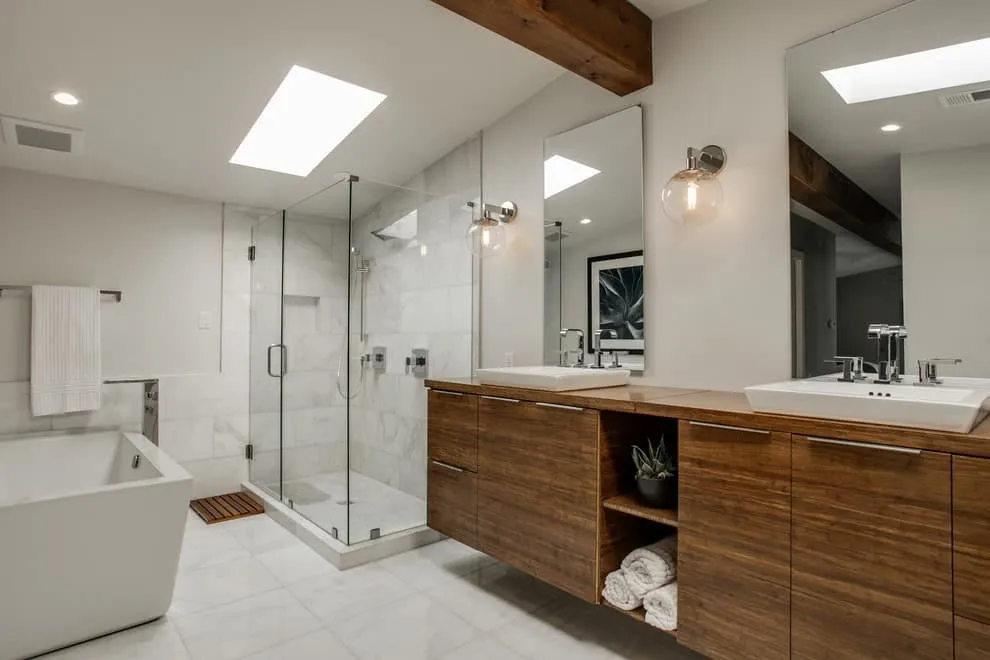
A corner shower stall is engineered to tuck neatly into the intersection of two walls, freeing up valuable floor space in your bathroom. It can occupy otherwise wasted space and make a compact layout feel substantially larger. Modern corner kits are versatile: you can add luxury fittings like a steam generator, body massage jets, or a built-in shower stall with seat for extra comfort and accessibility.
Corner units come in several distinct shapes, including square, rounded, and neo-angle profiles that slice across the outer corner to increase exterior walkway clearance. Choosing the right door mechanism is equally critical for tight layouts. Sliding or bi-fold doors are ideal when you have limited clearance, whereas pivot and hinged doors swing outward and require unobstructed floor space in front of the stall.
What is included in shower stall and corner shower stall?
Key takeaway: Standard kits include the base, walls, and door frame, but plan for 36×36 inches minimum for comfortable daily use and leave at least 24 inches of clear floor space outside the door.
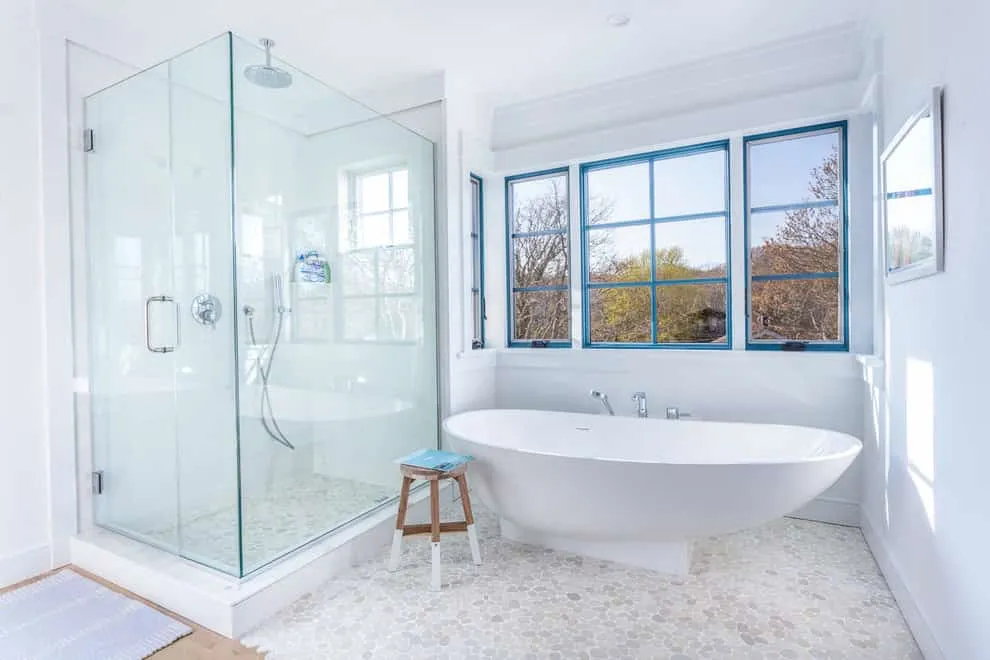
A shower kit provides the primary structural components you need to build a functional enclosure. Many shower stalls have three core pieces: the shower base or pan, a matching wall surround set, and the front frame or door assembly. These kits are engineered for consumer convenience and ensure all components fit together with watertight seams.
Keep in mind that tapware, mixing valves, and showerheads are rarely included in standard kits. You have to purchase those plumbing fixtures separately to match your preferred finish and plumbing rough-in dimensions.
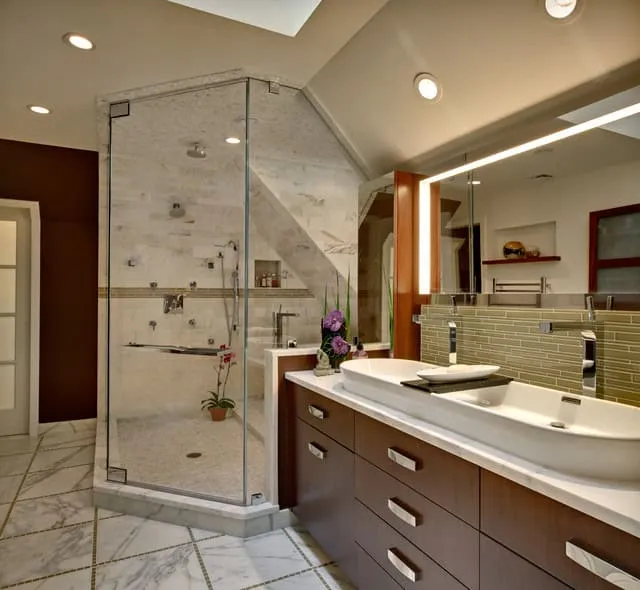
A corner shower stall includes a specialized tray or base that sits directly on the subfloor beneath the shower, directing runoff straight into the drain. The wall enclosures attach securely to your bathroom studs, and the front door panels seal the entrance.
Before purchasing, always check standard shower stall sizes against your room layout and local building codes. Standard shower stall sizes typically range from 32×32 inches to 36×36 inches, with 36 inches considered the minimum for comfortable everyday use. Building codes generally require at least 24 inches of clear space in front of the shower entrance. Unit prices for prefab kits usually run between $400 and $2,000, while professional installation costs roughly $800 to $2,500 depending on subfloor leveling and plumbing adjustments.
Benefits:
Standard shower stalls and corner units share many of the same practical benefits. The benefits of open and closed showers are described below:
- Easy installation process: Both shower kits are easy to fit. Compared to a tiled shower, a prefab kit is faster, simpler, and far more cost-effective to install.
- Easy cleaning process: Stalls have smooth surfaces and minimal seams without extensive grout lines to scrub. For stubborn mineral buildup, you can safely use cleaners such as CLR Calcium, Lime & Rust Remover on fiberglass and acrylic surfaces when used according to label instructions.
- Fast turnaround: It takes very little time to fit a prefabricated shower stall. There is no grout work, no mess from cutting tile, and no tile glue waiting to set, saving you significant project time.
- Lower overall cost: A shower stall or corner shower stall is generally much cheaper than custom tile. You would pay substantial labor fees to a professional tiler, whereas stall installation requires far fewer hours of specialized work.
- Easy to customize: A shower stall is simple to adapt to your lifestyle. You can choose different sizes, colors, wall textures, or integrated features like built-in ledges, grab bars, and seats.
- Low weight: Heavy tile beds require strong floor reinforcement. Lightweight acrylic or fiberglass stalls are a much safer, lighter option for homes with standard or older floor joists.
- Preferable for small bathrooms: Corner shower stalls make outstanding use of tight corners and compact footprints, fitting awkward bathroom nooks with ease.
- Less chance of leaks or cracks: Tile and grout beds can crack as a house settles over time, but prefabricated pans provide seamless, durable waterproofing that resists leaks.
How to find a better shower stall or a corner shower stall?
- Material quality: Look for thick, reinforced acrylic or durable fiberglass composite. Buying your shower stall from a reputable brand ensures better structural rigidity and warranty support.
- Design and style: Evaluate the wall textures, panel heights, and shelf layouts to match your aesthetic and storage needs.
- Base shape: A round or neo-angle base works best for a corner shower stall in a tight space because it reduces footprint protrusion, while a square base offers more elbow room inside.
- Door style and clearance: Choose sliding or bi-fold glass doors if your bathroom has narrow clearances, or opt for a pivot door if you have plenty of room to step out.
- Installation requirements: Review the manufacturer installation manual carefully. Pick a stall kit that matches your existing plumbing drain location to minimize costly pipe relocations.
Now you understand the essential differences between standard shower stalls and corner shower stalls. This information will help you select the right shower stall kit for your budget, space, and remodel goals.