10 Kid-friendly Home Decor Ideas That You Can Do With Your Children
A child’s imagination is pure magic, and encouraging your kids to express their creativity at home builds confidence and problem-solving skills that last a lifetime. People who nourish their creative instincts often find themselves in a better situation in life, thriving with better grades, fulfilling careers, and genuine curiosity. Creative thinkers simply lead richer, more joyful lives.
There are countless fun ways to spark that imagination, but one of my absolute favorites is bringing them into family-friendly interior design. As a kid, I used to love moving furniture about, whether I was engineering an epic blanket fort across the kitchen chairs or secretly plucking blossoms from my mom’s prized window ledge to decorate the refrigerator handle. As much as I was scolded for the stray petals, those messy experiments were where I channeled my boundless energy. Seeing that spark, my parents started redecorating whole rooms alongside me.
Freshening up your space with clever kid-friendly home decor ideas does not need to drain your wallet. With durable home decor for families, a few adaptable craft supplies, and an afternoon to spare, you can create a beautiful home that embraces childhood wonder without looking like a chaotic preschool explosion.
Before we dive into the projects, keep a few golden ground rules in mind:
- Resist the urge to critique your kids’ decorating experiments too harshly. Unless they are actively setting fire to the curtains or breaking the oven, their silly ideas come from genuine enthusiasm. If something crosses the line, calmly redirect them toward a better canvas rather than shutting them down. Vocal criticism quickly stunts a child’s confidence.
- Inspire them with visual examples before you start crafting. Show them a couple of quick Pinterest boards or DIY video clips so they understand the goal. Otherwise, you might find yourself peeling hot-glued silly string and crumpled notebook paper off your brand-new sideboard. Give them a gentle nudge in the right direction, then step back and let their imagination run the show.
- Prioritize safety, non-toxic materials, and sturdy hardware at every step. Never let small children handle open flames, hot glue guns, razor knives, or heavy power tools without direct supervision. Always opt for low-VOC, child-safe paints and non-toxic sealants. Most importantly, anchor tall dressers and heavy shelving firmly to the wall to prevent tip-over accidents.
With those basics covered, here are some fun, hands-on DIY room decor for kids to transform your home together.
Paint some pots
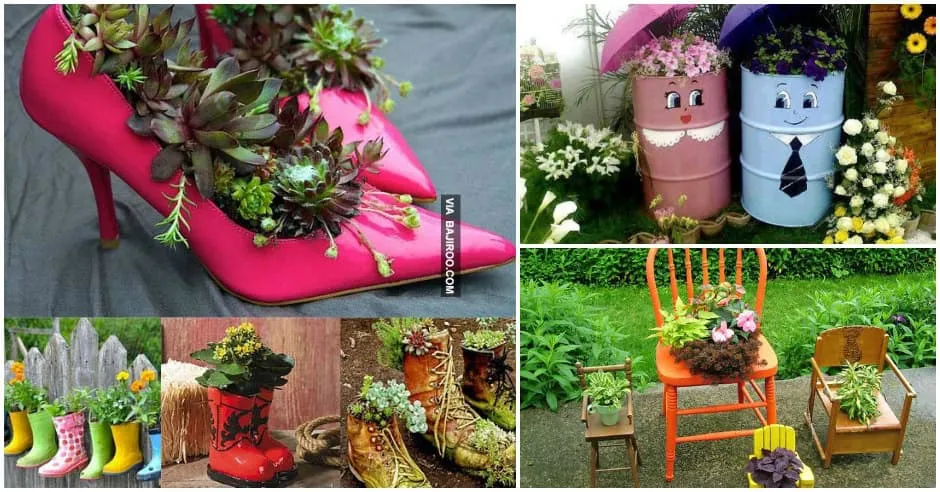
Upcycling vintage kitchenware into colorful plant pots is one of the easiest ways to brighten a windowsill. My mom used to rescue odd pieces of old china and chipped teapots just to turn them into planters. A plain white porcelain teapot or a dull metal container becomes an eye-catching focal point after an afternoon of painting.
Grab some acrylic craft paints, pick an afternoon, and let your toddler paint a wild pattern across an old gravy boat. Pop a hardy stalk of devil’s ivy (pothos) inside with a little potting soil. Even if their color choices clash with your minimalist aesthetic, trust their instincts: a lemon-yellow gravy boat overflowing with trailing green leaves has an eccentric charm that no store-bought planter can match.
Bring in some plants

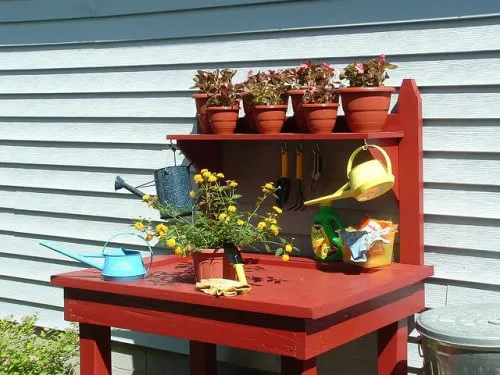
If you prefer larger greenery over small cuttings, bring home a few full-sized potted houseplants to anchor a bright corner. Caring for houseplants gives children hands-on lessons in patience, routine, and scientific observation.
Take your child to the local garden center and let them pick out an easy-care, non-toxic plant like a spider plant, a Boston fern, or a sturdy cast-iron plant. Help them scout a sunny living room spot where it will thrive. Putting your kid in charge of checking the soil and watering it on schedule teaches punctuality and pride. You can even break out the beads and pipe cleaners so they can craft little hanging charms to dangle from the sturdier branches.
Let them play
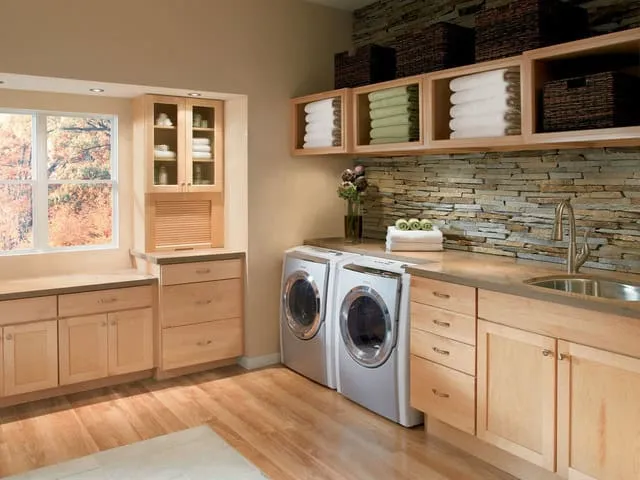
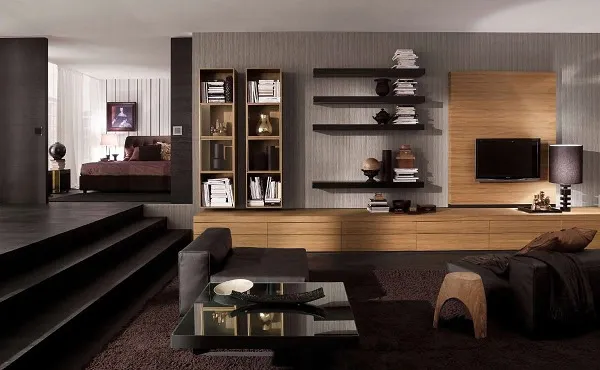
Keep your shared living room balanced and tidy by mixing low, accessible storage cubbies with dedicated cozy play zones.
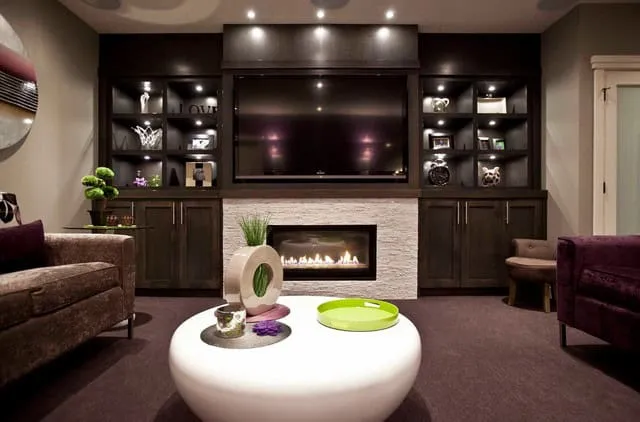
Your living spaces should celebrate the people who actually live there, especially the smallest ones. Integrating kid-friendly living room ideas means striking a balance between adult aesthetics and accessible play zones. For toddlers, displaying a curated selection of handsome wooden toys or cloth blocks right on a low credenza makes playtime feel naturally welcomed in the main room.
For functional playroom storage ideas, swap bulky plastic bins for low-height open cubbies and canvas baskets that empower toddlers to grab their toys and tidy up independently. For older kids, create dedicated breakout zones: pitch a cozy canvas teepee, drape a sensory reading corner with floor pillows, or hang removable vinyl wall decals of their favorite animals. You can even frame fun art prints inside lightweight DIY frames made from painted cardboard cereal boxes.
Use their artwork
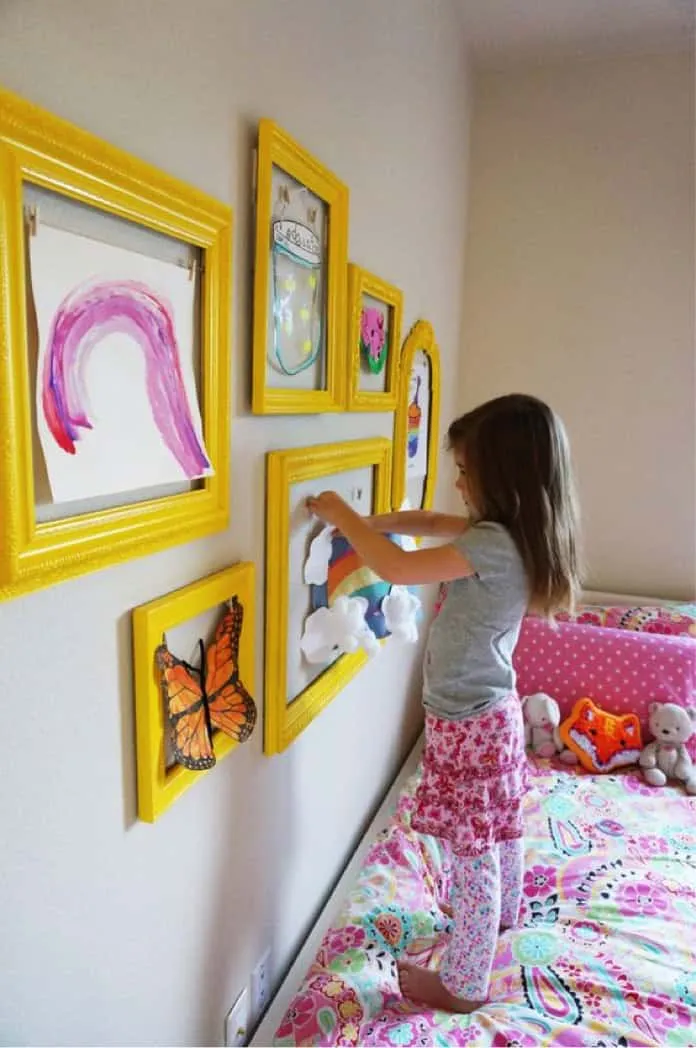
Swap crowded fridge magnets for rotating clipboards or front-opening wall frames to proudly showcase your child’s masterpieces.
Displaying your children’s creative masterpieces is the ultimate way to show them how much you value their hard work. Still, letting hundreds of loose drawings take over your refrigerator with mismatched magnets can quickly look chaotic.
Try stylish, changeable kids art display ideas instead. Set up a wall-mounted clipboard gallery, install a curtain cable wire with mini clips, or hang front-opening art cabinets that let you swap out new finger-paintings in seconds. If you want a quick DIY project, cut out a frame from a sturdy cereal box, coat it with white craft paint, and let your child embellish the borders with buttons, seashells, or colorful pasta noodles (just make sure they do not follow my friend’s son, who once tried to glue a dried garden beetle to his frame!). Slide their latest abstract scribble inside, add a dated name tag, and hang it proudly.
Bring in some string lights
Warm string lights instantly transform any regular bedroom or living area into an enchanting wonderland. There is something inherently comforting about their soft, golden glow that captivates children and adults alike.
You do not have to wait for the winter holidays to hang twinkling fairy lights. Weave them around an old wooden headboard, string them along an indoor teepee reading nook, or drape them across an unused fireplace mantel. Pair them with paper lanterns or fun garland, and your child will have a cozy sensory retreat for winding down before bedtime.
Improvise a sofa
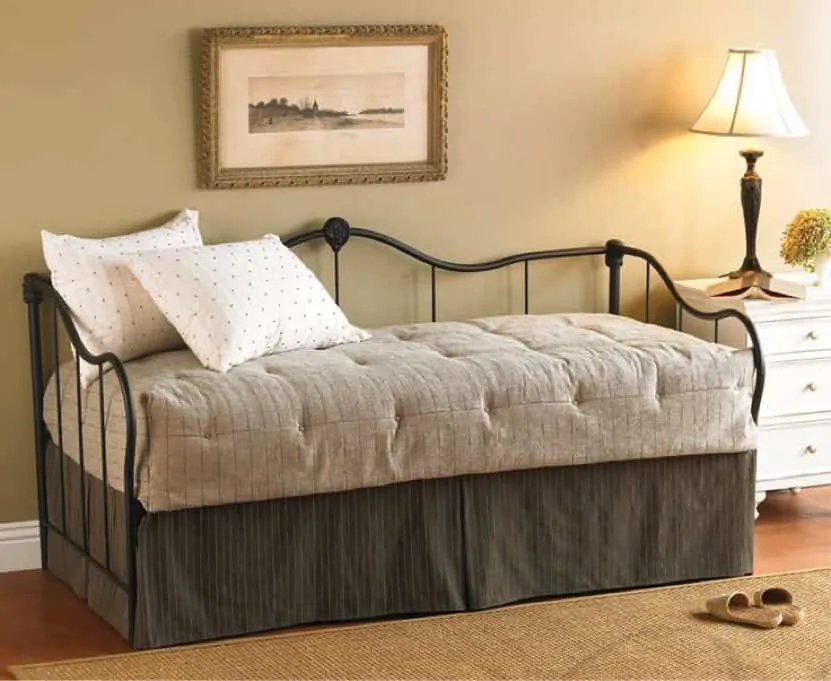
When it is time to upgrade bedroom furniture, such as transitioning from a toddler bed or twin mattress to a full-size bed, do not rush to throw out the old mattress if it still has plenty of bounce. Repurposing an outgrown mattress into a modular floor sofa gives your kids a dreamy lounging and reading spot.
You can fold and secure a foam mattress into a chunky, supportive L-shape daybed, or place it on a low wooden pallet for a casual floor lounge. For daily sleeping, kids need proper spinal support and certified non-toxic, breathable materials designed specifically for growing bodies. But for an afternoon hangout pad, an old mattress wrapped in durable, stain-resistant slipcovers or washable performance fabrics is perfect. Let your kids help you test out the bounce and arrange the floor cushions while you tuck everything neatly into place.
Get festive
Decorating for seasonal holidays is one of the most delightful ways to channel your kids’ restless excitement while weaving in family traditions. Holiday crafting sessions give children a memorable, hands-on role in seasonal celebrations.
For patriotic summer holidays, hand them bundles of red, white, and blue ribbons to weave into outdoor porch railings, along with cutout paper stars for the windows. When spring rolls around for St. Patrick’s Day, send your kids out on a mission across the lawn to hunt for wild clover sprigs. Press their findings between strips of clear contact paper, cut them into geometric suncatchers, and hang them against your brightest window to catch the afternoon light.
Mason Jars are the new paper origami
Classic glass mason jars are endless canvases for creative DIY room decor. Kids of all ages love turning these everyday kitchen staples into glowing lanterns, organizer caddies, and miniature terrariums.
Younger children can coat the outside of a jar with non-toxic decoupage glue, wrap it in tissue paper mosaics, and drop a battery-operated LED tealight inside for a sparkling bedside nightlight. Older kids and tweens can layer colored sand, polished river pebbles, and cuttings of lucky bamboo for an easy desk terrarium. They also make fantastic desktop organizers: paint them in pastel chalk paint and sort markers, paintbrushes, and colored pencils neatly across their study desk.
Kids love glitter!

Ask almost any child, and they will tell you that everything in life looks ten times better once it has been doused in shimmering glitter. Giving tired home accessories a sparkling glitter makeover is an exciting way to revive thrifted finds and slightly damaged toys.
If an inexpensive ceramic vase is looking worn or a plastic toy figurine lost an ear, mix biodegradable craft glitter with clear sealant and let your child paint a dazzling coat across the surface. Let them blend their favorite metallic shades or bold jewel tones. Once it dries completely, finish it with a clear acrylic topcoat to prevent stray sparkles from migrating across your carpet, pop in a faux floral stem, and display their gleaming artwork on the mantel.
Use some chemistry!
Who says decorating projects cannot double as an exciting science experiment? Combining simple household pantry staples creates mesmerizing, kinetic tabletop displays that keep curious minds fascinated.
Fill a tall glass vase or jar with clear vinegar, drop in a handful of fresh raisins, and slowly stir in a dissolved mixture of baking soda and water. Carbon dioxide bubbles will cling to the wrinkled skin of the raisins, lifting them to the surface before popping and sending them tumbling back down. It is a fantastic, playful lesson in buoyancy and density. Once your kids understand the reaction, invite them to experiment with dried cranberries or small plastic beads to see what dances best.
There you have it! Transforming your living space into a creative haven does not require an interior design degree or a massive budget. Which of these kid-friendly decorating ideas are you and your little makers going to tackle first?